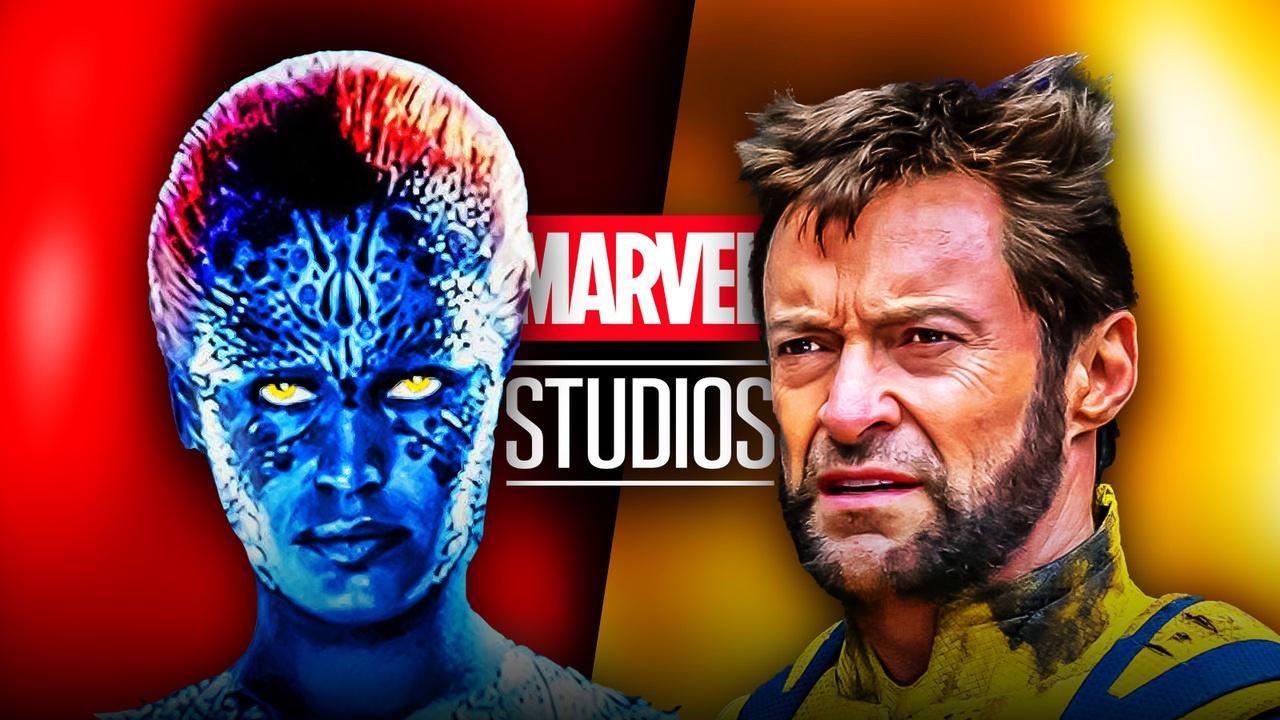
Bringing Magneto into the Marvel Cinematic Universe (MCU) presents a significant challenge. Movie fans are already familiar with the character thanks to the previous X-Men films from Fox, which featured two actors – Ian McKellen and Michael Fassbender – in the role. Now, Ian McKellen is set to return as Magneto in Avengers: Doomsday, over a decade after his last appearance in X-Men: Days of Future Past.
If you know anything about the X-Men, whether from the films, TV shows, or comics, you’ll likely know Magneto’s backstory and how crucial it is to understanding him. What sets Magneto apart from many other heroes is that his past isn’t just a piece of his story—it’s the core of his beliefs and feelings about people.
Erik Lehnsherr, born in Düsseldorf, Germany, to a Jewish family, experienced the horrors of the Holocaust as a child. He spent much of his childhood in the Auschwitz concentration camp, where his parents tragically died. Witnessing their deaths was the event that first unlocked his magnetic abilities.
Read more about how Magneto’s origins were adapted in X-Men ’97.
After experiencing terrible suffering and prejudice, his determination to safeguard mutants and his deep suspicion of humans intensify, creating a central conflict with the hopeful Charles Xavier.
How Marvel Studios Could Fix Its Magneto Conundrum
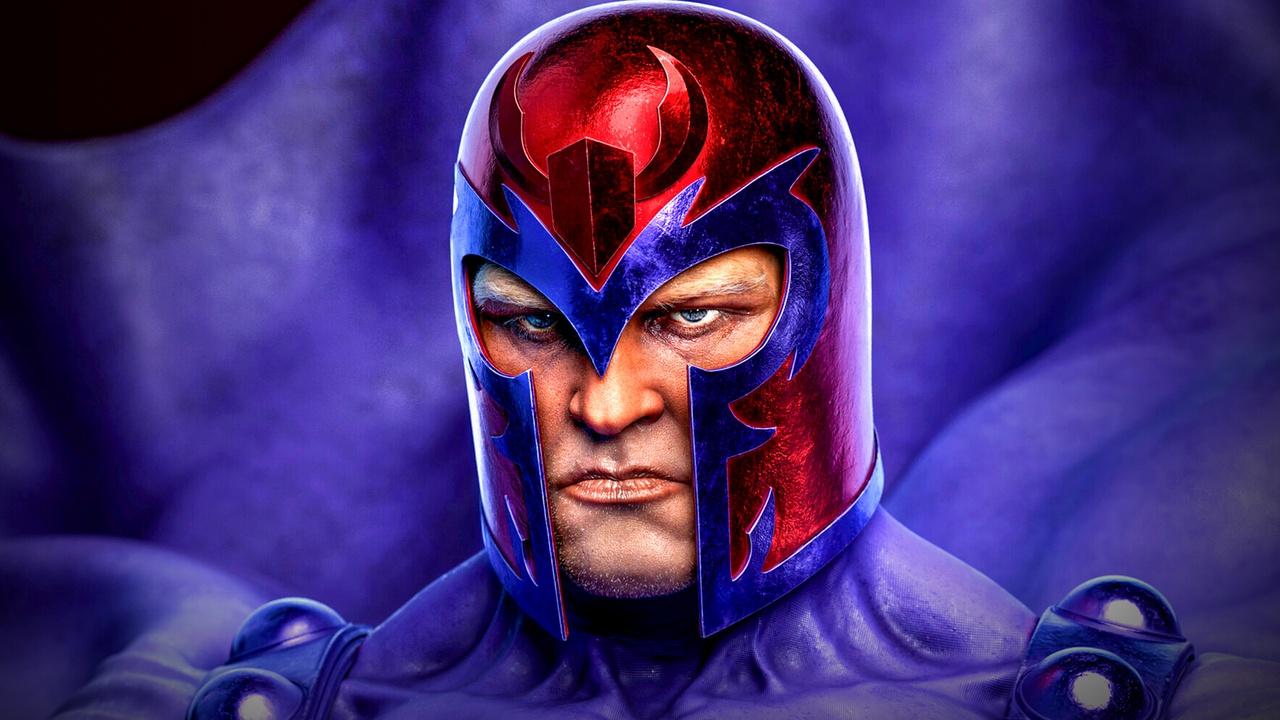
As a longtime comic book fan, I’ve always felt Magneto’s backstory is one of the best in superhero lore. But honestly, the more time passes, the harder it’s going to be for Marvel to do it justice in their upcoming X-Men reboot. It’s a really significant challenge they’re facing, trying to bring that complex origin to the screen now.
While Marvel Studios is learning from Fox’s past and won’t immediately overuse Magneto, they aren’t ruling him out for future appearances, especially in the first X-Men movie.
Recent events in the Marvel Cinematic Universe, specifically the scenes after the credits of Thunderbolts and the beginning of Avengers: Doomsday, are set in 2028. This means that if Magneto were to appear now, after the events of Secret Wars, he would be almost 100 years old, making it difficult to find a believable actor for the role.
Marvel Studios is working on a way to preserve the core of Magneto’s backstory. To help the writer of the new X-Men movie, Michael Lesslie, with this challenge, here are four possible solutions to the problem surrounding Magneto’s origins.
1.) Magneto Gets a New Superpower
Characters like Wolverine and Deadpool are known for aging slowly because they can heal quickly. However, Magneto hasn’t had that ability; the actors who’ve played him, Michael Fassbender and Ian McKellen, clearly show his character aging over four decades.
As a huge fan, I’ve been thinking about how Marvel could handle Magneto’s age in future movies. It would be amazing to see an actor in their 40s or 50s play him for years to come, even though the character is over a century old! Maybe they could explain it with his powers – perhaps he subtly uses them to slow his own aging process. That way, we could have a consistent actor portraying him throughout the next big phase of the MCU.
2.) The MCU’s Fantastic Four Approach
Marvel’s Fantastic Four were first shown in the Marvel Cinematic Universe through a special, retro-style alternate reality, with their story starting in the 1960s. It’s expected that they will eventually be brought forward in time to join the main MCU timeline, beginning with events after Avengers: Doomsday.
Magneto might face a similar situation, perhaps being brought forward in time by a powerful event to join the newer generation of mutants.
3.) Tweaking the Magnetic Man’s Origin
Magneto’s experiences during the Holocaust are central to his character, shaping his deeply cynical view of humanity. Marvel Studios could preserve this core aspect of his story by reimagining his origins to involve a different, more modern genocide, still making him a victim of terrible persecution.
A frequently cited example is the 1994 Rwandan genocide, in which over 500,000 Tutsi people were systematically killed by Hutus in roughly 100 days. While less extensive and shorter in duration than the Holocaust, depicting this event could achieve similar narrative effects and character arcs.
4.) World War II Shifts After Secret Wars
After the events of Avengers: Secret Wars, the Marvel Cinematic Universe (MCU) will essentially reset, but not completely. The timeline will be mostly familiar, with a few changes. These changes will allow mutants and the X-Men to enter the main MCU universe (Earth-616), and could also bring back heroes who have died and even change things that happened in the past.
World War II historically took place from 1939 to 1945, and the Holocaust began in 1941. Though it’s unlikely, Marvel Studios could creatively adjust the timeline to move these events later into the 20th century. This would allow the character Magneto to be significantly younger in present-day storylines.
Read More
- What Song Is In The New Supergirl Trailer (& What It Means For The DC Movie)
- Why is Tech Jacket gender-swapped in Invincible season 4 and who voices her?
- The Super Mario Galaxy Movie: 50 Easter Eggs, References & Major Cameos Explained
- Sydney Sweeney’s The Housemaid 2 Sets Streaming Release Date
- Highly Anticipated Strategy RPG Finally Sets Release Date (And It’s Soon)
- Dune 3 Gets the Huge Update Fans Have Been Waiting For
- TV legend Carol Kirkwood reveals the reasons why she decided to retire after 28 years with BBC
- Crypto Chaos: 6 Events This Week That Could Send Bitcoin and XRP into a Tailspin!
- Palworld! More Than Just Pals ‘Special Video’, characters detailed
- We Need More Open World Games to Feature This Genre
2025-12-25 04:05