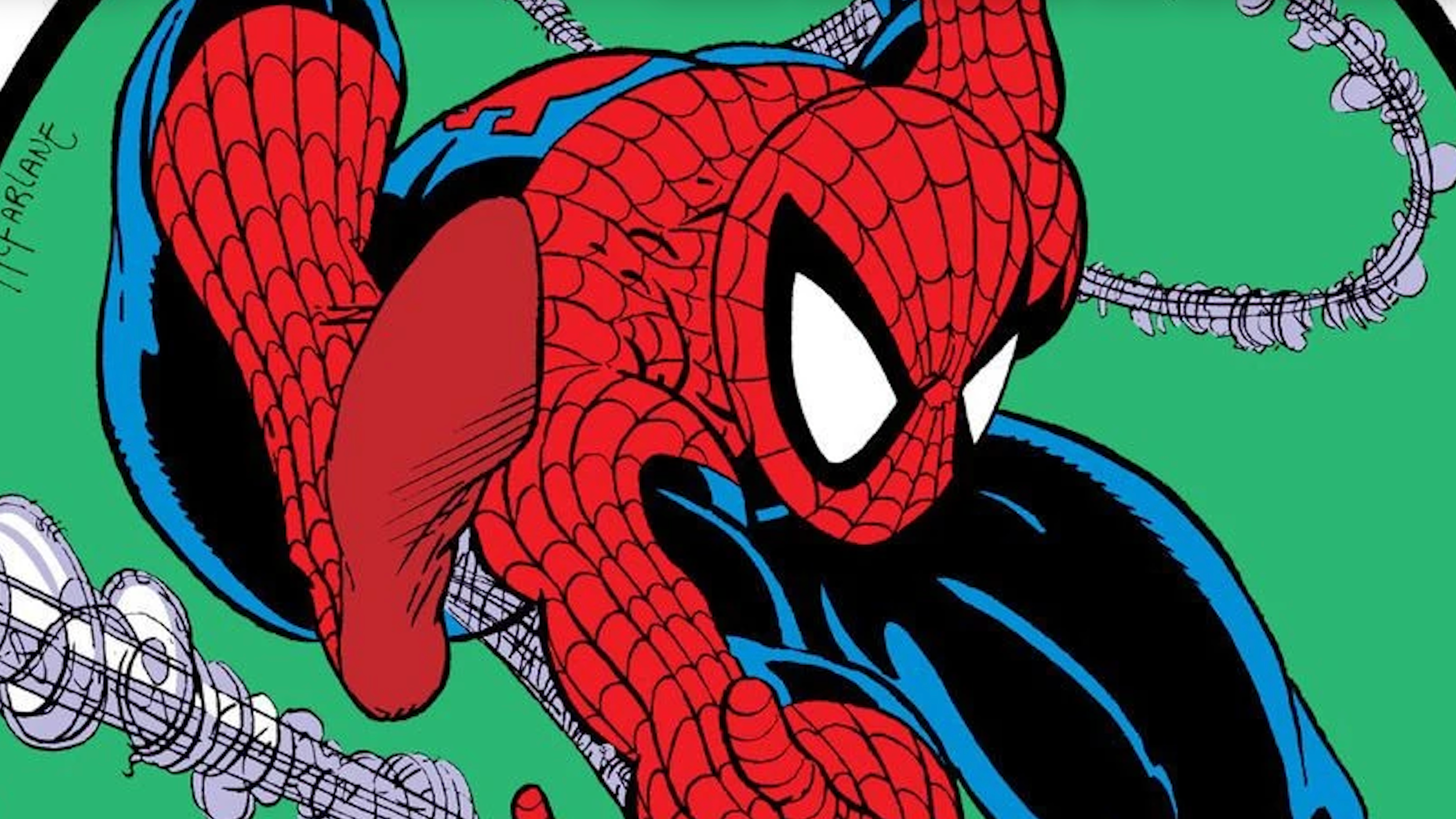
For a long time, Spider-Man has been Marvel’s most important character. While heroes like the Fantastic Four and the Avengers helped Marvel become popular in its early days, Spider-Man was the key to reaching a wider audience. Though Captain America, Thor, Hulk, and Iron Man were all great, readers connected with Spider-Man on a personal level, and that made a huge impact. He’s remained a top character ever since. The Amazing Spider-Man is still Marvel’s leading comic, and the entire Marvel Universe often revolves around him. He’s central to everything, which can be both beneficial and challenging.
It’s often challenging to be a Spider-Man fan due to Marvel’s close control over the character, which has sometimes led to questionable decisions. A particularly low point was the ‘One More Day’ storyline. Marvel editors believed an older, married Peter Parker didn’t align with the character’s original vision and restricted creative possibilities. Since then, they’ve consistently made Peter younger, and this focus on youthfulness has created issues for the broader Marvel Universe and its characters.
Spider-Man’s Youth Messes It Up for Everyone Else
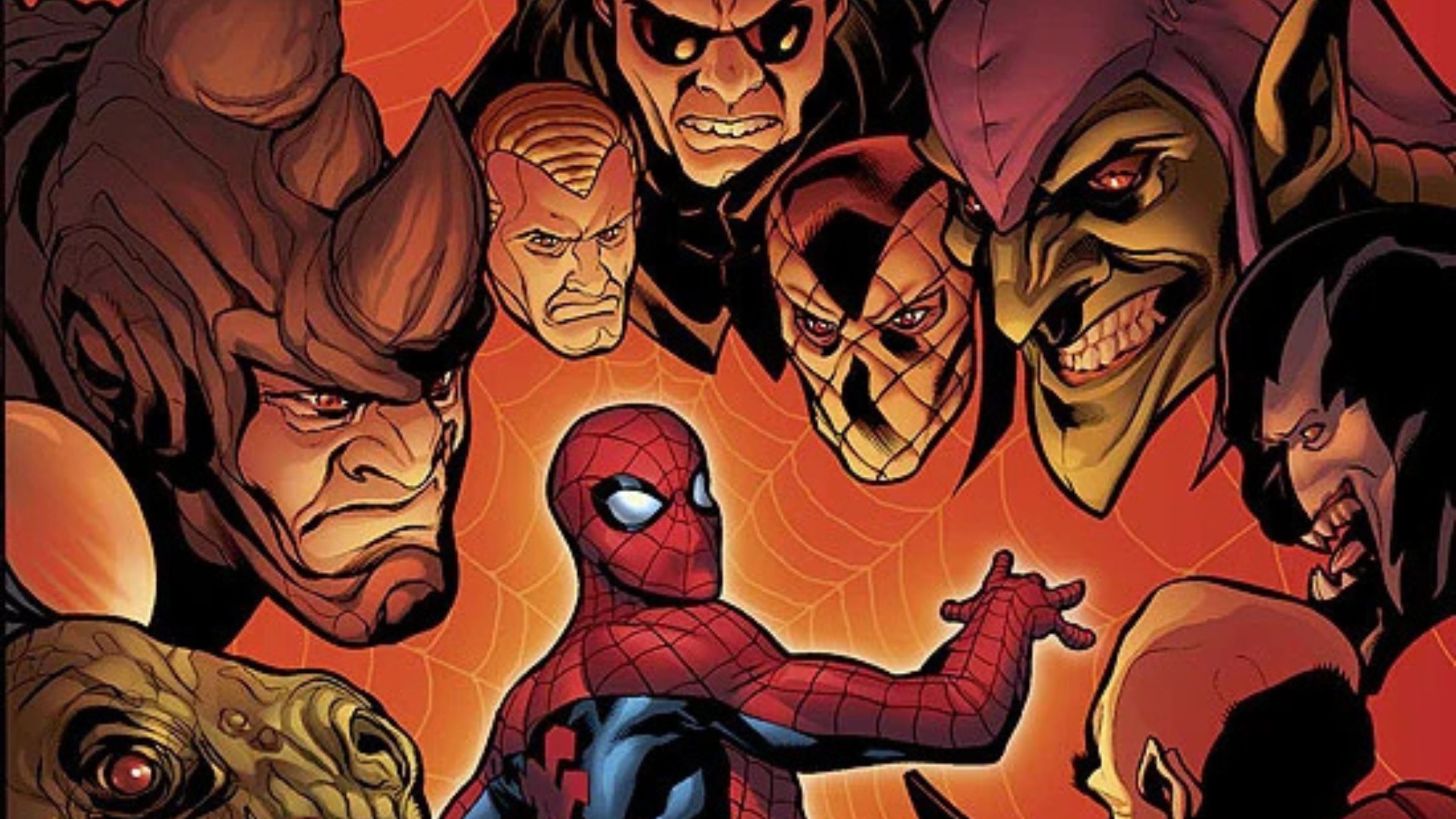
To really understand the timeline in Marvel Comics, things get complicated. Marvel has consistently updated its universe to feel current, making it difficult to pinpoint exactly how much time has passed on Earth-616. Despite this, we have some established facts. Spider-Man debuted as a 15-year-old around the same time as the first appearances of the Fantastic Four, Iron Man, Thor, Hulk, Ant-Man, and the Wasp.
Things get complicated when figuring out the timeline in Marvel comics. Some fans and experts previously believed that ten years pass within the comic universe for every ten years in real life. Considering that about thirty real-world years have passed since the 90s, this would mean the comic timeline should be three times further ahead. However, Marvel editor Tom Brevoort recently stated that Peter Parker is still 25 years old, which creates a significant problem. This isn’t just about Peter’s age and stories, but also affects the ages of other characters – a good example is Cyclops.
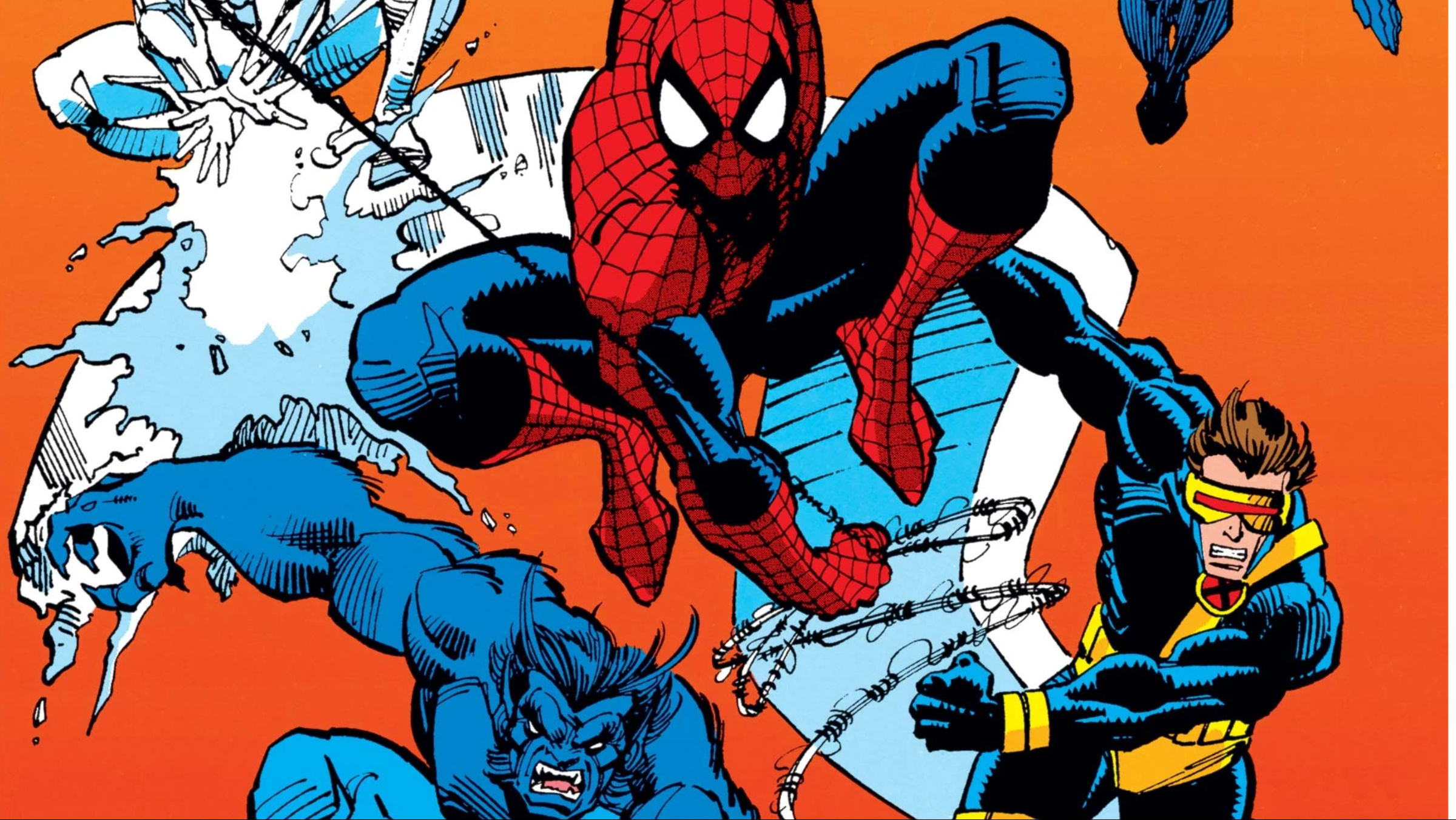
Cyclops is a well-known Marvel character, and it’s been part of his story for a long time that he and Spider-Man are the same age. They both became heroes at 15 and have been fighting villains ever since. Considering this, it doesn’t make sense that Cyclops is still portrayed as being in his 20s. He’s likely around 40 years old, if not older. While the trauma he’s experienced could certainly age someone, it’s reasonable to say Scott Summers is at least 30. The same applies to Spider-Man; he shouldn’t be in his 20s either.
A great part of enjoying Spider-Man comics has been seeing the character grow and mature, even if it’s been a slow process. However, Marvel now seems determined to keep Spider-Man perpetually young, and this is actually harming the character just as much as any villain. We know when Spider-Man first became a hero and how old he’s supposed to be, so it feels wrong that the comics still portray only about ten years having passed, especially decades after that timeframe was originally established. This insistence on keeping Spidey young is also negatively impacting the other characters in the stories.
Letting Spider-Man Grow Up Means Letting the Marvel Universe Grow-Up
There used to be a good reason for Marvel to portray Spider-Man as a young character. Most comic book readers were young themselves, and keeping Spider-Man relatable helped attract new ones. But that’s changed. Young readers don’t only want stories about people their age, and they aren’t buying comics as much anymore. The people who are buying Spider-Man comics – the ones that cost five dollars each and are bought from specialty stores – are mostly adults. So, keeping Spider-Man perpetually young to appeal to them doesn’t really fit. And movie fans, who aren’t significant comic book buyers, aren’t part of the equation.
Look, as a movie critic, I’ve seen plenty of continuity errors, but this Spider-Man situation is genuinely baffling. It’s not just about one character; it’s creating a ripple effect across the entire Marvel Universe. The filmmakers seem to be actively holding back the natural aging process of other heroes just to maintain the illusion that Spider-Man is still a relatively young 25-year-old. Think about it: Cyclops is supposed to be around Peter Parker’s age, but he looks decades older, and they can’t address that! It raises so many questions about other teen heroes from the past – what age are the New Mutants or New Warriors now? Kitty Pryde was 13 when she joined the X-Men – is she suddenly only 18? And honestly, it opens up a whole can of worms regarding some of her past relationships. There are plenty of things to critique about Marvel’s handling of Spider-Man, but this particular decision feels like it’s damaging the overall consistency of the entire Marvel Universe.
https://comicbook.com/comics/list/10-longest-running-marvel-comics-series/embed/#
Read More
- What Song Is In The New Supergirl Trailer (& What It Means For The DC Movie)
- Why is Tech Jacket gender-swapped in Invincible season 4 and who voices her?
- Highly Anticipated Strategy RPG Finally Sets Release Date (And It’s Soon)
- TV legend Carol Kirkwood reveals the reasons why she decided to retire after 28 years with BBC
- Starfield PS5 Won’t Play Off Physical Disc without a Download
- The Super Mario Galaxy Movie: 50 Easter Eggs, References & Major Cameos Explained
- Crimson Desert – 15 Things I Wish I Knew Before Diving In
- Welcome to Demon School! Iruma-kun season 4 release schedule: When are new episodes on Crunchyroll?
- New Pokemon Go Event Gives Players A Shot At 11 Rare Shiny Pokemon (With Boosted Odds)
- NFL Heiress Gracie Hunt Engaged to Former Chiefs QB’s Son Derek Green
2026-04-06 21:11