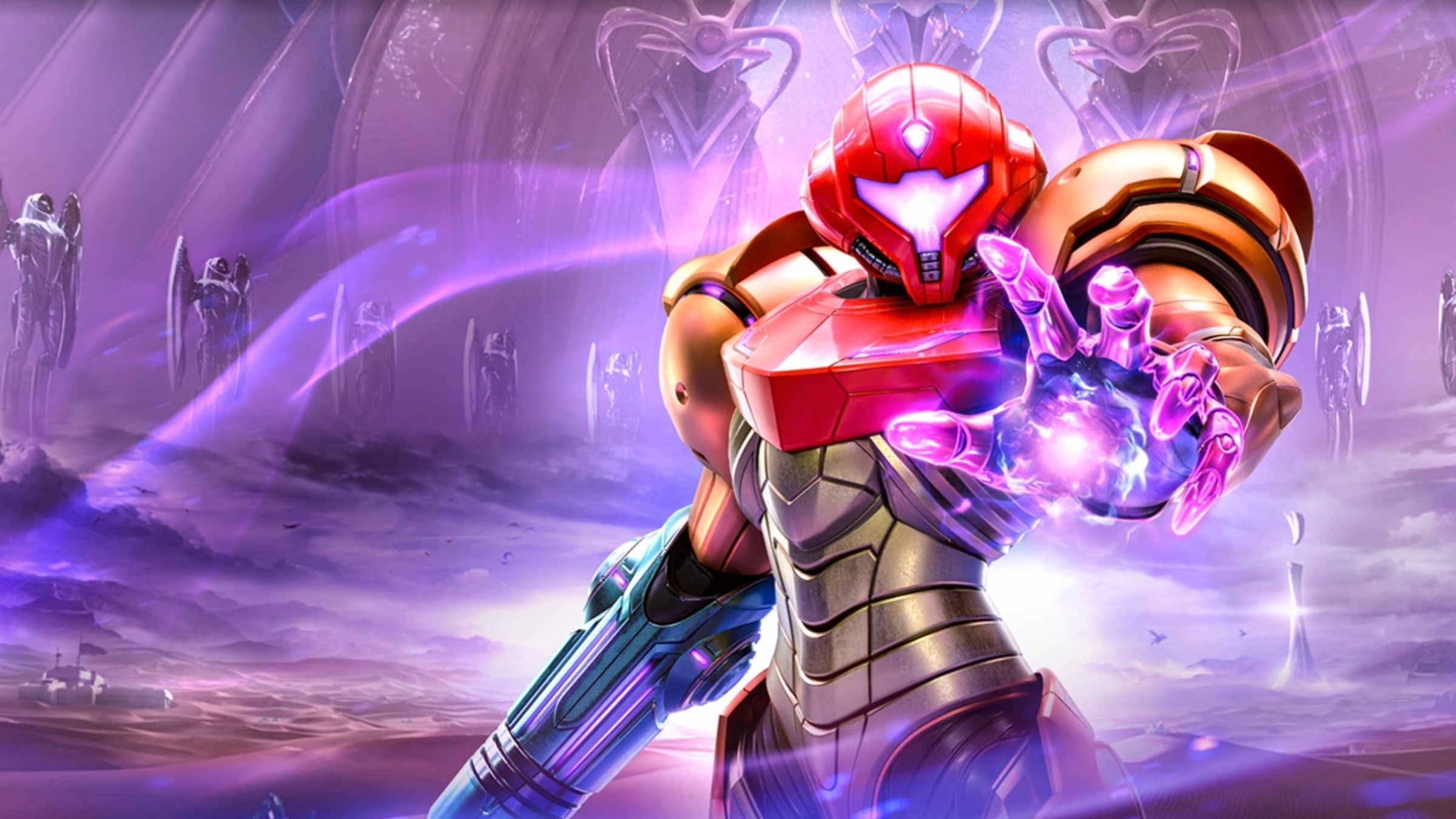
The Metroid series is unique within Nintendo’s games, known for its dark, immersive atmosphere and a sense of lonely science fiction that few other games achieve. However, with so many games released over the years, and each one often trying something new, it can be confusing to figure out the order of events. Despite being a series that cares about its history, the timeline isn’t always presented clearly. Like The Legend of Zelda, the story of Metroid isn’t always told in a straightforward, chronological way.
Trying to create a definitive timeline for Nintendo games like Zelda, Mario, or Donkey Kong can be frustrating, because Nintendo often changes established storylines. The Metroid series is the same way. Games aren’t always released in the order they happened, older stories are sometimes rewritten, and details can be reinterpreted over time. With Metroid Prime 4 coming out soon, fans are once again trying to sort out the important games and how everything connects.
The Metroid Timeline, Explained
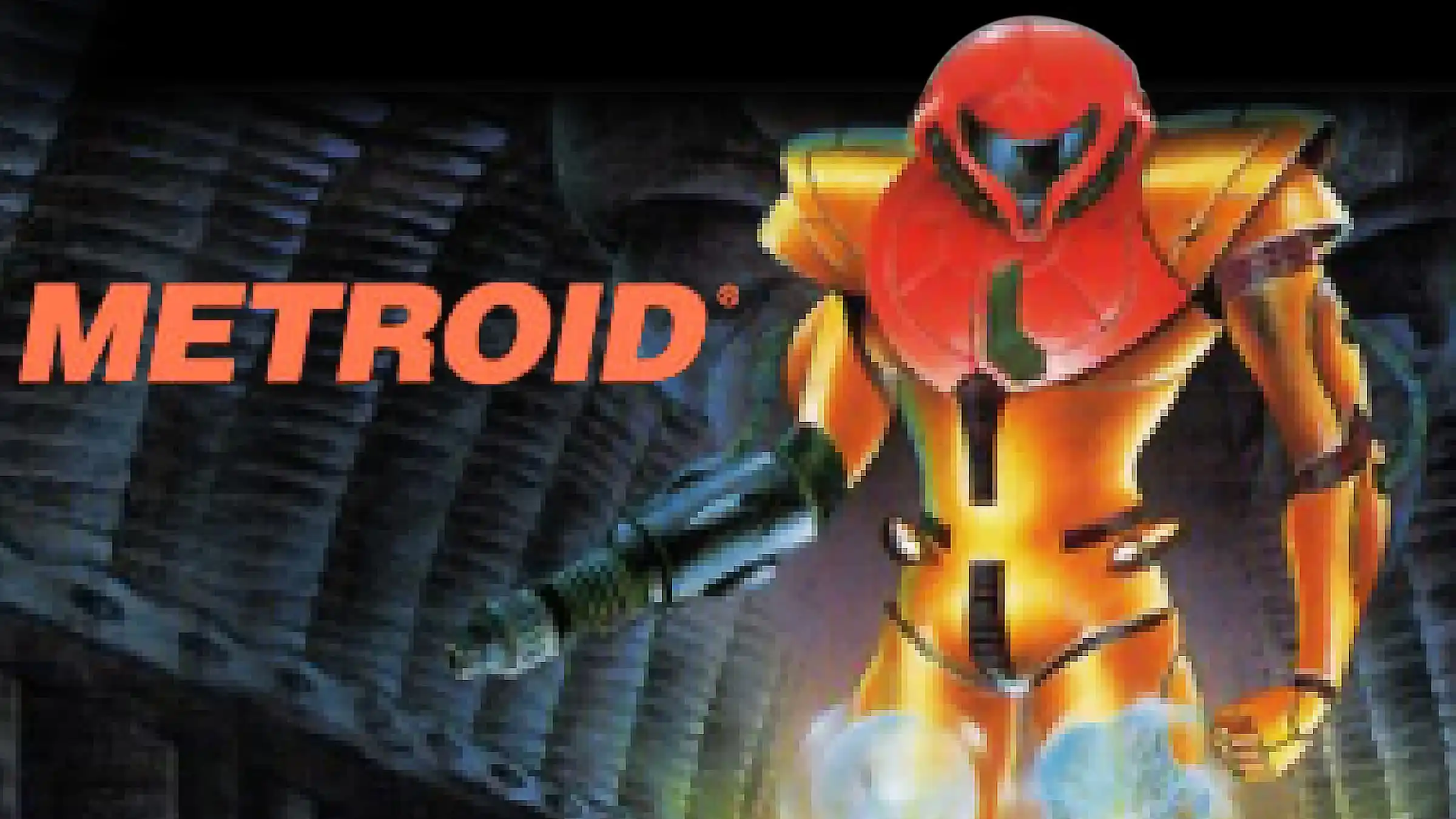
Figuring out the order of events in the Metroid series is similar to piecing together an archaeological dig. The story details are available, but they’re spread out across many years of games, instruction books, and what the game creators have said. Generally, the timeline splits into two main parts: the original 2D games and the Prime series, which takes place during a specific period within the overall story.
- Metroid / Metroid: Zero Mission
- Metroid Prime
- Metroid Prime 2: Echoes
- Metroid Prime 3: Corruption
- Metroid II: Return of Samus / Samus Returns
- Super Metroid
- Metroid: Other M
- Metroid Fusion
- Metroid Dread
What makes the Metroid timeline tricky is that the Prime games fall between Zero Mission and Metroid II, acting as a story connection during Samus’s early adventures. While the 2D games generally follow a clear order, remakes like Zero Mission and Samus Returns add complexity by changing and adding to the original stories.
Nintendo often revisits its older games and adds new details, rather than keeping them strictly as they were originally released. For instance, Samus Returns introduced new backstory about the Chozo warriors that wasn’t present in the original Metroid II, and Metroid Dread built on those changes even more. This creates a timeline that mostly makes sense, but is constantly being tweaked and reshaped with each new game.
Does the Metroid Timeline Really Matter?

Knowing the order of the Metroid games really enhances your appreciation for the story. Understanding Samus Aran’s development, the origins of the Metroids, and the history of groups like the Galactic Federation and the Chozo adds a lot of depth. For example, Super Metroid is more impactful if you’ve seen Samus’s first battles with the Metroids. Metroid Fusion’s story feels heavier when you know about her past and the Federation’s problematic choices. And Metroid Dread offers significant revelations that connect directly to events in Metroid II.
The Metroid series has always focused on creating a sense of loneliness, encouraging players to explore, and building a strong atmosphere, rather than having a complicated, detailed storyline. You can generally pick up any Metroid game and quickly understand what’s happening: Samus is on her own, the world is dangerous, and the story reveals itself through playing the game, not through long cutscenes or explanations. Nintendo intentionally makes each game mostly independent, which is why the series’ timeline isn’t always strict and sometimes changes.
Fans who love the detailed backstory will have a great time uncovering everything, but you don’t need to be an expert on the Chozo or know Samus’s whole life story to enjoy the Metroid games. The series stays fun and approachable because Nintendo doesn’t make you memorize events in order.
Games To Play Before Metroid Prime 4
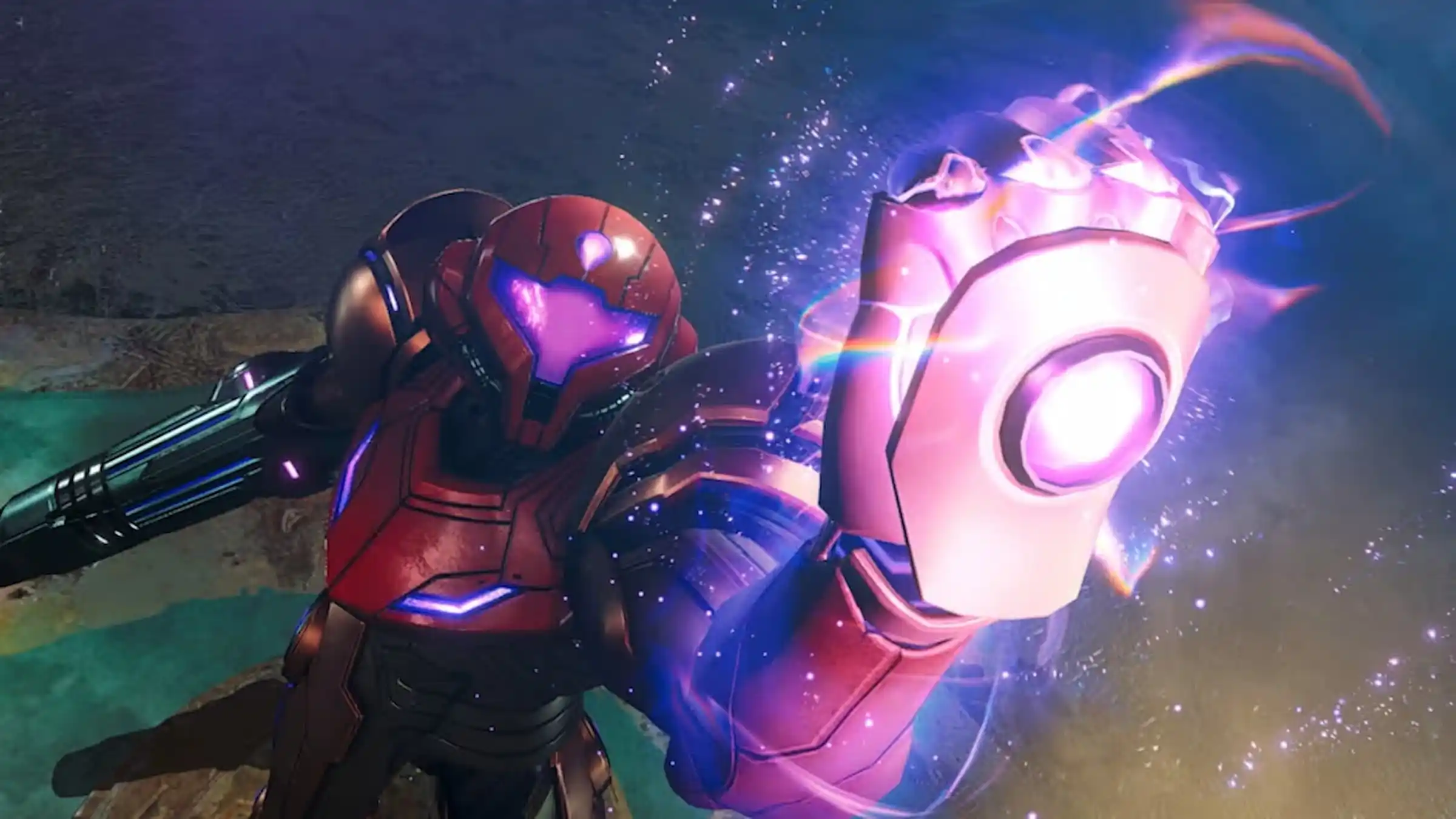
With Metroid Prime 4 launching on December 4th, both new players and longtime fans might be wondering if they need to catch up on older games. The good news is you can jump right into Metroid Prime 4 without playing any of the previous titles! However, if you’re familiar with the series, you’ll likely get even more out of the experience.
It’s highly recommended to play all three Metroid Prime games before Metroid Prime 4 because they’re all connected. Currently, Metroid Prime Remastered is the easiest one to get, and playing them – particularly Prime 3 – will give you the best understanding of the story leading into the new game. You don’t need to play any other games in the series to prepare.
If you want background on the story of Metroid, playing the original Metroid or its remake, Zero Mission, is a good place to start. These games explain the Space Pirates, Mother Brain, and the Galactic Federation. Super Metroid and Metroid Fusion offer deeper insight into Samus’s character and why she does what she does. Dedicated Metroid fans, or anyone wanting a more complete experience, should play these before Metroid Prime 4.
Okay, so the Metroid timeline is… complicated, to say the least! It’s not exactly a straight line, and Nintendo has definitely changed things up over the years. Honestly, I don’t think they wanted a super strict order. It feels like the story just kind of… evolved naturally with each new game, building on what came before in a way that made sense for that particular story. Going into Metroid Prime 4, it’s cool to know the history, but you won’t be totally lost if you haven’t memorized every little detail. What’s always made Metroid special for me is the feeling of being alone, exploring, and uncovering secrets. That part hasn’t changed, and it’s awesome no matter what order you play the games in.
What do you think? Leave a comment below and join the conversation now in the ComicBook Forum!
Read More
- What Song Is In The New Supergirl Trailer (& What It Means For The DC Movie)
- Highly Anticipated Strategy RPG Finally Sets Release Date (And It’s Soon)
- TV legend Carol Kirkwood reveals the reasons why she decided to retire after 28 years with BBC
- The Super Mario Galaxy Movie: 50 Easter Eggs, References & Major Cameos Explained
- Welcome to Demon School! Iruma-kun season 4 release schedule: When are new episodes on Crunchyroll?
- Dune 3 Gets the Huge Update Fans Have Been Waiting For
- Why is Tech Jacket gender-swapped in Invincible season 4 and who voices her?
- Sydney Sweeney’s The Housemaid 2 Sets Streaming Release Date
- MOUSE: P.I. For Hire Loops in Caravan Palace for A Catchy New Track Ahead of April 16 Release
- PEAK ‘PLAY IT YOUR WAY’ update now available
2025-11-23 18:12