Microsoft continues to not “get it,” but hey, at least it’s trying. Sorta.
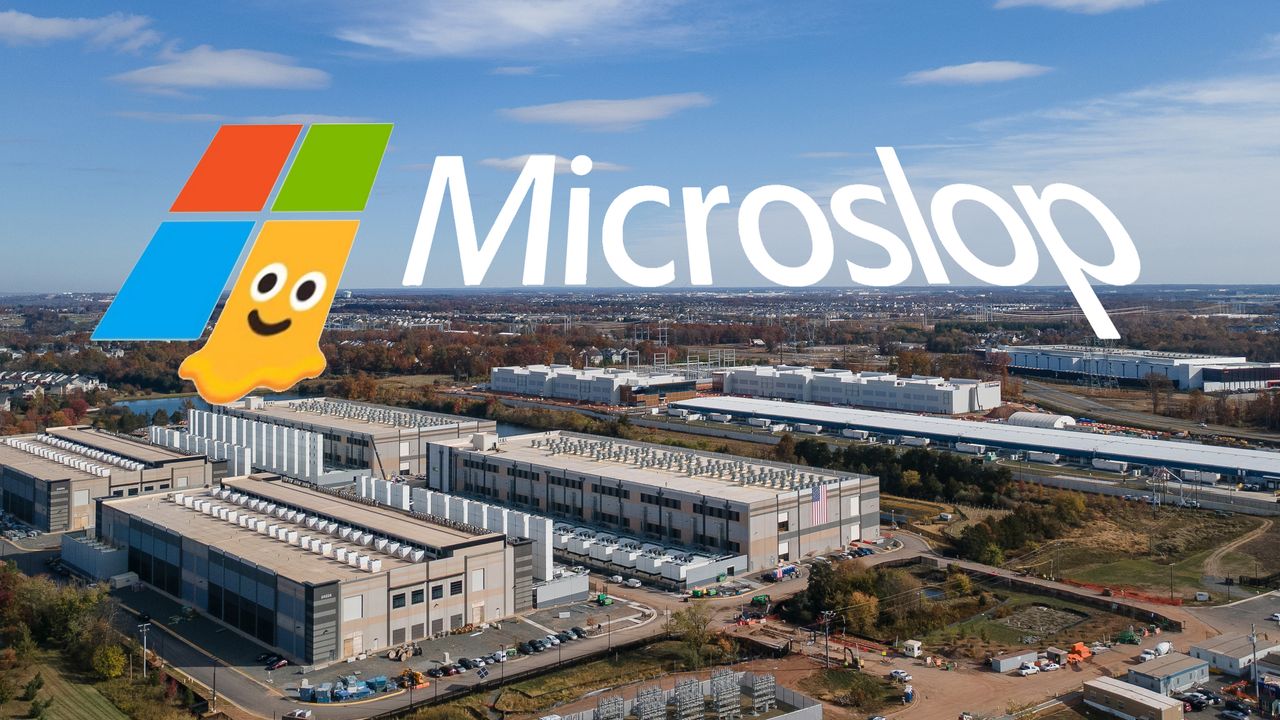
Microsoft is facing a major shift in computing with the rise of artificial intelligence, and it’s struggling to adapt. AI poses significant risks, including job losses, rising costs, environmental concerns, and the spread of misinformation and harmful deepfakes. This isn’t the positive outcome Microsoft likely expected, and the company is now being criticized for its clumsy approach to this new technology, with some calling it “Microslop.”
Yet, of course, that certainly doesn’t mean it’s going to slow down.
Excitement around artificial intelligence is causing stock prices for related companies to soar. Microsoft initially benefited greatly from this trend, becoming the second most valuable company. However, Google has quickly gained ground, pushing Microsoft down to fourth place. Currently, Google’s Gemini and its complete control over the technology suggest it’s leading the way in AI. This shift appears to be partly due to Microsoft’s focus on immediate profits and investor trends, rather than long-term strategy and product quality.
Regardless of how things play out, Microsoft is likely to be the underlying technology for companies truly pushing boundaries, thanks to its significant investments in Azure’s infrastructure. However, this focus on infrastructure is also creating some new challenges.
Microsoft has to keep investing heavily in its Azure data centers if it wants to remain relevant in a future increasingly shaped by artificial intelligence. With Google leading in AI on mobile devices, and ChatGPT’s popularity waning, it appears Microsoft’s primary contribution may be providing the underlying data center infrastructure.
More and more communities are discovering the downsides of having a Microsoft data center nearby.
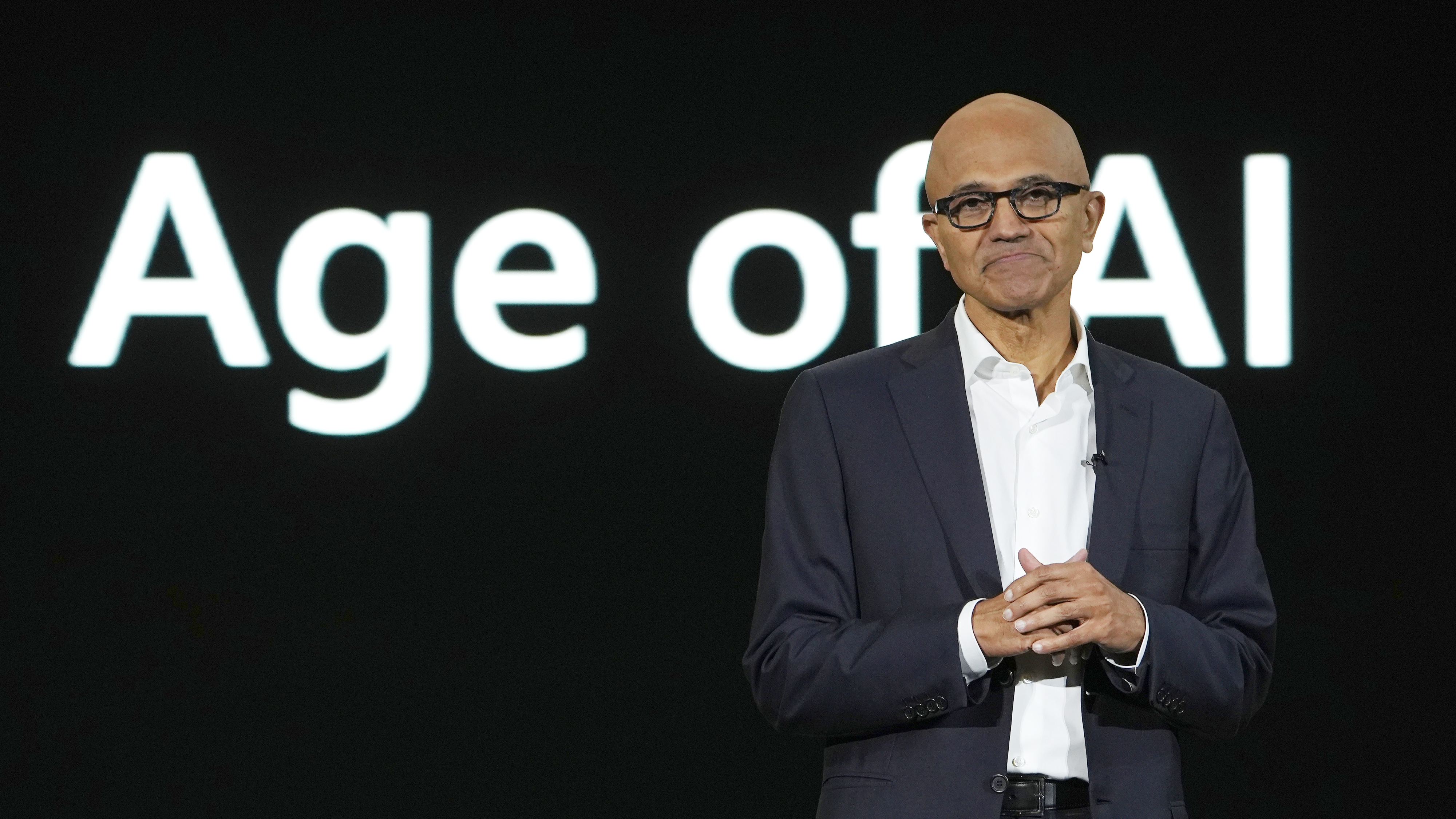
Microsoft’s data centers use a massive amount of electricity and water, primarily for cooling. People living near these facilities often experience higher electricity bills, reduced water availability, rising housing costs due to gentrification, and increased pollution. On top of this, Microsoft’s artificial intelligence is designed in a way that could lead to job losses for many people.
Microsoft President Brad Smith recently wrote a blog post outlining the company’s plans for building AI infrastructure that prioritizes communities. However, many people affected by Microsoft’s actions are skeptical. While it’s a gesture of effort – something many other companies aren’t doing – social media users don’t seem impressed, judging by the angry and mocking responses to Satya Nadella’s posts.
I was reading about Microsoft’s plans for building AI responsibly, and Smith explained it focuses on five main ideas. It’s all about putting the community first, apparently!
- “We’ll pay our way to ensure datacenters don’t increase your electricity prices.”
- “We’ll minimize our water use and replenish more of your water than we use.”
- “We’ll create jobs for your residents.”
- “We’ll add to the tax base that funds local hospitals, schools, parks, and libraries.”
- “We’ll strengthen your community by investing in local AI training and non-profits.”
While these promises sound good, it’s easy to be skeptical. Microsoft made similar commitments to carbon neutrality in the past, during a time when many companies were simply trying to appear environmentally friendly. They didn’t follow through on those promises, and their carbon footprint has actually increased as they’ve focused on profits and executive compensation – much of which is tied to company stock.
I’m skeptical of Brad Smith, but let’s assume he has good intentions for now.
As we approach America’s 250th anniversary of independence, I’ve been reflecting on the patterns in our nation’s history. Something I’m seeing again and again, and experiencing firsthand at Microsoft, is that major technological advancements consistently demand significant investment in infrastructure. AI is the newest example of this ongoing trend – just like previous innovations, it requires a large-scale build-out to support its growth.
It’s interesting that Brad Smith frames building out AI technology as a patriotic act, especially considering those pushing for it are starting to suggest they might need government financial backing if things go wrong. However, that’s getting off topic.
We’re growing our AI technology and want to be a responsible member of the communities where our data centers are located. Today, we’re announcing new ways we’ll work with local communities across the U.S. Learn more: https://t.co/xuAjAay3ou January 13, 2026
Today, Microsoft is announcing a new plan called Community-First AI Infrastructure. This means we’re committed to building and operating our data centers responsibly and in a way that benefits the local communities where they are located. We’ll be taking specific steps to be a good neighbor and contribute positively to those communities.
Smith keeps mentioning the potential benefits of AI – things like breakthroughs in medicine and lower prices – but these promises haven’t materialized yet, and in many cases, costs have actually gone up. Perhaps I’m just skeptical, but so far, there’s little evidence to support these claims.
We’re optimistic about the positive impact AI will have on the future of America. We expect it to boost the economy, improve healthcare, and make products more accessible. However, we also understand that, like any major technological change, AI will present new hurdles. As a tech company, Microsoft believes we have a special chance to drive these advancements and a strong obligation to tackle the challenges they create directly.
Smith is correct that Microsoft has a greater duty to act responsibly. However, like its track record on issues such as carbon emissions or customer protection, Microsoft hasn’t consistently demonstrated strong ethical behavior.
Microsoft — I want to believe you aren’t evil, but I kinda don’t
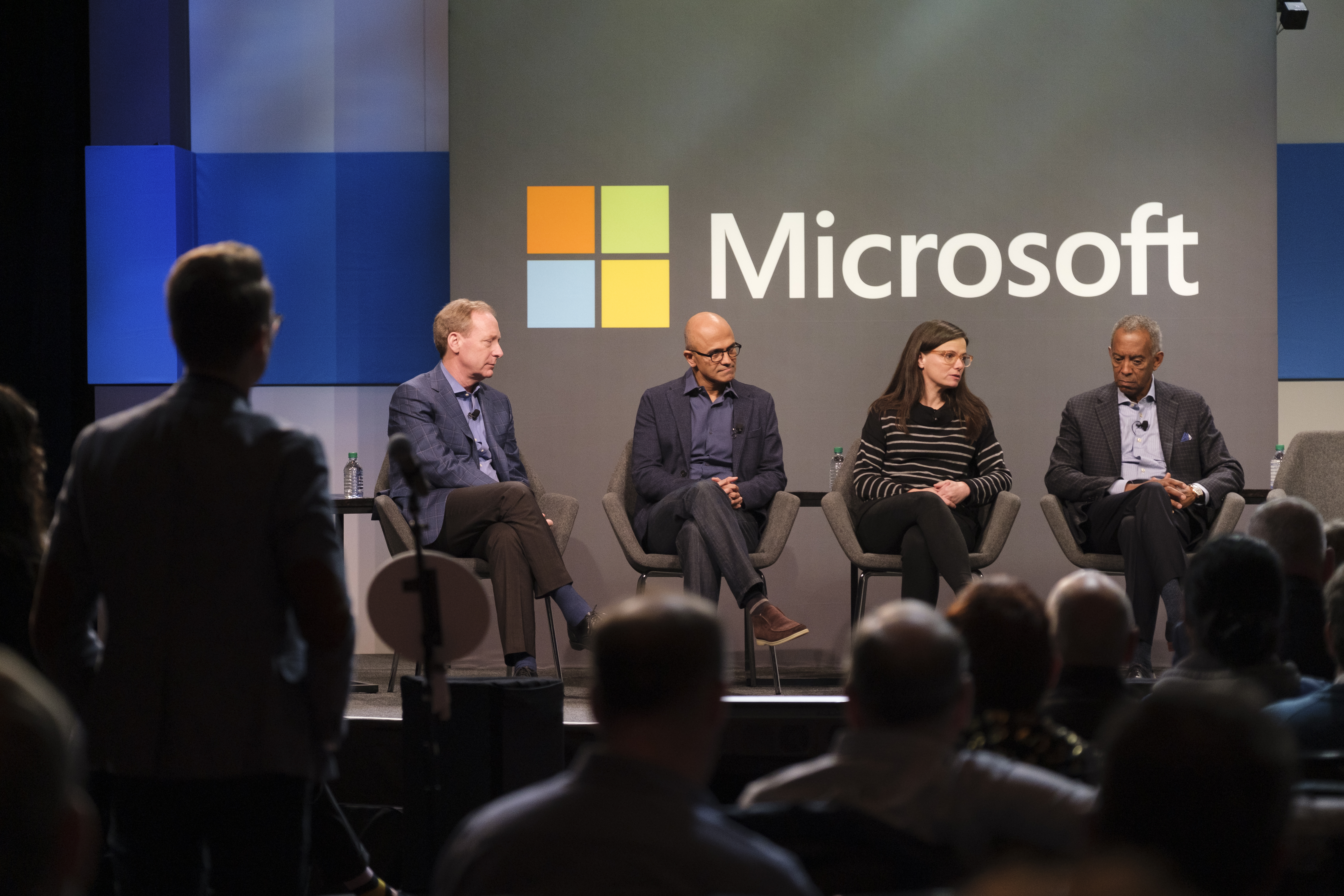
The blog post is quite long and goes into a lot of detail, so it’s worth reading to form your own opinion about whether the plan seems realistic. It includes several examples and explains what Microsoft is doing to reach its objectives. However, I’m finding it hard to avoid being skeptical.
Microsoft is aware that its technology could lead to widespread job losses, potentially affecting billions of people. They also understand it may worsen environmental disasters instead of helping to solve them. Microsoft’s focus jumps from one thing to another – from Windows and Xbox to Surface and the “Metaverse” – and these shifts are as unpredictable and unpleasant as a sudden sewage spill.
Microsoft doesn’t seem to realize how much negative attention it’s received recently, largely due to its approach to artificial intelligence. The actual benefits of this technology haven’t come close to the optimistic predictions made by leaders like Sam Altman and Satya Nadella. This lack of trust is well-deserved, to say the least.
Our planet and its resources are limited, and so is the population. While leaders like Brad Smith and Satya Nadella may believe they’re doing the right thing, their efforts to grow Microsoft actually seem harmful. Many of the positive things Microsoft previously achieved are being ignored in pursuit of a current trend that, so far, has only benefited Wall Street while negatively impacting workers, communities, and society as a whole.
Brad Smith, with all due respect, I’m skeptical of your five-point plan. I truly hope I’m wrong, because a lot could depend on it – and on others like me being wrong, too.
Honestly, looking at things now, with prices going up and a few people holding all the wealth, it feels like something’s really starting to simmer beneath the surface. And with tech giants having so much control – more than some countries, even – it’s like we’re ignoring a growing problem in our rush for progress. I’m just hoping all this chasing of growth and innovation actually pays off in the end.
Read More
- Pluribus Star Rhea Seehorn Weighs In On That First Kiss
- Gold Rate Forecast
- Kelly Osbourne Slams “Disgusting” Comments on Her Appearance
- Looks Like SEGA Is Reheating PS5, PS4 Fan Favourite Sonic Frontiers in Definitive Edition
- Arknights: Endfield – Everything You Need to Know Before You Jump In
- Guardians of the Globe Members We Want to See in Invincible Season 4
- Goat 2 Release Date Estimate, News & Updates
- Hideo Kojima Says He Was Never Told About The Matrix Creators Wanting Him to Make a Game
- ’90s Cartoon Reboot & TMNT Connection!
- Dune 3 Gets the Huge Update Fans Have Been Waiting For
2026-01-14 14:11