
Brandon Sanderson‘s Mistborn is a landmark fantasy novel of the 21st century, cleverly subverting a classic fantasy trope to surprise readers. The first book in a larger series set within Sanderson’s interconnected “Cosmere” universe, it follows Vin, Kelsier, and their team as they attempt to overthrow the Lord Ruler. While Sanderson creates a complex magic system with its own rules, a more familiar element—Kelsier’s death—delivered a significant plot twist.
Looking back, I really didn’t expect Kelsier to die, even though there were hints of it. Knowing Mistborn was the start of a trilogy, I assumed he’d be a major character for much longer—similar to how I felt about the Lord Ruler. However, his death follows a common story pattern: the mentor figure dies to push the hero forward and help them ultimately win. It’s a classic trope, really.
The idea of a mentor figure has existed in stories and myths for centuries, well before modern novels. It’s a key part of the hero’s journey, as described by Joseph Campbell in The Hero of a Thousand Faces. However, in modern fantasy, this trope largely originates with J.R.R. Tolkien’s The Lord of the Rings, and specifically, the character of Gandalf.
Kelsier In Mistborn Was A Different Kind Of Mentor Death
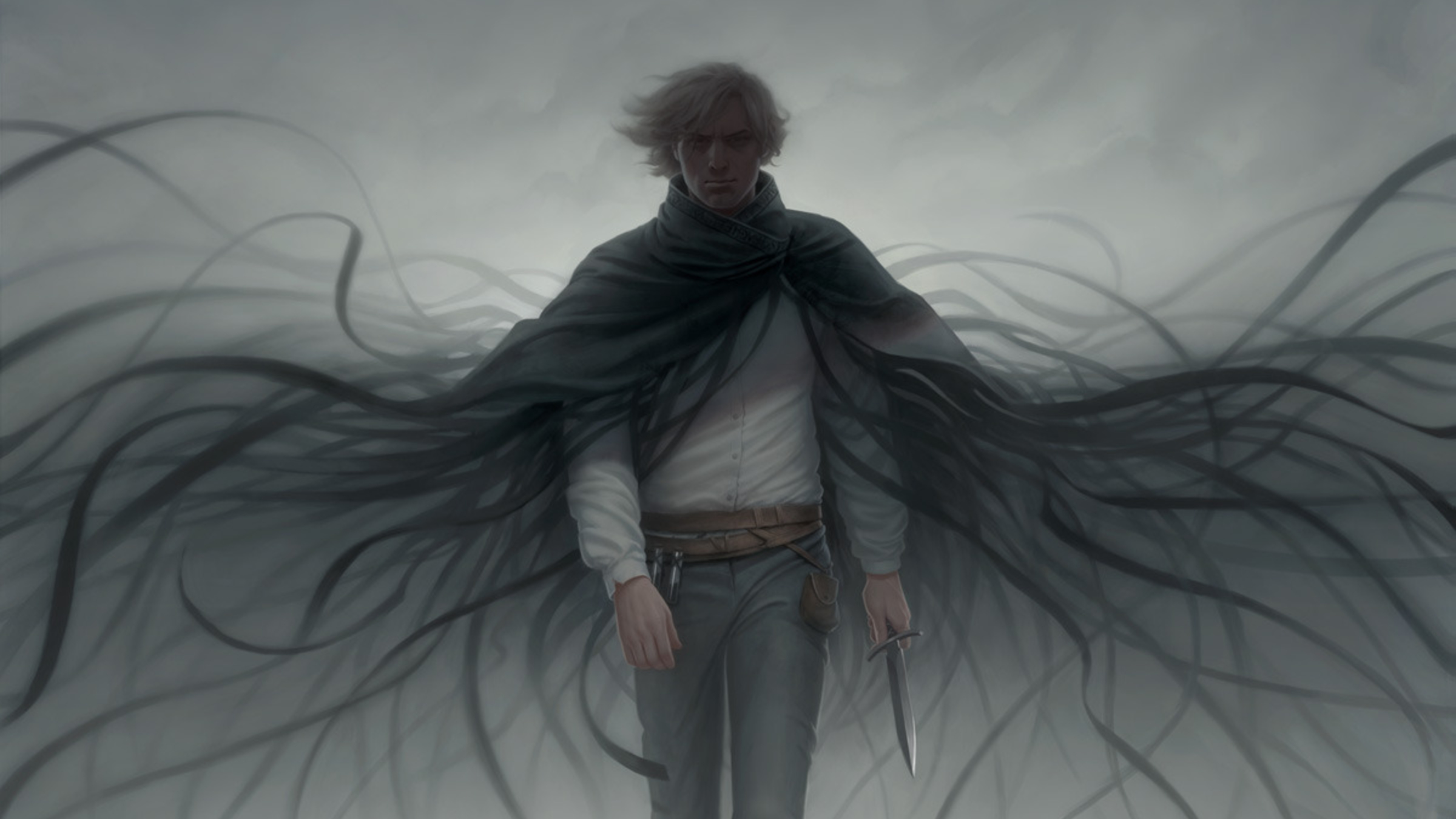
In many fantasy and science fiction stories, a powerful, often older, character appears to sacrifice themselves – like Gandalf in The Fellowship of the Ring, Obi-Wan Kenobi in Star Wars, and Albus Dumbledore in Harry Potter and the Half-Blood Prince. Even when these characters return, they’re different, and the initial sacrifice serves a crucial purpose. This pattern is so common that I initially missed the clues when it happened with the character Kelsier.
The novel Mistborn skillfully switches perspectives between Kelsier and Vin, making them feel like equal main characters. Although the story primarily follows Vin’s journey, the narrative suggests they’ll be partners for a long time. Notably, Kelsier isn’t as old as he might seem to Vin; at 38, he’s just starting to reach his full potential, as demonstrated by his victory over the Steel Inquisitor before his death.
Let me tell you, Kelsier’s death absolutely floored me. The way Brandon Sanderson presented him – his age, how he looked, even the fact that we were seeing the story through his eyes – all cleverly masked what was coming. It’s a huge moment in the series, and while taking down the Lord Ruler was a bigger deal for the world, Kelsier’s death hit me harder, emotionally. Looking back, it’s a stroke of genius. What’s truly wild is that Sanderson almost didn’t kill him off! He worried it was too predictable a trope, as he explained in his annotations for Mistborn:
Looking back, it was pretty predictable, and I was hesitant to go through with it because of that. It’s a common trope for the mentor character to die, and I almost avoided it just to be different. But ultimately, I decided a compelling story was more important than avoiding clichés. Sometimes you have to follow your instincts, even if it means revisiting familiar territory. I’m hoping I can still put my own unique spin on it.
Sanderson managed to execute his plan surprisingly well – it wasn’t at all what I anticipated, or maybe I just didn’t see it coming! Kelsier’s death was a masterstroke – brave, impactful, and while it was genuinely sad to lose such a captivating character (and his absence is definitely felt in the following book), it was absolutely the correct decision.
What do you think? Leave a comment below and join the conversation now in the ComicBook Forum!
Read More
- Dune 3 Gets the Huge Update Fans Have Been Waiting For
- Looks Like SEGA Is Reheating PS5, PS4 Fan Favourite Sonic Frontiers in Definitive Edition
- Gold Rate Forecast
- Pluribus Star Rhea Seehorn Weighs In On That First Kiss
- Kelly Osbourne Slams “Disgusting” Comments on Her Appearance
- 10 Steamiest Erotic Thriller Movies of the 21st Century
- Arknights: Endfield – Everything You Need to Know Before You Jump In
- Antiferromagnetic Oscillators: Unlocking Stable Spin Dynamics
- Action Comics #1096 is Fun Jumping-On Point for Superman Fans (Review)
- Tomodachi Life: Living the Dream ‘Welcome Version’ demo now available
2026-03-07 17:43