
Gaming history is full of memorable characters, and many of the most iconic come from platforming games. Think of Mario, Sonic, or the heroes from the Castlevania series. There’s something everyone enjoys about jumping over gaps, avoiding obstacles, and nailing a tricky jump – it’s a feeling that makes the genre so popular. Platformers, from their retro beginnings to today’s indie hits, have always focused on skillful movement, precise timing, and exploring new worlds. However, one long-standing tradition of the genre has faded away, and surprisingly, that’s a good thing.
It’s surprising how difficult old platforming games used to be! They required flawless gameplay, and even a small error could be severely punishing. Games like Super Mario Bros., Sonic the Hedgehog, and Donkey Kong Country constantly forced players to worry about running out of lives, which meant replaying large sections of the game. Thankfully, most new platformers have either removed lives altogether or made them unimportant. This change has been a positive one, allowing the genre to become faster, more balanced, and much more enjoyable.
When Running Out of Lives Meant Losing Everything
Ugh, I hate that feeling in old platformers when you’re down to your last life or two. Seriously, getting so close to beating a level or a boss, and then seeing that ‘Game Over’ screen? It was crushing! The worst part was having to start all the way back, replaying parts you’d already spent ages perfecting. It wasn’t just about being good at the game, it was about how long you could keep going without messing up. You had to nail those jumps and learn everything, and do it perfectly, all in one continuous run.
This system used to have a clear reason for existing. It originated in arcades, where losing meant adding another coin to keep playing. It was a holdover from that pay-to-continue style of gaming, designed to make games more challenging and encourage players to replay them. When people started playing on home consoles, this idea stuck around, not because it really fit anymore, but simply because it had become a tradition.
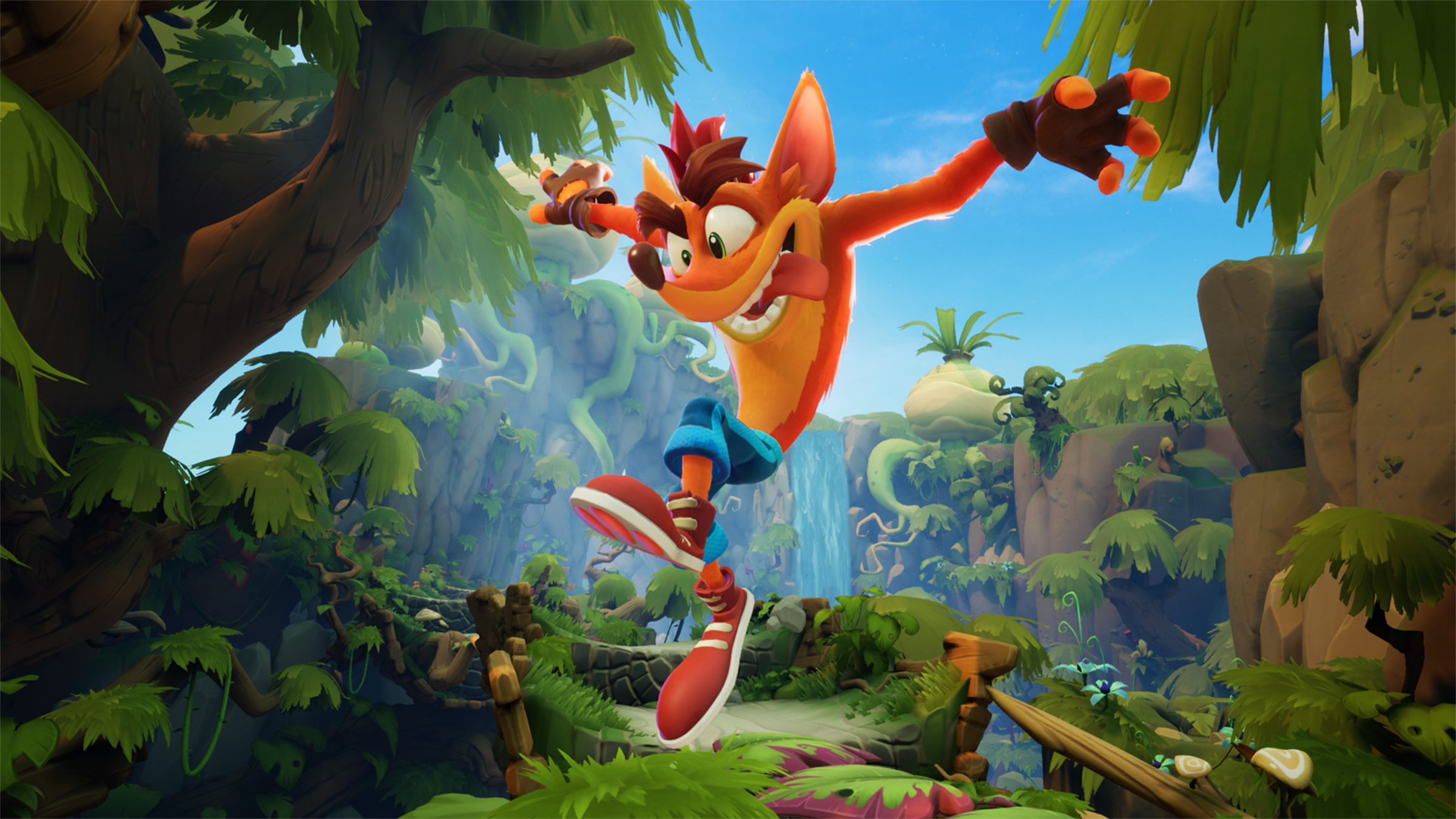
As games got bigger and more complicated, that old-school design started to feel really frustrating. Losing a ton of progress didn’t make me want to keep playing, it just made me want to stop! That’s when game design started to change. Take Crash Bandicoot, for example. It could be super tough, and honestly, it felt unfair sometimes. One wrong jump, one failed boulder run, and I’d lose a life. Hit zero lives and I had to start the whole level over. It was exciting at first, but it quickly started to feel like being punished for trying to make progress.
The End of the ‘Game Over’ Era

Game developers eventually realized that making players replay large sections of a game wasn’t creating exciting tension. Instead, platforming games began using fast respawns, checkpoints, and the ability to instantly retry levels. The goal wasn’t to make games easier, but to turn mistakes into learning opportunities instead of frustrating roadblocks. Games like Celeste, Super Meat Boy, and Ori and the Will of the Wisps are great examples of this approach. You’ll die frequently, but you’re quickly put back in the game to try again.
Unlike many games, there’s no limit to how many times you can try, no ‘Game Over’ screen, and no pauses that break the action. This creates a fast-paced experience where mistakes become learning opportunities, keeping you engaged and challenged without feeling penalized. I especially remember playing Celeste for the first time. Even though I failed repeatedly, I kept going, figuring out the best way to navigate each level and improve my skills. The lack of lives encouraged a sense of rhythm and timing, helping me discover the optimal path. Reaching the end wasn’t just a relief—it felt like a real accomplishment. The game motivated me to improve without ever making me feel discouraged.
Even Nintendo, historically committed to classic platforming design, has adapted to this trend. Games like Super Mario Odyssey are forgiving, only costing players a few coins when they fail. Donkey Kong Country: Tropical Freeze and Kirby and the Forgotten Land include frequent checkpoints, keeping the action flowing smoothly. And it’s effective. This change doesn’t make modern platformers easy; instead, removing the penalty of losing lives lets developers concentrate on creating truly challenging and skill-based gameplay.
Why Platformers Are Better Than Ever Without Lives
Taking away lives hasn’t just made platformer games easier to play; it’s actually led to better game design. Without the constant fear of having to start over, developers can create levels that truly test your skills without being frustrating. A challenging game like Hollow Knight would be exhausting with limited lives, but the current checkpoint system makes it enjoyable. You still encounter failure, but it motivates you to keep trying. Instead of feeling like a penalty, dying now feels like a learning experience and a step forward.
This change in game design has altered how players view failure. Instead of being a setback, each attempt—even a failed one—provides valuable information and helps players learn. This is why players who enjoy speedrunning and difficult challenges excel in newer platformers: the quick restart feature encourages constant practice and improvement. Traditional lives systems, however, break this learning process. They penalize players for trying again and again, even though repetition is essential for becoming skilled. I, for one, don’t want to go back to those older limitations. When I play classic games with limited lives, I feel more annoyed than sentimental.
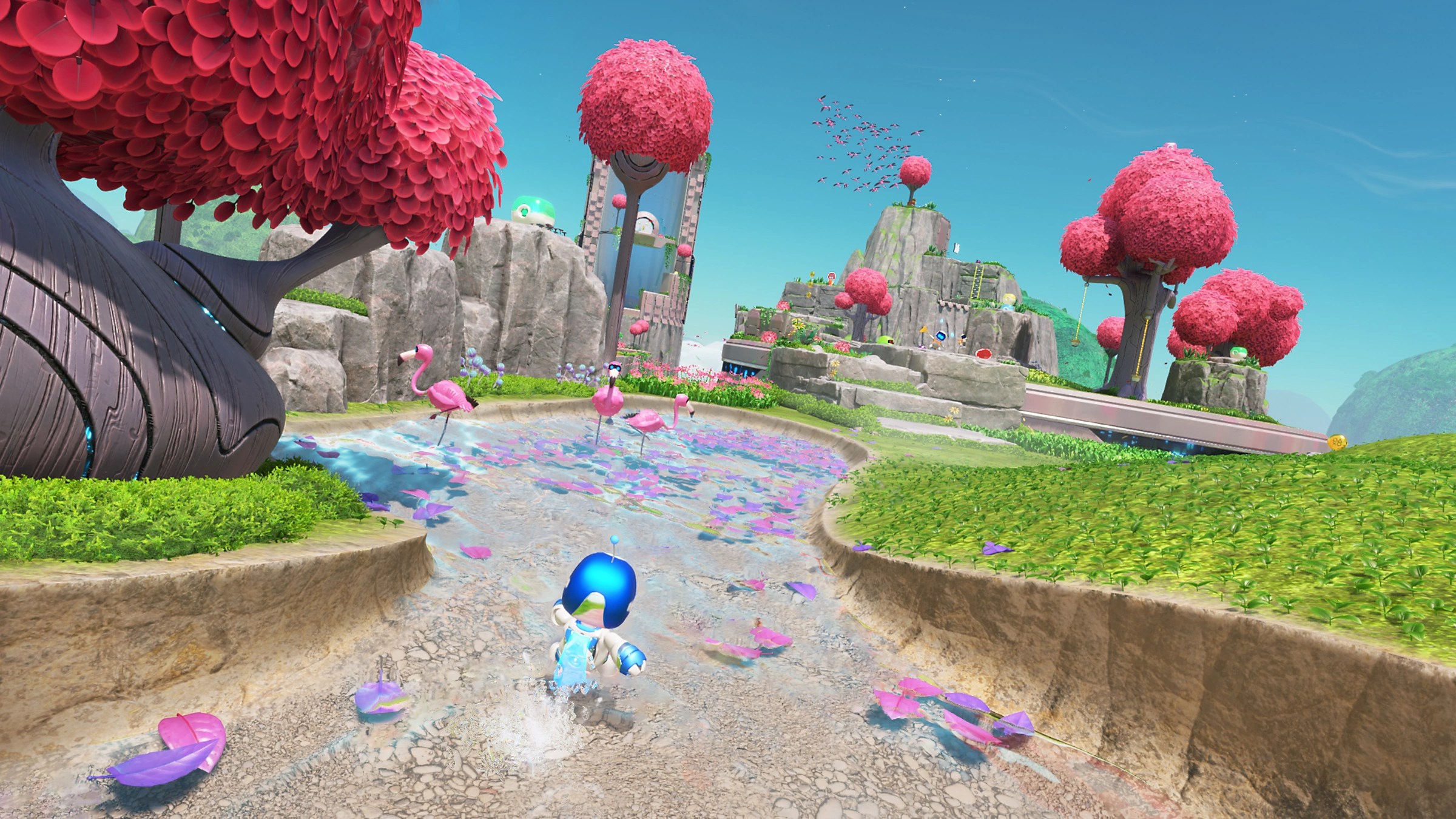
If there’s one game that truly demonstrates the Switch’s capabilities, it’s Astro Bot. The game is designed for pure fun, and it’s forgiving – you can quickly get back into the gameplay even if you make errors. However, Team Asobi also included challenging levels for experienced players, offering a single-life mode for those seeking a greater test of skill.
It’s natural for platformer games to be changing. Today’s gamers want a smooth experience and don’t like feeling unfairly penalized. Game developers know that to keep players interested, they need to value their time. This focus on quick restarts keeps the fun at the center of the game. As a result, platformers are now more responsive, polished, and enjoyable than ever before, and I’m excited to see what the future holds for the genre.
What do you think? Leave a comment below and join the conversation now in the ComicBook Forum!
Read More
- Gold Rate Forecast
- Hazbin Hotel Secretly Suggests Vox Helped Create One of the Most Infamous Cults in History
- Every Creepy Clown in American Horror Story Ranked
- 22 actors who were almost James Bond – and why they missed out on playing 007
- Jack Osbourne Shares Heartbreaking Tribute to Late Dad Ozzy Osbourne
- Blue Protocol Star Resonance: Goblin Lair Dungeon Guide
- As Dougal and friends turn 60, Radio Times explores the magic behind The Magic Roundabout
- Arknights: Endfield – Everything You Need to Know Before You Jump In
- Everything We Know About Gen V Season 3 (& Why It’ll Be a Very Different Show)
- Best X-Men Movies (September 2025)
2025-11-18 21:16