Finding or affording an NVIDIA graphics card could be very difficult in 2026, with potential shortages caused by high demand for AI and reports of reduced production. Despite this, NVIDIA is continuing development on the next generation of its DLSS technology.
NVIDIA recently unveiled DLSS 4.5 at CES 2026, bringing significant improvements to its AI-based upscaling technology for PC gaming.
A new and improved image upscaling model is now available for NVIDIA RTX GPUs. This second-generation model, called Transformer Super Resolution, delivers much sharper and clearer images. It’s more powerful than the original, requiring five times the processing power to achieve its superior results.
NVIDIA claims that using FP8 acceleration on their Ada and Blackwell GeForce cards keeps any performance difference minimal, roughly the same as with the original models.
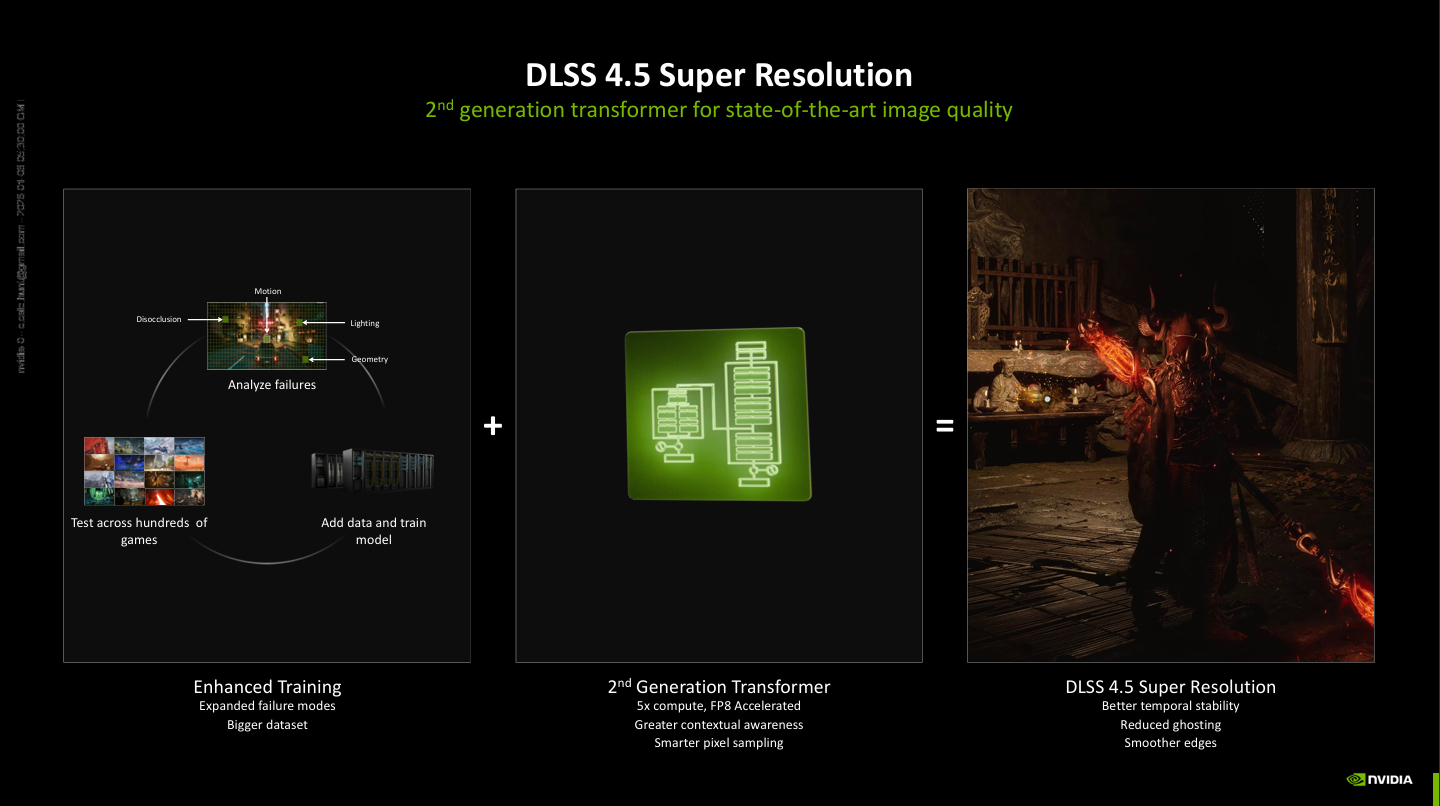
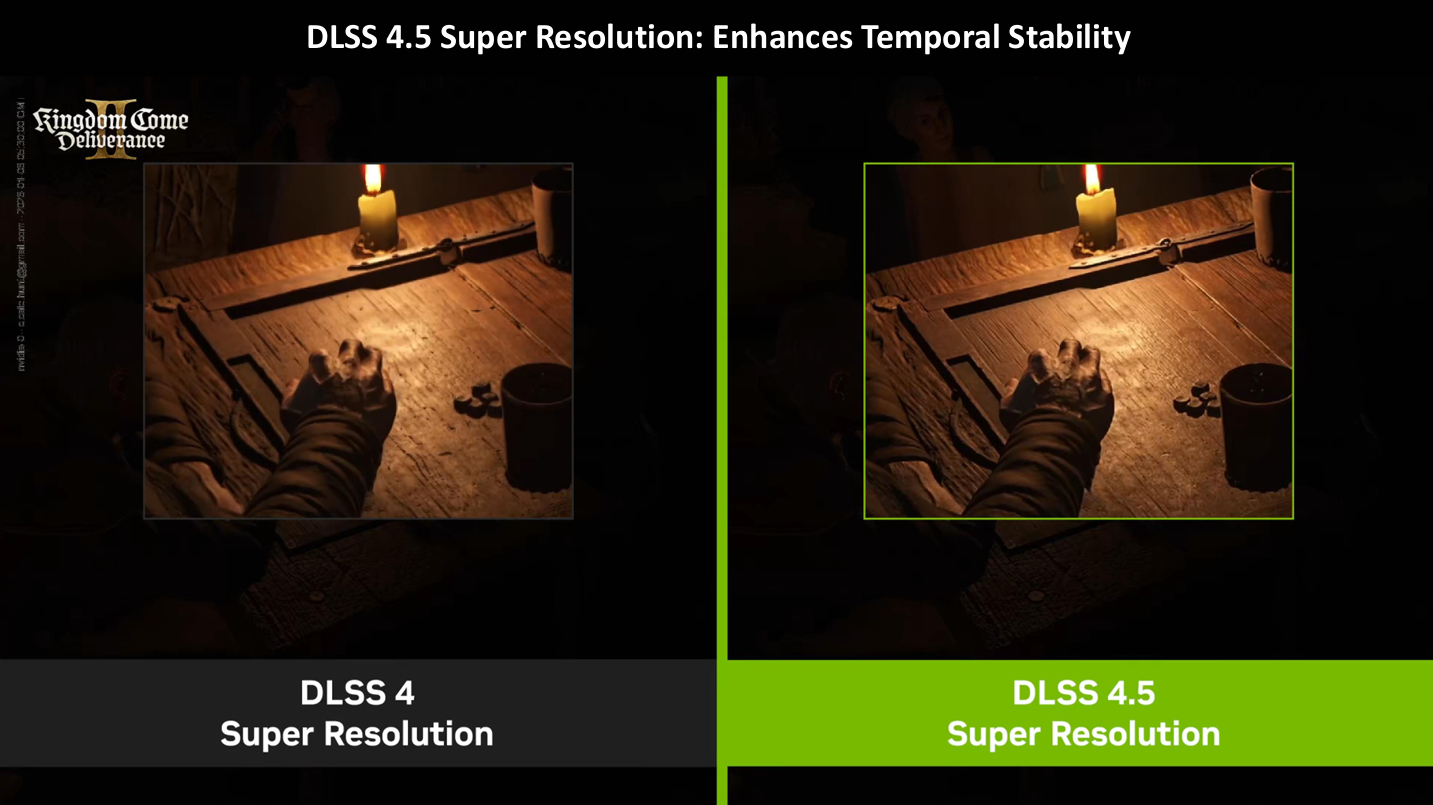
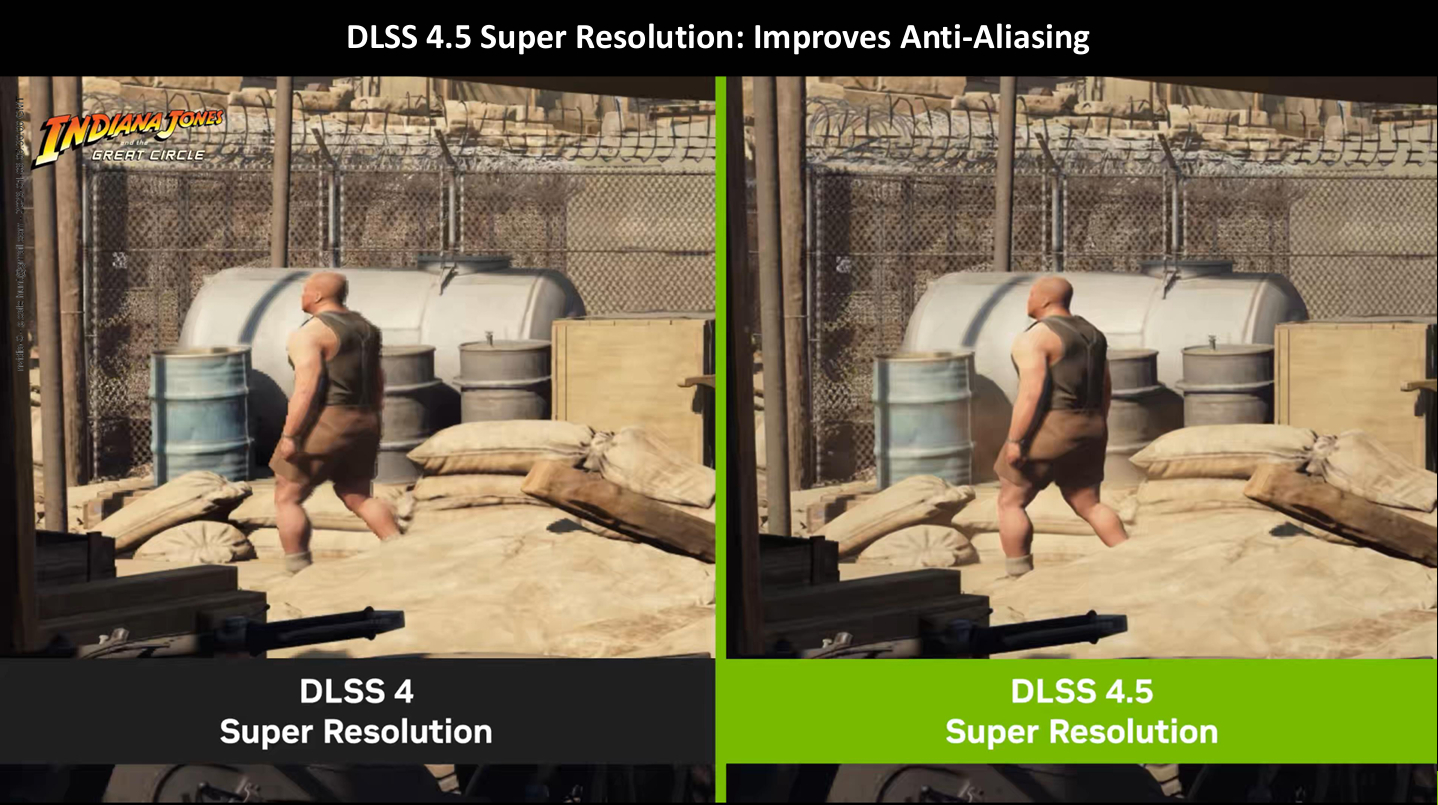
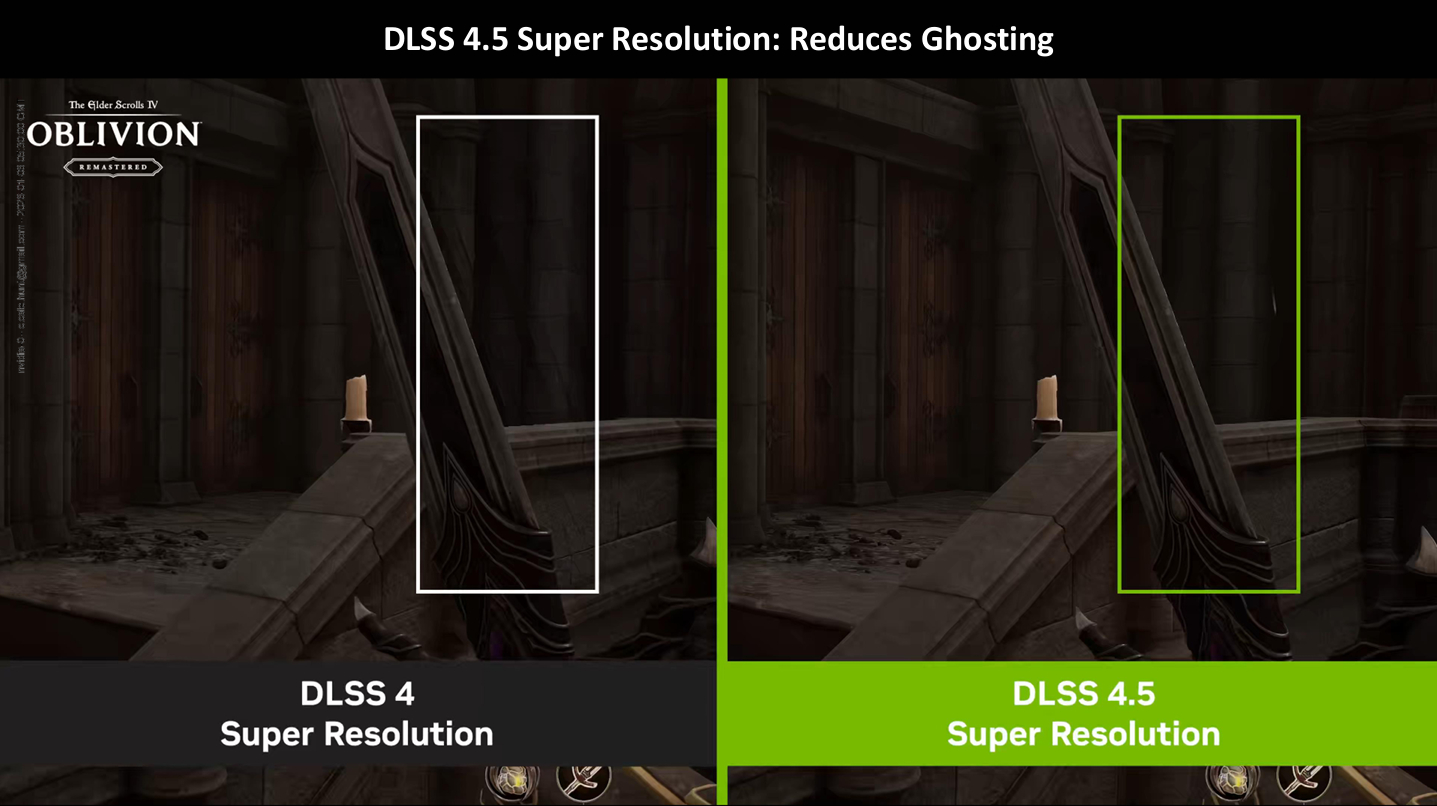
NVIDIA’s demonstrations of DLSS 4.5 Super Resolution are visually stunning. The technology offers improved clarity in both near and far parts of the image, with much less blurring. It also delivers significantly better anti-aliasing, making moving objects appear smoother and with fewer jagged edges.
The newest version of the Transformer model comes with two settings to choose from. ‘Model M’ works well for most uses, while ‘Model L’ is designed for a smoother experience when gaming at 4K resolution with the highest graphics settings.
While this feature works on all RTX graphics cards, older models like the Ampere and Turing series won’t benefit from the faster processing it offers. It will be worth watching to see how well it runs without that acceleration.
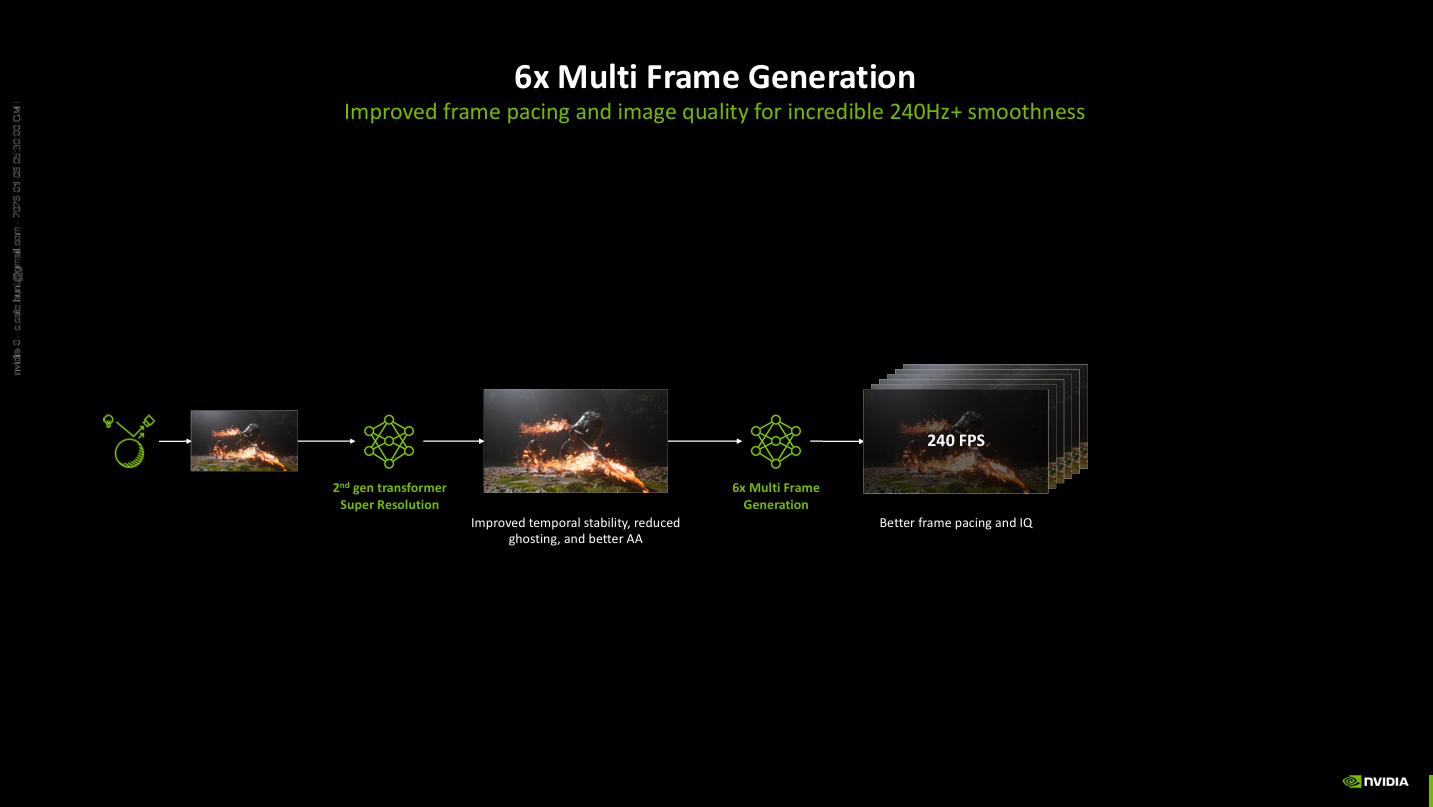
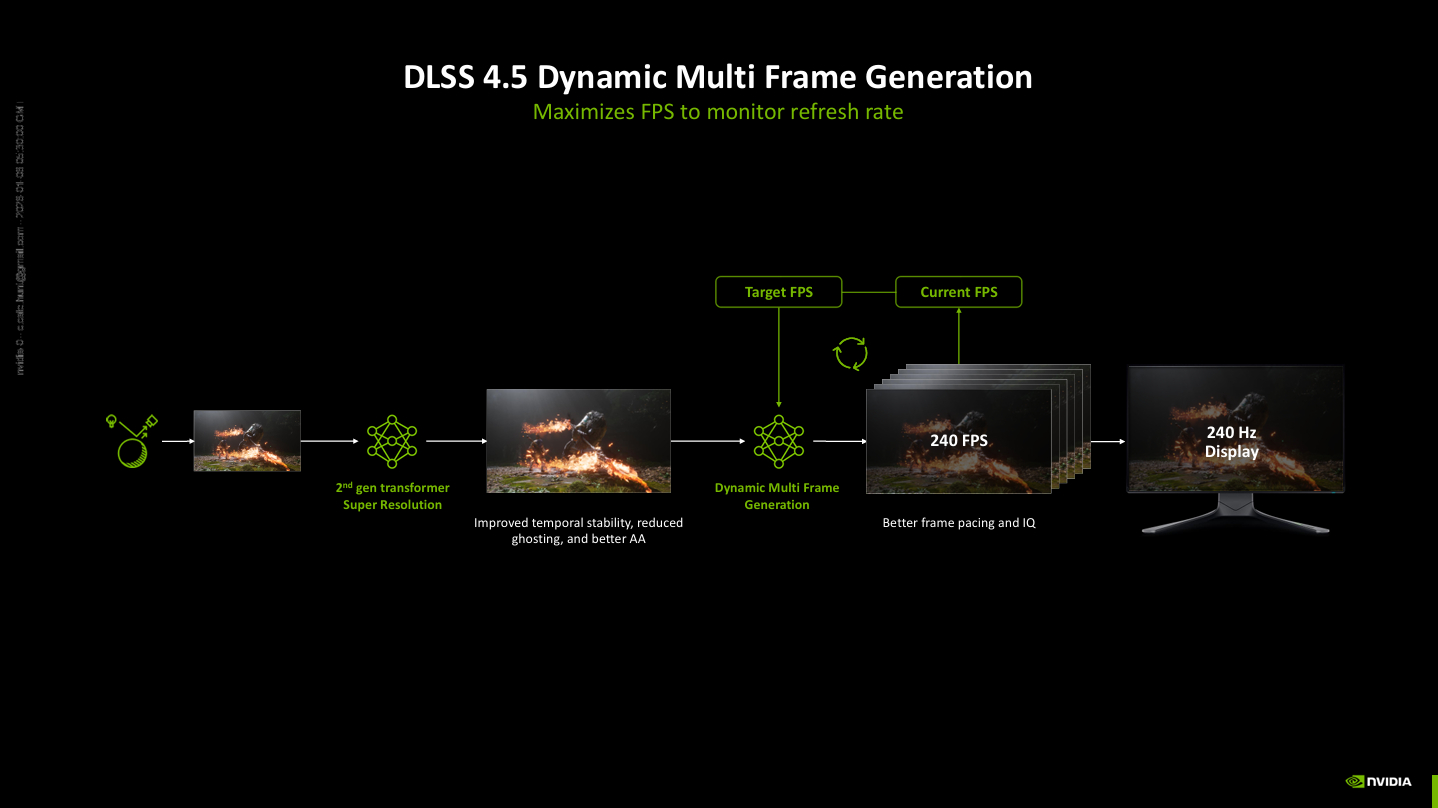
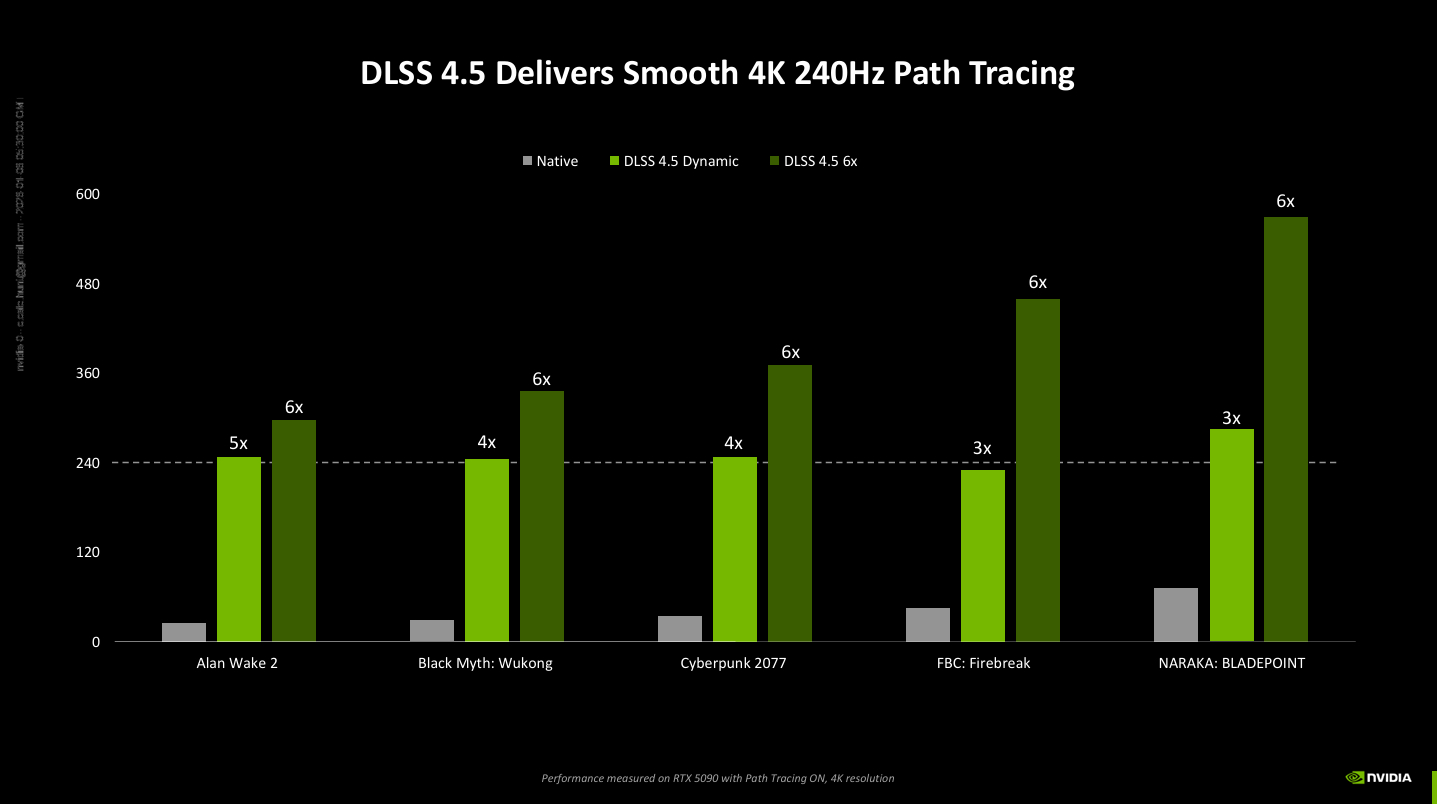
The second major part of the DLSS 4.5 reveal focuses on Multi Frame Generation (MFG), but it will only work with the newest RTX 50-series Blackwell graphics cards.
I was initially doubtful about the AI-powered “fake frames” shown at CES 2025, but after trying them out myself on an RTX 5070 Ti, I was completely impressed.
DLSS 4 could increase frame generation up to four times, but DLSS 4.5 boosts that to six times. NVIDIA’s goal with this updated technology is to achieve refresh rates of 240Hz or higher, even when using the high-quality, but demanding, Path Tracing feature at 4K resolution.
NVIDIA’s Dynamic Multi-Frame Generation works similarly to an automatic transmission in a car. You set your desired framerate – matching your monitor’s refresh rate is a good idea – and the technology intelligently creates extra frames only when needed. It’s a really neat feature.
You’ll have to wait until Spring 2026 for MFG 6x and Dynamic MFG. The good news is that DLSS 4.5, with its enhanced Super Resolution technology, is available now for over 400 games through the NVIDIA app.
NVIDIA G-Sync Pulsar wants to do away with motion blur completely
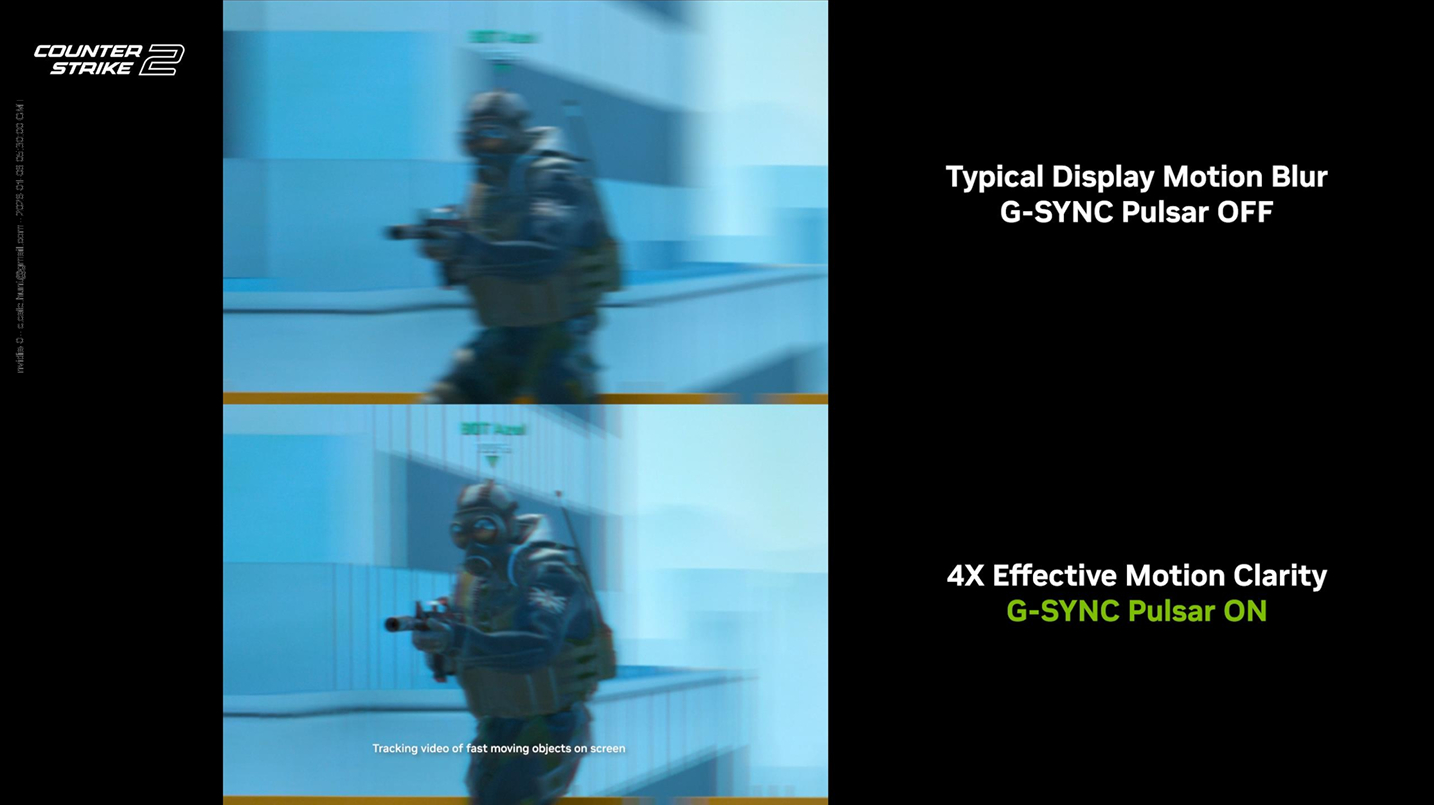
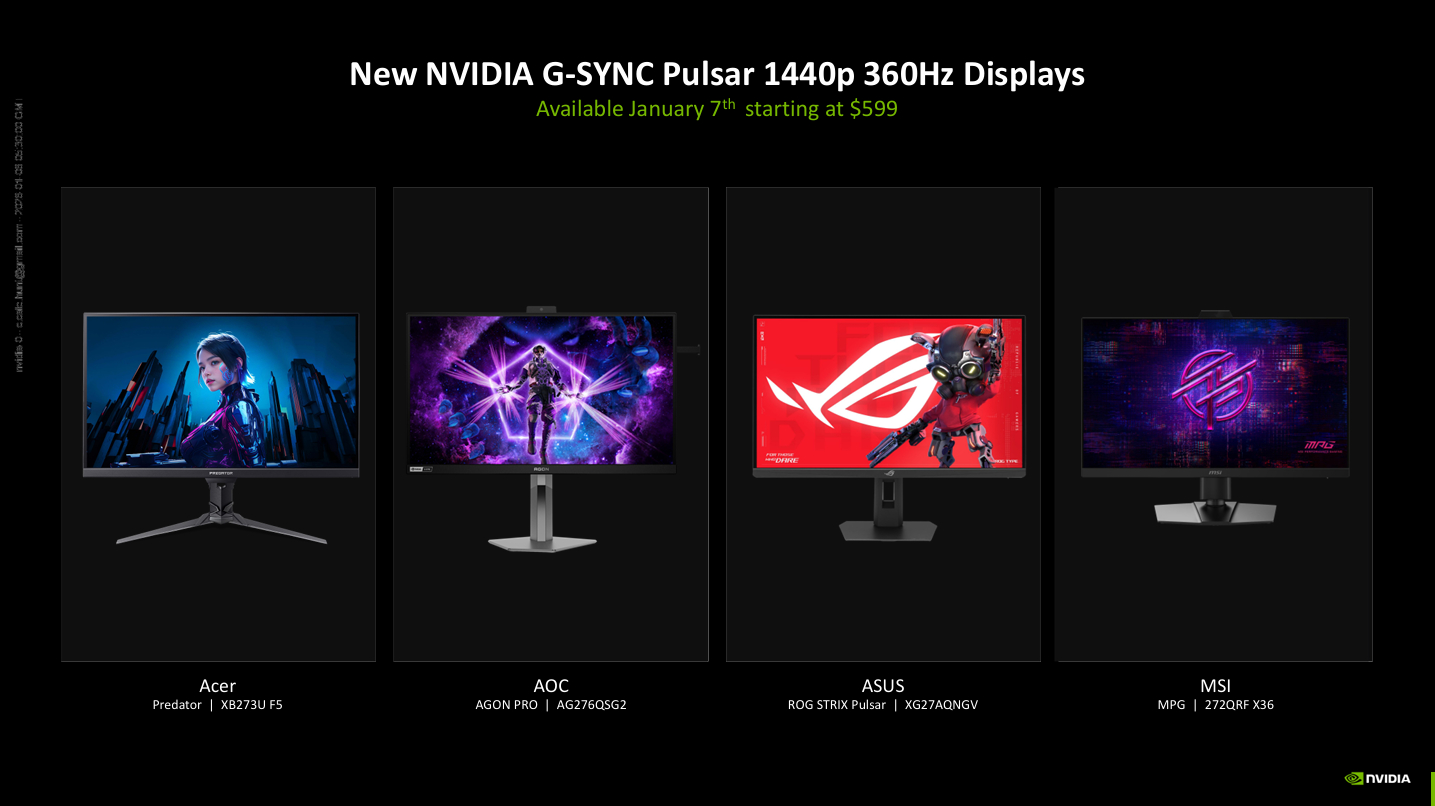
NVIDIA has just revealed G-Sync Pulsar, a new feature aimed at PC gamers, particularly those involved in competitive esports.
Starting January 7th, a new line of 27-inch QHD monitors with a super-fast 360Hz refresh rate will be available, starting at $599. These monitors use G-Sync Pulsar technology, which significantly improves image clarity – up to four times better than standard monitors. When variable refresh rate (VRR) is turned on, the visual experience is so smooth it feels like you’re playing at a refresh rate exceeding 1,000Hz.
These monitors intelligently adjust their brightness and contrast to match your surroundings, making the picture clearer and easier on your eyes.

Read More
- Pluribus Star Rhea Seehorn Weighs In On That First Kiss
- Kelly Osbourne Slams “Disgusting” Comments on Her Appearance
- Looks Like SEGA Is Reheating PS5, PS4 Fan Favourite Sonic Frontiers in Definitive Edition
- Arknights: Endfield – Everything You Need to Know Before You Jump In
- Dune 3 Gets the Huge Update Fans Have Been Waiting For
- Goat 2 Release Date Estimate, News & Updates
- ‘Marty Supreme’ Ending, Explained
- Gold Rate Forecast
- ’90s Cartoon Reboot & TMNT Connection!
- Hideo Kojima Says He Was Never Told About The Matrix Creators Wanting Him to Make a Game
2026-01-06 08:40