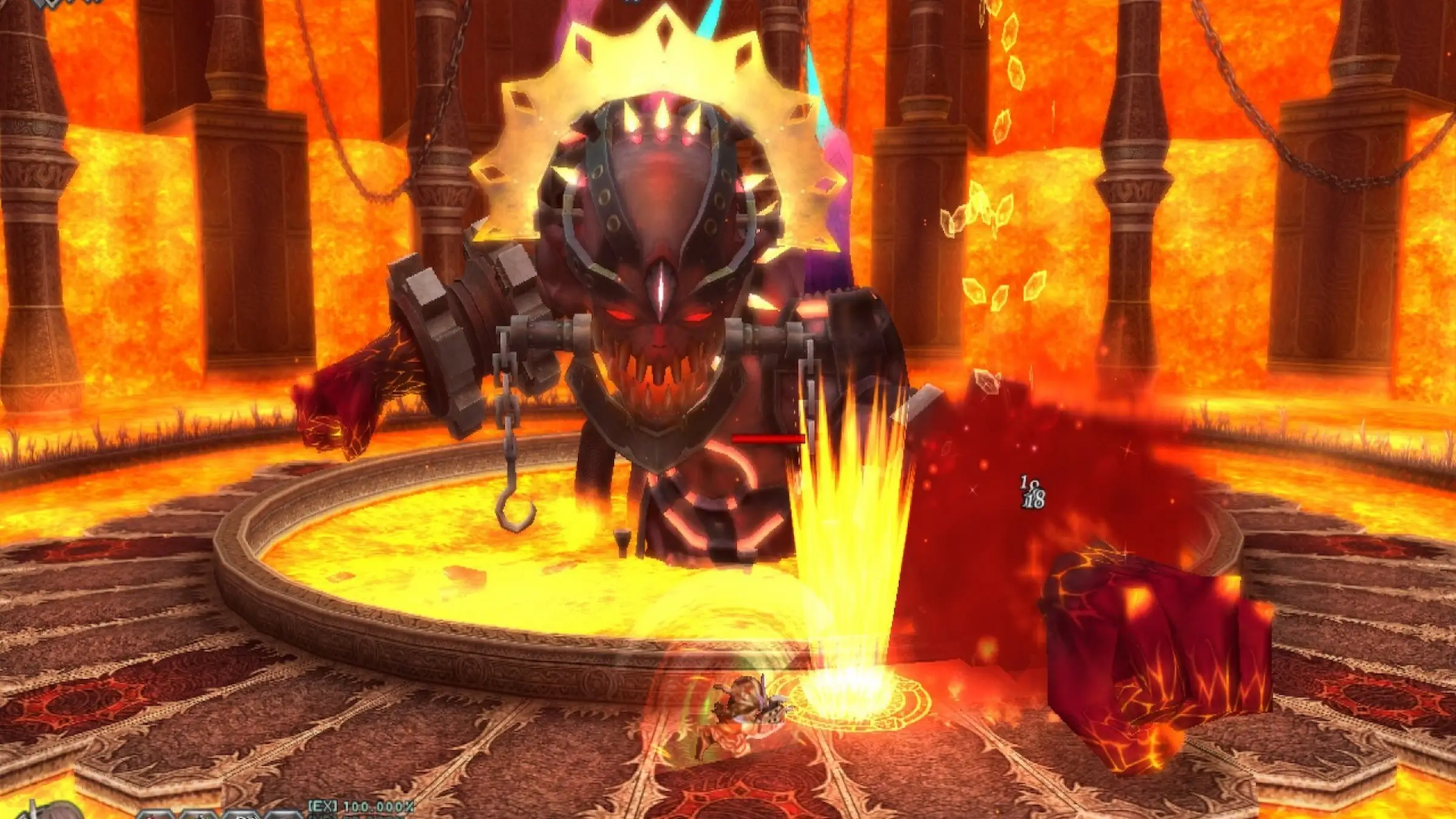
One of the best things about long-running JRPG series is their rich history and detailed worlds, which have evolved over many years. However, this can also be a drawback. While it’s nice to know a franchise has a long legacy, a large number of games can be intimidating for newcomers. It’s often difficult to know where to begin, or if investing the time is worthwhile.
That’s why Ys Origin still feels like a brilliant decision almost two decades later. Instead of simply continuing the story, Falcom cleverly went back to explore the series’ origins. Ys Origin explains the backstory that connects to the first two games, offering enough information to give players a solid understanding without being a complete retread. More role-playing games could learn from this approach and provide helpful context for established, ongoing narratives.
The Growing Entry Barrier in JRPG Series
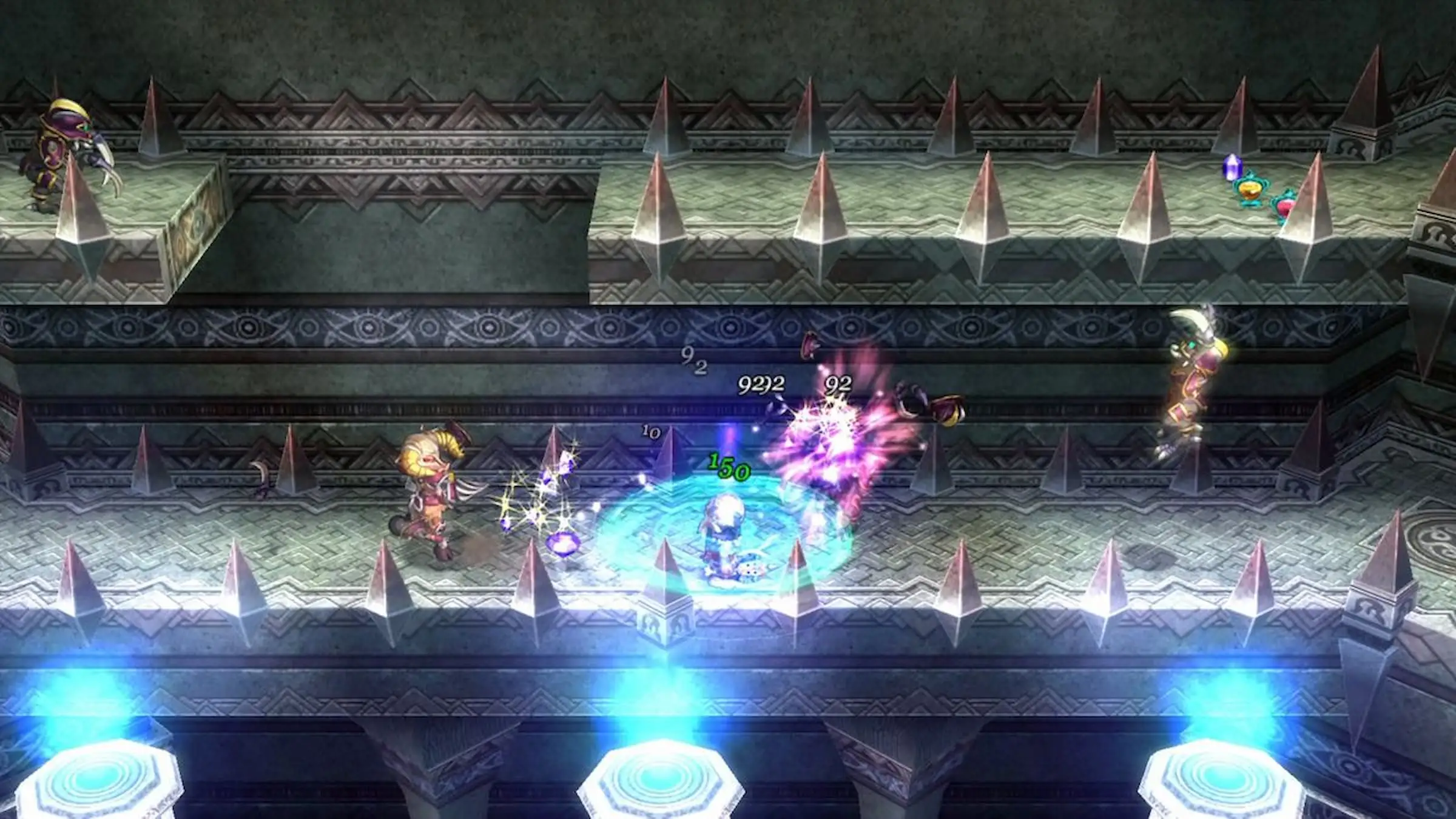
I absolutely love how JRPGs build on themselves! It’s amazing to see characters grow and worlds change over several games – it’s a big part of what makes the genre so special to me. But honestly, sometimes it’s frustrating when a new game jumps right in assuming you already know everything that’s been happening. It’s like they forget not everyone has played all the previous games, and you’re left wondering what all the references and ongoing conflicts are about. A little explanation would really help!
Starting this game as a new player can be really confusing and isolating. While you’re told you can jump in at any point, the game often assumes you already know the backstory. Characters and events are mentioned without much explanation, and the story relies on knowledge you likely won’t have. This makes emotional scenes more impactful for veteran players, but leaves newcomers feeling lost. Some people persevere, but others find it too difficult and decide to play something else.
This leads to a pattern where JRPGs tend to focus on what their existing fans already like. While loyal players stick around, it becomes difficult to attract new ones, which can eventually restrict a series’ growth. Providing context doesn’t mean revealing every secret or dragging out the pace; it simply means giving players enough background information to understand the game’s world and why things are the way they are.
How Ys Origin Begins to Tackle the Problem
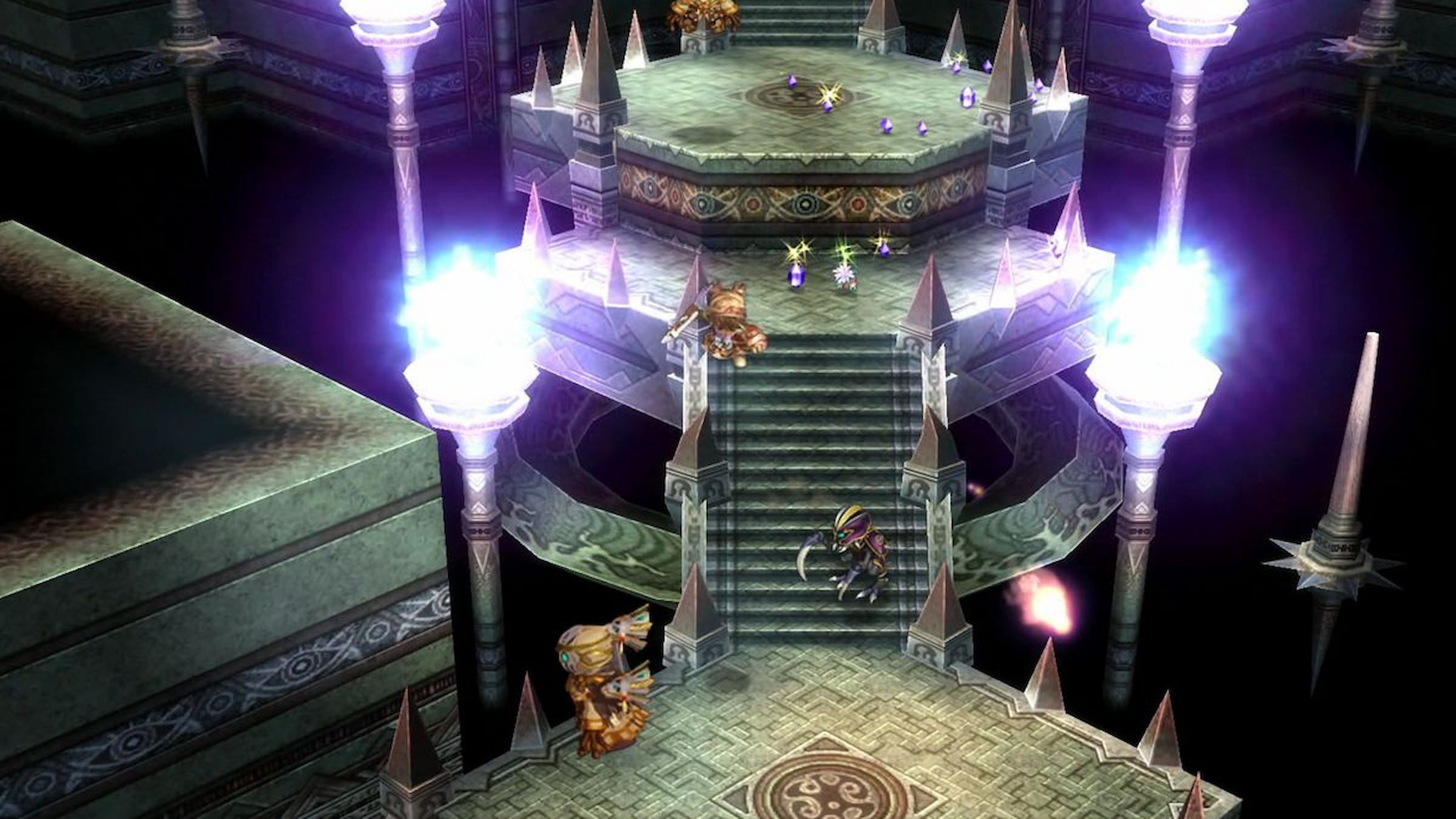
Instead of following the existing story of Adol, Ys Origin went back to the very beginning to explain the history of Ys. The game focuses on the origins of the world, its goddesses, and the central conflict, giving players a solid understanding of what led to the events in the earlier Ys titles.
The success of this game lies in its subtlety. Instead of trying to cram in the story of a decade’s worth of previous titles, Ys Origin smartly focuses on a specific, earlier period – 700 years before the first two games – and tells that story thoroughly. It builds context without overwhelming you with information. You discover the history naturally through the characters you meet, the places you explore, and the events that unfold, making it feel like an engaging story first and a historical background second.
If you’re new to the series, Ys Origin is a fantastic place to start. You can jump right in without any prior knowledge, but playing it will actually enhance your understanding of the earlier games. Locations and conflicts will feel more impactful, and even simple ideas will resonate more deeply. It essentially serves as a central story that connects everything, and it’s something more games in the JPG series should do.
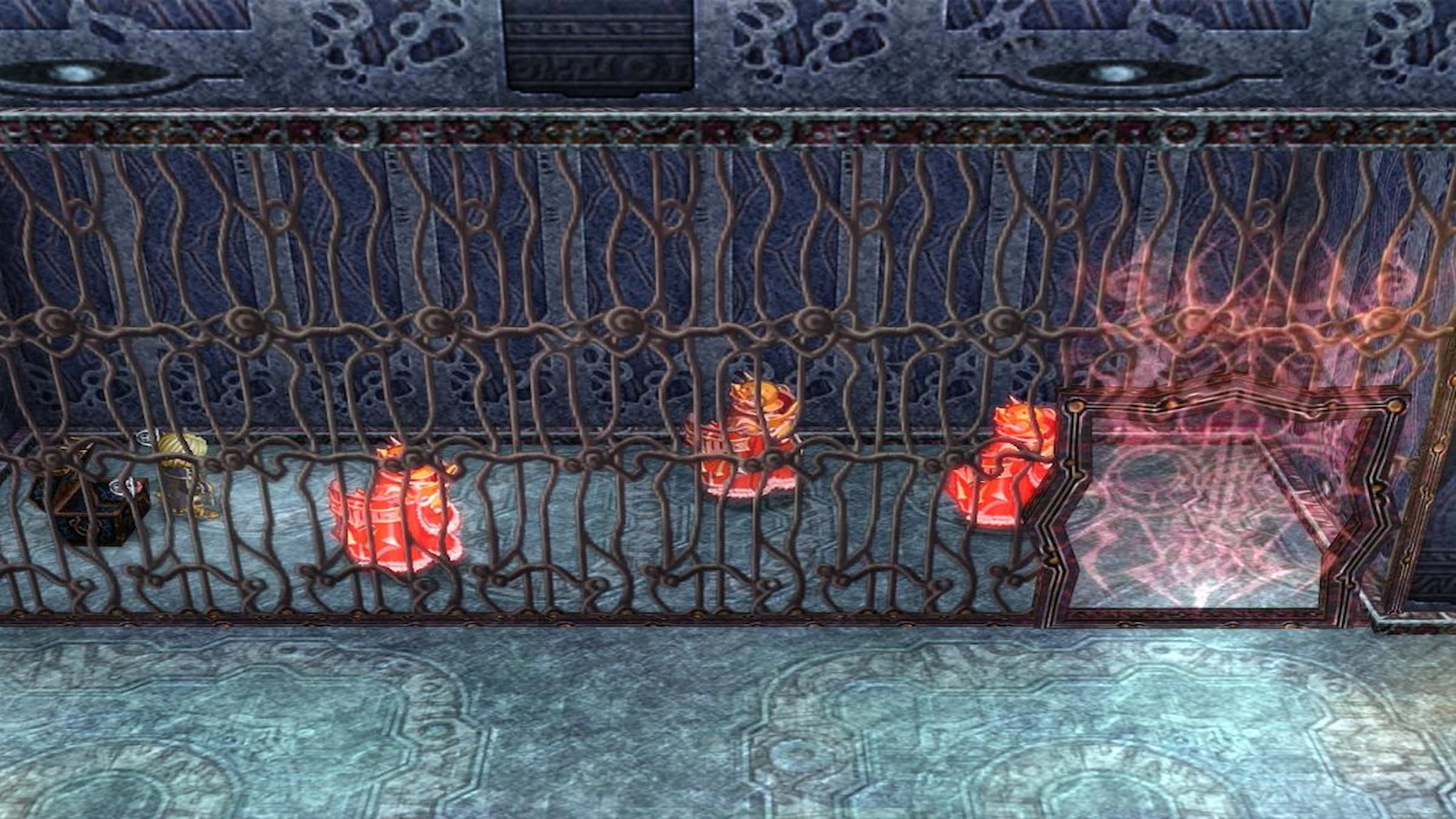
Honestly, this game isn’t just great for people new to the series. As a longtime fan, I really appreciated getting more backstory and context – even knowing the overall story already, it added a whole new layer of emotional impact. Ys Origin doesn’t retcon anything, which is awesome. It actually makes the things I already loved about the series even better by fleshing out the myths and characters, and staying true to everything that came before. It’s a tricky thing to pull off, making a prequel that enhances the original stories instead of replacing them, and it’s something a lot of JRPGs just don’t bother trying.
Even after nineteen years, Ys Origin feels remarkably modern. It understands the importance of background and history, something crucial for long-running RPG series. More JRPGs could benefit from a game like this – not a remake or reboot, but a self-contained story that’s both accessible to newcomers and satisfying for longtime fans. To continue expanding its audience, the JRPG genre sometimes needs to revisit its roots.
What do you think? Leave a comment below and join the conversation now in the ComicBook Forum!
Read More
- Looks Like SEGA Is Reheating PS5, PS4 Fan Favourite Sonic Frontiers in Definitive Edition
- Gold Rate Forecast
- Dune 3 Gets the Huge Update Fans Have Been Waiting For
- Pluribus Star Rhea Seehorn Weighs In On That First Kiss
- Jack Osbourne Shares Heartbreaking Tribute to Late Dad Ozzy Osbourne
- Action Comics #1096 is Fun Jumping-On Point for Superman Fans (Review)
- Every Upcoming Transformers Movie: Release Dates, Details, & Everything We Know
- 22 actors who were almost James Bond – and why they missed out on playing 007
- Dungeon Stalkers to end service on June 9
- Antiferromagnetic Oscillators: Unlocking Stable Spin Dynamics
2025-12-22 03:40