Role-playing games have always been about giving players freedom to create their own stories, from the first games played with dice and paper to the large, complex games we have today. Features like conversations with choices, quests that split in different directions, and decisions about right and wrong are all designed to make players feel like they truly control the narrative. However, despite all these options, many modern role-playing games still lead players toward a similar emotional experience. Even with different paths, the story often expects you to be a certain type of hero and reach a specific conclusion.
I often finished role-playing games feeling like I had a detailed character in my mind, but their actions in the game felt limited. While I could make choices about things like dialogue, alliances, and equipment, the game always seemed to expect me to be a good person. It was rare to have the option to be selfish, cruel, or simply destructive – most RPGs don’t really let you play as the bad guy.
RPGs That Embraced & Encouraged Villainous Behavior
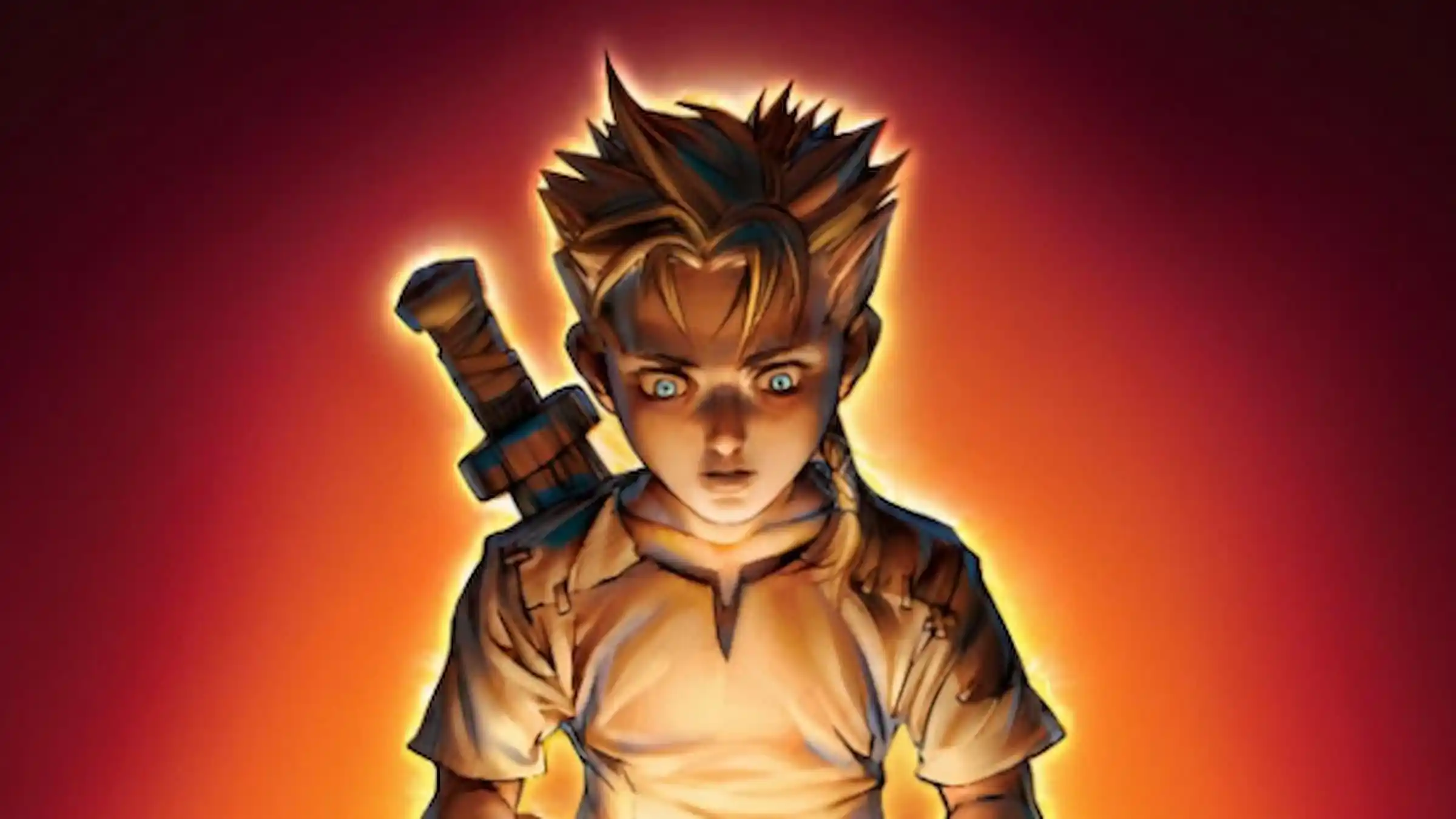
I’ll never forget my first playthrough of Fable – I quickly chose to play as a villain. I dressed my character in dark clothes, indulged in a disturbing amount of roasted chicken, and even watched horns grow on their head! People in the game rejected me, and I responded by… well, hurting them. After that, I played Overlord, and I loved pretending to be a powerful, conquering force like Sauron. I became really fascinated with playing as the bad guy, but it was surprisingly hard to find games that actually let you do that.
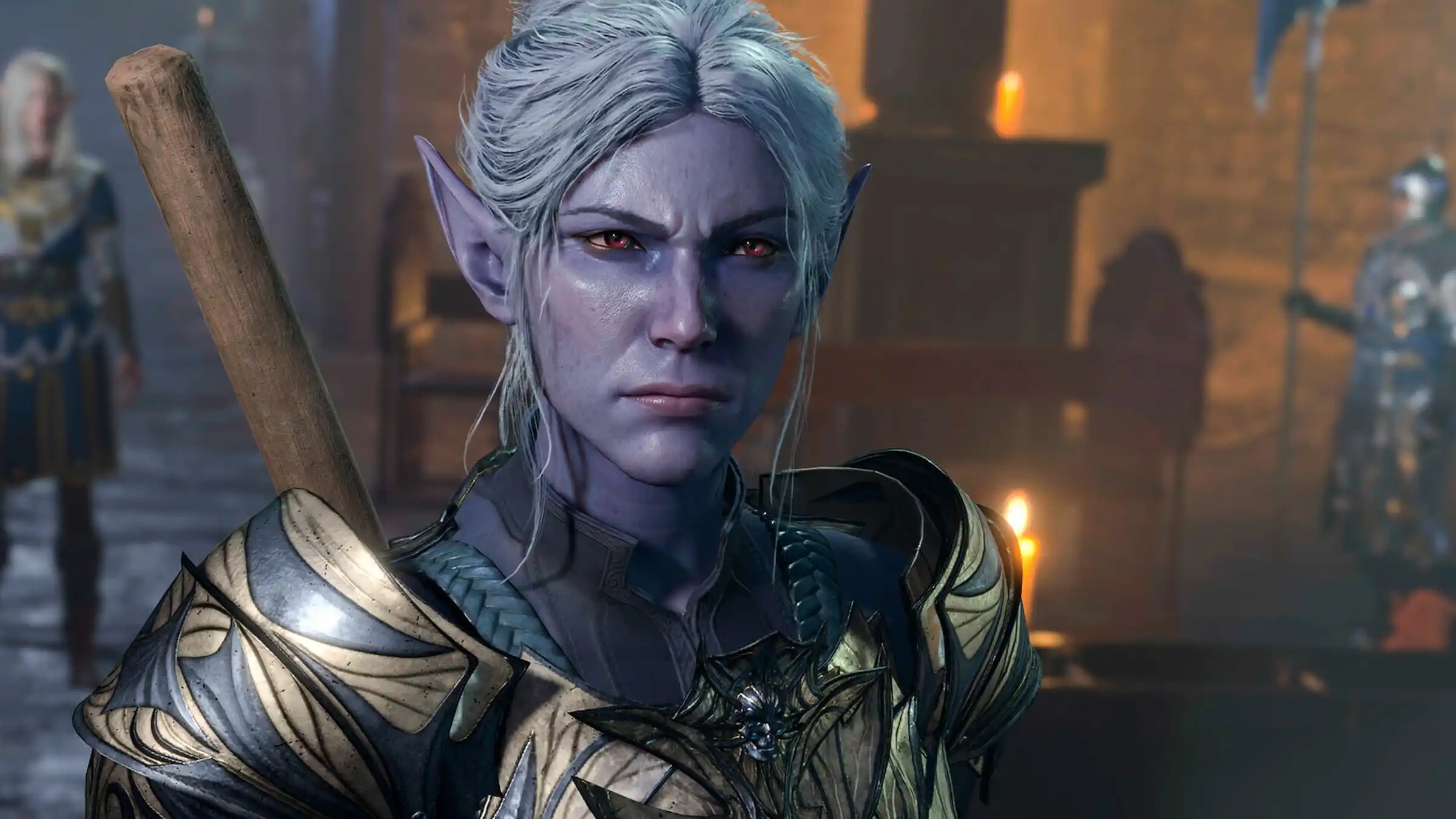
Baldur’s Gate 3 really delivers on letting players be truly evil. Larian Studios didn’t just allow for manipulative or ruthless choices, they made the game react to them in significant ways. Your decisions can cause entire storylines to disappear, companions to abandon you or become enemies, and the world itself to change. Playing as an evil character isn’t a simple side quest; it’s a complete and supported experience, and I fully embraced it after just one conversation with my character, Minthara.
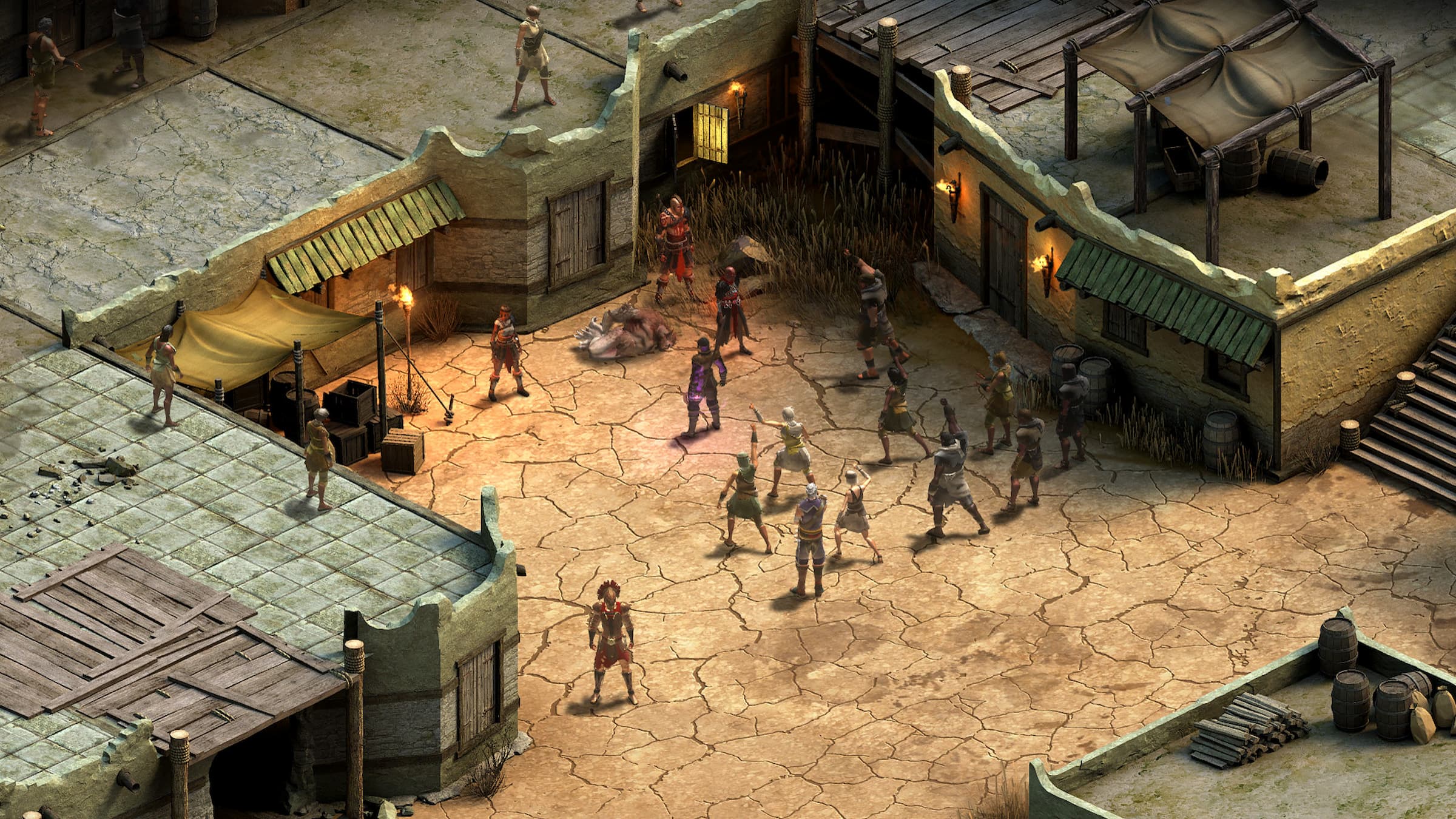
Before games like Baldur’s Gate 3, Tyranny really pushed boundaries by centering its entire story on conquest and oppression. Right from the start, you play as part of a ruthless empire, and the game focuses on power and control instead of traditional morality. It doesn’t ask if you’re good, but what type of villain you’ll be. RimWorld takes a different approach, focusing on systems rather than labels. It doesn’t define actions as good or bad, but its unpredictable storytelling can lead players to commit terrible acts in the pursuit of survival or efficiency. These games give players the freedom to explore morally gray areas without being judged, and that freedom results in incredibly memorable experiences.
Playing the Hero Gets Old
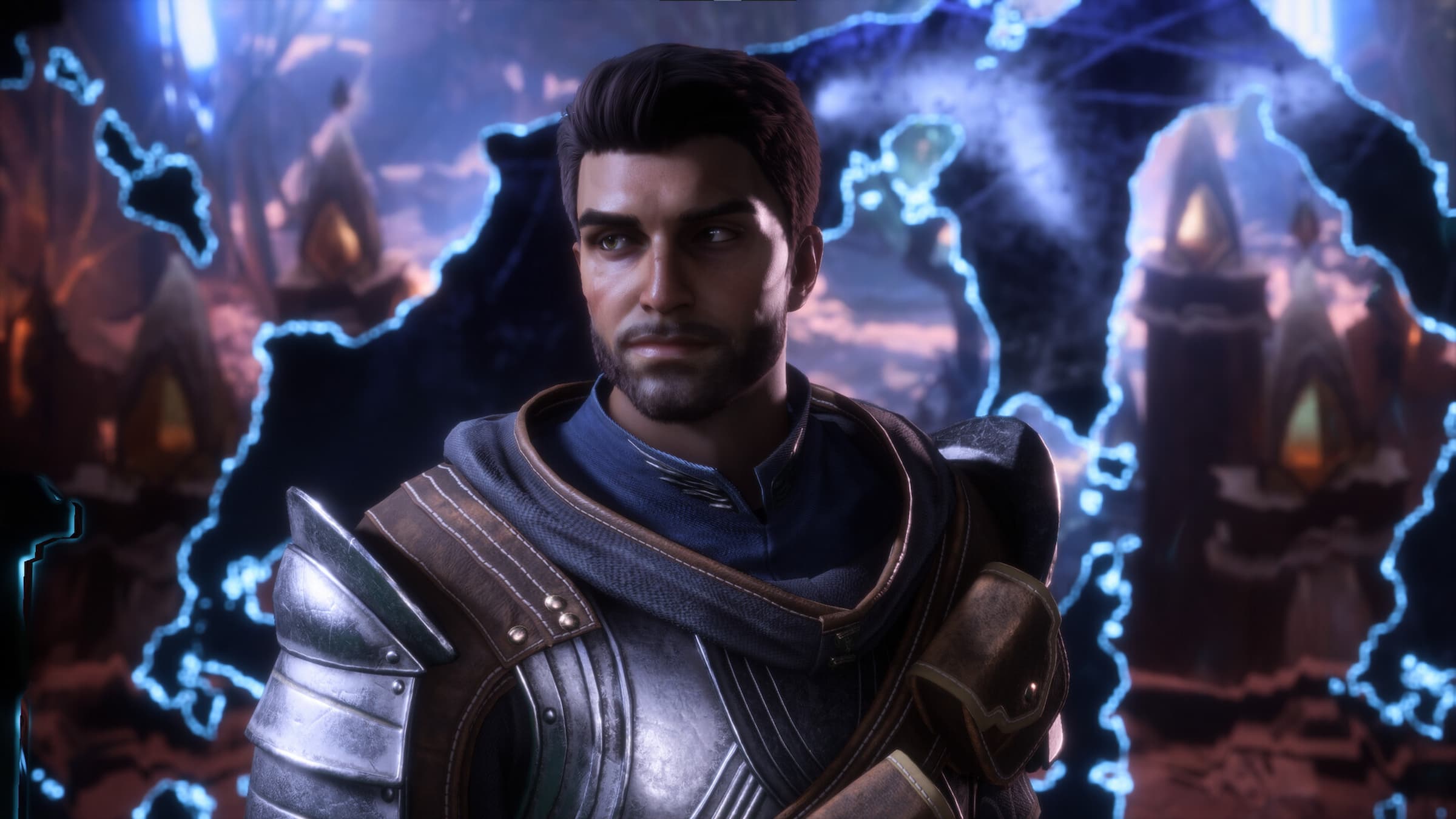
Some RPGs lock you into playing a character with a specific moral code. Dragon Age: The Veilguard is one of these, immediately casting you as a hero in a standard fantasy setting. Despite any desire to side with the potentially villainous Evanuris and their plans for Tevinter, you’re forced to act the part of the good guy. While you can choose sarcastic or playful dialogue options, the story always presents your character as a world-saver, even if you don’t want to be. The game simply assumes you’re a hero at heart.
There’s nothing wrong with games that let you play as a clear hero – many players like that, and strong stories can come from a focused sense of right and wrong. However, problems occur when a game promises freedom but doesn’t actually allow you to make meaningful moral choices. If every decision ultimately leads to the same ‘good’ outcome, then your choices don’t really matter. This can feel more limiting than a game with a straightforward story. Players who want to role-play as characters with flaws or questionable morals might find these games frustrating, as they don’t offer a true sense of freedom to explore those paths.
I enjoy playing villains, and I think heroes deserve their time to shine. However, most games center around heroic characters. While I have fun creating and playing paladins and other heroes, I’d love to see more variety. Too many games involve saving the world, even when the world isn’t worth saving. Often, villains aren’t simply evil; they have understandable reasons for their actions. I wish more games would let players side with those villains and explore that perspective.
The Option to Be Evil Is More Important Than Ever
I might be in the minority, but the choice to play as an evil character is crucial for a truly engaging role-playing experience. Simply knowing that you could make selfish or cruel choices – like betraying allies or harming others – makes your decisions to be good feel more impactful. True morality feels meaningful when there are alternatives. If you’re forced to be a hero, it limits the potential for your character to grow and change. When I play these games, I want the freedom to shape my character’s values and see those values reflected in their actions.
I often remember RPGs most fondly for the playthroughs I didn’t complete. A character ruined by their own ambition, or a choice that seemed brilliant at the time but later felt terrible – those are the stories that stick with me. What makes them special is that they weren’t pre-planned events; they happened because the game let me create them. That feeling of truly owning the narrative is what distinguishes truly great RPGs. Without the freedom to make impactful, even ‘bad’ choices, these memorable moments simply wouldn’t exist, or wouldn’t feel as meaningful.
Including options for players to make ‘evil’ choices actually makes game worlds more believable and detailed. It challenges creators to think about how societies would react to things like cruelty, power imbalances, and fear. This makes non-player characters (NPCs) feel more real – they might dislike you, be afraid of you, or even take advantage of your actions. The world then feels like it’s responding to you, instead of just putting on a show. Even players who always play as the ‘good guy’ appreciate this depth, because it makes the game world feel truly alive. For example, imagine being celebrated as a hero throughout a game, only to have your friends abandon you after one wrong move – that’s the kind of impact choices in role-playing games should have.
Many role-playing games would benefit from allowing players to make truly meaningful choices, even if those choices lead to negative outcomes. It’s not about promoting harmful behavior, but about respecting a player’s freedom to shape their character and experience the full range of human actions – just like in real life. When games only focus on being good and heroic, they miss the point of role-playing. Allowing players to be ‘evil’ doesn’t require it to be the popular option, simply that it’s a possibility.
What do you think? Leave a comment below and join the conversation now in the ComicBook Forum!
Read More
- What Song Is In The New Supergirl Trailer (& What It Means For The DC Movie)
- Highly Anticipated Strategy RPG Finally Sets Release Date (And It’s Soon)
- Dune 3 Gets the Huge Update Fans Have Been Waiting For
- TV legend Carol Kirkwood reveals the reasons why she decided to retire after 28 years with BBC
- Why is Tech Jacket gender-swapped in Invincible season 4 and who voices her?
- The Quantum Observer: How Reality Takes Shape
- Palworld! More Than Just Pals ‘Special Video’, characters detailed
- The OG Resident Evil 1, 2 and 3 Are Now Available on Steam With a Heavy Discount (and DRM)
- The Monsterverse’s Shocking New Time Travel Story – Monarch: Legacy Of Monsters Season 2, Episode 6 Explained
- Tainted Grail: The Fall of Avalon – Merlin’s Tomb DLC Adds a New End-Game Dungeon for Free
2025-12-17 20:19