Role-playing games have evolved a lot in the last twenty years. They used to be known for being slow-paced, challenging, and requiring careful planning. Now, they’re much more focused on being easy to pick up and play. While today’s RPGs offer huge worlds, exciting battles, and complex ways to improve your character, something important has been sacrificed. Older games created a real sense of tension and made every choice feel significant. This wasn’t due to how they looked, but rather a simple design element that many players don’t even notice anymore.
Man, I really remember those dedicated save points in old RPGs. Before games just auto-saved everything, you had to find specific spots – crystals, inns, whatever – to record your progress. It was such a rush! If I was deep in a dungeon, low on health, I’d be seriously hoping to stumble across one. I even remember desperately searching for a save point before I had to go to bed! Those points totally changed how you played – you explored more carefully, fought strategically, and really planned things out. Now, with auto-saving and quick saves, all that tension and careful planning is just…gone. It’s convenient, sure, but I kinda miss it.
Save Points Were More Than Checkpoints
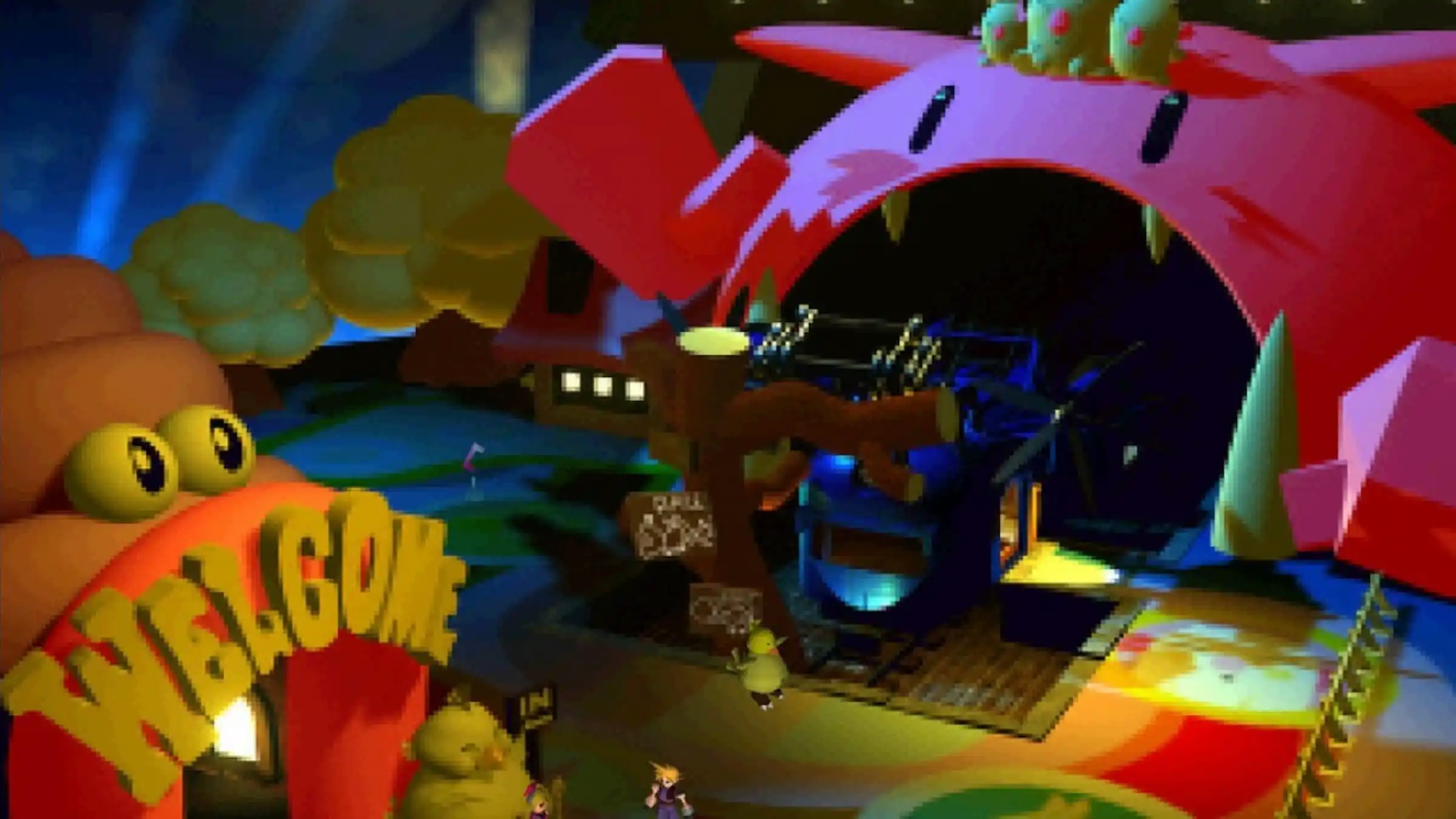
In classic RPGs, save points weren’t just places to record your progress – they were vital moments of reassurance. Finding one in games like Final Fantasy 9, Resident Evil, or Chrono Trigger felt like a huge relief, like finding a safe haven. This is because the next area often held challenging bosses, tricky puzzles, or dangerous traps that could erase hours of work. Reaching a save point transformed anxiety into a feeling of security, letting you breathe again.
I always loved how older RPGs made you really think about every decision. It wasn’t just about being strong enough, it was about being smart. Because you couldn’t save whenever you wanted, every resource felt precious. Do I use this powerful potion now, or save it for a potentially tougher fight later? Do I risk pushing forward, or spend time leveling up even though one bad encounter could wipe me out? That tension – that careful balance between playing it safe and taking risks – is something I really miss in a lot of newer games. It made victories feel so much more rewarding!
These games created lasting memories for a lot of players. I personally remember playing through the Magitek Research Facility in Final Fantasy VI as a child. I was genuinely anxious during every fight, constantly worried about running out of resources and often having to avoid battles altogether. Reaching the save point before the Number 024 boss felt like a huge win, and I remember breathing a sigh of relief. While today’s games automatically save your progress, it’s hard to recapture that same feeling because the risk and tension are often gone.
Why Save Points Disappeared From RPGs
Save points didn’t disappear suddenly; their decline was a slow process. It happened as gaming technology improved, players started expecting different things, and game designers began creating vast, open worlds. As role-playing games became bigger and more complicated, developers needed to find a way to keep games exciting without frustrating players who didn’t have much time to play. The solution was to automatically save progress and allow players to save manually at almost any point.
Players started asking for games that fit into their lives, wanting the ability to explore, try different things, and easily pause without losing progress. From a game design standpoint, automatically saving progress became crucial to avoid frustration – no one wants to lose a significant amount of time due to technical issues like a crash or dead battery. Losing a battle is expected, but losing hours of progress through no fault of your own is unacceptable. As making games accessible to more people became a focus, allowing players to save their progress at any time became the obvious solution.
While making the game more convenient, removing fixed save points also lessened the challenge. The ability to save frequently reduced the tension and excitement, as setbacks in boss fights or while exploring dungeons felt less punishing. Losing a few seconds to a mistake wasn’t as discouraging as losing a significant amount of progress, making the overall experience more relaxed.
The automatic saving feature in games has altered how designers create challenges. In older role-playing games, long and difficult levels were common because players saved at specific points, providing structure. Now, game developers can’t rely on players having recently saved, leading to generally easier and more lenient difficulty. While autosave and the ability to save manually have made RPGs more approachable, they’ve also sometimes reduced the tension, strategic thinking, and overall memorability of the experience.
Are Save Points Making a Comeback?

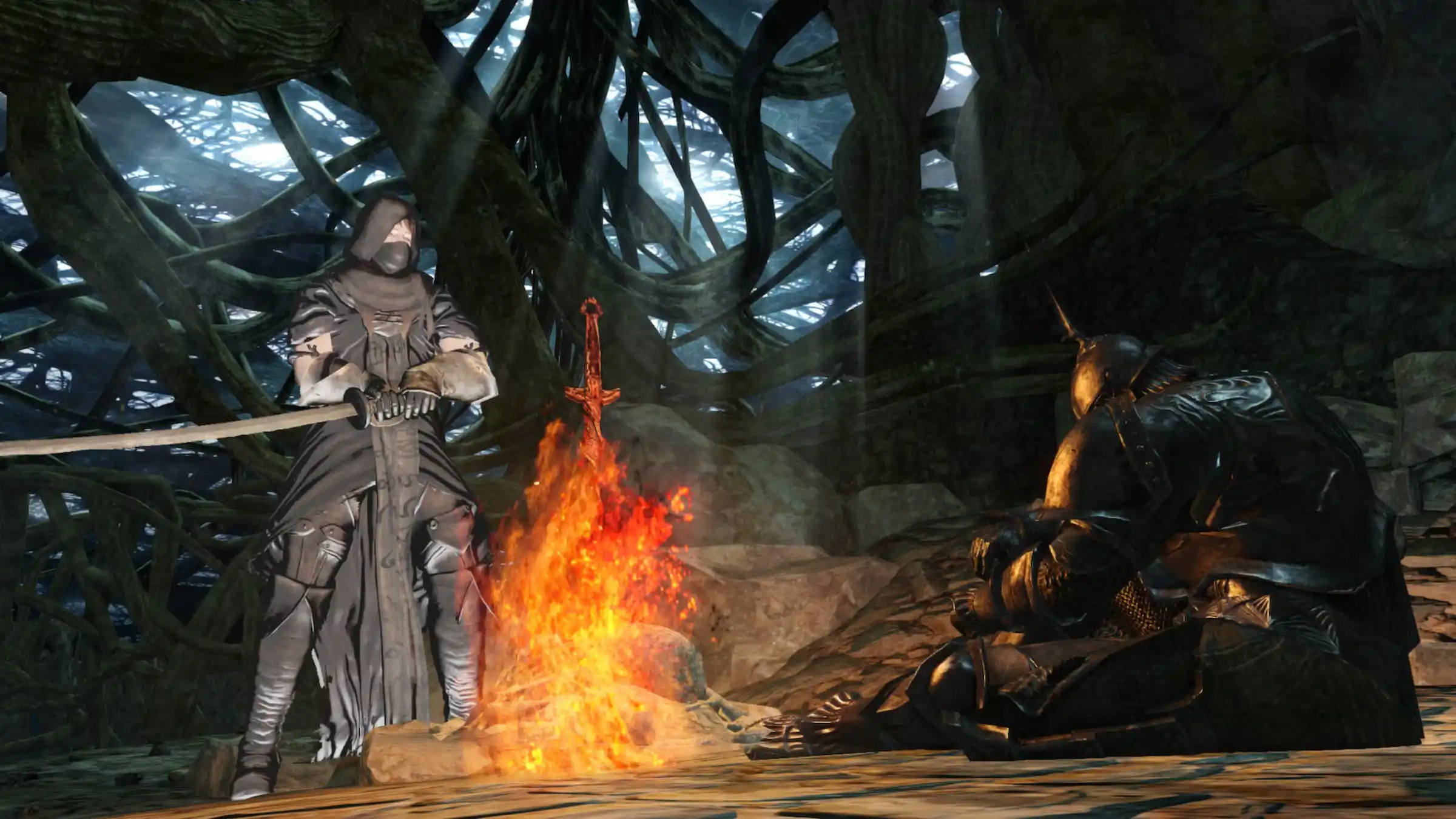
Save points are becoming popular again in game design. Games like Dark Souls, Elden Ring, and especially Clair Obscur: Expedition 33 are bringing back the classic approach of limited save locations. These games use checkpoints that create a sense of tension while still feeling modern. While not always completely restricting saves, they purposefully limit where players can recover or heal, leading to a renewed sense of risk and reward.
Indie role-playing games are also using fixed save points in a clever way. Games like Sea of Stars, Chained Echoes, and Deltarune aren’t just using them as a game feature, but as something that adds to the overall enjoyment. These spots give players a chance to pause, think about what they’ve done, and get ready for what’s next. As many modern games focus on being easy and convenient, there’s a renewed interest in RPGs that are more challenging and require careful planning. Making players play until they reach a save point significantly changes how the game feels and how you approach it, adding a layer of strategy that’s often missing in newer titles.
Game developers are starting to appreciate how classic save points can make games more engaging by building tension and pacing. They’re realizing that a little bit of challenge can actually pull players deeper into the experience, as long as it’s done well. The debate isn’t about whether save points are superior to autosaves, but whether RPGs can benefit from the excitement of real risk and the satisfaction of overcoming tough obstacles. The popularity of the game Clair Obscur: Expedition 33 suggests that, for many players, the answer is a definite yes.
What do you think? Leave a comment below and join the conversation now in the ComicBook Forum!
Read More
- Gold Rate Forecast
- Looks Like SEGA Is Reheating PS5, PS4 Fan Favourite Sonic Frontiers in Definitive Edition
- Dune 3 Gets the Huge Update Fans Have Been Waiting For
- Jack Osbourne Shares Heartbreaking Tribute to Late Dad Ozzy Osbourne
- Arknights: Endfield – Everything You Need to Know Before You Jump In
- 5 Weakest Akatsuki Members in Naruto, Ranked
- Action Comics #1096 is Fun Jumping-On Point for Superman Fans (Review)
- Hazbin Hotel Secretly Suggests Vox Helped Create One of the Most Infamous Cults in History
- Antiferromagnetic Oscillators: Unlocking Stable Spin Dynamics
- Dungeon Stalkers to end service on June 9
2025-12-10 22:44