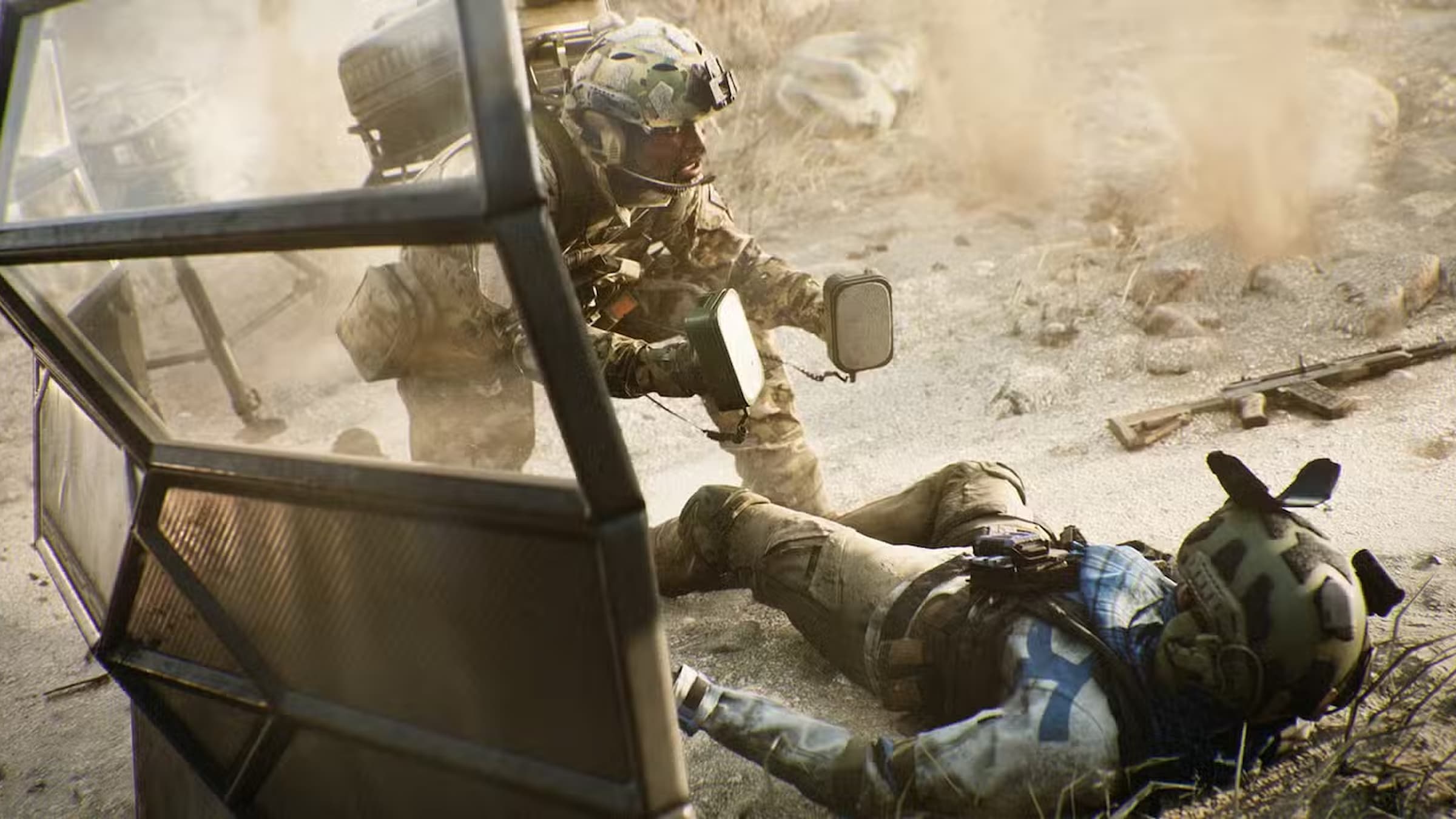
Shooter games have constantly improved over the years with better shooting mechanics, more intelligent enemies, bigger levels, and more rewarding progression. But the most significant change wasn’t about better graphics or faster computers. It was a move towards faster, more aggressive gameplay that encouraged players to keep moving forward instead of staying put. This change happened so gradually that many players didn’t even realize how much it altered the core feeling of playing a shooter.
There used to be a time in shooter games where staying alive depended on being aware of your environment, knowing where to find health packs, and carefully planning your movements. These health packs were essential – the only way to recover health and keep fighting. Now, they’re almost gone from popular shooter games. Even games like Battlefield 6 that still include them don’t make them necessary, as players can quickly regain full health just by waiting. Health packs have largely become obsolete in modern shooters, either disappearing completely or losing their importance.
Health Management Defined Shooters
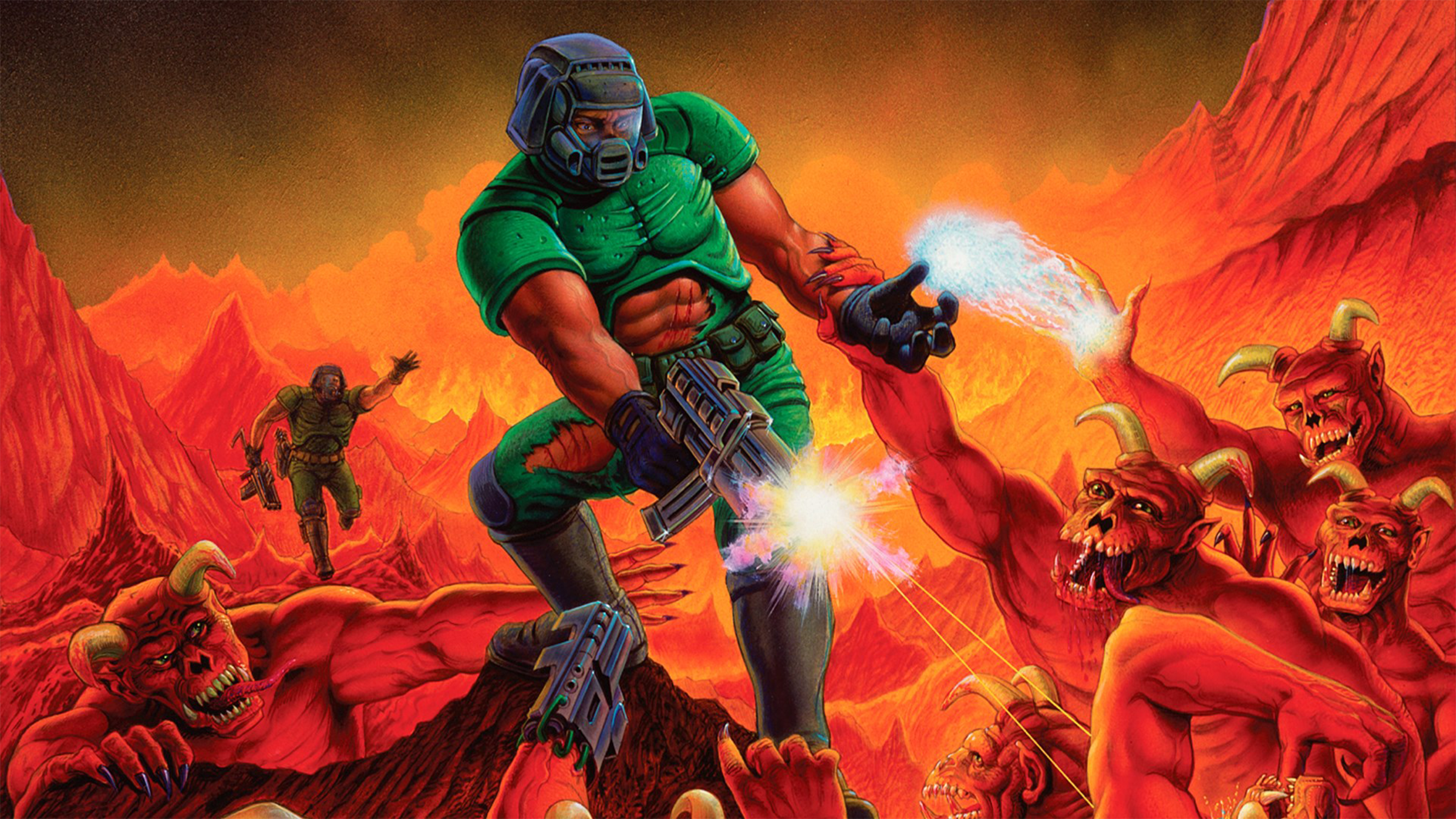
Players who enjoyed older games like Doom, Quake, Half-Life, Halo: Combat Evolved, and Medal of Honor remember health as a key part of gameplay. How quickly you moved through a level depended heavily on managing your health. You couldn’t just rush into battles, because even a small amount of damage was dangerous, and finding health packs felt like a real rescue. A well-timed medkit could be the difference between losing and winning.
The game’s design intentionally created a challenging balance: players needed to aggressively gather resources while also avoiding taking too much damage, as recovering from heavy hits could be impossible. This was a common approach in multiplayer shooters for a long time. Games like Unreal Tournament and the original Halo required players to learn when health packs reappeared and then strategically control them, treating them like powerful weapons. Mastering resource control meant having skill, a good strategy, and a strong understanding of the game map. However, this entire element of gameplay has mostly disappeared in modern games.
The 2016 reboot of DOOM by id Software intentionally broke with current gaming trends. Instead of relying on cover and automatic health recovery, the game encouraged aggressive, constant action as the key to survival. Players regained health by performing close-range ‘Glory Kills,’ found ammo with the chainsaw, and replenished armor by incinerating demons. This wasn’t simply a nostalgic nod to the original Doom; it was a conscious effort to move away from the repetitive nature of health-regenerating game mechanics.
The game DOOM showed that health packs, when designed differently, could create a really exciting way to play. It encouraged players to be aggressive and take chances instead of playing it safe. However, even though it was well-received and sold well, most other shooting games didn’t copy this style. By that point, the trend had moved towards automatically regenerating health, which proved to be a better fit for modern gamers.
The Rise of Regenerating Health & the Death of the Medkit
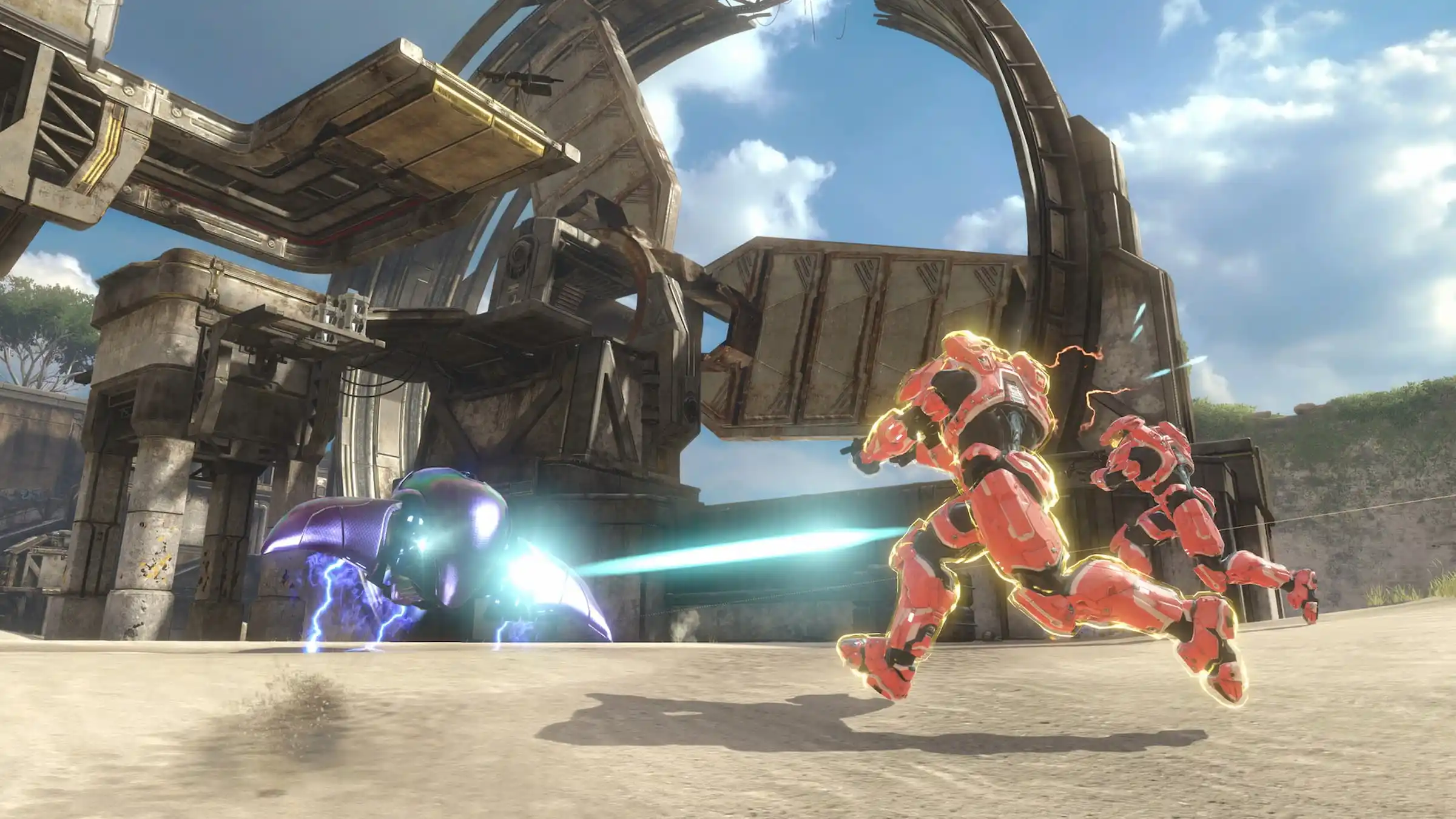
The change in shooter game design started in the early 2000s, but really took off as games aimed for more realistic, movie-like experiences. Systems that automatically restore health, first becoming popular in games like Call of Duty 2 and then becoming standard with Halo 2‘s shield system, completely changed how people played. Instead of carefully planning routes to find health pickups, players could simply hide behind cover for a few seconds to fully recover. This was easier to understand, more convenient, and made games more approachable for new players. They no longer had to memorize where health packs were located or master precise timing to use them.
Game developers discovered that automatically restoring health made games more fast-paced and enjoyable. This allowed for more intense combat, reduced the need to search for items, created richer environments, and gave developers finer control over the game’s challenge and speed. Because of these benefits, traditional health packs gradually disappeared from most games. While some titles still used a mix of both systems, shooters that relied solely on finding medkits became uncommon. Even newer games like Battlefield 6, which include health packs through support roles, prioritize automatic healing, allowing players to recover simply by waiting.
As a longtime fan, I noticed a huge shift in how battles play out. It stopped being about carefully managing health and resources and became more about timing and flow. You’d jump into a fight, quickly duck for cover, and then jump right back in a few seconds later. It was this constant back-and-forth, a rhythm between both teams, until someone finally won. It meant no more running away to heal up, taking players out of the action. The developers really embraced this faster style, and they haven’t changed it since. In fact, even the new Halo: Campaign Evolved is getting rid of health packs altogether, which shows how much things have changed!
Why Modern Shooters Abandoned the Old System
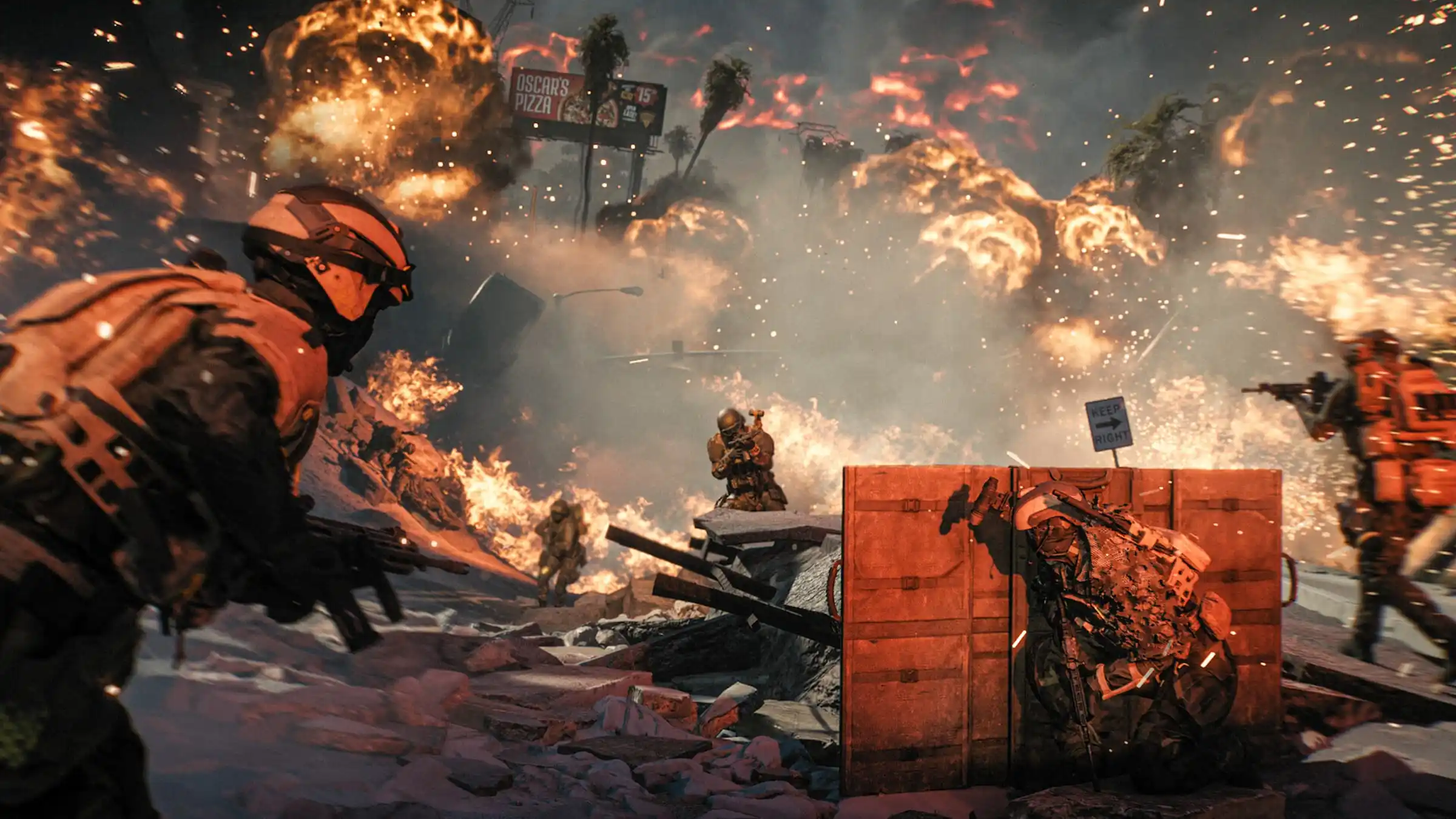
The move towards health regeneration happened for a few important reasons. It makes games easier for new and casual players, as they don’t have to worry about constantly being low on health or finding healing items. This reduces frustration and makes the game more enjoyable. In multiplayer, it levels the playing field by ensuring everyone heals at a similar pace, removing any advantage gained from controlling the locations of health packs. Modern games like Titanfall, Apex Legends, and Call of Duty: Warzone are fast-paced, and pausing to find a medkit would slow things down. Developers are also focusing more on creating immersive worlds with detailed environments and storytelling, and fewer small items cluttering the screen help maintain that focus.
Automatic health recovery makes shooting games easier and smoother, but many veteran players miss the challenge of older games. Those classics required players to carefully watch their surroundings, plan ahead, and move strategically because every shot and decision felt important. Removing health packs streamlined gameplay, but also made many shooters feel similar. Now, most popular shooting games include automatic health regeneration, which means exciting moments of desperately searching for health when you’re nearly defeated are much less common. The need to carefully manage health and find medkits used to add a unique tension and puzzle-solving element that’s largely disappeared.
Though traditional health packs are less common now, games have found new ways to handle healing. We’re seeing things like armor plates in Warzone, stim injectors in Apex Legends, and combined shield systems in many newer titles. These aren’t exactly the same as old-school health packs, but they show the core idea—health as a limited resource—is still present, just handled in different ways. There’s even a bit of a comeback happening, especially in extraction shooters like Arc Raiders, where bandages and shield rechargers are essential for survival and getting back to base.
Modern shooters inspired by classic games—often called “boomer shooters”—are intentionally returning to older gameplay styles. Games like Ultrakill, Dusk, Ion Fury, and Prodeus emphasize the strategic use of health packs and the tension they create. However, it’s unlikely we’ll see major, big-budget games do the same. Regenerating health is a better fit for the fast-paced, cinematic experiences that most AAA games focus on. Even when games like Battlefield 6 include medkits, they aren’t crucial to gameplay, signaling that the days of relying on health packs are largely over.
What do you think? Leave a comment below and join the conversation now in the ComicBook Forum!
Read More
- Gold Rate Forecast
- Dune 3 Gets the Huge Update Fans Have Been Waiting For
- Every Creepy Clown in American Horror Story Ranked
- Antiferromagnetic Oscillators: Unlocking Stable Spin Dynamics
- Hazbin Hotel Secretly Suggests Vox Helped Create One of the Most Infamous Cults in History
- 22 actors who were almost James Bond – and why they missed out on playing 007
- 5 Weakest Akatsuki Members in Naruto, Ranked
- Jack Osbourne Shares Heartbreaking Tribute to Late Dad Ozzy Osbourne
- Dungeon Stalkers to end service on June 9
- Disney Promotes Thomas Mazloum To Lead Parks and Experiences Division As Josh D’Amaro Prepares To Become CEO
2025-12-11 23:12