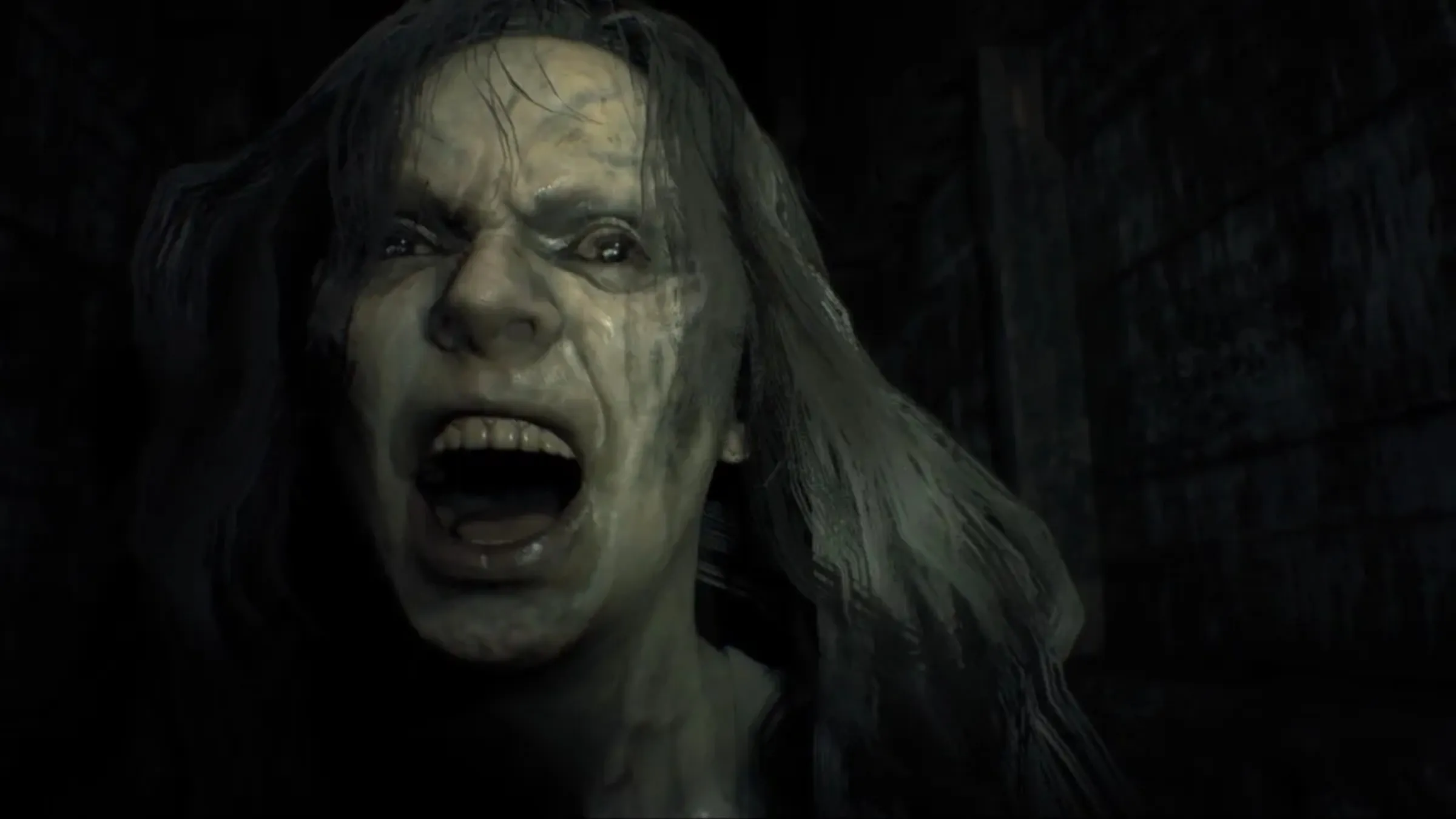
The original Resident Evil game came out in 1996 and quickly became a landmark series in the horror genre. Since then, the franchise has had both great successes and some failures. Because the best Resident Evil games are so influential, the weaker entries are particularly frustrating. About ten years ago, the series had seen a string of disappointments, leaving fans eager for a fresh start.
When Resident Evil 7: Biohazard came out nine years ago, it truly leaned into the horror aspects of the series like never before. This made it one of the most frightening games of its time and dramatically changed how the franchise approached its increasingly action-focused style. Even now, almost a decade later, Biohazard‘s impact on the Resident Evil series is comparable only to that of Resident Evil 4—which is why these two games are clearly shaping the direction the series is heading.
Resident Evil 7: Biohazard Came At A Low Point For The Franchise

For thirty years, Resident Evil has been a staple in the gaming world, though it’s had its share of highs and lows. A particularly rough patch came with the 2012 release of Resident Evil 6, which was widely disliked by both fans and critics. The story had become overly complicated, and the game’s focus on action instead of suspense didn’t resonate well. Many critics found the gameplay uninspired and felt it lacked the tension that defined earlier titles.
Even though Resident Evil 4 successfully balanced action with horror, Resident Evil 6 didn’t quite manage the same feat. While fans appreciated seeing familiar characters, the story felt messy and ultimately didn’t deliver a satisfying conclusion. The biggest issue, however, was the lack of genuine scares. Resident Evil 6 moved away from the series’ core survival-horror elements, feeling more like the action-focused live-action movies. This led Koshi Nakanishi, the director of Resident Evil 7, and his team to refocus the series on its original, frightening roots.
Why Resident Evil 7: Biohazard Works So Well
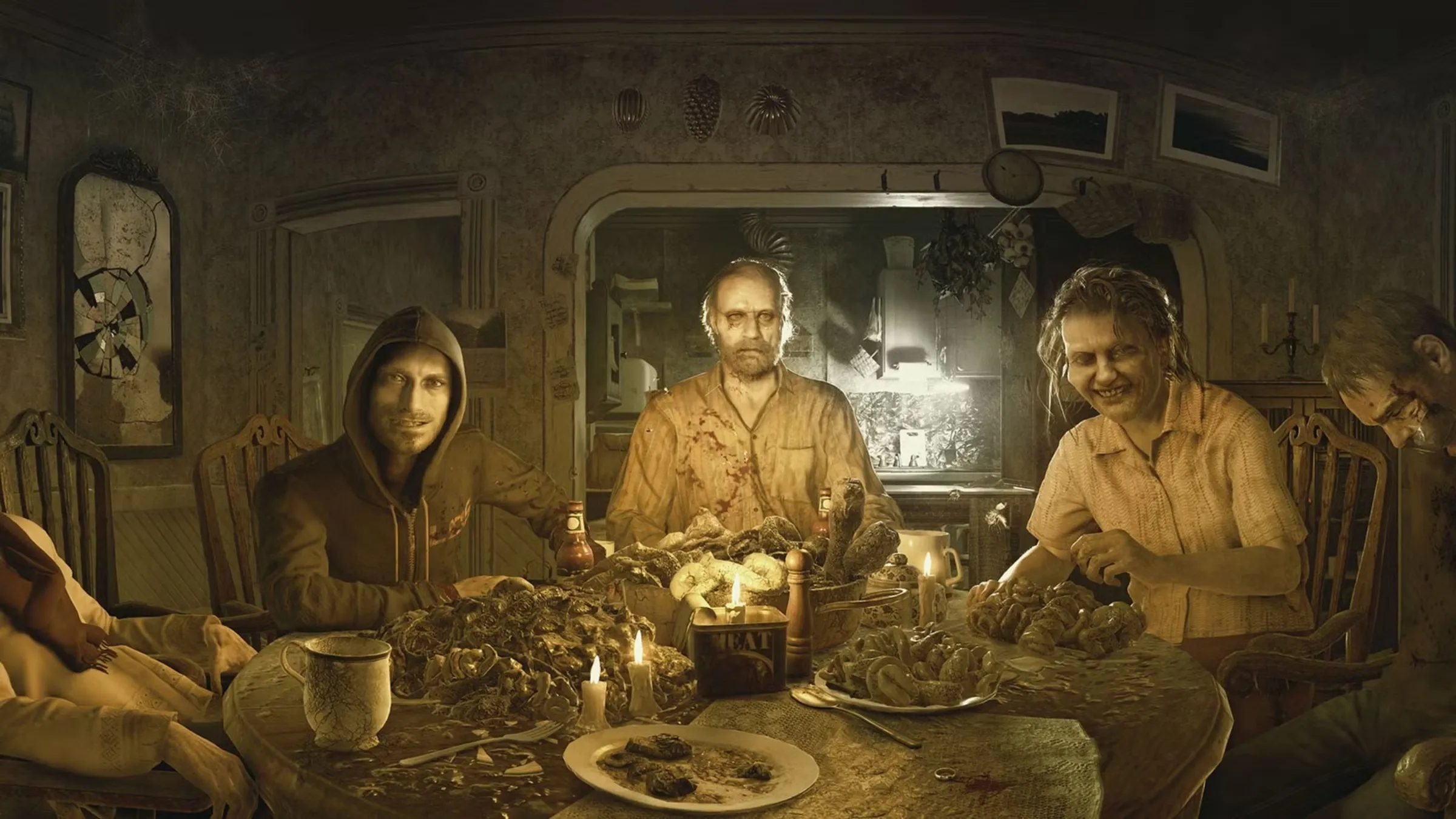
To recapture the true horror feel of the original Resident Evil games, Capcom created a brand new game engine, the RE Engine. This engine was designed with virtual reality in mind, prioritizing a first-person perspective. The team also brought on Richard Pearsey, a narrative designer known for his work on scary and action-packed games like F.E.A.R. and Spec Ops: The Line. To build tension, they deliberately made characters like Chris Redfield and Leon S. Kennedy less powerful and more vulnerable than in previous games.
Resident Evil 7 introduced Ethan Winters, an ordinary person whose fear and desperation mirrored the player’s own, creating a truly terrifying experience. Unlike previous games, it fully embraced the horror genre, even restricting combat to reflect Ethan’s realistic limitations, which heightened the tension. This approach made the game genuinely scary again – something the series hadn’t achieved in years – building fear through unsettling encounters with horrifying creatures created by mad scientists. Ultimately, Resident Evil 7 recaptured the series’ original sense of dread and terror.
Resident Evil 7: Biohazard Revitalized The Franchise
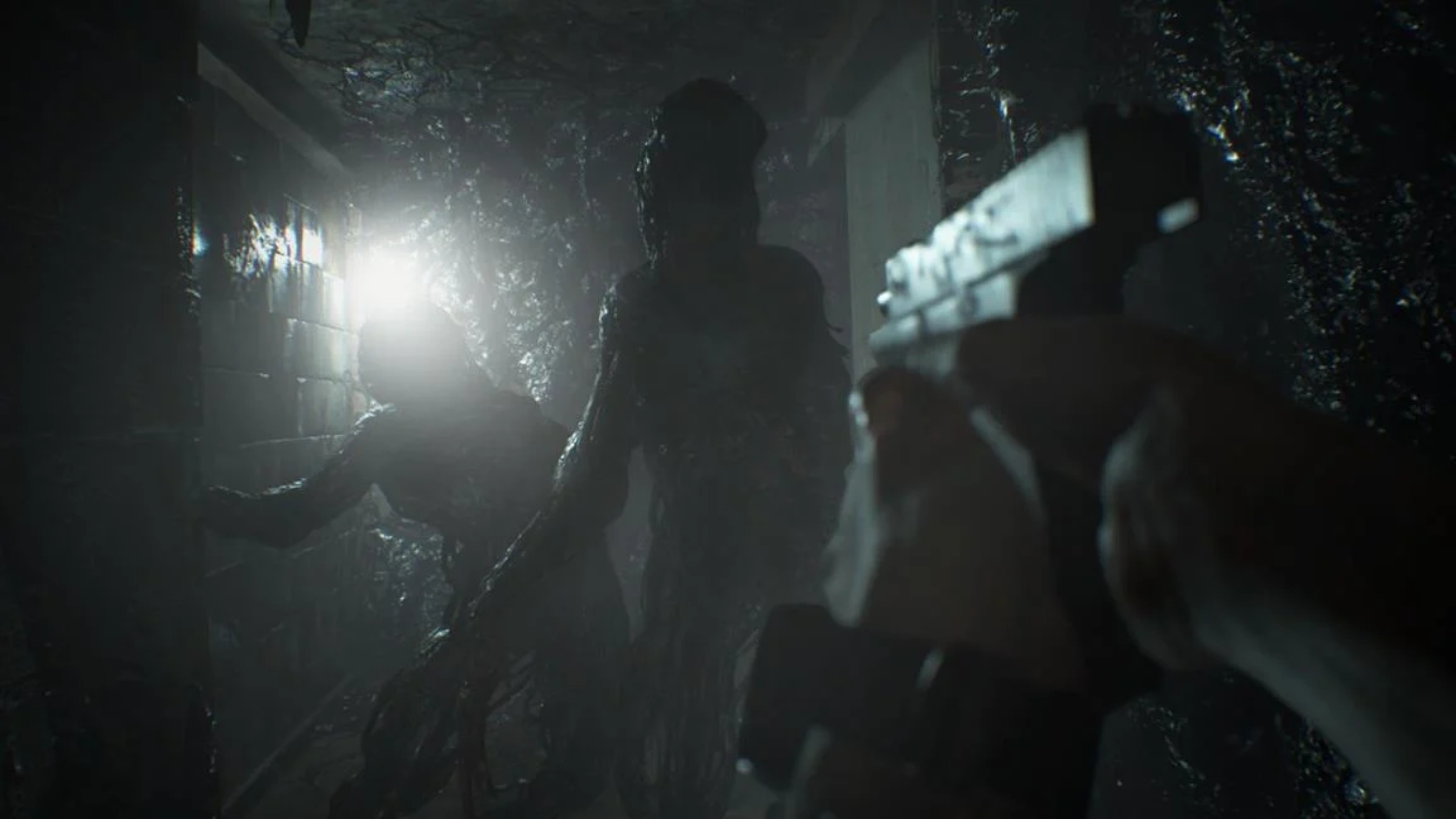
Released on January 24, 2017, for PlayStation 4, Xbox One, and Windows, Resident Evil 7: Biohazard quickly became a hit for Capcom. Critics loved the game, giving it an 86/100 score on Metacritic (the PS4 and Xbox One versions scored slightly higher than the PC version). A key change for the series was the shift to a first-person perspective, which heightened the sense of fear and made players feel more connected to the character Ethan. The game had one of the strongest launches in the series’ history, earning back its development costs in just over a week. It received numerous awards and nominations and was widely considered one of the best games of the year.
Since its release, Resident Evil 7: Biohazard has sold over 15 million copies and played a huge role in reviving the Resident Evil series when it needed it most. The game’s success led to a major resurgence in popularity for the franchise, with new installments like Resident Evil VIII: Village and impressive remakes of older titles, such as Resident Evil 2. Importantly, Biohazard seems to have permanently changed the direction of the series. For the past nine years, every new Resident Evil game has prioritized creating a truly terrifying experience, something that had been missing for a while. Even the upcoming Resident Evil: Requiem is building on the lessons of Biohazard, balancing intense action with moments of suspense. Ultimately, Resident Evil 7: Biohazard was essential to restoring the franchise and ensuring horror remains central to its design.
Read More
- Gold Rate Forecast
- Looks Like SEGA Is Reheating PS5, PS4 Fan Favourite Sonic Frontiers in Definitive Edition
- Dune 3 Gets the Huge Update Fans Have Been Waiting For
- Pluribus Star Rhea Seehorn Weighs In On That First Kiss
- Arknights: Endfield – Everything You Need to Know Before You Jump In
- Jack Osbourne Shares Heartbreaking Tribute to Late Dad Ozzy Osbourne
- Antiferromagnetic Oscillators: Unlocking Stable Spin Dynamics
- 5 Weakest Akatsuki Members in Naruto, Ranked
- Kelly Osbourne Slams “Disgusting” Comments on Her Appearance
- Every Upcoming Transformers Movie: Release Dates, Details, & Everything We Know
2026-01-25 00:11