Lately, everyone online is discussing Netflix‘s potential purchase of Warner Bros. film and TV, including HBO Max, and for good reason. This isn’t just another typical Hollywood deal; it’s a major change that will likely reshape the entertainment industry over the next few years. Netflix has built its success by largely avoiding traditional cinema, and while it’s incredibly popular, it’s always prioritized data – like viewership numbers, watch time, and subscriber retention – over the artistic or communal aspects of film.
Think about applying this strategy to major franchises like Harry Potter, The Lord of the Rings, The Matrix, Dune, or DC Universe. This would force the company to release films in traditional movie theaters – something they’ve avoided until now. And that’s where things get difficult. What we’re seeing is likely the start of significant changes within the film and television industry.
Netflix’s Strategy with Warner Bros. Movies Could Harm the Film Industry
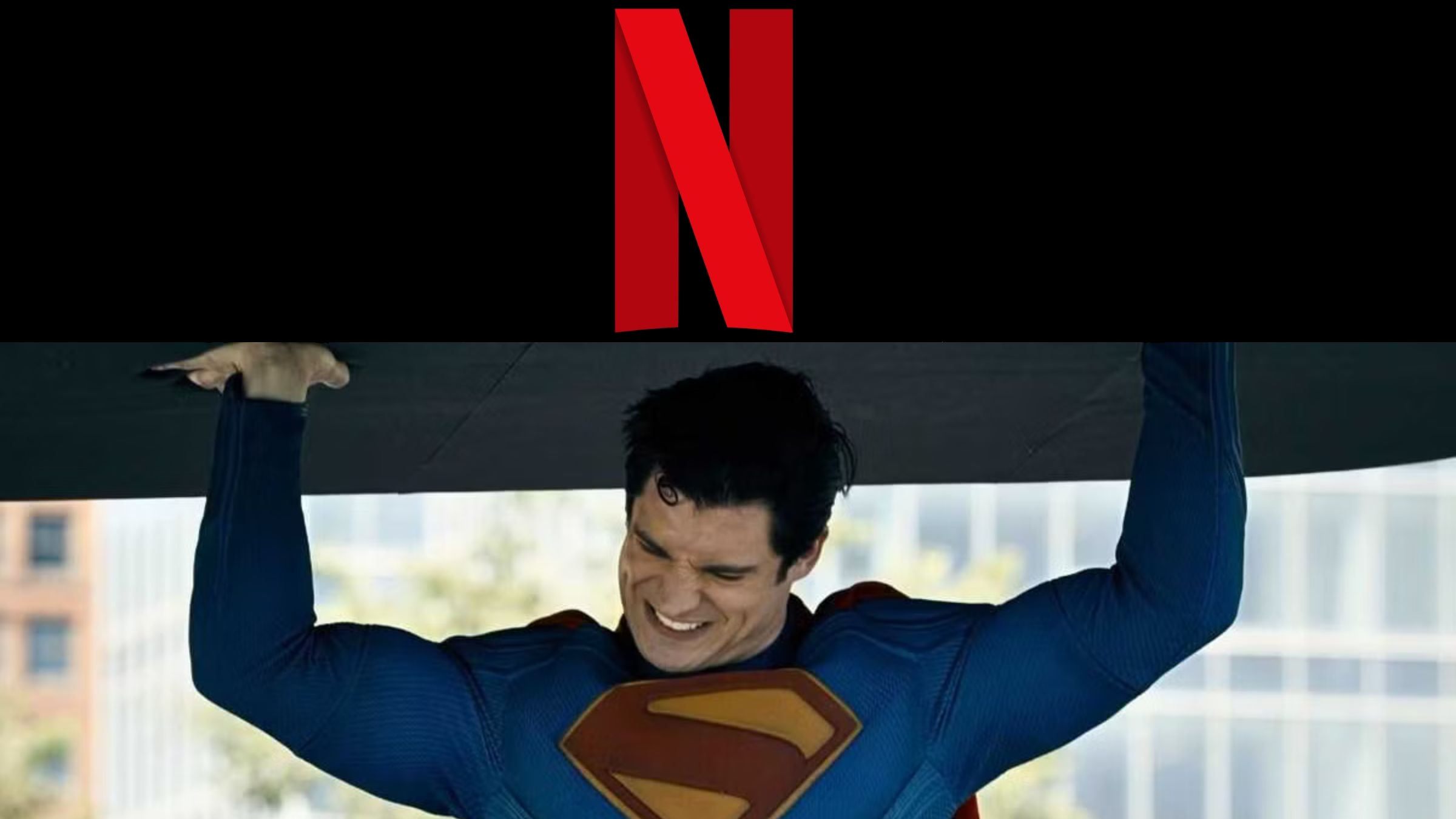
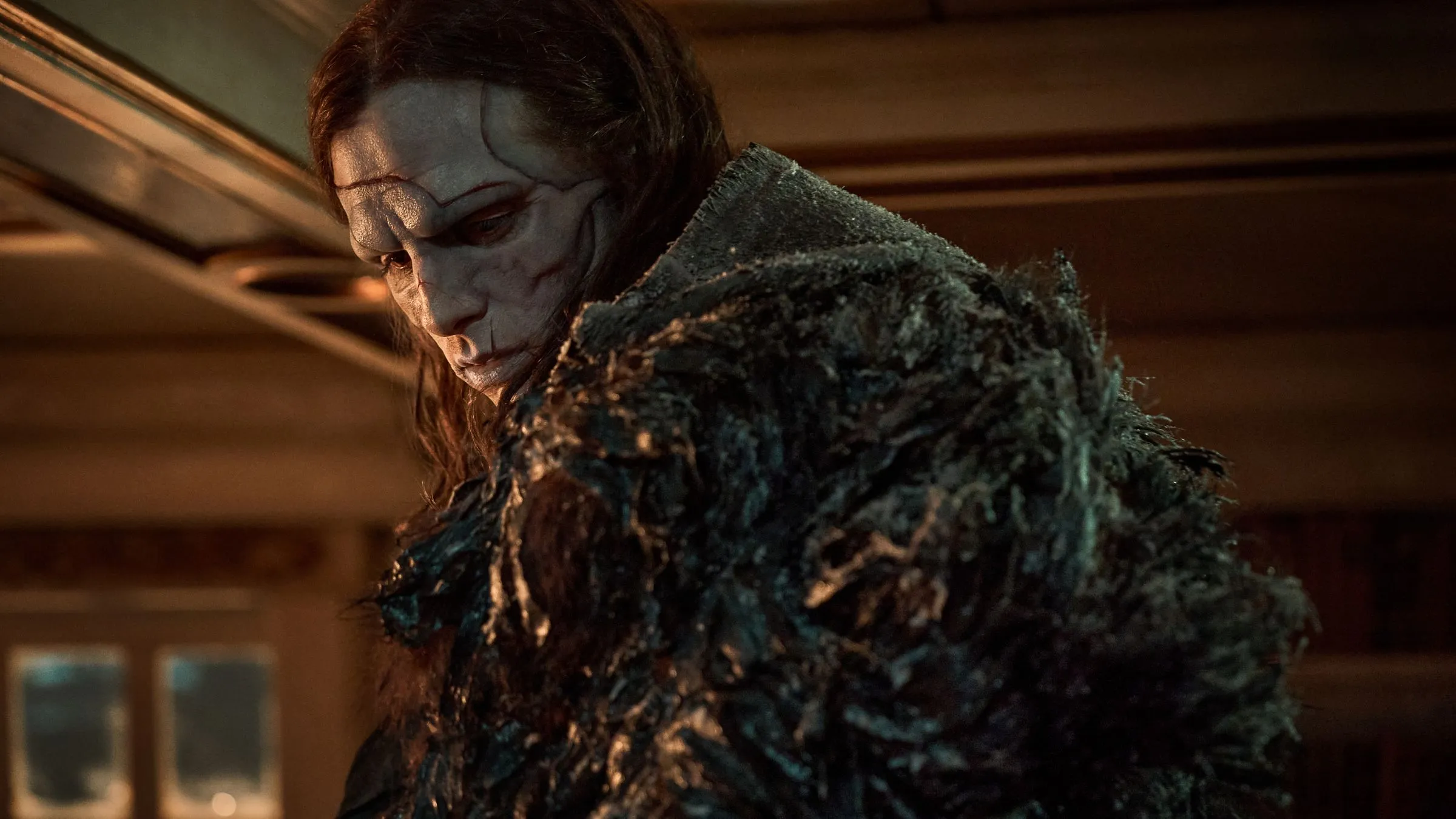
Warner Bros. had an incredibly successful year at the box office, earning over $4 billion worldwide thanks to hits like Superman, Weapons, Sinners, F1, and The Minecraft Movie. While Netflix has occasionally released films in theaters, they’ve always done so in a limited and calculated way. Movies like The Irishman, Marriage Story, and Don’t Look Up had brief theatrical runs, primarily to encourage viewers to stream them on the platform. A recent case is Guillermo del Toro’s Frankenstein, which was initially intended as a Netflix-only release but played in theaters for three weeks due to strong public demand and the director’s advocacy.
This is Netflix’s attempt to show they’re willing to release movies in theaters, satisfying those who’ve been asking for it. However, these films are really more about promoting Netflix and winning awards than being traditional cinematic releases.
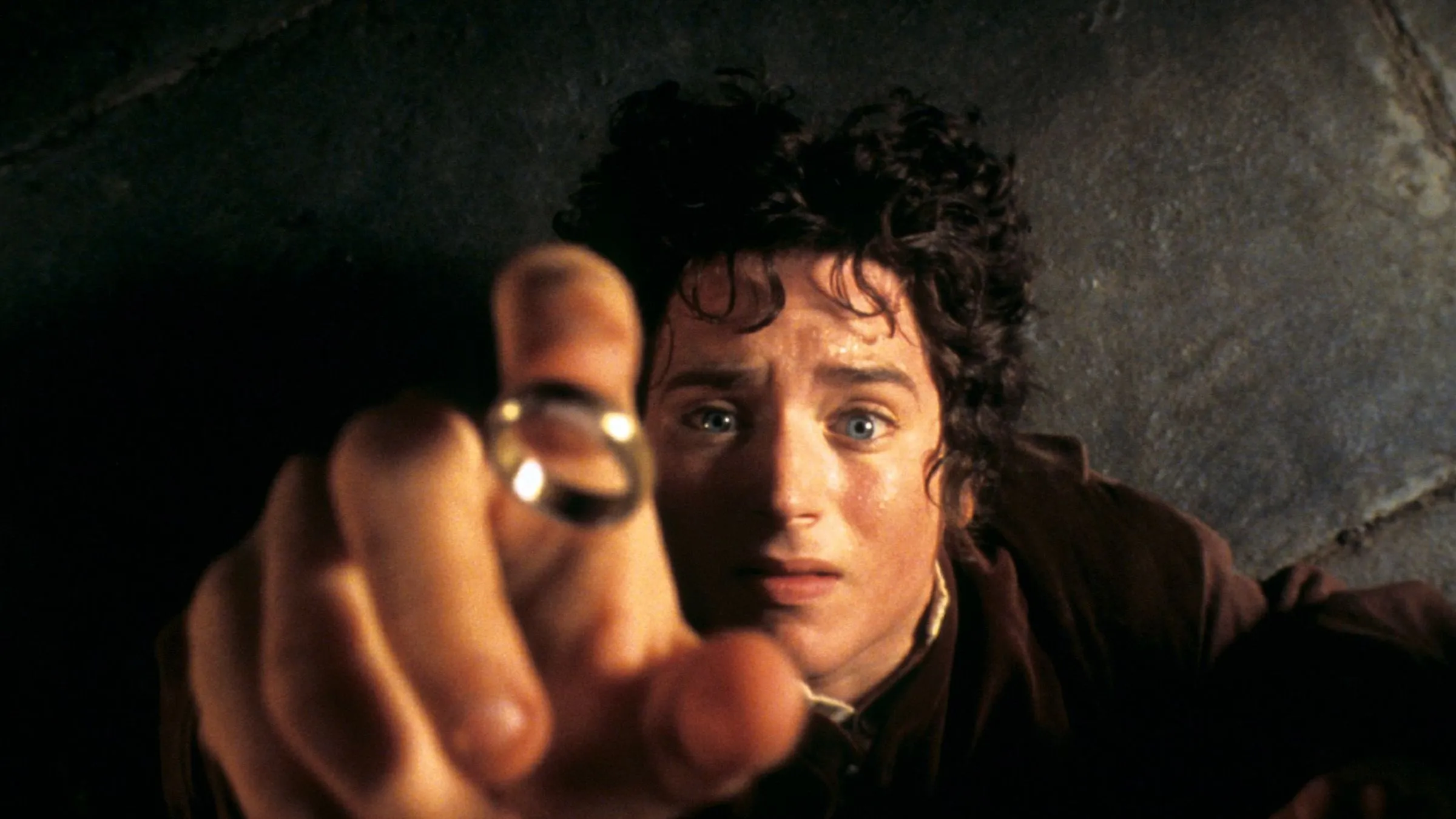
While it might be okay for smaller, independent films, releasing large franchises like DCU or Dune – or even classics like Lord of the Rings – primarily for phones and computers doesn’t make sense. These films were created for the big screen, where their impressive visuals, sound, and storytelling can truly shine. The impact of the cinematography, special effects, and editing is lost when viewed on smaller devices, diminishing the tension, emotional connection, and overall experience that made them so critically and popularly successful. Ultimately, it reduces these epic stories to just another streaming option, stripping away the grandeur they deserve.
As a film critic, I’m genuinely worried about the future of big-screen spectacle. Think about films like Dune or Superman – their impact relied so heavily on that immersive, large-scale experience. You just can’t get that at home. If Netflix continues down the path it took with Frankenstein, we’re going to see these potentially amazing, epic movies released with little fanfare in theaters, and most people will simply watch them on their TVs. It’s a shift from creating a memorable experience to just chasing numbers, and honestly, that feels like a real loss for cinema.
Netflix’s future power is enormous. By owning a studio, a vast library of content, and a streaming service, they essentially control what gets made, funded, and how people watch it. This deal makes them even more dominant – they previously controlled content created in-house, but now they also control much of what comes from Warner Bros. This gives them significant influence over the entire Hollywood system, from distribution and film festivals to awards and independent cinemas. It’s similar to someone who always relied on fast food suddenly acquiring a historic, city-wide restaurant.
Technology is transforming every industry, but its impact on film is particularly significant. Movies are more than just entertainment; they’re a vital part of our culture, history, and shared experiences. They influence how stories are told and shape generations. Focusing solely on numbers and data doesn’t just change filmmaking – it risks damaging the heart of the industry. It’s a surprising reversal, potentially dismantling a century-old system that has fostered creativity, storytelling, and community, and reducing film to just another digital commodity.
Netflix’s Acquisition Risks Homogenization and Kills Originality

Netflix Co-CEO Ted Sarandos stated the company doesn’t oppose releasing films in theaters and will continue to support that traditional approach – showing movies in cinemas before they’re available on the streaming service. However, pointing to the experience with the film Frankenstein, he explained that Netflix doesn’t think movies need to stay exclusively in theaters for very long. Netflix believes lengthy theatrical runs delay people from watching on the platform and prevent them from quickly gathering valuable audience feedback. From their point of view, watching a long film like Dune: Part Two is no different than watching a series or reality show of similar length – the content itself isn’t the key factor.
Netflix believes limited theatrical releases can create excitement for its franchises. However, this overlooks the significant impact of word-of-mouth – people talking about and recommending movies is a powerful way to build an audience. When films stay in theaters for a reasonable amount of time, that natural buzz grows and attracts more viewers. A shorter release window cuts off this important benefit. Because theaters depend on strong ticket sales, if Warner Bros. adopts Netflix’s strategy, many cinemas could struggle financially, potentially leading to closures due to lower attendance and revenue.
Netflix should release films in cinemas for a reasonable amount of time. Big movies and franchises need a chance to build excitement and get good reviews in theaters before becoming available on the streaming service. We don’t need the old 90-day exclusivity rule, but a balanced approach would allow audiences to enjoy films in theaters, create buzz, and still fit with Netflix’s streaming plans. Giving movies this theatrical release will make a bigger impact.
As a movie lover, it’s tempting to think having tons of franchises popping up on streaming services is a good thing – more options, right? But honestly, I’m worried it’s actually hurting movies in the long run. It feels like Hollywood is playing it too safe. When studios only focus on what’s already proven, it crushes originality and diversity. We’re already seeing complaints about endless remakes and sequels, and a real lack of fresh stories. It’s not just random, though. It feels like a sign of a deeper problem, and with Netflix jumping in, I fear things will only get worse. They’ll likely double down on what’s “safe” and focus on numbers instead of taking risks on genuinely creative projects. What feels like convenience – having everything available instantly – is actually leading to the opposite: more of the same, and a real loss for the art of filmmaking.
If Netflix doesn’t adapt, the consequences will be significant. Movie theaters will continue to struggle, and ultimately, audiences will become dissatisfied. We’ll see fewer daring and original films, as studios focus solely on what’s popular with algorithms. Films will be made to chase numbers, not to create meaningful experiences or lasting cultural impact. Essentially, the film industry has aligned itself with the very thing that threatens its artistic spirit.
What do you think? Leave a comment below and join the conversation now in the ComicBook Forum!
Read More
- Gold Rate Forecast
- Hazbin Hotel Secretly Suggests Vox Helped Create One of the Most Infamous Cults in History
- 22 actors who were almost James Bond – and why they missed out on playing 007
- Every Creepy Clown in American Horror Story Ranked
- As Dougal and friends turn 60, Radio Times explores the magic behind The Magic Roundabout
- Best X-Men Movies (September 2025)
- Kingdom Come: Deliverance 2 – Legacy of the Forge DLC Review – Cozy Crafting
- Blue Protocol Star Resonance: Goblin Lair Dungeon Guide
- Chill with You: Lo-Fi Story launches November 17
- Jack Osbourne Shares Heartbreaking Tribute to Late Dad Ozzy Osbourne
2025-12-10 03:14