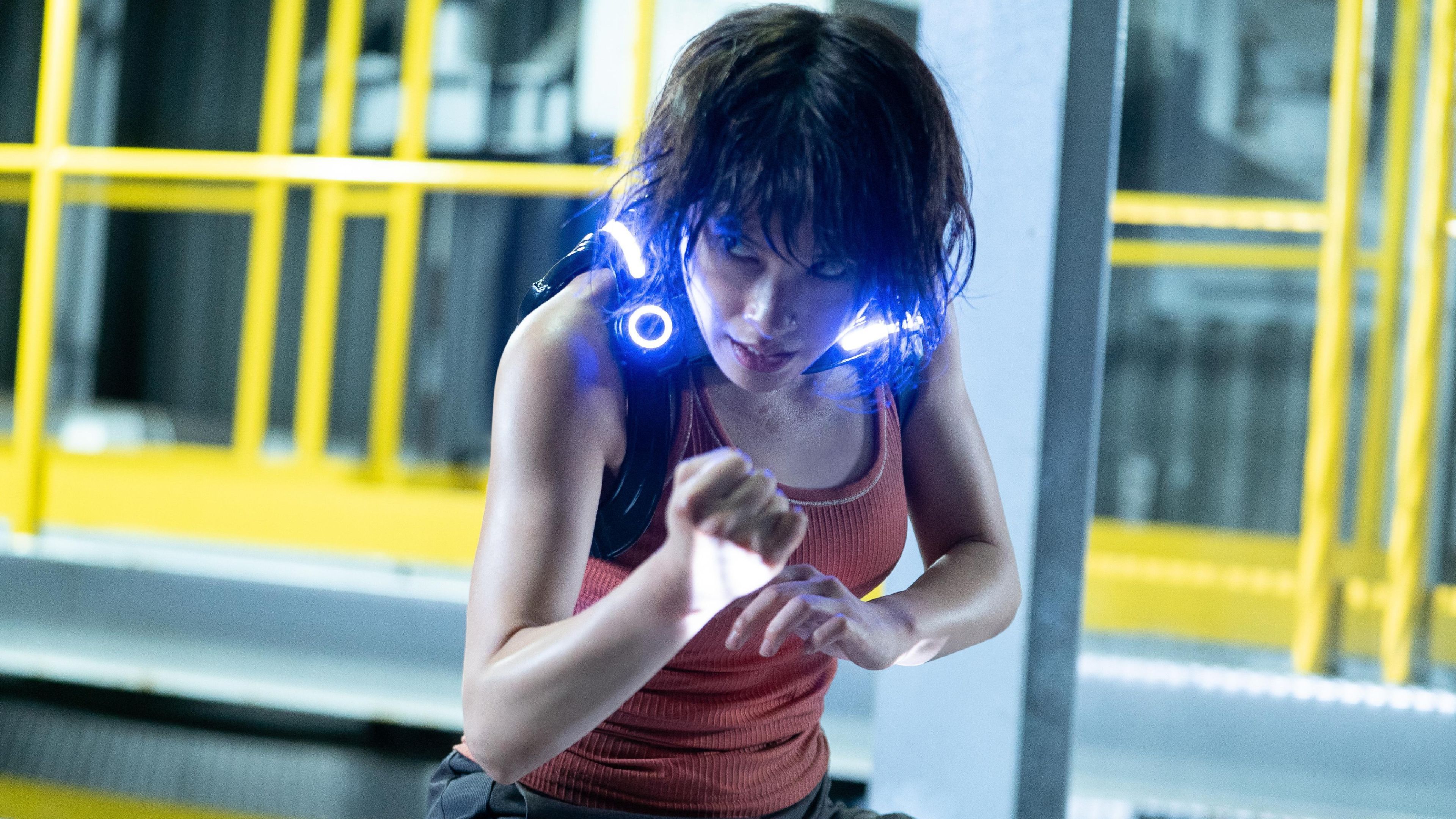
Live-action adaptations of anime used to be known for being bad – many were considered truly terrible. The 2009 film Dragonball Evolution was particularly infamous, but others like Fullmetal Alchemist, Death Note, Ouran High School Host Club, Cowboy Bebop, and Attack on Titan weren’t much better. Because several of these disappointing adaptations were produced by Netflix, the streaming service became known for failing to do justice to popular anime series.
Live-action anime adaptations are hit or miss. Sometimes, they don’t have enough funding, leading to unintentionally silly results – think awkward wigs and costumes, like in the Fullmetal Alchemist adaptation. Other times, filmmakers try so hard to make the anime appeal to Western audiences that they lose what made it special in the first place, as happened with Death Note and Dragonball Evolution.
Live-action adaptations have been improving lately. While they don’t always succeed, there have been some notable wins. For Netflix, this change began with the 2020 series Alice in Borderland, which surprisingly became a huge hit. It proved to be a really great show, even paving the way for the success of One Piece three years later.
Alice In Borderland Beat One Piece To Being Netflix’s First Good Live-Action Anime Adaptation
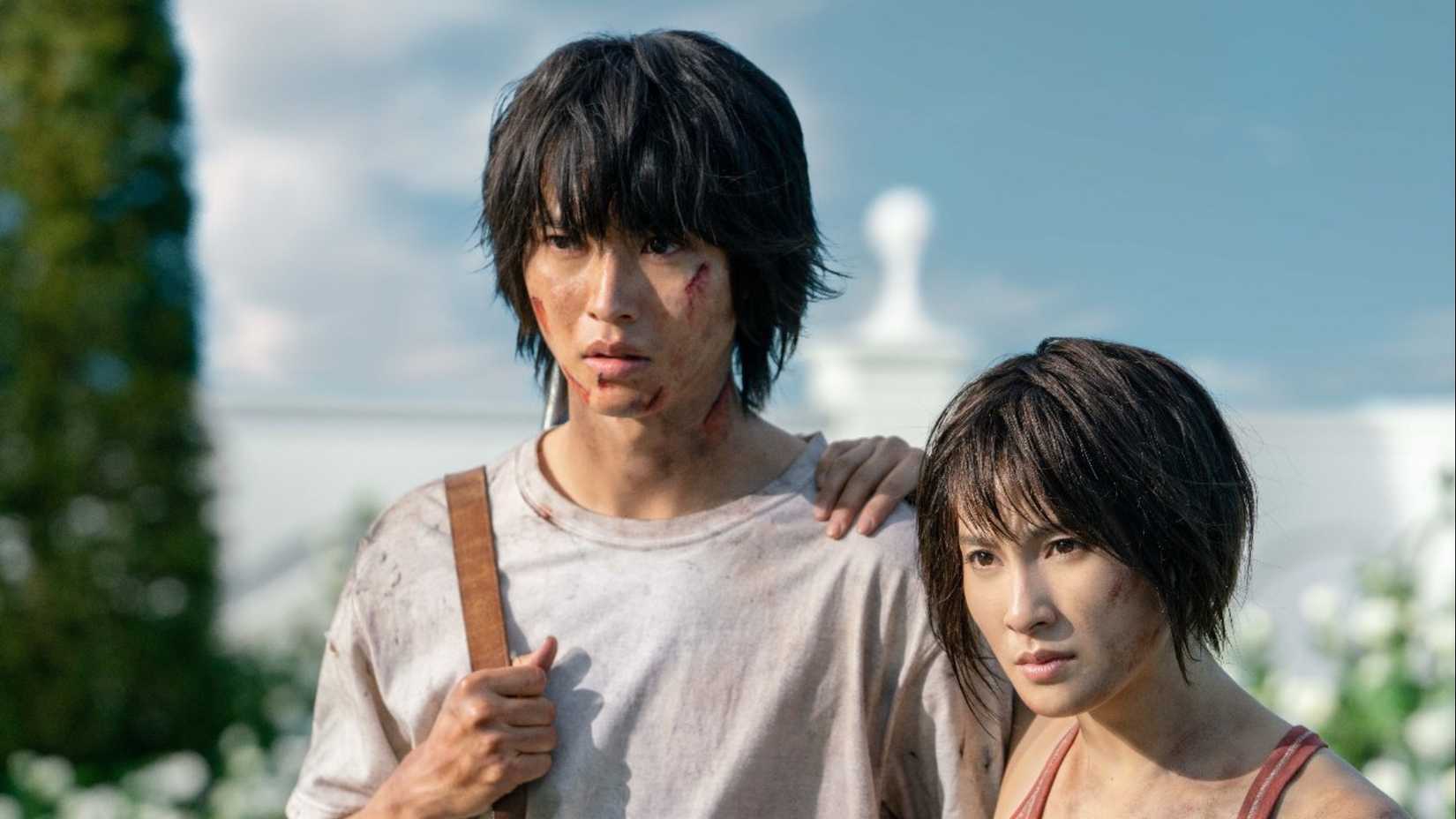
While 2023’s One Piece has become a huge success for live-action anime, Alice in Borderland was the first Netflix show to truly break the mold. Its first season, released in 2020, was a standalone hit, appealing to viewers even if they weren’t familiar with the original anime. What’s particularly noteworthy is that Alice in Borderland achieved this without alienating existing anime fans.
The success of Alice in Borderland comes down to how well it was adapted, with careful attention to quality and respect for the source material. This resulted in an impressive 82% approval rating on Rotten Tomatoes for season 1 – a rare achievement for live-action anime adaptations. Remarkably, season 2 was even better, earning a 91% approval rating from critics and bringing the series closer to perfection. It finally overcame the typical challenges faced by these types of adaptations.
Netflix followed up on its success with One Piece, which, like before, stayed true to the original story. This time, though, the show embraced the fantastical elements of anime, delivering the exciting visuals and easy-to-enjoy experience of the animated series in live-action. Similar to Alice in Borderland, One Piece improved with its second season, jumping from an 86% rating on Rotten Tomatoes after season one to a perfect 100%. Both One Piece and Alice in Borderland demonstrate what’s possible with adaptations, though a slight concern remains.
Alice In Borderland Still Struggled To Match Its Source Material
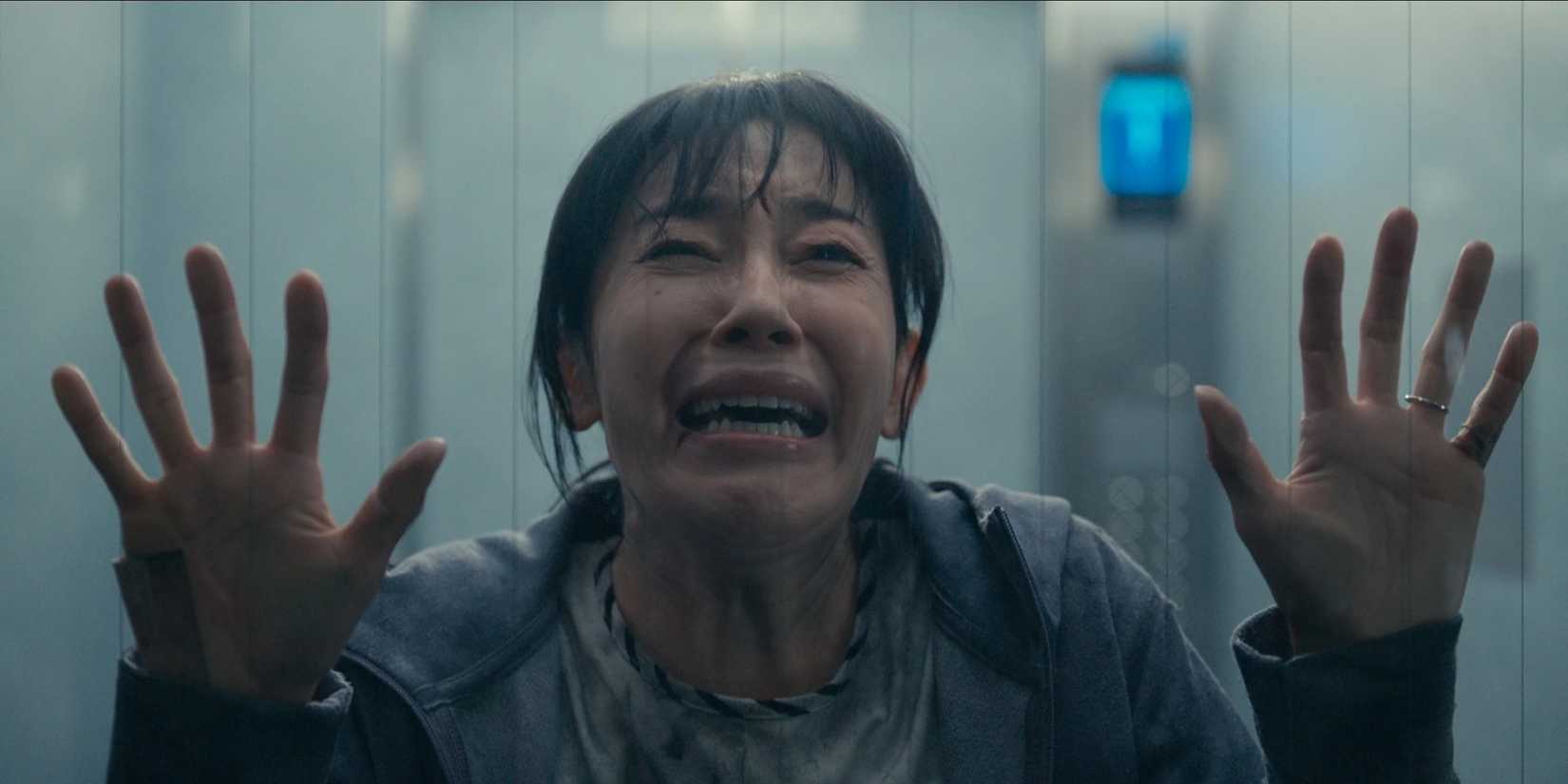
The first two seasons of Alice in Borderland were excellent and adapted the entire original manga. Despite having a complete story, Netflix decided to continue with a third season, moving beyond the source material. Whether due to excitement or a desire for more content, this new season unfortunately didn’t live up to expectations, as reflected in its low 63% rating on Rotten Tomatoes.
The recent drop in popularity proves that live-action anime adaptations often fail when they deviate from the original story. With One Piece, there’s no worry about the adaptation going beyond what creator Eiichiro Oda has planned, as both the manga and anime are still being made. But problems could occur if the live-action series tries to create its own ending, one that doesn’t exist in the original source material.
While Alice in Borderland surprised many with its two excellent seasons, potentially changing expectations for anime adaptations, the pressure is now on One Piece to continue this trend and deliver a truly outstanding third season – and beyond.
Read More
- Gold Rate Forecast
- 10 Most Powerful Versions of Superman, Ranked
- GBP CNY PREDICTION
- 007 First Light: Release Date, Story, Gameplay, Cast, Editions, and Platforms
- 10 Greatest Wii U Games of All Time, Ranked
- Superman’s 7 Best Power-Ups, Ranked
- Forza Horizon 6 Car List So Far: Confirmed Highlights, Cover Cars, DLC, and Rewards
- DOGE PREDICTION. DOGE cryptocurrency
- Kingdom Come Deliverance Update 1.002 Enables Trophies to Be Transferred
- The 10 Greatest Spy Thriller Movies Of All Time, Ranked
2026-06-01 05:19