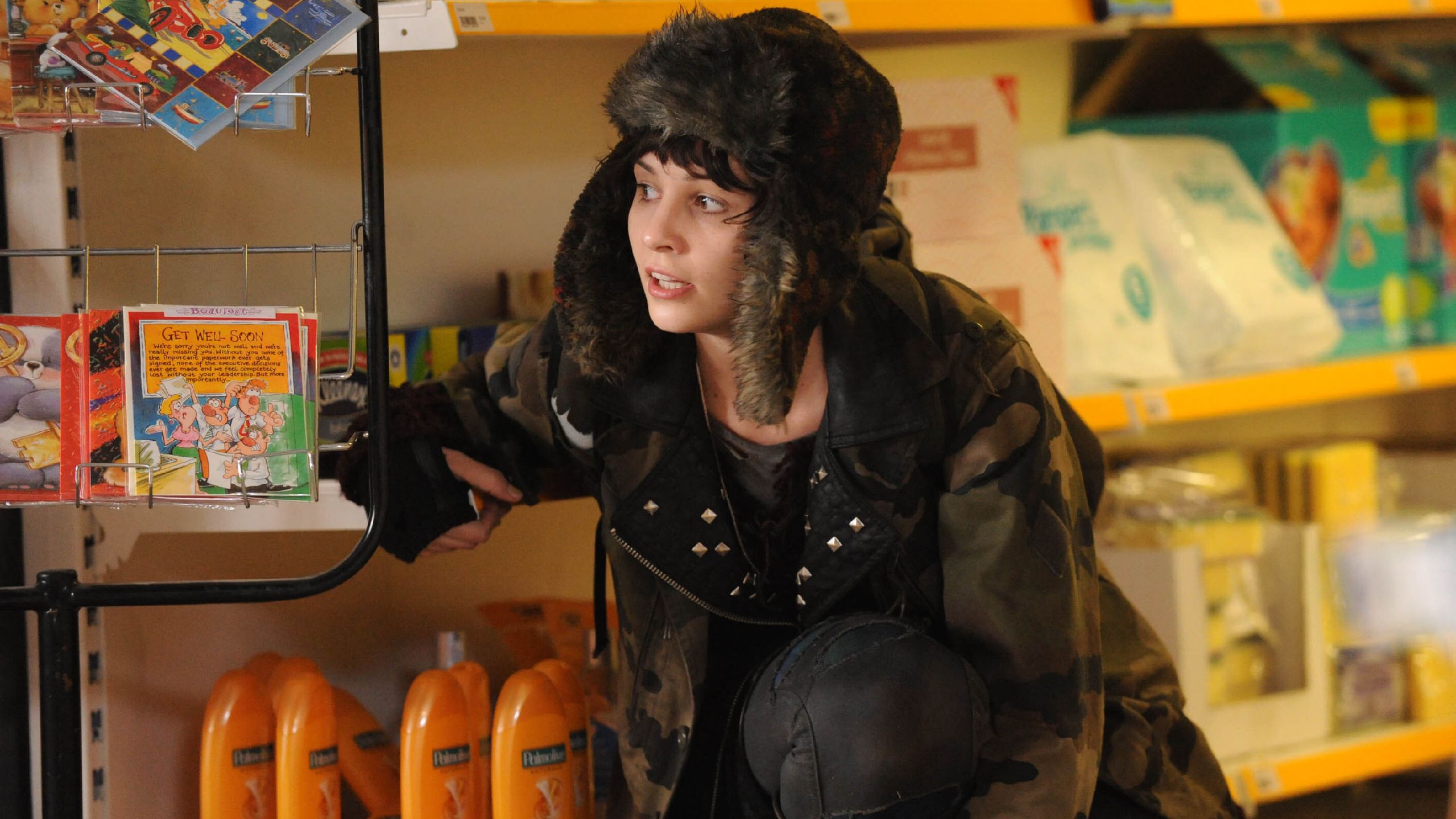
Shows about dark futures are now a major part of science fiction television. Programs like Silo and The Handmaid’s Tale prove that audiences are fascinated by stories that picture the most frightening possibilities, whether it’s a world destroyed by disaster or a society completely controlled by technology. This popularity suggests many people are looking for unsettling views of what’s to come, and no show has quite captured that feeling as well as Black Mirror.
Created by Charlie Brooker, Black Mirror first aired in the UK and later became a Netflix hit starting with season 3. This sci-fi anthology series dives into the potentially disturbing consequences of technology and its impact on humanity. While known for its quality production and talented actors, Black Mirror’s real power lies in how much it feels like a warning about the future, rather than just a work of fiction.
After seven successful seasons on Netflix, Black Mirror is now a hugely popular science fiction show. The reason it consistently grabs everyone’s attention isn’t just its impressive visuals or acting – it’s because the show presents future scenarios that are truly unforgettable and spark important conversations.
The Futures Painted By Black Mirror Are Harrowingly Close
The Show’s Most Terrifying Trick Is How Little It Feels Like Fiction
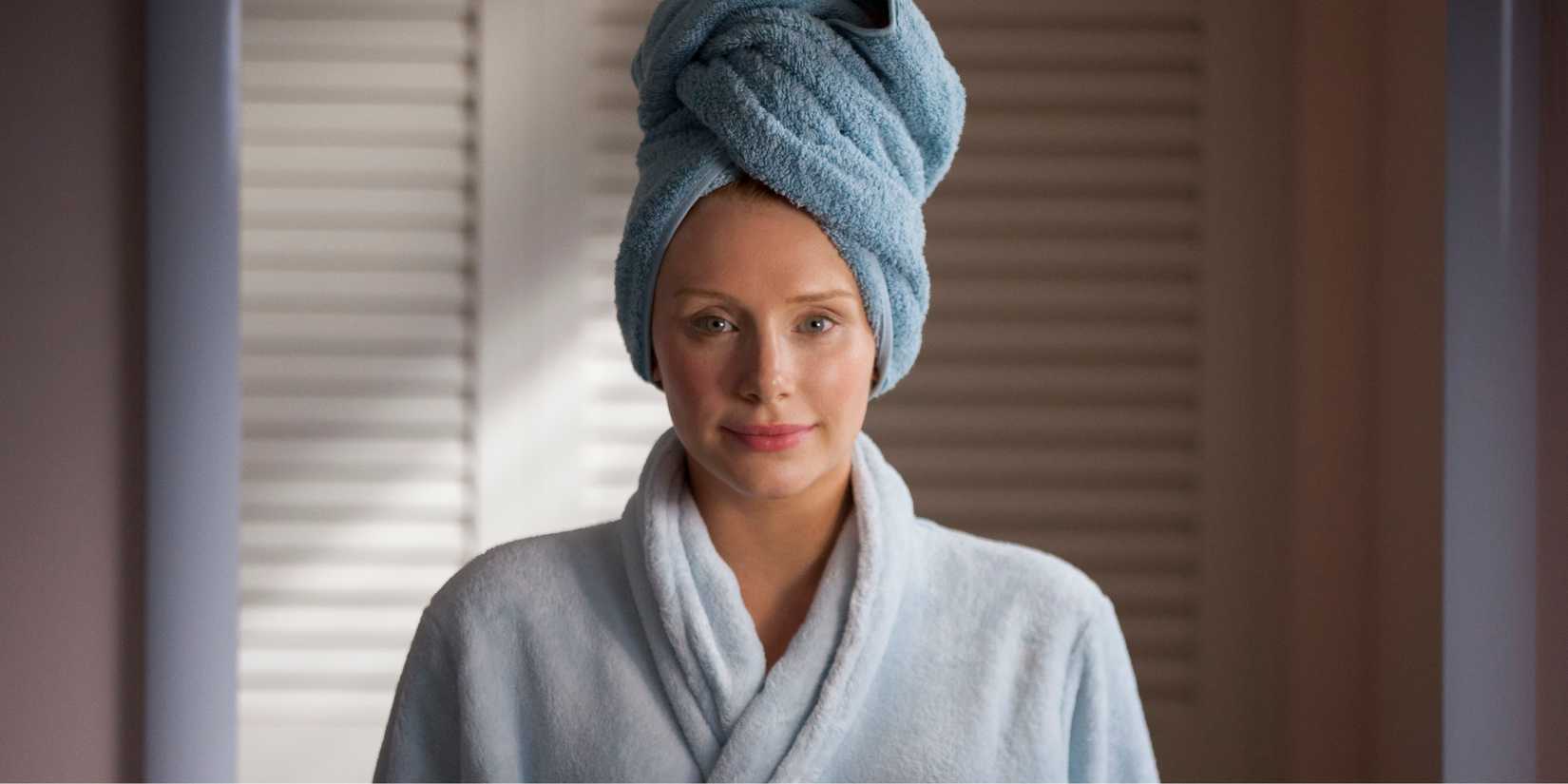
What really sets Black Mirror apart is how believable its future worlds feel. Most dystopian sci-fi looks far off, but Black Mirror feels just around the corner. It doesn’t show us a distant, worst-case future; instead, it presents slightly altered versions of the lives we’re living right now, making it unsettlingly relatable.
Consider the “Nosedive” episode from Black Mirror’s third season. It centers on Lacie Pound (played by Bryce Dallas Howard), a woman living in a world where everyone is constantly rated on social media. This idea feels very relevant to today’s influencer culture. The episode doesn’t create a completely alien world; instead, it takes a modern issue and explores where it could logically lead.
What really gets under your skin about Black Mirror is how believable it all is. And honestly, rewatching the early episodes now is even more chilling. When the show started back in 2011, it felt like it was predicting a distant future. But here we are in the 2020s, and so many of those ‘future’ technologies? They’re already part of our everyday lives. It’s genuinely unsettling how quickly science fiction became reality.
The first season of Black Mirror offered a chillingly prescient example with the episode “The Entire History Of You.” It featured Liam, who used a contact lens implant to record and replay his memories. When it first aired, the technology seemed like science fiction. But now, with smart glasses and other AI-powered recording devices readily available, the story feels surprisingly realistic.
What makes Black Mirror different from most dystopian sci-fi is that it doesn’t focus on huge disasters or controlling governments. Instead of massive apocalypses or oppressive regimes, the show’s dark futures arise from everyday people and how they use technology, with things gradually getting out of hand. The threat isn’t coming from a powerful source, but from within society itself.
What really gets me about Black Mirror is how believable every episode feels. It’s not about some far-off, futuristic world; it takes technologies we already have and explores where they could realistically lead us. That’s what shifts it from being just a sci-fi show about paranoia to a really smart commentary on society, using a sci-fi look and feel. It doesn’t ask you to predict the future; it makes you see how the present is creating it.
How Black Mirror Became Synonymous With Dystopian Futures
The Series Didn’t Just Reflect The Future, It Redefined It
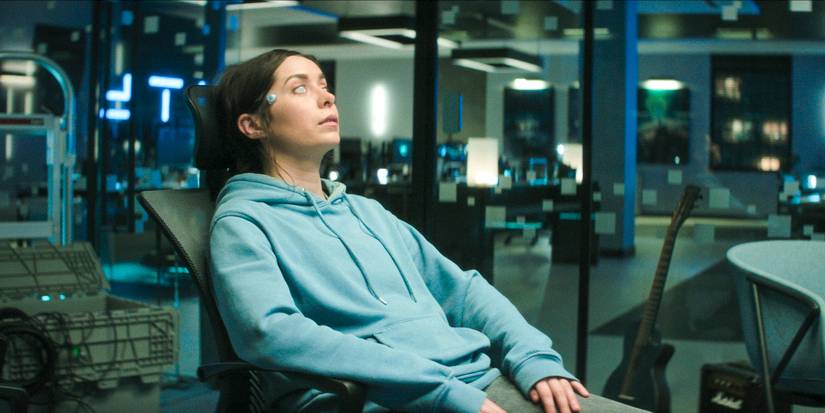
Since it first aired in 2011, Black Mirror has become much more than just a popular science fiction show. It’s now a quick way to refer to a certain type of dark, futuristic story. If something happens in real life that feels disturbingly like something from the show, people often say “that’s very Black Mirror.”
The show’s cultural influence comes from its consistent focus on the troubling aspects of new technology. Unlike many science fiction series that broadly examine how progress impacts society, Black Mirror focuses on the personal and often unsettling consequences for individuals. It avoids grand, special-effects-driven stories and instead tells smaller, more human-focused tales.
It might seem strange, but focusing on individual people—rather than the broader world—is a major reason why Black Mirror is so successful. Each episode tackles difficult ethical questions about technology, but it does so by showing how these technologies affect people personally, not society as a whole. Unlike most dystopian shows that prioritize creating a detailed world, Black Mirror focuses first on creating a strong emotional connection with the viewer.
One key to Black Mirror‘s success in the dystopian sci-fi genre is that each episode tells a completely separate story. This prevents the show from becoming repetitive and allows it to explore fresh ideas constantly. This approach keeps the series current, as it can quickly address new technologies and changes in society.
One of the things that makes Black Mirror so popular is how easy it is to watch. Unlike many other science fiction shows with long, complicated storylines, each episode stands alone. This means new viewers can jump in at any point without needing to watch dozens of episodes or multiple seasons to understand what’s going on. This format has helped the show reach a wider audience because you can get the main idea of a story in a single sitting.
What makes Black Mirror so popular is its ability to reflect our real-world worries. In a time of fast-paced technological advancements, the show connects with current fears, with each season exploring new and increasingly relevant issues. It helps viewers understand and rethink the changing world around them, which is why it’s become the most well-known example of dystopian futures in science fiction today.
Read More
- Looks Like SEGA Is Reheating PS5, PS4 Fan Favourite Sonic Frontiers in Definitive Edition
- Dune 3 Gets the Huge Update Fans Have Been Waiting For
- Pluribus Star Rhea Seehorn Weighs In On That First Kiss
- Gold Rate Forecast
- Kelly Osbourne Slams “Disgusting” Comments on Her Appearance
- Arknights: Endfield – Everything You Need to Know Before You Jump In
- Tomodachi Life: Living the Dream ‘Welcome Version’ demo now available
- Why Eriksholm: The Stolen Dream Could Be 2025’s Standout Stealth Experience
- Alien & Predator Shared Universe Explained: All Crossovers, Connections, Canon & Secret 3rd Sci-Fi Franchise
- 5 Weakest Akatsuki Members in Naruto, Ranked
2026-03-31 20:19