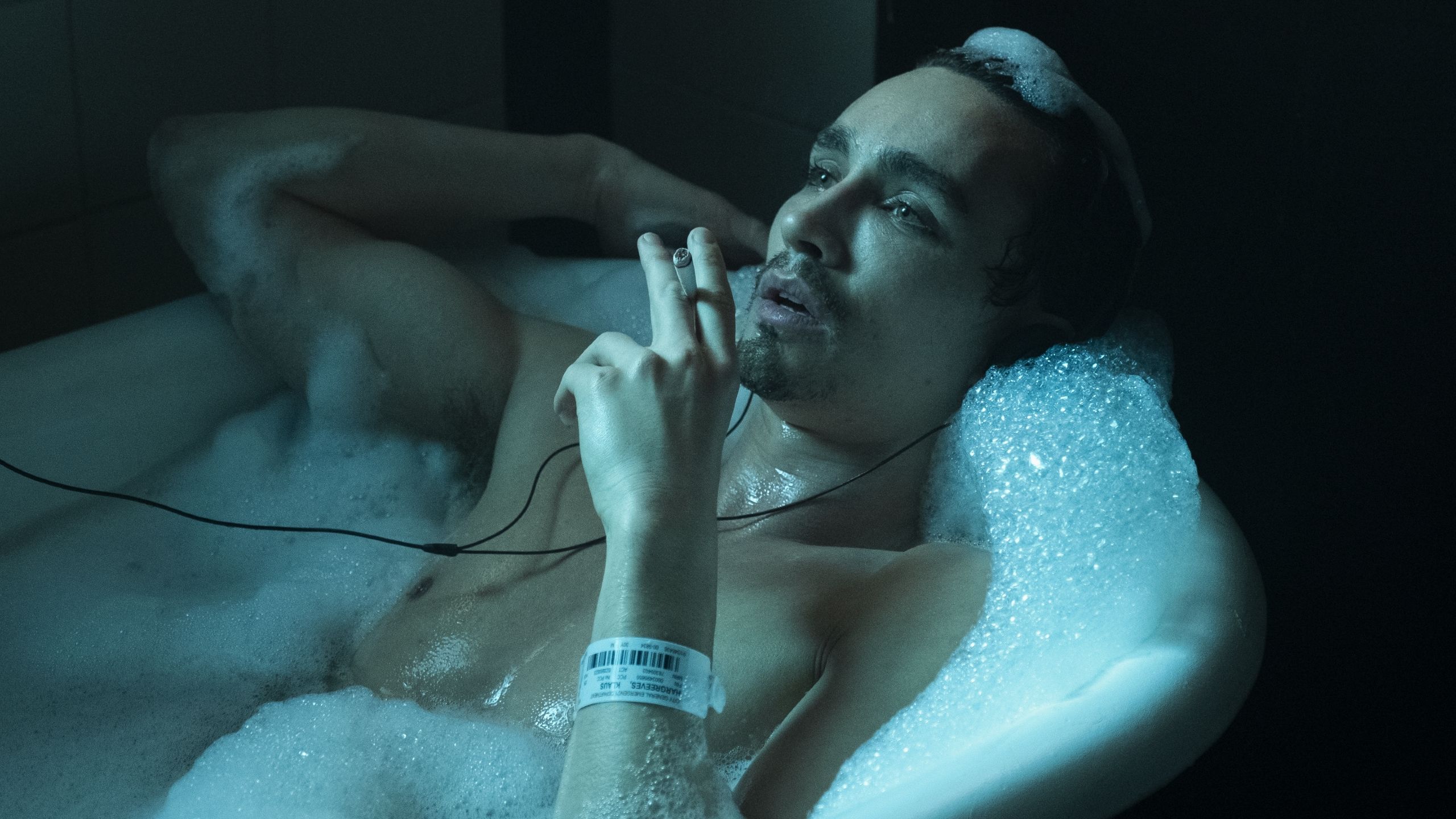
Netflix’s The Umbrella Academy quickly became a standout show, offering a unique take on the superhero genre. Unlike typical superhero stories, it included things like musical sequences, unusual powers, and surprising plot twists. Over four seasons, the show became increasingly inventive and unpredictable.
The Umbrella Academy is a complex superhero show that jumps between different timelines and features actors playing multiple roles, so it can be a bit confusing. You might even need to rewatch some parts! However, the show’s well-developed, interesting, and lovable characters make the story truly compelling – and their struggles all the more heartbreaking.
The show quickly established its unique comedic style, starting with a strange and amusing look at how the dysfunctional Hargreeves family came together. This lighthearted beginning lulled viewers into a false sense of security, as The Umbrella Academy soon became surprisingly violent and intense, distinguishing it from most shows in the same genre. The only other series that compares in terms of graphic content is The Boys.
The Umbrella Academy Is The Perfect Elder Emo TV Show
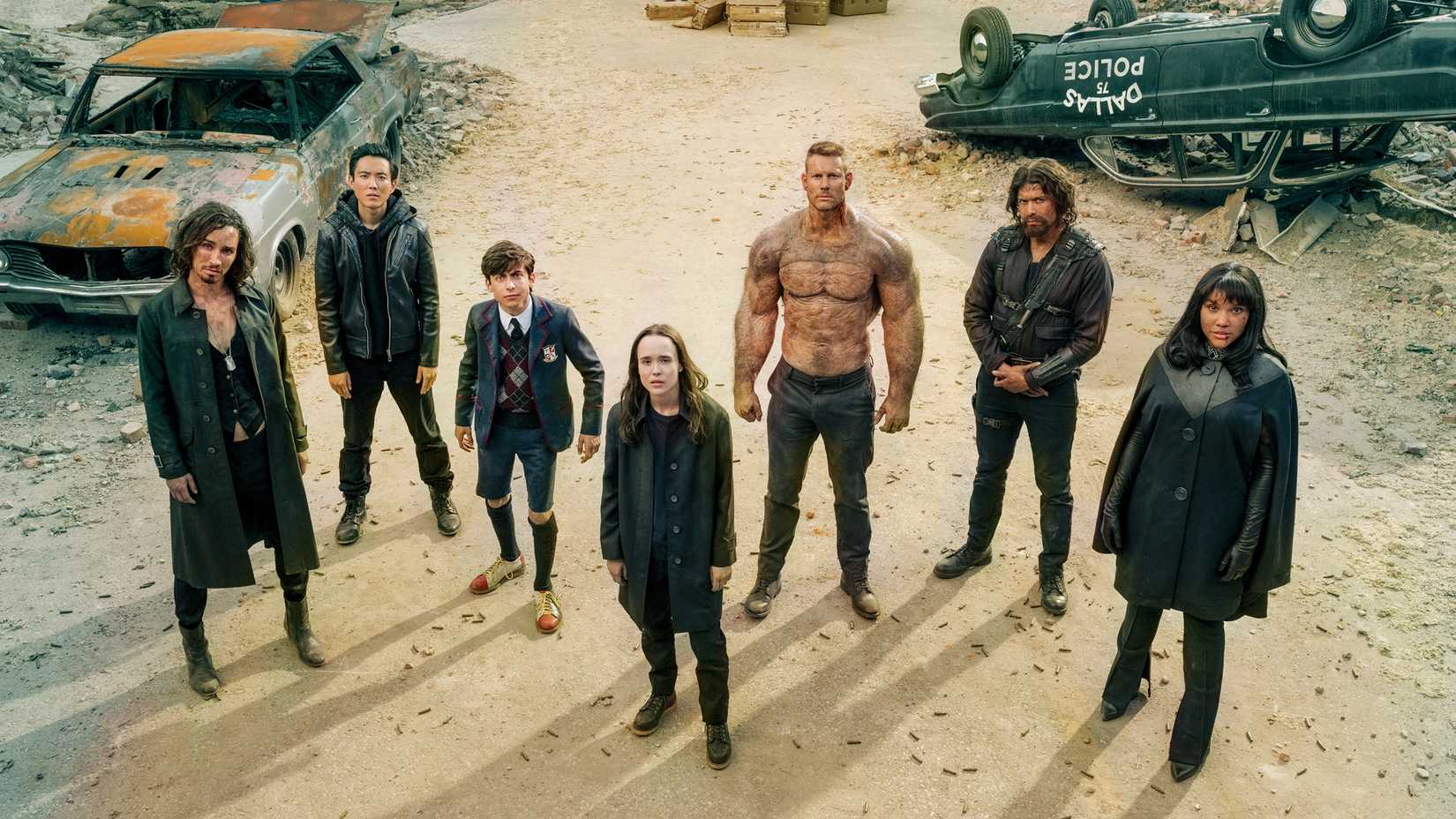
The look and feel of The Umbrella Academy – particularly in its settings and characters’ clothing, like Klaus’s style – strongly evokes the emo aesthetic. However, what many viewers don’t realize is the show’s deep connection to the emo subculture. It’s based on a comic book series created by Gerard Way, who is also the frontman of the influential emo band My Chemical Romance.
Although the Netflix series The Umbrella Academy doesn’t stick closely to the original comics and many characters are different, it still captures the same overall feeling and basic idea as the books. The show’s music, featuring My Chemical Romance and Gerard Way, reflects the emotional and often melancholic themes of ’emo’ culture – a focus on feelings and self-reflection that’s also central to the series.
With Klaus battling PTSD and Viktor navigating his identity (a storyline mirroring actor Elliot Page’s real-life journey), The Umbrella Academy focuses on its characters growing and becoming more resilient through hardship – and sometimes, even physically stronger. However, the show avoids typical superhero clichés, opting for a more unpredictable style that will likely appeal to longtime fans of emo culture.
Fashion trends often come back around, but subcultures are usually linked to a specific time period. Even though emo culture still exists, viewers of The Umbrella Academy might connect with the show’s themes of lost connection, as the Hargreeves siblings have grown apart. For those who used to be involved in emo culture, the show’s strongest episodes can be particularly comforting.
The Umbrella Academy Would Be 10/10 If It Wasn’t For That Final Season

Season 3 of The Umbrella Academy received mixed reactions, earning a 91% positive score on Rotten Tomatoes – the same as Season 2. However, Season 4 was much less well-received, with only 19% of viewers giving it a positive rating. Many feel the show had the potential to be a truly great superhero series, but the ending ultimately let it down.
| The Four Seasons of The Umbrella Academy on Rotten Tomatoes | |||
|---|---|---|---|
| Season | Year | Critics’ Rating | Audience Rating |
| 1 | 2019 | 77% | 85% |
| 2 | 2020 | 91% | 87% |
| 3 | 2022 | 91% | 54% |
| 4 | 2024 | 55% | 19% |
The final season of The Umbrella Academy concluded with a major sacrifice, fitting for the show’s generally dark and dramatic style. While the ending could have been powerful, it didn’t quite land because the season felt rushed. Important plot points became confusing, and character development suffered as a result.
Beyond the general craziness, some characters acted very strangely, such as the unexpected romance between Lila and Number Five. Although many fans might think the show should have ended with season 3, there’s a planned conclusion based on the comic book miniseries The Umbrella Academy: Plan B, also created by Gerard Way.
Read More
- The Super Mario Galaxy Movie: 50 Easter Eggs, References & Major Cameos Explained
- Sydney Sweeney’s The Housemaid 2 Sets Streaming Release Date
- 10 Best Free Games on Steam in 2026, Ranked
- Welcome to Demon School! Iruma-kun season 4 release schedule: When are new episodes on Crunchyroll?
- Why is Tech Jacket gender-swapped in Invincible season 4 and who voices her?
- PS5’s Ace Combat 8 Will Be the Most Ambitious Game in the Series Yet, and We Can’t Wait
- Highly Anticipated Strategy RPG Finally Sets Release Date (And It’s Soon)
- Shonen Jump Officially Cancels Yet Another Major Series in 2026 (& Fans Saw It Coming)
- The Punisher: One Last Kill Trailer Review: MCU Special Could Be a Game Changer
- All 13 Smash Bros. Characters in the Super Mario Galaxy Movie
2026-03-19 20:49