
The entertainment industry was shocked Friday by news that Netflix is in exclusive talks to buy Warner Bros. for almost $83 billion. The deal came after a fierce competition among major companies. While it still needs regulatory approval, the potential merger has sparked diverse reactions. Industry unions, especially the Writers Guild of America, have voiced concerns and are even asking for the deal to be stopped. Many are also questioning what Netflix owning Warner Bros. will mean for the future of movies, especially how and where they’ll be released.
Recent comments from Netflix co-CEO Ted Sarandos are causing worry in the film industry and among movie fans. When asked if Netflix had harmed Hollywood, Sarandos claimed they were actually rescuing it, but then stated that going to movie theaters is an old-fashioned practice. He believes the current struggles of box offices demonstrate people now prefer watching films at home.
It’s understandable why Netflix’s Ted Sarandos might believe movie theaters are becoming irrelevant, given the company’s focus on streaming. However, that doesn’t make it true. Sarandos is mistaken – and Netflix needs to realize this before they fully control a major film studio with a legacy of blockbuster hits.
Sarandos’ Idea of “Going to the Movies” Has Never Been Universal
Sarandos’s comments about the moviegoing experience seem off-base because his understanding of how it works is limited and not entirely correct. When asked if filmmakers wanting to create movies for theaters was an outdated concept, he said it was, basing his response on the simple idea of going to a theater to watch a film.
He explained that while some people, particularly those in Manhattan, have easy access to movie theaters, this isn’t the case for most of the country.
Someone recently suggested that only people who can walk to a movie theater truly enjoy going to the movies. This idea doesn’t reflect how people have ever gotten to theaters. Even in the past, when theaters were small and located in town centers, most people drove or took public transportation. Modern multiplexes, often found in shopping centers, have actually made going to the movies a bigger event – something people travel to. Even in a city like Manhattan, people use buses, subways, or taxis to get to the cinema. To say that movies are becoming outdated simply because they aren’t within walking distance shows a real lack of understanding of how people actually go to them.
Let’s assume he has a point, perhaps he meant people aren’t willing to make a special effort to go to the movies. However, that’s also not quite right. The huge success of “Barbenheimer” last summer proves people will go out of their way for a movie. If you remember, the releases of Christopher Nolan’s Oppenheimer and Greta Gerwig’s Barbie (from Warner Bros.) became a major cultural moment. People actively sought out to see both films, often as a unique double feature – that’s not something that happens on a whim.
Sarandos Is Wrong About What the Box Office is Saying, Too

Sarandos also pointed to recent box office struggles as evidence that people prefer watching movies at home. He believes this shows viewers are telling studios and theaters they no longer want to wait the traditional 45 days to see a film after its release, and that the current system doesn’t align with how people actually enjoy movies now.
However, this doesn’t quite capture what moviegoers are actually worried about. Looking at social media, people usually complain about the cost of going to the theater, not simply preferring to watch at home. Many mention how expensive it is, especially for families, and particularly when you factor in drinks and snacks.
It’s not really fair to blame movies for the recent changes, though. People are also frustrated with the increasing prices of streaming services. Netflix and other platforms have raised subscription costs and added restrictions, leading to a lot of complaints online – some are even canceling services due to the expense. If Netflix loses subscribers, according to Sarandos’ own reasoning, that would suggest streaming isn’t working anymore. However, just because two things happen at the same time doesn’t mean one causes the other. A struggling movie theater industry doesn’t automatically mean people are done with cinemas – there are other factors at play.
Both movie theaters and streaming services are important, and Netflix actually has a good opportunity to work with Warner Bros to find a healthy balance between the two.
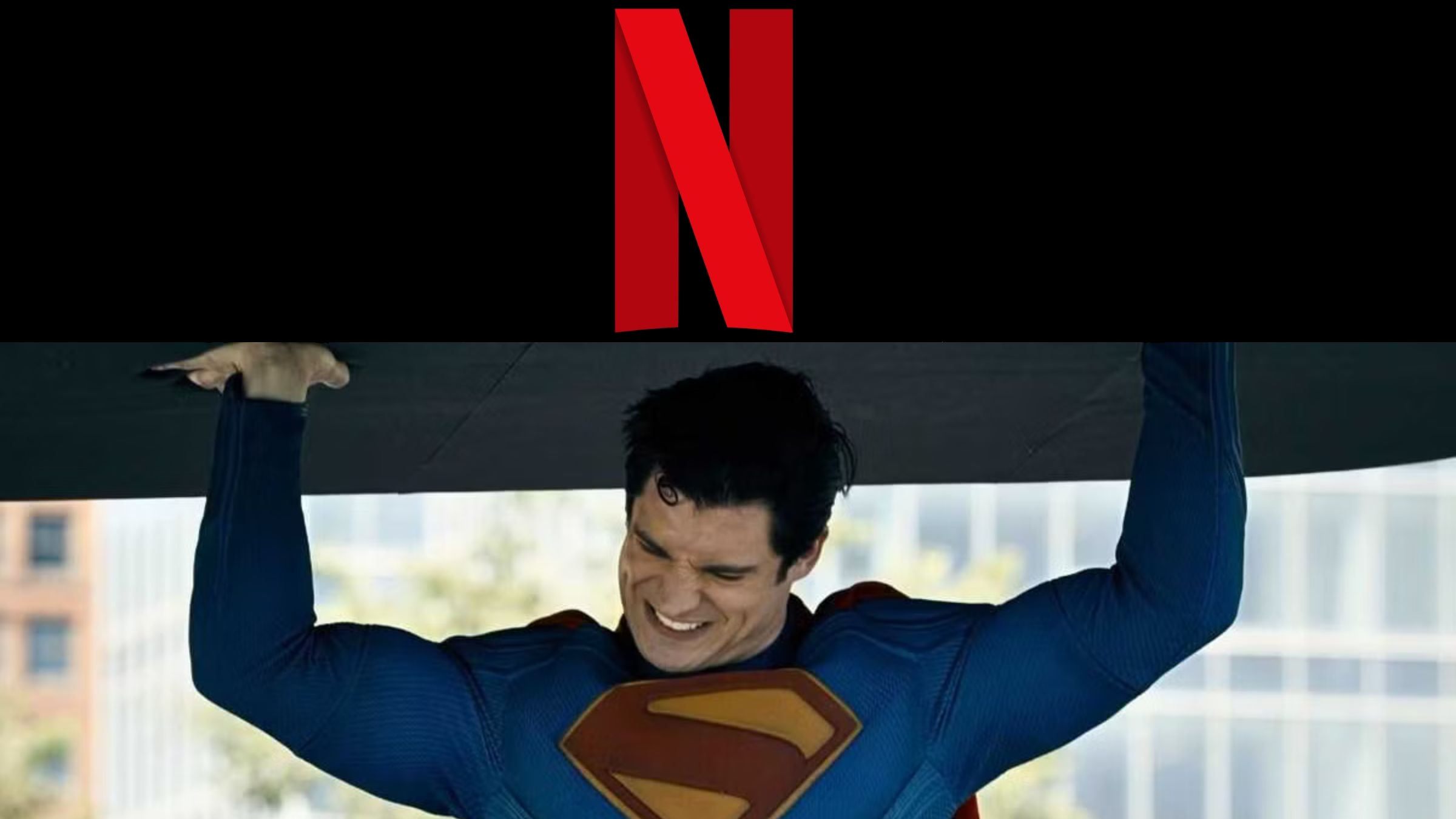
The way we enjoy movies is constantly evolving. We’ve gone from watching in theaters to VHS tapes, then cable, and now streaming. Something new will inevitably disrupt streaming just like it did with previous methods. Currently, both streaming services and movie theaters are important, and Netflix has an opportunity to distinguish itself from competitors like Disney and Paramount by finding the right balance. Their acquisition of Warner Bros., and potentially utilizing Warner Bros.’s theater network, could make Netflix an incredibly dominant force in the entertainment industry – and that’s ultimately what most mergers aim to achieve.
What do you think? Leave a comment below and join the conversation now in the ComicBook Forum!
Read More
- Surprise Isekai Anime Confirms Season 2 With New Crunchyroll Streaming Release
- The Super Mario Galaxy Movie: 50 Easter Eggs, References & Major Cameos Explained
- 10 Best Free Games on Steam in 2026, Ranked
- Starfield (PS5) Review – A Successful Cross-Console Voyage
- Preview: Sword Art Online Returns to PS5 as a Darker Open World Action RPG This Summer
- ‘Project Hail Mary’: The Biggest Differences From the Book, Explained
- All 7 New Supes In The Boys Season 5 & Their Powers Explained
- Sydney Sweeney’s The Housemaid 2 Sets Streaming Release Date
- Frieren: Beyond Journey’s End Gets a New Release After Season 2 Finale
- Silver Rate Forecast
2025-12-08 03:10