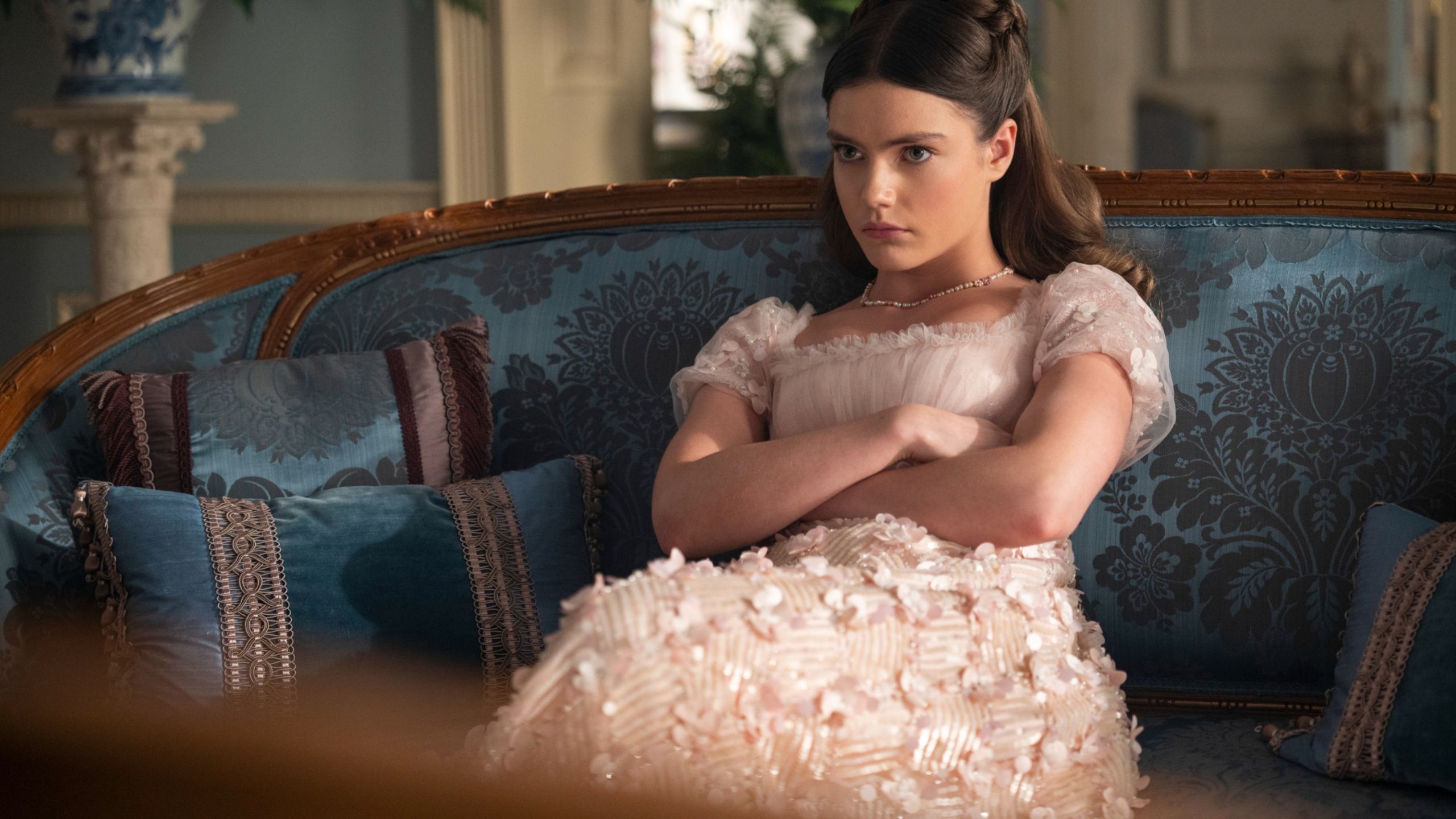
If you enjoyed the drama, romance, and high-society secrets of Bridgerton, Netflix’s The Decameron offers a similar experience. The new series is based on The Decameron, a classic 14th-century story collection by Giovanni Boccaccio, which follows a group of nobles and their staff as they escape the plague by seeking refuge in the Tuscan countryside.
While The Decameron features some familiar actors such as Zosia Mamet and Tony Hale, the cast is mostly comprised of up-and-coming talent. Unlike the explicit scenes in Bridgerton, The Decameron relies on dark humor to explore themes of passion, desire, and sexual freedom.
The Decameron Is A More Comical, Episodic Exploration Of Social Maneuvering

Unlike Bridgerton, which gradually addressed the power imbalances between social classes, The Decameron immediately highlights how people manipulate each other. Both stories focus on wealth, status, and desire, but The Decameron uses humor and satire to explore these themes instead of romanticizing them.
The style of the work is inspired by The Decameron by Giovanni Boccaccio. This book is a collection of 100 stories shared by a group of aristocrats hiding from the plague. Many of the stories playfully criticize the greed, desire, and dishonesty found in all levels of society.
The Netflix series, inspired by The Decameron, focuses on a group of characters where power dynamics are always changing. Wealthy nobles try to hold onto their positions, those who serve them chase their own goals, and love affairs frequently lead to complicated and humorous situations.
The show’s structure is similar to both The Decameron and Bridgerton. Like The Decameron, it doesn’t center on one main love story. Instead, it follows several characters whose lives and goals connect in complicated and funny ways, with the overall story unfolding through individual episodes. It shares Bridgerton‘s format of a season-long arc, but with a more episodic feel.
This new style gives the series a more wild and funny feeling, particularly as it explores sex and humor in a bolder way than the more polished romance of Bridgerton. The show still delivers drama and excitement, but with a noticeably rougher, more farcical tone.
The Decameron Explores Medieval Italy Instead Of Regency England
 Image via Netflix
A key difference between The Decameron and Bridgerton is where they’re set in history. Bridgerton is firmly rooted in the strict social rules of England during the Regency period, while The Decameron takes place in medieval Italy, where social classes weren’t quite as fixed.
| Comparison Between Bridgerton & The Decameron | ||||
|---|---|---|---|---|
| Series | Setting | Period | Genre | Source Material |
| Bridgerton | London high society | Regency England (early 19th century, roughly 1813–1827) | Romantic period drama with royal intrigue | Bridgerton romance novel series by Julia Quinn |
| The Decameron | Countryside villa in Tuscany | Medieval Italy during the Black Death (mid-14th century, around 1348) | Dark comedy / satirical historical dramedy with romance | The Decameron by Giovanni Boccaccio, a 14th-century collection of 100 short stories |
While family background still held some importance, having money and being resourceful could create opportunities that were often unavailable to those born into the English upper class. Essentially, in The Decameron, characters usually tried to improve their social standing, instead of just being born into it.
The show’s humor comes from its ability to explore how people will bend the truth and exploit others to gain power or money. A great example is Pampinea’s bold plan to pretend she’s still married to a man who’s actually passed away – she does it to keep her possessions and social standing, and it really shows how far characters will go.
While these storylines are over-the-top and funny, they share the same core desires as those in Bridgerton. Like the characters in Shondaland’s period romance, people here try to work within—and sometimes bend—society’s rules to secure their own happiness, though it’s presented in a slightly more refined way.
Portia Featherington’s deception regarding her family’s wealth in season 2 stemmed from a desire to maintain their social standing. Likewise, Violet’s choice to mislead others in the season 4 finale of Bridgerton—to secure Sophie’s place in society—shows a similar readiness to stretch the truth for safety and acceptance.
Ways The Decameron Is Better Than Bridgerton
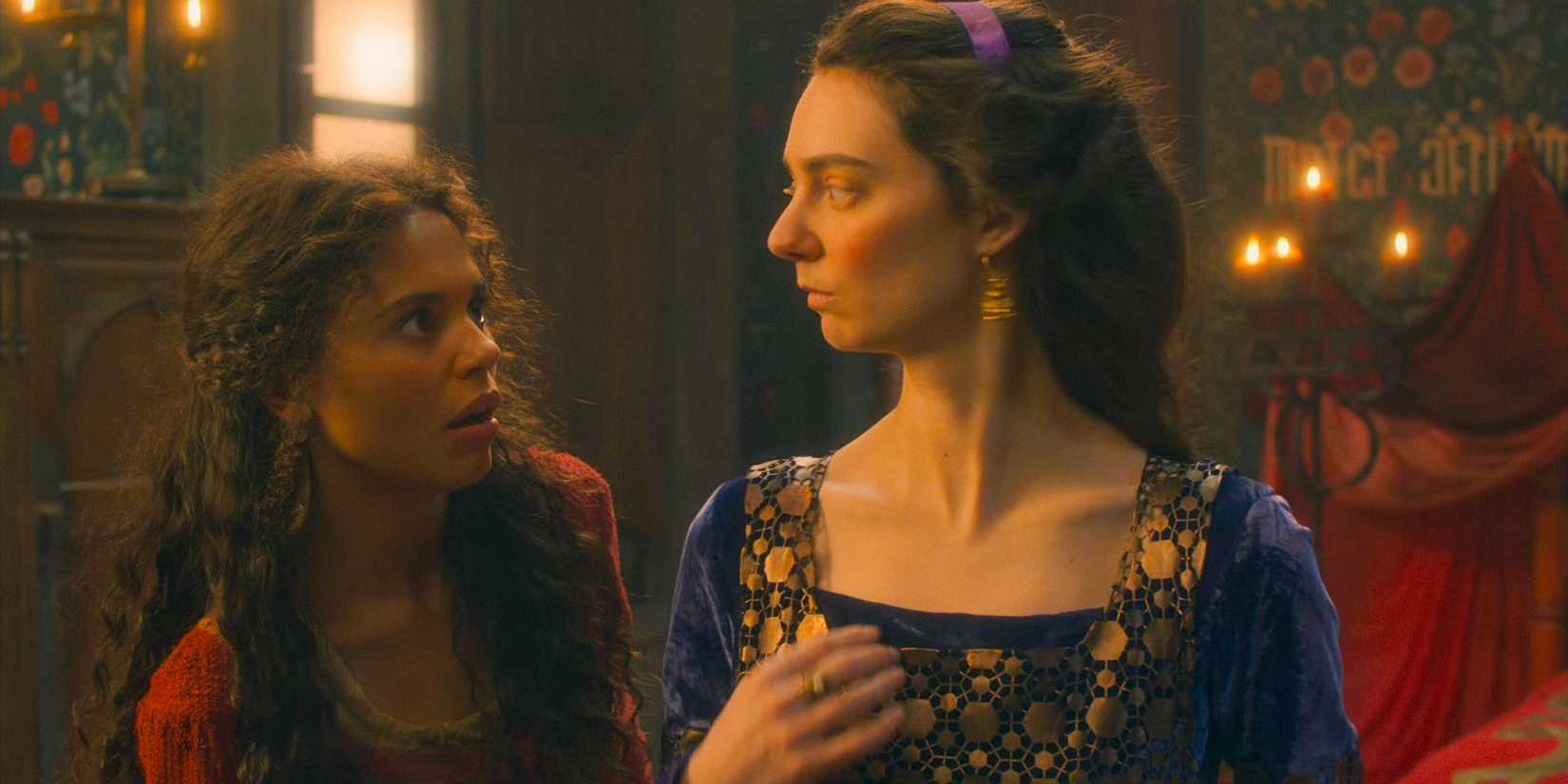 Image via Netflix
Many viewers appreciate how Bridgerton tries to update the traditional historical romance by featuring a diverse cast and openly addressing sexuality. However, the show doesn’t always fully develop its storylines, and LGBTQ+ relationships, specifically, often feel incomplete or like afterthoughts.
The love story of Brimsley in Queen Charlotte is left open-ended. While Benedict’s attraction to men was a significant part of his character before, it’s barely acknowledged once his own romance begins. The Bridgerton universe may explore a lesbian relationship in a future season with Francesca and Michaela.
Unlike some other works, The Decameron portrays LGBTQ+ identities with a more positive and celebratory tone. For example, a character’s secret same-sex attraction is met with empathy and acceptance by his wife, and another female servant is quite open about her feelings for other women.
Similar to Bridgerton, this show prioritizes a romanticized version of history over complete accuracy, which gives its characters more freedom and makes the story more enjoyable. It’s a particularly welcome approach because it allows LGBTQ+ characters to experience more positive and fulfilling storylines.
While the recent popularity of stories like the one in Bridgerton season 4 – a modern take on Cinderella – is clear, The Decameron actually explored a similar idea much earlier, but with a clever and unexpected twist.
In Boccaccio’s The Decameron, Licisca briefly pretends to be her employer, Filomena, allowing her a taste of aristocratic life. The story takes a surprising turn when it’s revealed they are actually half-sisters. Ultimately, the two women choose to support each other, creating a heartwarming tale of sisterhood and mutual aid, rather than a traditional Cinderella story focused on rescue.
Read More
- Looks Like SEGA Is Reheating PS5, PS4 Fan Favourite Sonic Frontiers in Definitive Edition
- Pluribus Star Rhea Seehorn Weighs In On That First Kiss
- Dune 3 Gets the Huge Update Fans Have Been Waiting For
- Gold Rate Forecast
- Kelly Osbourne Slams “Disgusting” Comments on Her Appearance
- Tomodachi Life: Living the Dream ‘Welcome Version’ demo now available
- Arknights: Endfield – Everything You Need to Know Before You Jump In
- I went hands-on with a wireless third-party Xbox controller featuring drift-free “TMR” sticks, and it blew me away — don’t sleep on the GameSir G7 Pro ZZZ Edition
- ‘Marty Supreme’ Ending, Explained
- ‘Spider-Noir’ Gets TV-14 Rating, A First for Spider-Man Television
2026-03-10 18:23