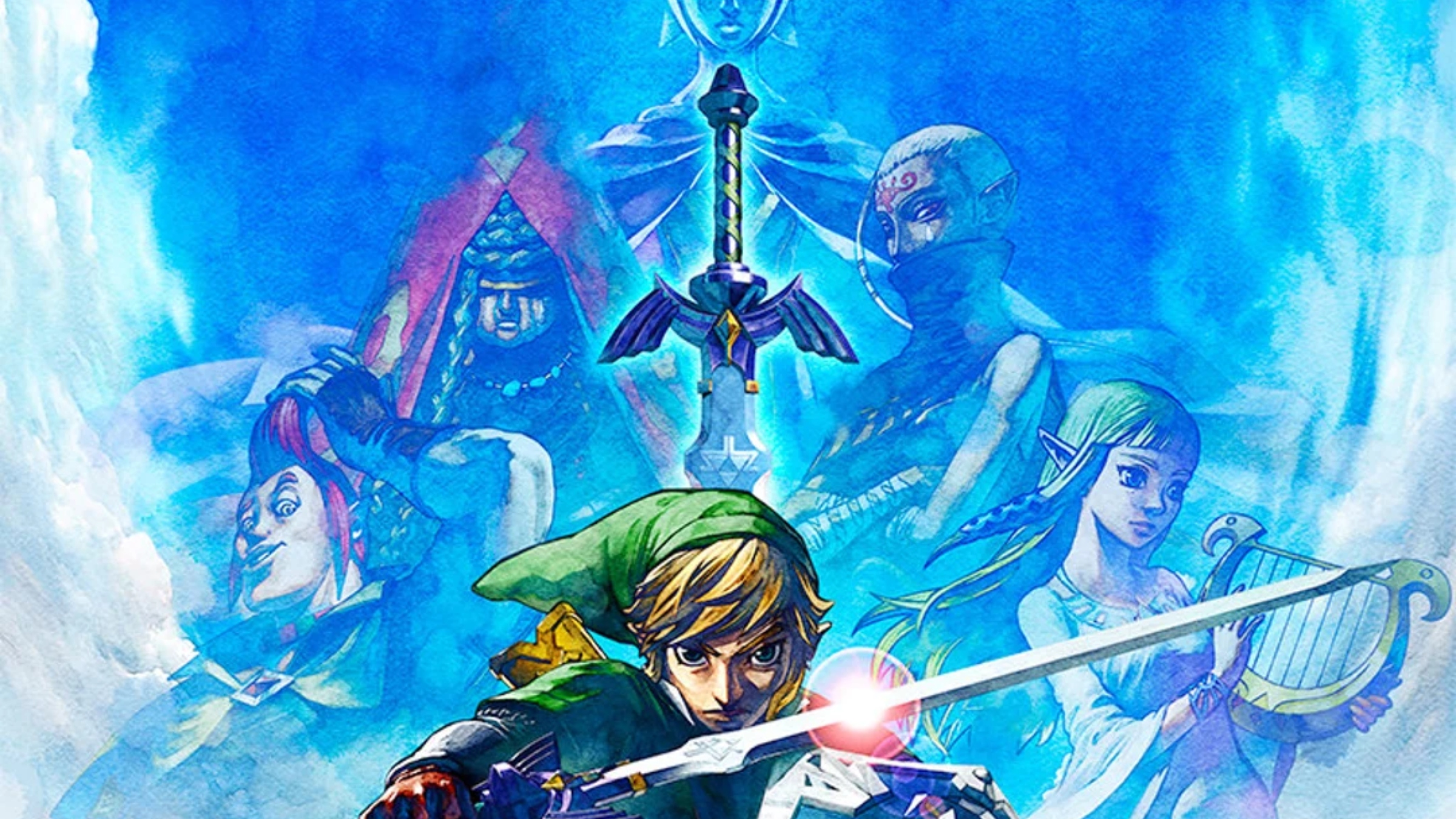
The Legend of Zelda games often follow a repeating pattern: a hero rises to fulfill an age-old destiny. Each game tells a similar core story, but what makes them exciting is how they present that story and the unique gameplay experiences they offer. Over time, though, a larger, interconnected story has begun to emerge across the series.
For a long time, the official order of events in the Zelda series was intentionally unclear, with games hinting at connections to each other. This changed in 2011 with the release of The Legend of Zelda: Skyward Sword on November 18th. This game takes place earlier in the timeline than almost any other Zelda title and established much of the foundational lore seen in newer games. It essentially reshaped the series’ history and paved the way for future installments.
How Skyward Sword Ret-Conned Legend Of Zelda Lore
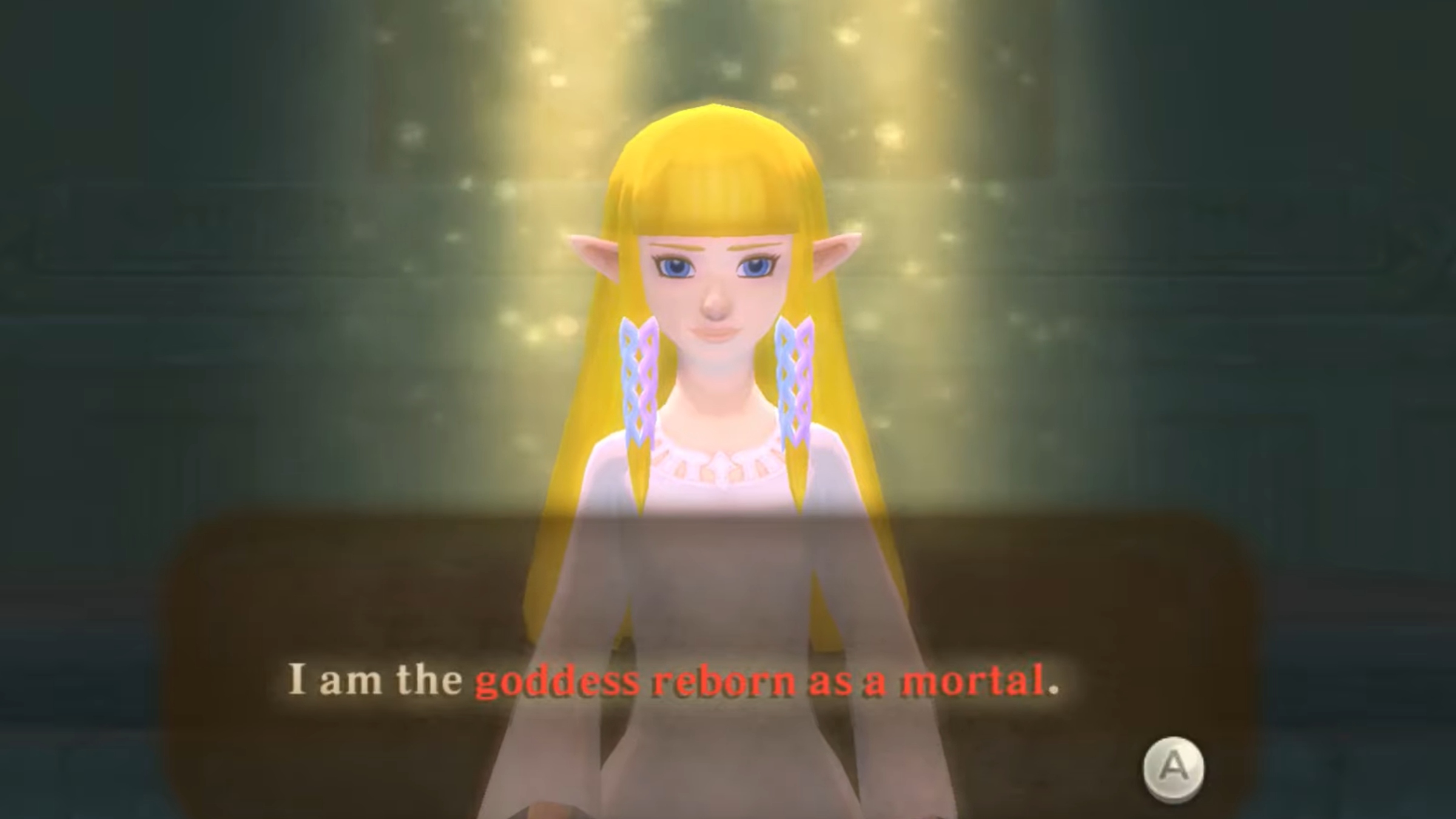
Because each Legend of Zelda game is largely self-contained, the series’ overall history and backstory have always been open to interpretation. The Legend of Zelda: Ocarina of Time began to change that by establishing itself as an early game in the series’ timeline. It retold the creation myth of the Zelda universe and showed how Ganondorf became Ganon. This game officially introduced the three Goddesses who created Hyrule and included a depiction of the Imprisoning War, a significant event previously mentioned in The Legend of Zelda: A Link to the Past, solidifying its place in the world’s history.
This game significantly shaped how the series was portrayed afterward, emphasizing the immense power of the three Goddesses and establishing Ganondorf’s hatred for the heroes’ lineage. While later games added complexity to the story with their own interpretations of different time periods, Ocarina of Time remained the core of Hyrule’s history for many years. That changed with Skyward Sword, which revealed events that took place long before the Hylians even arrived in Hyrule.
During the events of that game, it was discovered that the Goddesses had left behind a guardian to protect the world. This guardian, Hylia, became the first protector of Hyrule, leading the fight against the Demon King Demise and using a special sword – the Goddess Sword – to imprison him. Skyward Sword slowly showed that the Zelda character in that game was actually Hylia reborn, and that she would continue to be reincarnated throughout history. The Goddess Sword was a key item in the game, and players had to enhance it with magical materials to create the Master Sword – a weapon whose origins had been unclear in previous games.
I’ve always been fascinated by the Master Sword! It’s not just a weapon, it’s got this incredible backstory – and even a spirit, Fi, from when it held the power of the Skyward Sword. What really blew my mind was learning that when Link defeated Demise in Skyward Sword, Demise cursed Link and Zelda, dooming them to fight his evil again and again. It turns out that curse is exactly what causes Ganon to keep coming back in games like Breath of the Wild – it’s the source of his immortality and why he’s always been a part of the Zelda story!
Why Skyward Sword’s Changes Are Important To The Zelda Franchise
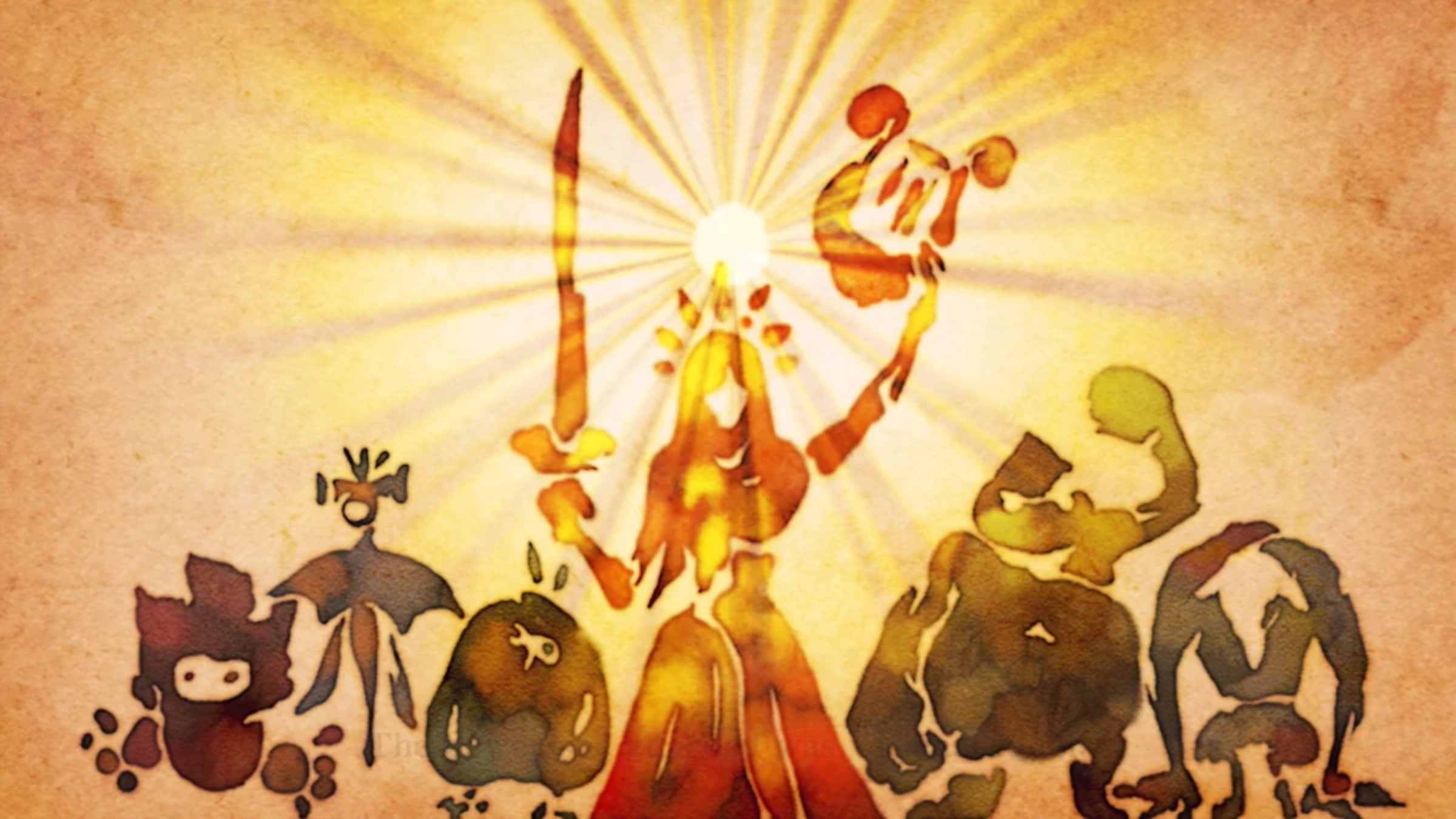
These changes were significant for the Zelda series, and have influenced later games. Before the release of Hyrule Historia in 2011, the official story of Zelda wasn’t very well defined. This allowed each game to feel separate, with different settings, art styles, and overall tones, all connected by a broad timeline.
With the release of Skyward Sword and its accompanying book, the connections between the Zelda games became clearer. Skyward Sword expanded the series’ backstory and redefined long-standing elements like the Master Sword and the recurring cycle of rebirth. While Breath of the Wild and Tears of the Kingdom take place in a Hyrule far removed from previous games, they still hint at the world’s history and the connection between Hylia and Zelda through statues found throughout the land.
Ganon’s return and attempt to disrupt the cycle of life and death was actually the key to breaking the ancient curse placed upon him. This retroactively linked every previous defeat of Ganon to a single, ongoing conflict. This revelation brought important backstory to the forefront, giving recent Zelda games – which focus on living up to heroic legacies – a solid historical foundation. Despite the game receiving mixed reviews, its impact on the overall story and lore of the Legend of Zelda series remains significant for future installments.
Read More
- All 13 Smash Bros. Characters in the Super Mario Galaxy Movie
- The Super Mario Galaxy Movie: 50 Easter Eggs, References & Major Cameos Explained
- TV legend Carol Kirkwood reveals the reasons why she decided to retire after 28 years with BBC
- Welcome to Demon School! Iruma-kun season 4 release schedule: When are new episodes on Crunchyroll?
- Sydney Sweeney’s The Housemaid 2 Sets Streaming Release Date
- Why is Tech Jacket gender-swapped in Invincible season 4 and who voices her?
- Dune 3 Gets the Huge Update Fans Have Been Waiting For
- Highly Anticipated Strategy RPG Finally Sets Release Date (And It’s Soon)
- Petit Planet ‘Stardrift Test’ begins April 21
- The OG Resident Evil 1, 2 and 3 Are Now Available on Steam With a Heavy Discount (and DRM)
2025-11-20 01:18