As a gamer, I’ve always noticed Nintendo’s relationship with other game companies is… complicated. The original NES was huge for a lot of developers and helped build some of the biggest names in gaming. But after that, it felt like Nintendo consoles started missing out on a lot of the best third-party games. I remember the GameCube being notoriously short on titles compared to the PS2, and that definitely played a part in why Nintendo struggled to keep up with Sony back then.
Things have changed significantly. After the Switch 2 launched, data shows that third-party game developers earned a lot of revenue from games on the new Nintendo console. With these industry trends, the Switch and Switch 2 are becoming ideal platforms for third-party games, giving Nintendo an opportunity to address a long-standing weakness of their consoles.
The Nintendo Switch 2 Helped Third-Party Gaming Companies Earn Over $1 Billion
A new report from Ampere Analysis shows that the launch of the Nintendo Switch 2 was a huge success for game developers beyond Nintendo itself, generating over $1 billion in global sales for Switch 2 games. The console, released in June 2025, had a remarkably strong start. While popular Nintendo games like Mario Kart World and Donkey Kong Banazna also benefited, third-party game sales saw a significant boost – reportedly increasing by over 75% compared to the previous year, thanks to Nintendo’s support for outside developers.
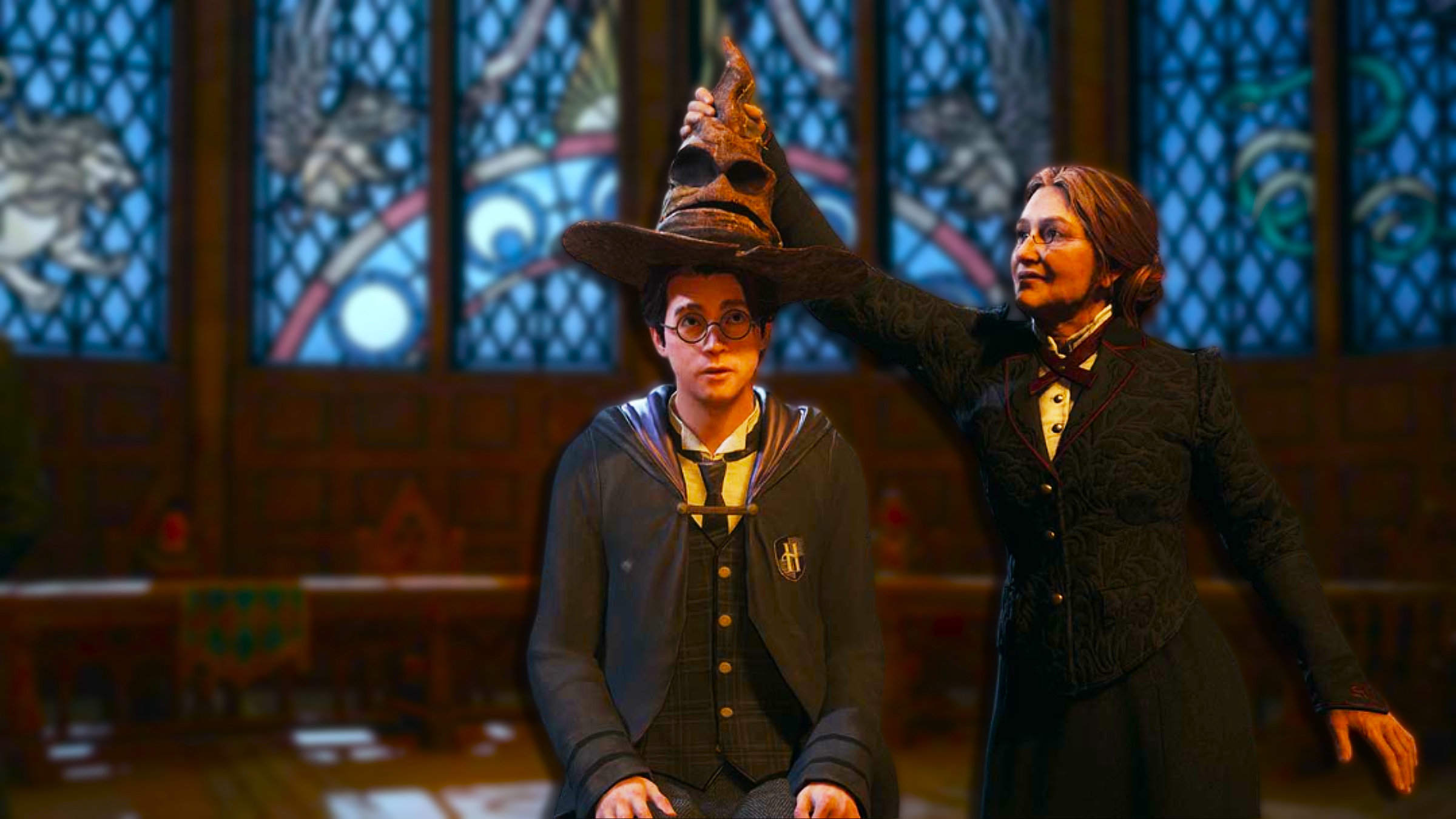
WB Games saw huge success, largely thanks to the continued popularity of Hogwarts Legacy. However, the ten leading third-party game publishers – including WB Games, Bandai Namco, EA, and Ubisoft – collectively earned over $1 billion in sales between June and December 2025. Higher prices for games on the new Switch 2 contributed to this, as each sale brought in more revenue. Despite this price increase, the overall success of these publishers is remarkable.
As a Nintendo fan, I’m really excited about how well the original Switch did and how amazing the launch of the Switch 2 has been! With PlayStation and Xbox getting more expensive, it feels like more and more third-party developers are choosing Nintendo consoles for their games. That’s fantastic news because it means we’ll get an even bigger and better library of games to play, helping the Switch and Switch 2 go head-to-head with things like the Steam Machine. Honestly, it’s a huge change – Nintendo used to have a reputation for being a little difficult for third-party developers, but that seems to be changing, and I couldn’t be happier!
Nintendo’s Tricky History With Third-Party Publishers
Nintendo has often faced challenges in working with game developers who aren’t directly part of Nintendo. In the past, with consoles like the NES and SNES, Nintendo signed exclusive deals that brought popular game series like Final Fantasy, Castlevania, and Mega Man to their systems. But as competitors like the Sega Genesis and PlayStation gained popularity, Nintendo started to lose those exclusive rights.
Nintendo consoles had special, unique internal components that made it harder for other game companies to develop for them. The PlayStation, which used standard CDs, was a more attractive option. Nintendo also continued to focus on games for all ages, while other consoles were publishing more mature titles, which affected how people viewed Nintendo. This problem continued with the GameCube; its use of a different kind of disc created even more challenges for game developers.
While some third-party games did come to the GameCube, most developers focused on the PlayStation 2 and Xbox instead. The GameCube actually became known for having less support from these outside developers. When Capcom chose to make games exclusive to the GameCube, it was a big event—but they later changed their minds and released those same games on the PS2. This trend significantly benefited the PS2, contributing to its incredibly diverse and highly-regarded game library.
The Wii and Wii U, with their unusual hardware, presented challenges. While some developers tried new things on the Wii, it didn’t receive as much support as competing consoles. The Wii U sold even fewer units, resulting in a limited selection of games. The Switch, by embracing digital sales, has been much more successful in attracting third-party developers, leading to more games and higher profits.
Nintendo’s Third-Party Success Is A Big Deal
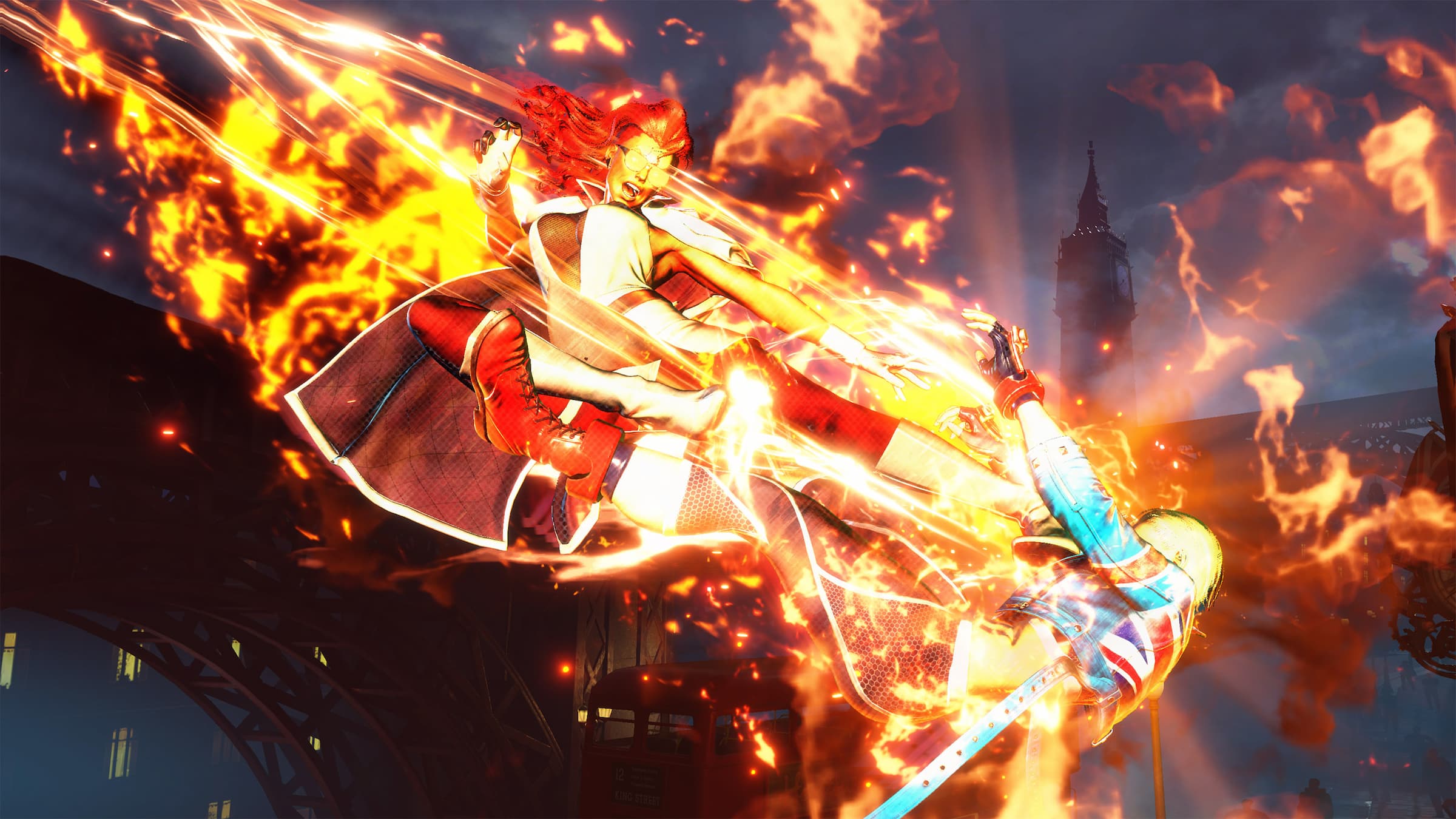
Nintendo fans have wanted this for a while: more games from developers other than Nintendo itself. This change has made the Switch more attractive to a wider range of players and connected it more to the overall gaming world. While these third-party games might not look as polished as those on other consoles, having them on Switch is a significant improvement, considering Nintendo used to be known for lacking support from other companies. Plus, the Switch and the upcoming Switch 2 are now offering more mature-rated games than Nintendo historically allowed.
Nintendo finding its niche in the gaming world could be crucial for its long-term success, especially with the industry constantly changing. While problems with supply chains and computer chip shortages have driven up the price of all game consoles – including the Switch and its successor – these consoles are still expected to be more affordable than upcoming next-generation consoles like the PlayStation 6 and Microsoft’s Helix Project, which could cost between $800 and $1000.
Nintendo consoles now have a lot of support from other game companies, which means there’s something for every type of player. This also helps Nintendo’s online store and services compete with Steam, which has a large library of games. The fact that developers have already earned over $1 billion on Nintendo consoles in just six months is a great sign for the future, and a big improvement over the lack of third-party games on the GameCube.
Read More
- What Song Is In The New Supergirl Trailer (& What It Means For The DC Movie)
- Dune 3 Gets the Huge Update Fans Have Been Waiting For
- TV legend Carol Kirkwood reveals the reasons why she decided to retire after 28 years with BBC
- Demon Slayer Star Reacts to Infinity Castle Movie Return for Surprising Role
- Way of the Hunter 2 adds PS5, Xbox Series versions
- Jaleco Sports: Bases Loaded II announced for PS5, Switch; now available
- Digimon Is Getting a New RPG in 2026 (And You Probably Missed It)
- Kanye West’s Wife Bianca Censori Details New Marriage Milestone
- Beyond the Horizon: Unveiling the Holographic Universe
- Butcher’s Transformation Into A “Ruthless Killer” In The Boys Season 5 Explained By Karl Urban
2026-04-05 20:41