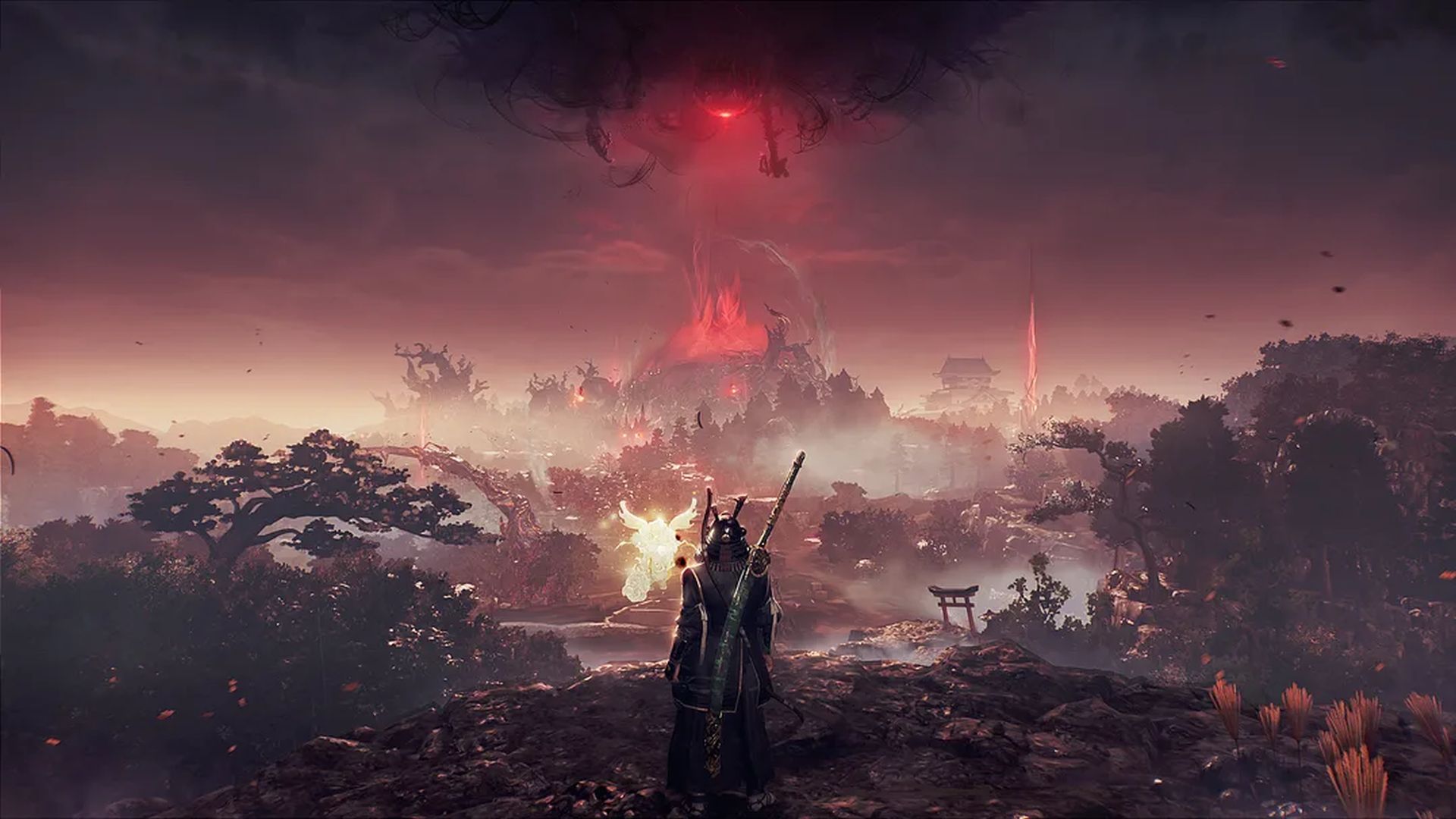
Team Ninja is releasing the next installment in the challenging action RPG series, Nioh 3, on February 6th, 2026, six years after Nioh 2. The game will be available on both PS5 and PC. While players will recognize core gameplay elements like battling Yokai and collecting loot, many new changes and improvements have been made. Here are 15 key things to know before you start playing.
New Locations and Bakumatsu
Both Code Vein 2 and Nioh 3 feature time travel as a key element, and the upcoming Nioh 3 is no exception. The game’s new main character, Tokugawa Takechiyo, travels back in time to fix the problems caused by his brother. Players will explore historical periods like the Sengoku and Heian eras, alongside a brand new location for the series: Kyoto during the Bakumatsu period.
Open Field Levels
A major new feature in this Nioh game is the addition of Open Field levels. These expansive areas are packed with optional challenges and quests – you’ll find hidden treasures, mini-bosses, smaller Crucibles, and Kodama spirits to discover. The best part is you can complete these objectives in any order you like, and quickly travel between discovered Shrines to return to previously explored areas when you’re ready.
Exploration Levels and Bonuses
As I’ve been playing, I’ve realized that just wandering around and checking everything out isn’t just about finding cool gear and taking down enemies for experience. It actually levels up my ‘Exploration Level’ too! The higher that gets, the easier it is to find hidden collectibles, and I even get stat boosts that help me in fights. So, it’s totally worth taking the time to explore!
Crucible and Life Corrosion
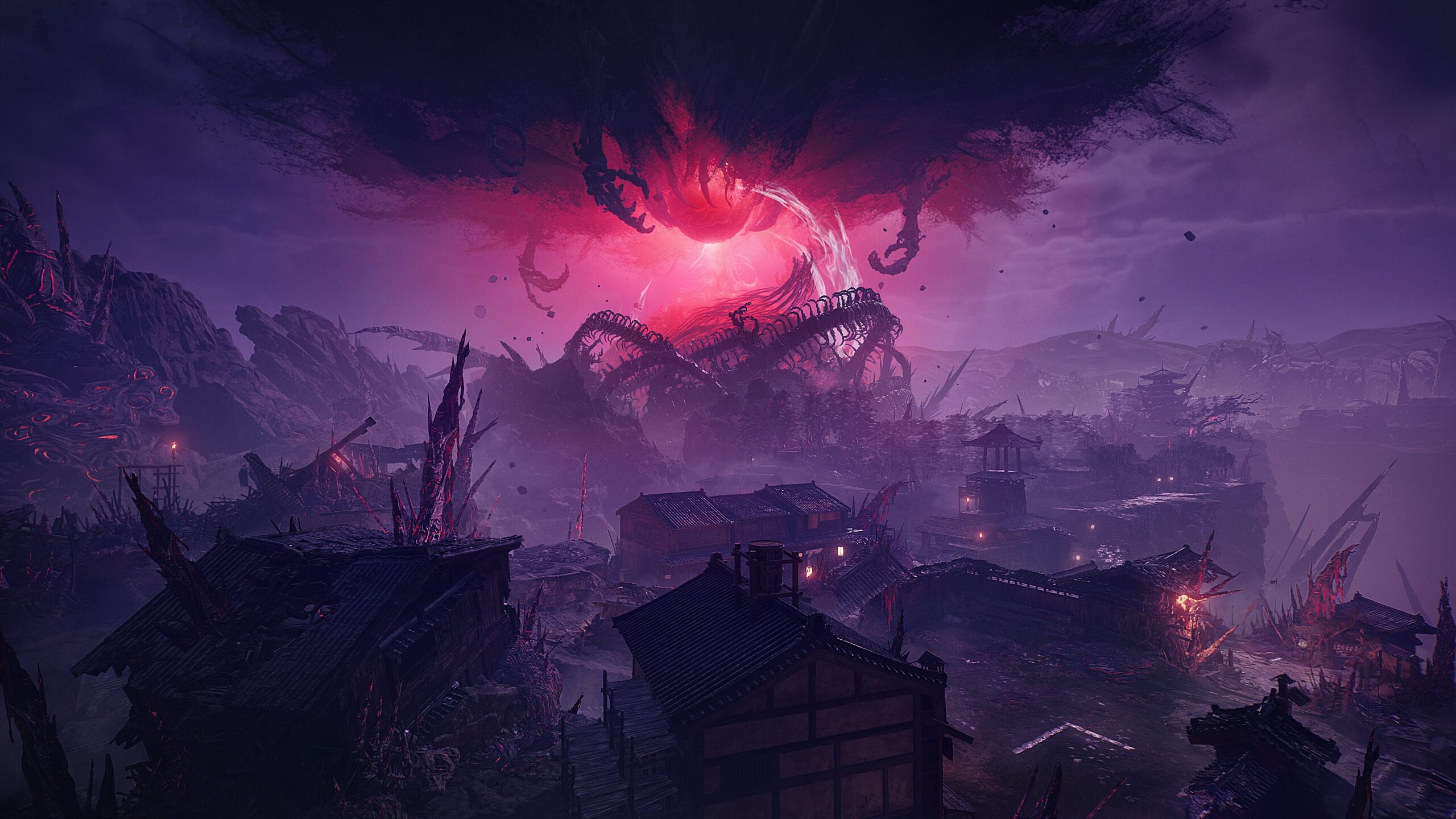
The Crucibles will feel familiar to players of Nioh 2’s Dark Realms. They’re tough areas where taking damage lowers your maximum health. Defeating enemies helps restore your health, but you can also get helpful boosts before entering. Smaller Crucibles exist, but the main Crucible usually holds the boss you’re fighting.
Deflecting
Previous Nioh games allowed for parrying, but Nioh 3 introduces a specific button just for deflecting attacks. Pressing L1 at the right time completely cancels damage and replenishes your Ki. Because managing Ki is so crucial in these games, this new feature significantly changes how you play, giving you another way to defend alongside dodging and blocking.
Jumping
Jumping returns as a core mechanic, similar to what players experienced in Wo Long: Fallen Dynasty. This allows for more fluid movement and exploration, but also introduces more difficult platforming challenges with levels now featuring greater height and vertical design.
New Enemy Types and the Shinsengumi
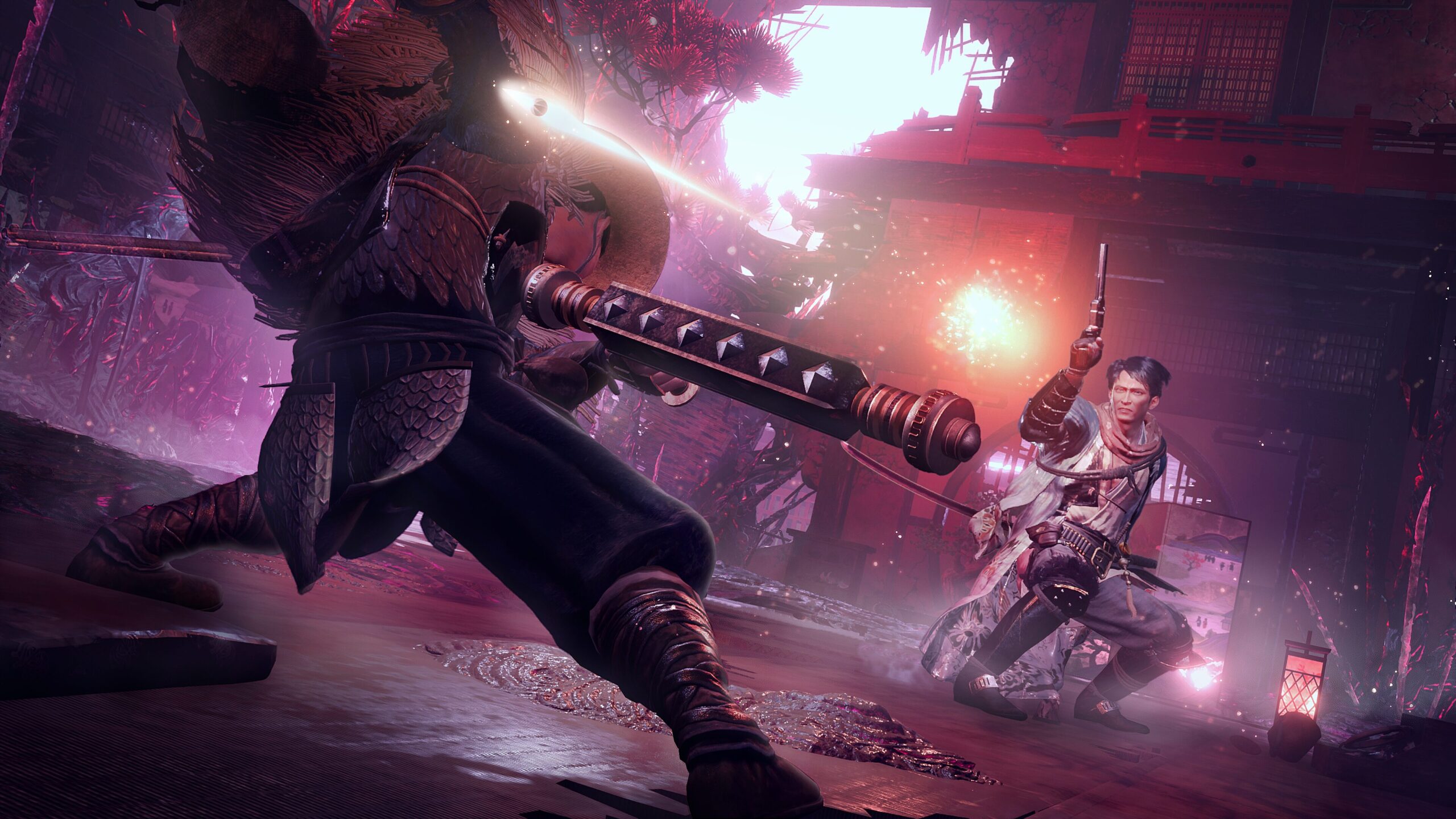
As you’d expect from a new Nioh game, this installment introduces a host of dangerous new enemies. You’ll face returning Yokai like the Gaki and Ippon-Datara, alongside fresh threats such as the Otoroshi with its enormous mouth, and the Kyokotsu, who look like defeated soldiers. The game even features historical figures like the Shinsengumi, wielding katanas and guns, plus a variety of entirely new boss battles, including a showdown with Takasugi Shinsaku.
Samurai and Ninja Styles
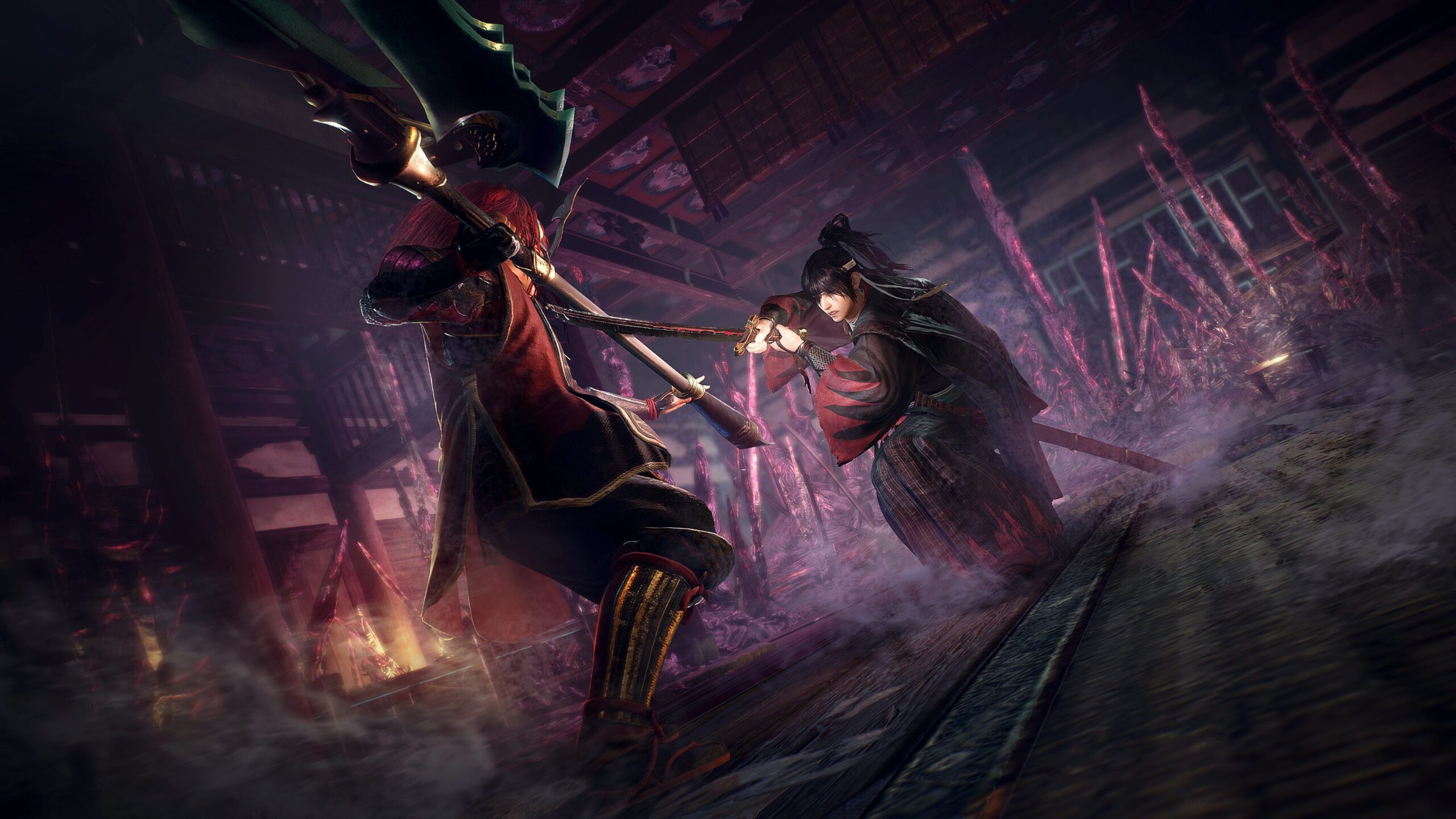
We’ve added two distinct combat Styles: Samurai and Ninja. Samurai are strong in close-quarters fighting, while Ninja emphasize speed and agility. Each Style has unique weapons and abilities. Samurai can chain together Martial Arts attacks quickly, and Ninja use ninjutsu that automatically recharges as they inflict damage.
Style Change
What’s really neat is how easily you can switch between the two combat Styles. Ninjutsu is great for fast movement and exploring, while Samurai is better for challenging enemies and bosses. The game encourages you to switch Styles often, especially during Burst Breaks, to interrupt enemy attacks and create openings for your own.
Returning Weapons
Players can once again wield familiar weapons like the katana, bow, odachi, and spear, as well as dual swords. We’re eager to find out what other weapons – both returning favorites and brand new options – will be included in the game.
Two Post-Launch Story DLC
The Digital Deluxe Edition comes with a Season Pass that adds two story expansions. Each expansion will include new missions, bosses, enemies, and items. The first expansion is scheduled to release by the end of September 2026, and the second by the end of February 2027. While this is fewer expansions than the three offered in both Nioh 1 and Nioh 2, players are hoping these two will be more substantial in content.
DualSense Support
Haptic feedback lets you truly feel what’s happening in the game, from blocking attacks to delivering powerful hits. The adaptive triggers add to this immersion, letting you feel realistic tension – like when you pull back a bowstring. However, PlayStation’s preview notes that the focus remains on fast, responsive controls, so these effects won’t be overly intense.
Return of New Game Plus
Don’t focus on where you are in the game, but on where you want to be – even if that means facing harder challenges. Nioh 3 brings back New Game Plus, letting you increase the difficulty for a second playthrough. Producer Kohei Shibata told WCCFTech that this feature has become a key part of the Nioh experience.
New Game Plus in Nioh 2 offers more than just tougher enemies and better gear. Completing the game again unlocks powerful Scrolls that boost stats like health and skill damage. Plus, you can find special upgrades on the rarest items – collecting a full set of these upgraded pieces unlocks even more benefits.
Avoiding Difficulty Spikes
It’s tricky to get the difficulty just right in action games similar to Nioh, which are known for their fast pace. The goal is to be challenging without being frustrating, especially for new players. Producer Fumihiko Yasuda explained to Multiplayer.it that they focused on a detailed, but not overly long, tutorial and, most importantly, making sure the game’s difficulty increased smoothly instead of with sudden, jarring jumps.
We designed the game to unfold at a steady pace. While exploration is more open and free, players will encounter powerful enemies. We gave players more options for defeating bosses – through better gear or by exploring the game world – but we didn’t make the game any easier overall. If you’re struggling, trying different strategies and options is key. As Yasuda explains, the feeling of finally overcoming a difficult boss is incredibly rewarding, and maintaining that sense of accomplishment was a top priority in Nioh 3.
PC Requirements
Okay, so I checked out the PC specs for Nioh 3, and they’re… interesting. If you want to run it, you’ll need at least an Intel Core i5-10400 or AMD Ryzen 5 2600, 16GB of RAM, and a graphics card like an Nvidia GeForce GTX 1060 (6GB) or AMD Radeon RX 5600 XT (6GB). That’ll get you running on the lowest settings at 1080p and 30 frames per second. But if you want to bump it up to the standard settings and hit 60 FPS at 1080p, you’re looking at needing something like a Core i5-10600K or Ryzen 5 5600X, plus a GeForce RTX 3060 Ti (8GB) or Radeon RX 6700 XT (12GB). They also recommend an NVMe SSD, which is always a good idea for faster loading times.
These results were achieved with upscaling turned on, so we’re curious how demanding the ‘High’ graphics settings and 4K resolution would be, especially if you wanted a higher frame rate. Keep in mind, you’ll also need 125 GB of free hard drive space and Windows 11 to run the game.
Read More
- The Super Mario Galaxy Movie: 50 Easter Eggs, References & Major Cameos Explained
- Sydney Sweeney’s The Housemaid 2 Sets Streaming Release Date
- 10 Best Free Games on Steam in 2026, Ranked
- Why is Tech Jacket gender-swapped in Invincible season 4 and who voices her?
- All 13 Smash Bros. Characters in the Super Mario Galaxy Movie
- Welcome to Demon School! Iruma-kun season 4 release schedule: When are new episodes on Crunchyroll?
- Dune 3 Gets the Huge Update Fans Have Been Waiting For
- Highly Anticipated Strategy RPG Finally Sets Release Date (And It’s Soon)
- Forza Horizon 6 ‘Prologue’ gameplay
- WTH?! Twitter Drops Fake Daredevil: Born Again Season 2 Spoilers as Character Return Confirmed
2026-01-06 15:13