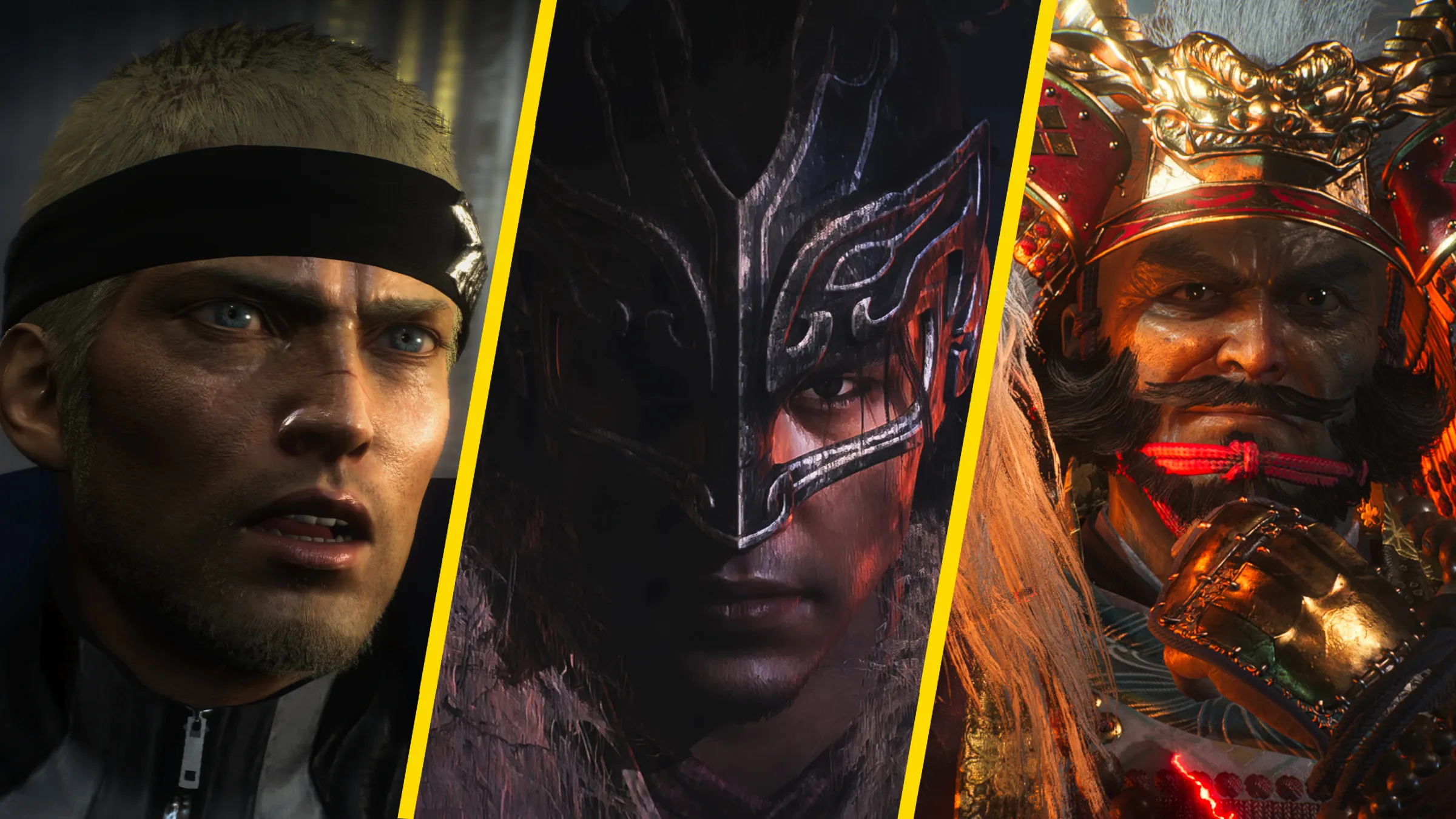
Nioh 3 is a well-made game, standing out from similar titles with its quick and snappy controls – many others focus on lengthy animations and slower combat. While the boss battles are a bit easier this time, they still offer a satisfying challenge, testing everything you’ve learned. However, these strengths aren’t unique to Nioh 3; they also define other RPGs Team Ninja has created since the original Nioh in 2017. This is actually a drawback, as Nioh 3 doesn’t feel quite as special as it could because it shares so much with its predecessors.
Games like Nioh, Nioh 2, Nioh 3, Wo Long: Fallen Dynasty, Stranger of Paradise: Final Fantasy Origin, and Rise of the Ronin all feature challenging and well-designed combat. While Nioh 2 generally has the best system and Stranger of Paradise the least refined, they all range from good to excellent. Team Ninja consistently delivers strong combat mechanics, but having so many games with similar systems so close together shows that even a positive quality can become overwhelming.
Nioh 3 Is Diminished by Team Ninja’s Persistent Output
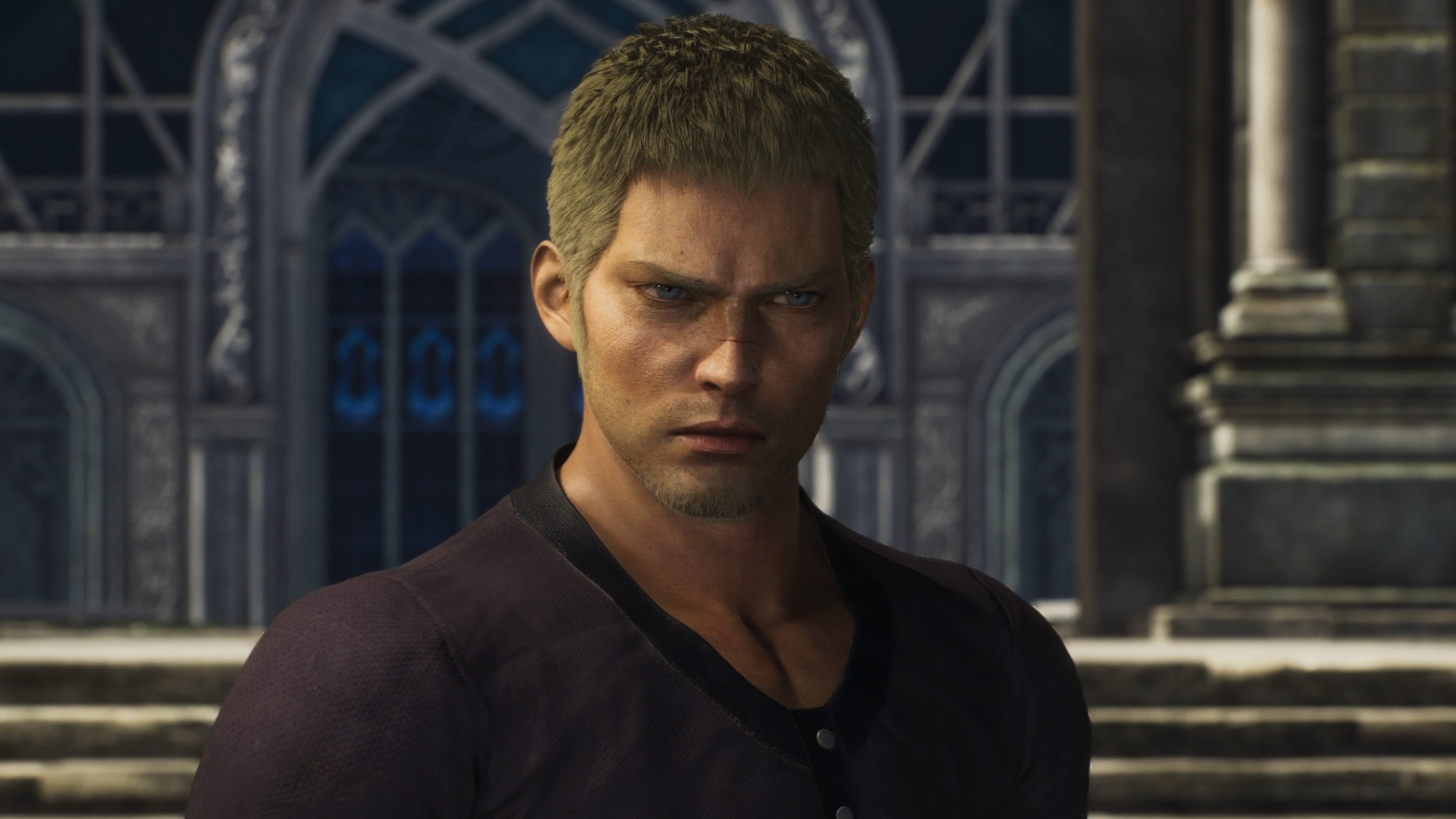
Team Ninja has released six games, along with twelve story expansions, in the last nine years – a remarkably fast output. This doesn’t even include other titles like Ninja Gaiden 4 and Dead or Alive 6 released during the same period. While consistent, this rapid release schedule makes it difficult for each new game to stand out. Though details change slightly, the core gameplay remains similar across titles, and the frequent releases lessen the impact of each one. Spreading these games out over a longer period would have been better. The successful formula was used too often and too quickly, ultimately diminishing its effect.
While the fighting still feels good, the game’s missions, pace, and overall style are starting to feel repetitive. The original Nioh stood out in 2017 because it was fresh and unique, but Team Ninja’s subsequent games haven’t offered much that’s new. This is especially noticeable in Nioh 3, which borrows heavily from previous titles. In fact, Nioh 3 uses all the same weapon types, many of the same mini-bosses, and about 75% of the same common enemies as earlier games, with little to set them apart. That’s a significant amount of recycled content for a proper sequel.
Even the good parts of these games start to feel stale when you see them repeated so quickly, but the frustrating issues only become more annoying over time. Team Ninja’s RPGs consistently have weak visuals and uninteresting stories with flat characters, and they’re notorious for giving players way too much loot. The developers haven’t addressed these problems, and they’ve become even more noticeable with each new release.
Nioh 3‘s Problems Are Incredibly Familiar
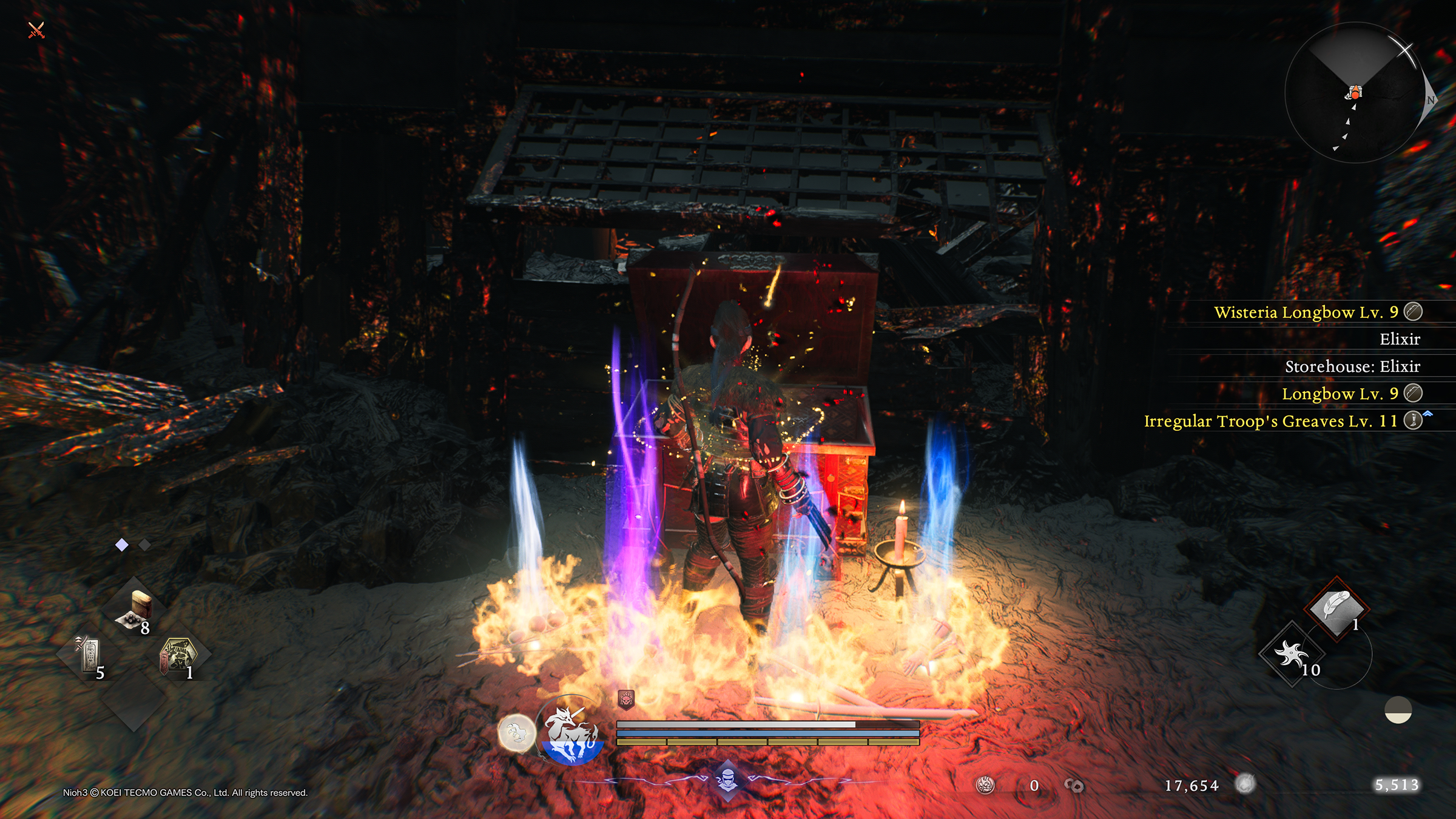
Players have consistently complained about managing excessive loot since the original Nioh, and Nioh 3 doesn’t fully address this problem. While new filtering and a larger inventory help, much of the loot is still unhelpful, forcing players to spend too much time in menus. The story has become increasingly weak, with Nioh 3 offering the most forgettable narrative and characters of the three games. Team Ninja has added more levels with supernatural elements, which is a positive, but these levels largely take place in the same familiar – and often visually uninspired – castles, forests, and caves that have defined the series. It feels like Team Ninja has exhausted the possibilities for level design within a feudal Japan setting, a problem that also affected the China-based levels in Wo Long.
Big-budget game development is facing a problem: games are taking much longer to complete. While Team Ninja releases games frequently, this rapid pace might diminish the unique impact of each title. They don’t seem to be giving their games enough time to fully develop their own identity. For example, Wo Long plays similarly to Nioh but focuses more on parrying. Stranger of Paradise builds on Nioh with a job system and a wildly unpredictable main character. And Rise of the Ronin essentially takes the Nioh formula and places it in an open-world setting. It’s an oversimplification, but a quick glance at any of these games can make them hard to tell apart.
By the time Nioh 3 was released, the series’ innovative spirit had diminished. While the combat remains fluid, it doesn’t feel as fresh as it once did, as it builds too closely on ideas from previous Nioh games and other similar titles. New features, like the open world and jumping ability, were incremental additions borrowed from games like Rise of the Ronin and Wo Long. Nioh 3 had the potential to be the peak of Team Ninja’s decade of experience with Soulslike games, but it feels too familiar. Team Ninja released too many similar games in quick succession, and as a result, Nioh 3 lacks the surprising and inventive qualities that made the original Nioh so special.
What do you think? Leave a comment below and join the conversation now in the ComicBook Forum!
https://comicbook.com/gaming/news/wuchang-fallen-feathers-lies-of-p-comparison/embed/#
Read More
- The Super Mario Galaxy Movie: 50 Easter Eggs, References & Major Cameos Explained
- All 13 Smash Bros. Characters in the Super Mario Galaxy Movie
- 10 Best Free Games on Steam in 2026, Ranked
- Highly Anticipated Strategy RPG Finally Sets Release Date (And It’s Soon)
- Dune 3 Gets the Huge Update Fans Have Been Waiting For
- Welcome to Demon School! Iruma-kun season 4 release schedule: When are new episodes on Crunchyroll?
- Sydney Sweeney’s The Housemaid 2 Sets Streaming Release Date
- Control Resonant’s Hiss and Mold Are “Way More Complex” Than Before (and More Aggressive)
- Why is Tech Jacket gender-swapped in Invincible season 4 and who voices her?
- TV legend Carol Kirkwood reveals the reasons why she decided to retire after 28 years with BBC
2026-02-05 17:12