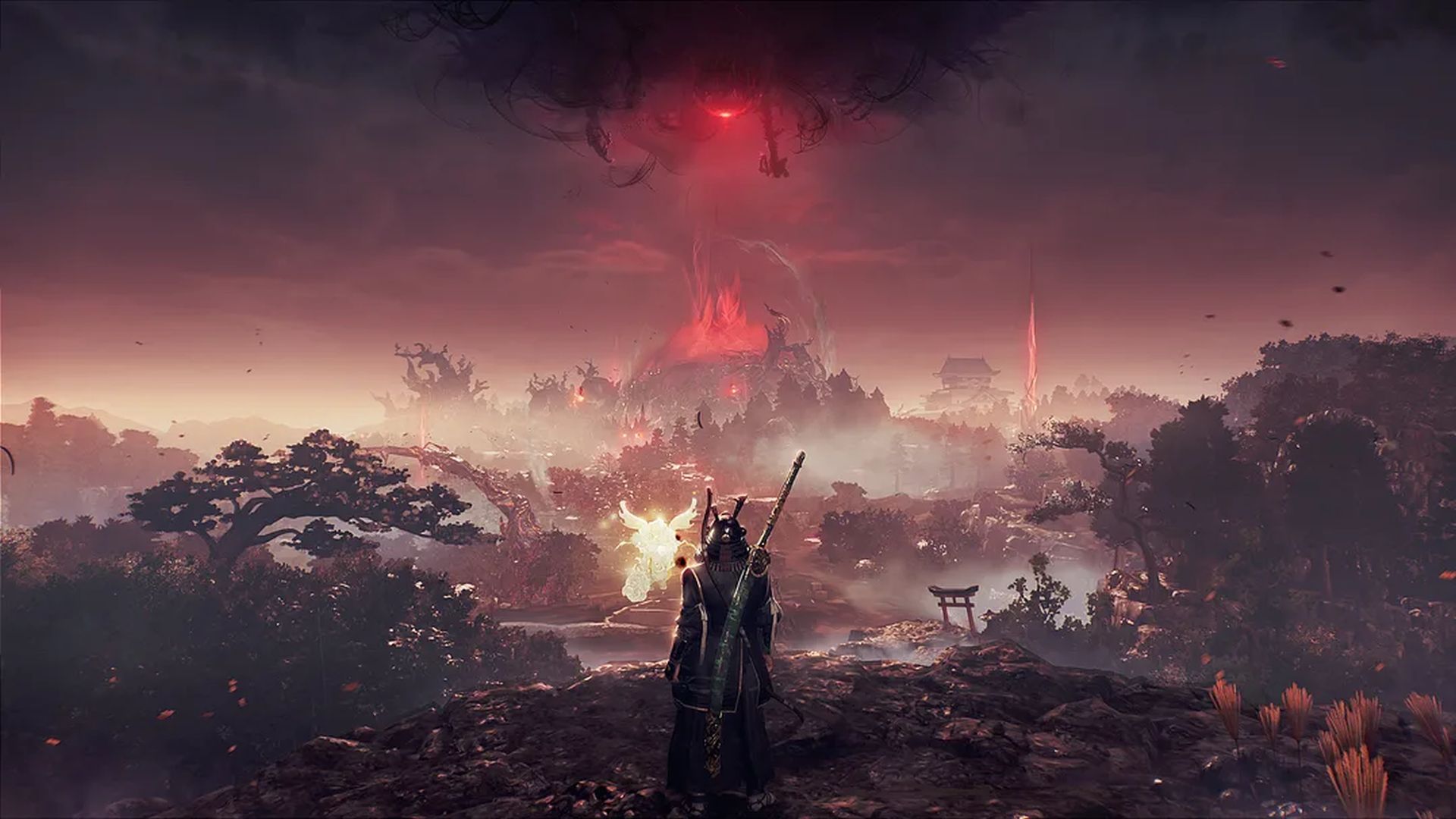
Okay, so jumping into Nioh 3, it definitely feels like more of that fast-paced, challenging action-RPG gameplay I loved in the previous games. But it’s not just more of the same. They’ve really refined things. You still have to carefully manage your Ki, and nailing the timing of your attacks is crucial, and the Yokai are still incredibly tough. But this time around, there’s a lot more freedom in how you build your character and approach fights. It’s not about finding the perfect build and sticking to it like in Nioh 2. Instead, Nioh 3 really makes you think on your feet and adapt to whatever the enemy throws at you. Honestly, the combat feels more dynamic and expressive than ever before.
Gameplay Philosophy Shifts Toward Player Agency
In Nioh 2, players had freedom by becoming experts within a limited set of rules. While you could create strong builds, success usually depended on perfecting specific techniques. Nioh 3 changes this by putting player choice at the center of everything. The game offers many different ways to approach combat, build your character, explore, and progress. Instead of forcing you onto a single path, Nioh 3 encourages experimentation, as long as you’re able to adjust to new situations. This means that a wider variety of playstyles are now equally effective.
Builds are Defined by Playstyle
Nioh 3 lets you play as either a Samurai or a Ninja, and you’ll need to develop two separate character builds – managing their weapons, equipment, and upgrades. For players familiar with previous Nioh games, the Samurai class will feel like home – it’s a powerful, durable fighter similar to characters from earlier titles. You can focus on long reach, strong defense, and overwhelming attacks. The Ninja, on the other hand, is quick and agile, favoring speed and using different weapons like Talons instead of larger swords. As you play, these classes work well together, allowing you to switch between them to outsmart and defeat enemies. This provides a wider range of options compared to Nioh 2, where character builds were often limited by focusing on specific gear and stats.
Each Playstyle Encourages Distinct Tactical Approaches
While Nioh 2 focused on mastering specific combat stances, Nioh 3 lets you switch between two very different playstyles during a single fight, forcing you to think strategically. The Ninja style is all about quick movements, dodging, and attacking enemies from behind, rewarding players who react quickly and seize opportunities. The Samurai style, on the other hand, is built for head-on battles, focusing on overwhelming enemies with constant attacks to break their defenses. Nioh 3 requires you to use both styles effectively, offering far more versatility than its predecessor.
Samurai’s Arts Gauge Rewards Attacking and Defensive Proficiency
In Nioh 3, the combat system features a new “Arts Proficiency Gauge” that fills up as you land attacks and successfully block. Once full, it activates powerful buffs, boosting damage, lowering stamina usage, and allowing you to seamlessly link together strong Martial Arts moves. Unlike Nioh 2, which had many active skills to choose from, Nioh 3 focuses on rewarding consistent, strategic play – carefully managing how aggressively you attack. This creates a more exciting and immersive melee experience, building upon the foundations of Nioh 2.
Ninja Introduces New Combat Identity
One of the biggest changes in Nioh 3 is the new Ninja playstyle. While Nioh 2 focused on different combat stances for swordplay, the Ninja emphasizes speed, dodging, and using tools strategically. Instead of the Ki Pulse, Ninjas use a quick dodge called Mist, which creates a decoy and allows for powerful backstab attacks. The Ninja also moves more vertically with jumps and double jumps, creating new aerial attack and positioning options that weren’t available in Nioh 2.
Both Playstyles Bring New Weapons
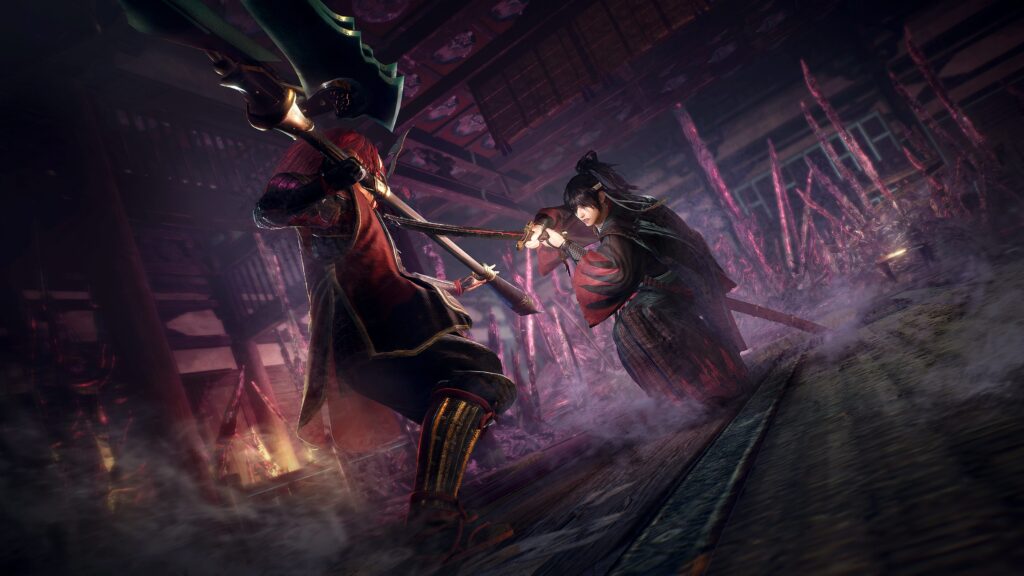
In our recent “15 Things” article, we highlighted the distinct weapons used by the Samurai and Ninja classes, but we didn’t detail the new additions in Nioh 3. Now, Samurai players can fight with Caestus – powerful, blunt weapons for close combat – and utilize ranged attacks with firearms like gatling guns and rifles. Ninjas have access to quick, combo-oriented Ninja swords, deadly talon claws for attacks from above, and a new skill called “Tailwind” – a hatchet attack that allows for a fast follow-up, keeping enemies on the defensive.
Burst Breaks are a New Form of Counter
Nioh 3 builds on the combat system of the previous game with a new defensive move called Burst Breaks. These powerful counters are activated by quickly switching between the Samurai and Ninja fighting styles just as an enemy Yokai attacks. While Nioh 2 already had ways to defend against attacks, Burst Breaks are a step forward, deeply connected to Nioh 3’s unique dual-style combat and requiring more than just a quick block.
Smoother, More Continuous Combat Flow
The new features in the game create a much more fluid and unbroken combat experience. Unlike the previous game, Nioh 2, where fights often felt broken up by pauses for repositioning or regaining stamina, Nioh 3 lets you switch fighting styles without interruption. This keeps the action going, letting you maintain your attack or quickly defend yourself.
Clearer Visual Communication
Compared to the previous game, Nioh 3 makes fights easier to follow visually. Different combat styles have unique visual signals, and enemy attacks are more obvious. The environments are also more detailed, helping you understand the battlefield. These changes make the game less confusing without making it any easier, letting you quickly read enemy actions, react, and adjust your strategy as needed.
Greater Emphasis on Mechanical Understanding
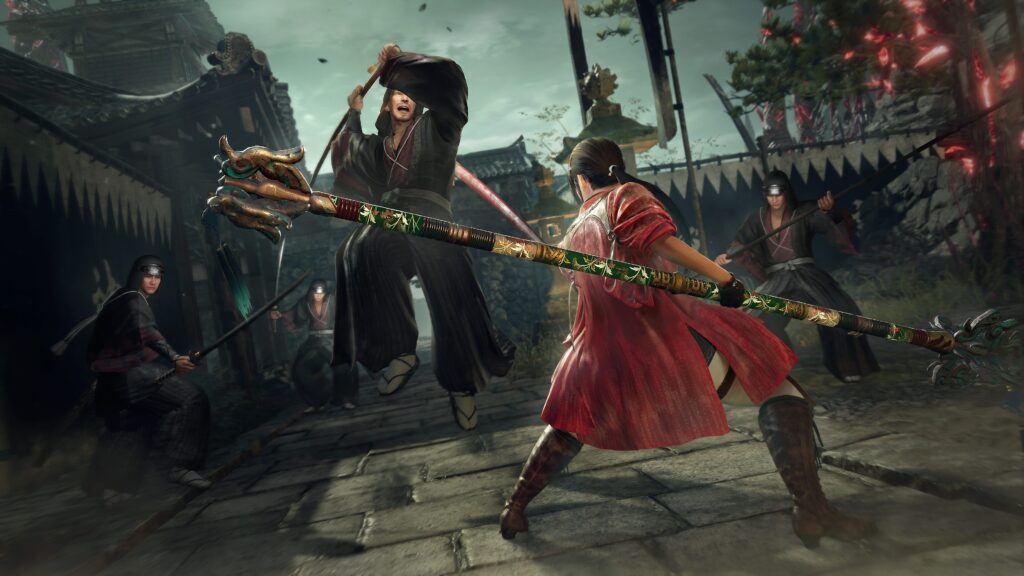
Unlike its predecessor, Nioh 3 emphasizes skillful gameplay and quick thinking over simply finding overpowered strategies. While Nioh 2 let you create incredibly strong builds and win through repeated actions, Nioh 3 requires you to carefully consider your build and adapt to the situation. Success depends on understanding how all the game’s systems work together in the heat of battle.
More Varied Enemy Pressure and Encounter Design
Nioh 3 features enemies with more varied behaviors, making fights more unpredictable than in Nioh 2. Instead of repeating the same patterns, enemies in Nioh 3 are more likely to change their attacks, forcing you to think on your feet and adapt your strategy. While Nioh 2’s combat was already engaging, these improvements encourage players to fully utilize the game’s deeper and more complex fighting mechanics.
A Difficulty Curve Shaped by Exploration
Unlike the previous game, Nioh 3 lets you control how hard the game gets. Instead of a set path, you’re free to explore, tackle optional challenges, or back away from tough fights and come back later when you’re stronger. This means you can create your own difficulty level, giving you more flexibility in how you experience the game.
Skill Progression has Been Deepened
Nioh 3 takes the complex skill system from Nioh 2 and redesigns it to reward players who truly master the game’s mechanics. Beyond the exploration-based skills we previously highlighted, the game now features detailed weapon skill trees. These trees allow you to focus on and become an expert with the weapons you enjoy most, with clear paths to guide your progression.
Streamlined Stats and Levelling
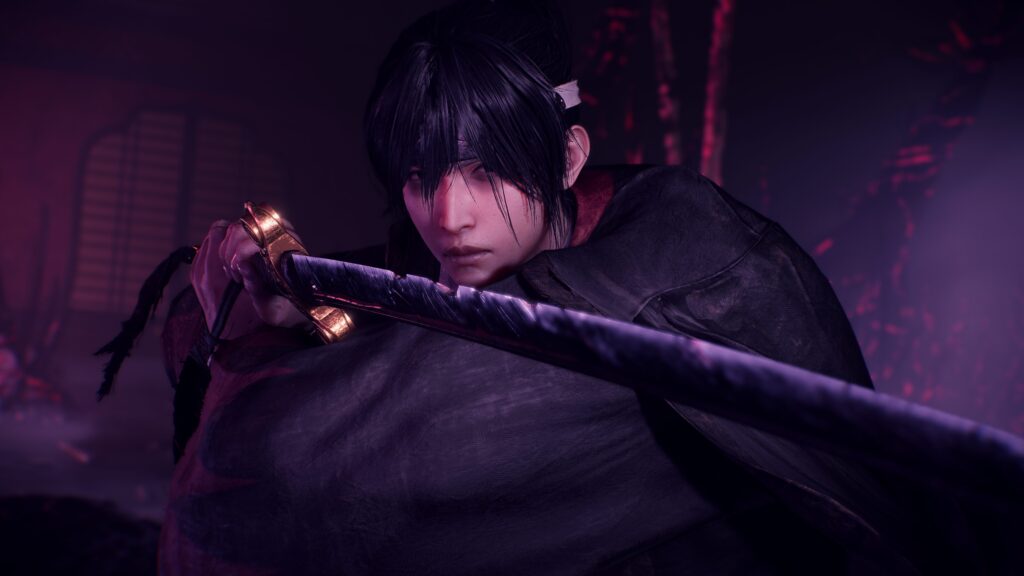
Nioh 3 has simplified its character progression system. They’ve trimmed down the number of stats and made leveling up more straightforward, aiming to let players create a wider variety of character builds. The game also removed some features from Nioh 2, like remodeling, to make getting the best gear easier. They’ve rebalanced the stats so that no single one is essential for every player.
More Robust Character Creation
Nioh 3 expands on the character creation system from Nioh 2, letting you create unique looks for each of your character’s two combat styles. You can customize everything from body shape and height to facial features, tailoring each persona to fit either the Samurai or Ninja archetype. The game also offers even more detailed customization options than before, including the ability to place tattoos and edit hairstyles for a truly personalized character.
Read More
- Gold Rate Forecast
- Dune 3 Gets the Huge Update Fans Have Been Waiting For
- Jack Osbourne Shares Heartbreaking Tribute to Late Dad Ozzy Osbourne
- Disney Promotes Thomas Mazloum To Lead Parks and Experiences Division As Josh D’Amaro Prepares To Become CEO
- 22 actors who were almost James Bond – and why they missed out on playing 007
- Antiferromagnetic Oscillators: Unlocking Stable Spin Dynamics
- Action Comics #1096 is Fun Jumping-On Point for Superman Fans (Review)
- Arknights: Endfield – Everything You Need to Know Before You Jump In
- Dungeon Stalkers to end service on June 9
- 5 Weakest Akatsuki Members in Naruto, Ranked
2026-01-22 23:13