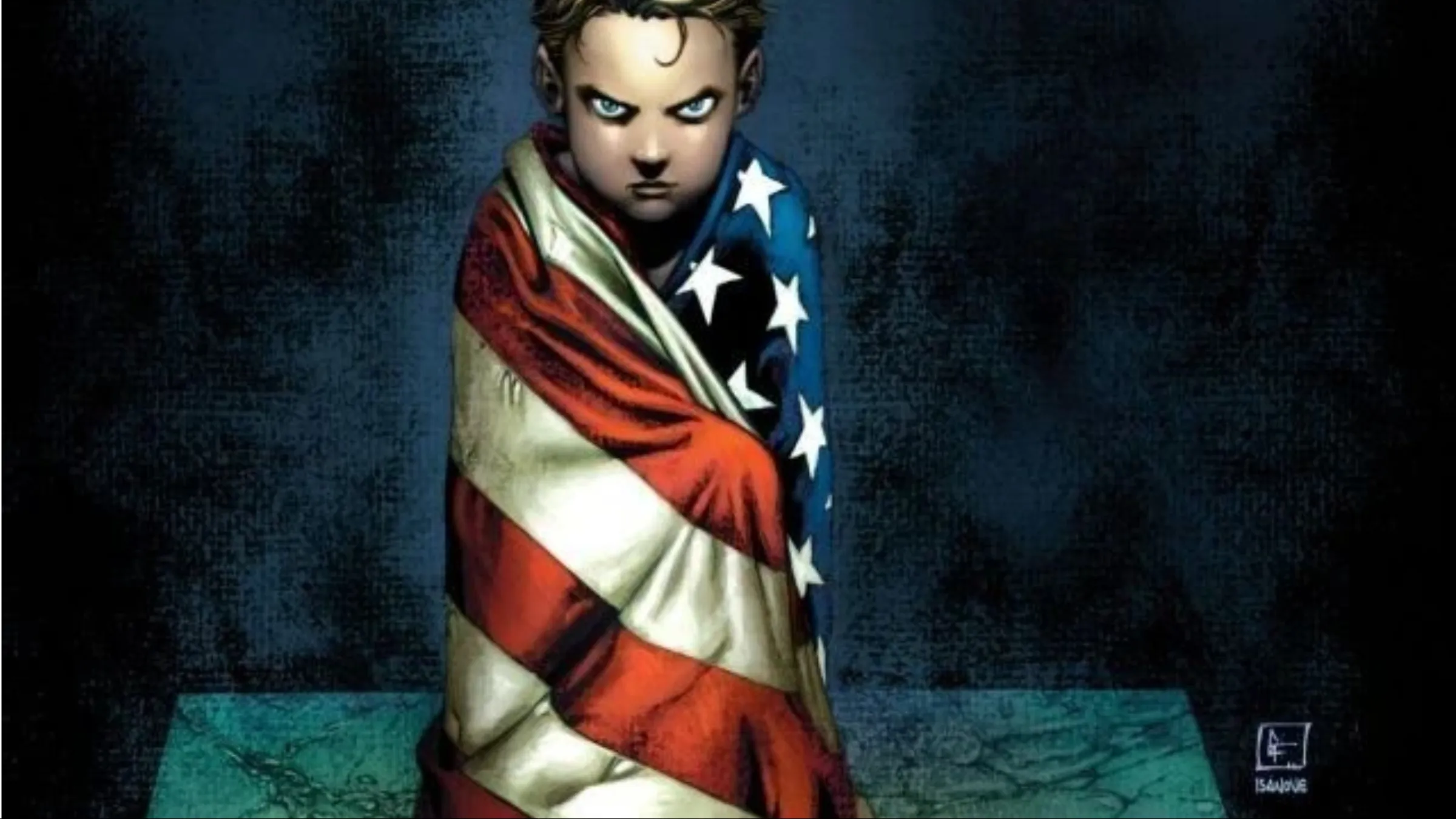
When it comes to sophisticated, critically praised comics for adult readers, DC has consistently outperformed Marvel. While Marvel attempted its own creator-focused line, Epic, in the 1980s, it never achieved the same level of recognition as DC’s Vertigo imprint. Since then, Marvel has repeatedly tried to replicate Vertigo’s success, but their mature readers comics often lacked the depth and independent spirit of titles like Watchmen. They tended to focus on simply adding more violence to stories about lesser-known superheroes. Marvel does have some excellent long-running series, but few qualify as truly mature readers books. However, 23 years ago, Marvel published Supreme Power, a series that aimed to change that.
In 2001, Marvel launched the MAX line as part of new editor-in-chief Joe Quesada’s effort to revitalize the company. A key part of this was improving the Spider-Man comics, and he selected writer J. Michael Straczynski for the job. Straczynski, known for creating the sci-fi series Babylon 5, had already made a splash in comics with 1999’s Rising Stars and had his own creative studio at Top Cow. He teamed up with artist Gary Frank for a new Marvel series, a fresh take on the relatively obscure 1984 maxiseries Squadron Supreme. The resulting series was one of the closest Marvel came to establishing itself as a publisher of mature, thought-provoking superhero stories.
Supreme Power Paid Homage to a Classic By Going Its Own Way
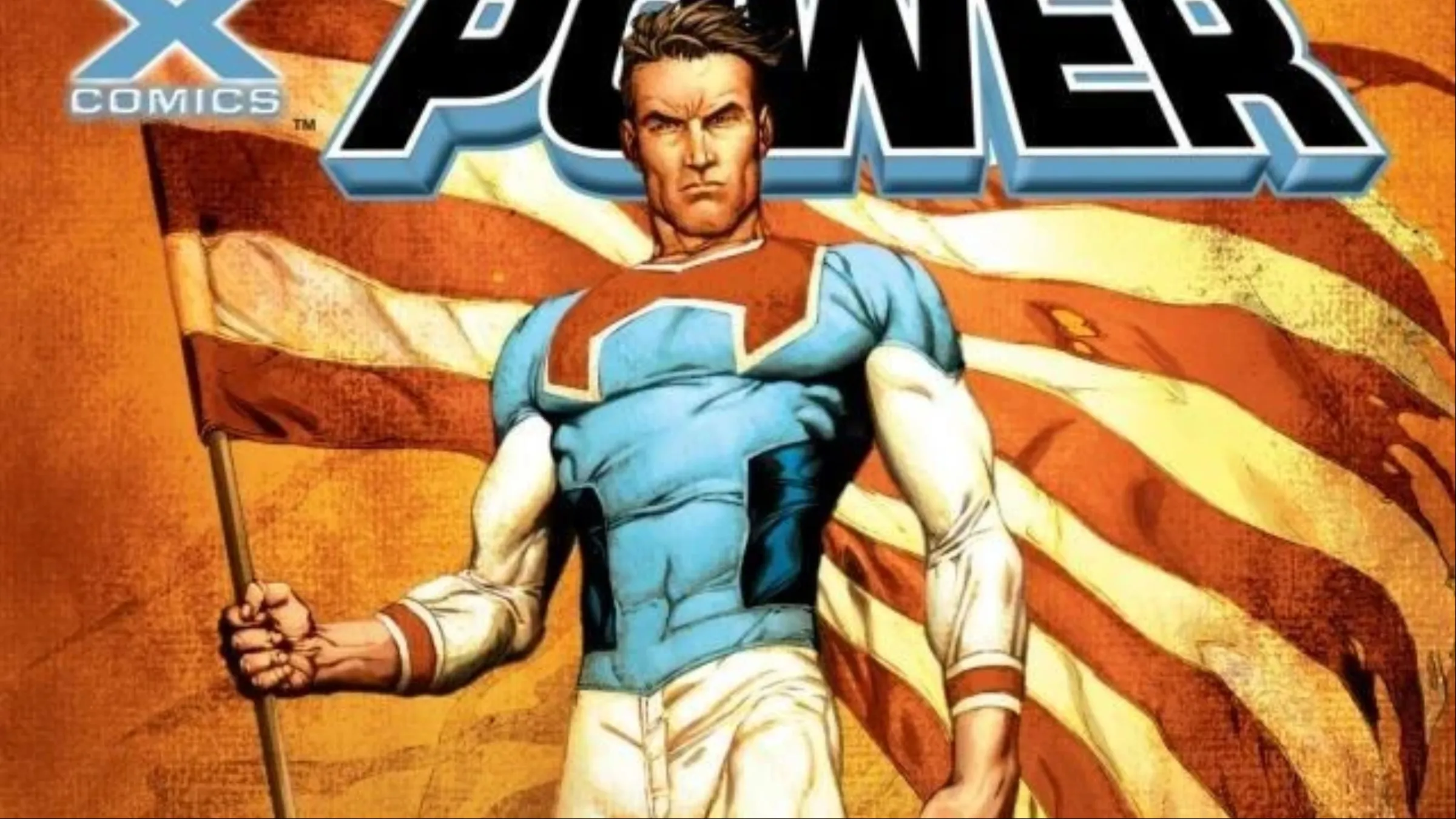
For those unfamiliar, Squadron Supreme is a standout Marvel story from the 1980s. It centers on a team of heroes – essentially a parallel universe version of the Justice League – originally created as powerful opponents for the Avengers. After repeatedly defeating their enemies, the Squadron decides to take control of their world, believing it’s the most effective way to ensure everyone’s safety. This leads to a seemingly caring but ultimately oppressive system where the team dictates people’s rights. Eventually, former members of the Squadron, along with some villains, unite to challenge and overthrow this regime in a final showdown.
This comic series from 1984 was well-received by readers at the time, though it was somewhat eclipsed by Watchmen. It proved the characters were suited for more mature storytelling, paving the way for later, adult-focused comics. While not The Sandman or Preacher, it does feature some nudity and violence, but it’s ultimately a thoughtful work. The story centers on Hyperion, a powerful boy discovered and trained by the government as a weapon. He’s unleashed when others with superpowers begin to emerge, sparking a kind of arms race among those with enhanced abilities.
Following the events of 9/11 and the Iraq War protests, J. Michael Straczynski’s work on Squadron Supreme explored the idea of a hero created and controlled by the government – a perfect American built on a foundation of lies. While different from characters like Homelander, this theme was central to his stories, particularly in Hyperion’s conflicts with Knighthawk, a wealthy Black man fighting against racist police officers. Hyperion also faced off against other Squadron members like Power Princess and Dr. Spectrum, both of whom had complicated relationships with the government. These conflicts ultimately paved the way for the emergence of the true Squadron Supreme, as it was originally envisioned.
The original 18-issue run of the series was a huge hit, thanks to J. Michael Straczynski’s excellent superhero writing and the beautiful artwork by Frank. It resonated with fans and performed well, especially considering the challenges even established mature readers comics like those from Vertigo were facing at the time. Unfortunately, Marvel decided to move the series to its main line of books to maximize profits, hoping to capitalize on its success and continue the story inspired by the 1980s classic. However, readers – including myself – wanted the darker, more mature story we’d been promised. The new direction only lasted seven issues and never reached its intended ending.
Marvel’s Cupidity Robbed Readers of the (Supreme) Power We Were Promised
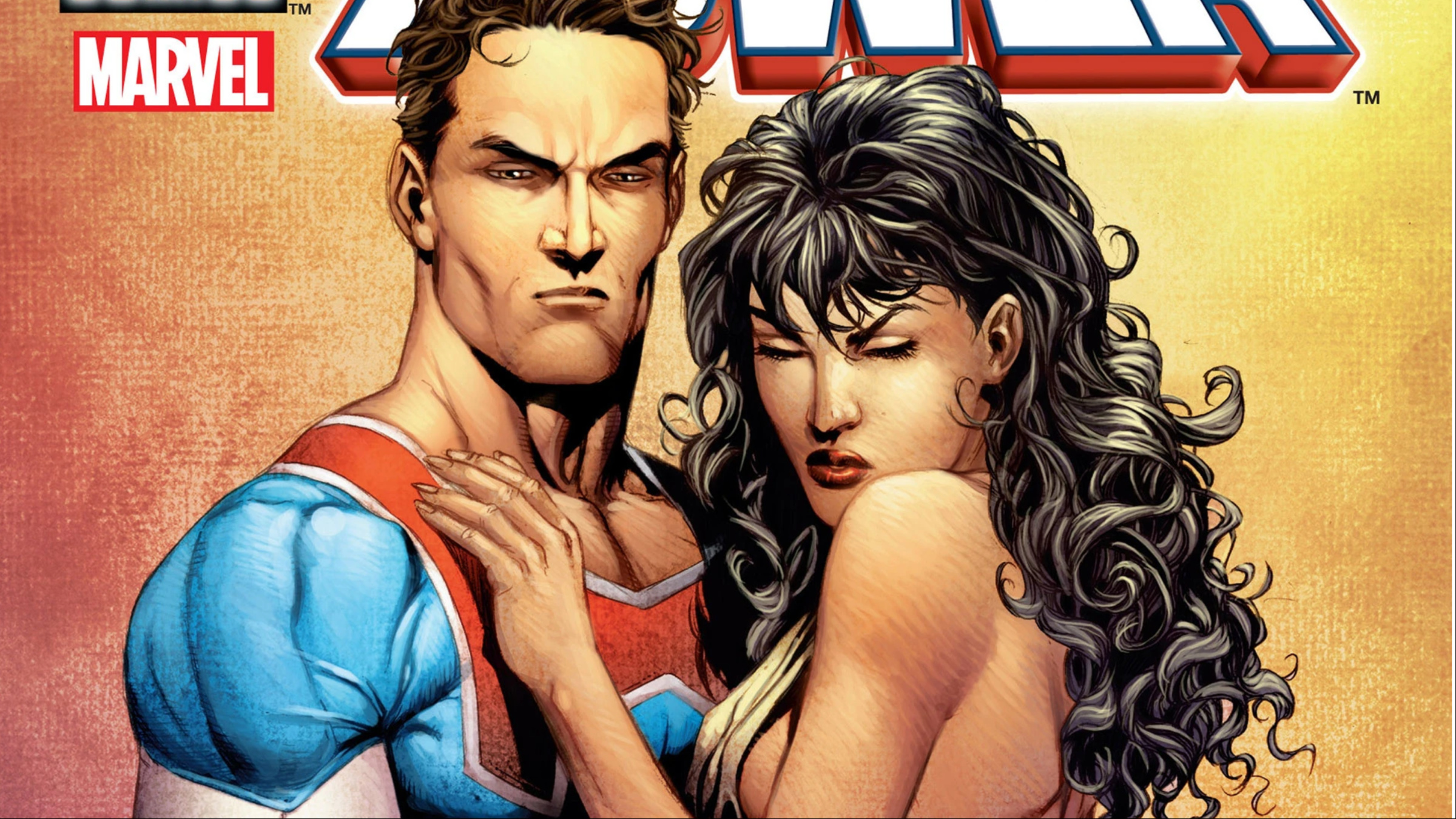
Marvel initially teased a sophisticated and compelling reboot of Squadron Supreme with an impressive 18-issue run, but ultimately changed direction without warning. Supreme Power was a unique and mature superhero story with significant potential, and fans were hoping for a continuation in that vein. However, Marvel prioritized profits and abruptly ended the series. Readers had already experienced a more traditional, family-friendly version of this concept, and they were looking for something more substantial from Marvel – but received the same outcome they’ve come to expect.
Marvel later attempted to revive the world of Supreme Power with Ultimate Power, a series by J. Michael Straczynski, Brian Michael Bendis, Jeph Loeb, and Greg Land, integrating it with their Ultimate Universe. Unfortunately, the timing coincided with a decline in the Ultimate Universe’s popularity, and the artwork by Land, which heavily relied on photo references, became a source of ridicule, effectively ending any chance of a successful return. Supreme Power remains a worthwhile read, but it’s a poignant example of unrealized potential. It was essentially a precursor to The Boys, but with a writer who treated superheroes with respect and a truly exceptional artist. Had Marvel continued the series as planned, it could have been a major success. As it stands, we’re left with 18 fantastic issues to remember fondly.
https://comicbook.com/comics/list/10-marvel-comics-you-need-to-read-in-2026/embed/#
Read More
- The Super Mario Galaxy Movie: 50 Easter Eggs, References & Major Cameos Explained
- 10 Best Free Games on Steam in 2026, Ranked
- Surprise Isekai Anime Confirms Season 2 With New Crunchyroll Streaming Release
- Sydney Sweeney’s The Housemaid 2 Sets Streaming Release Date
- Preview: Sword Art Online Returns to PS5 as a Darker Open World Action RPG This Summer
- Skate 4 – Manny Go Round Goals Guide | All of the Above Sequence
- Why is Tech Jacket gender-swapped in Invincible season 4 and who voices her?
- Welcome to Demon School! Iruma-kun season 4 release schedule: When are new episodes on Crunchyroll?
- Best coins for today
- Dune 3 Gets the Huge Update Fans Have Been Waiting For
2026-02-08 02:43