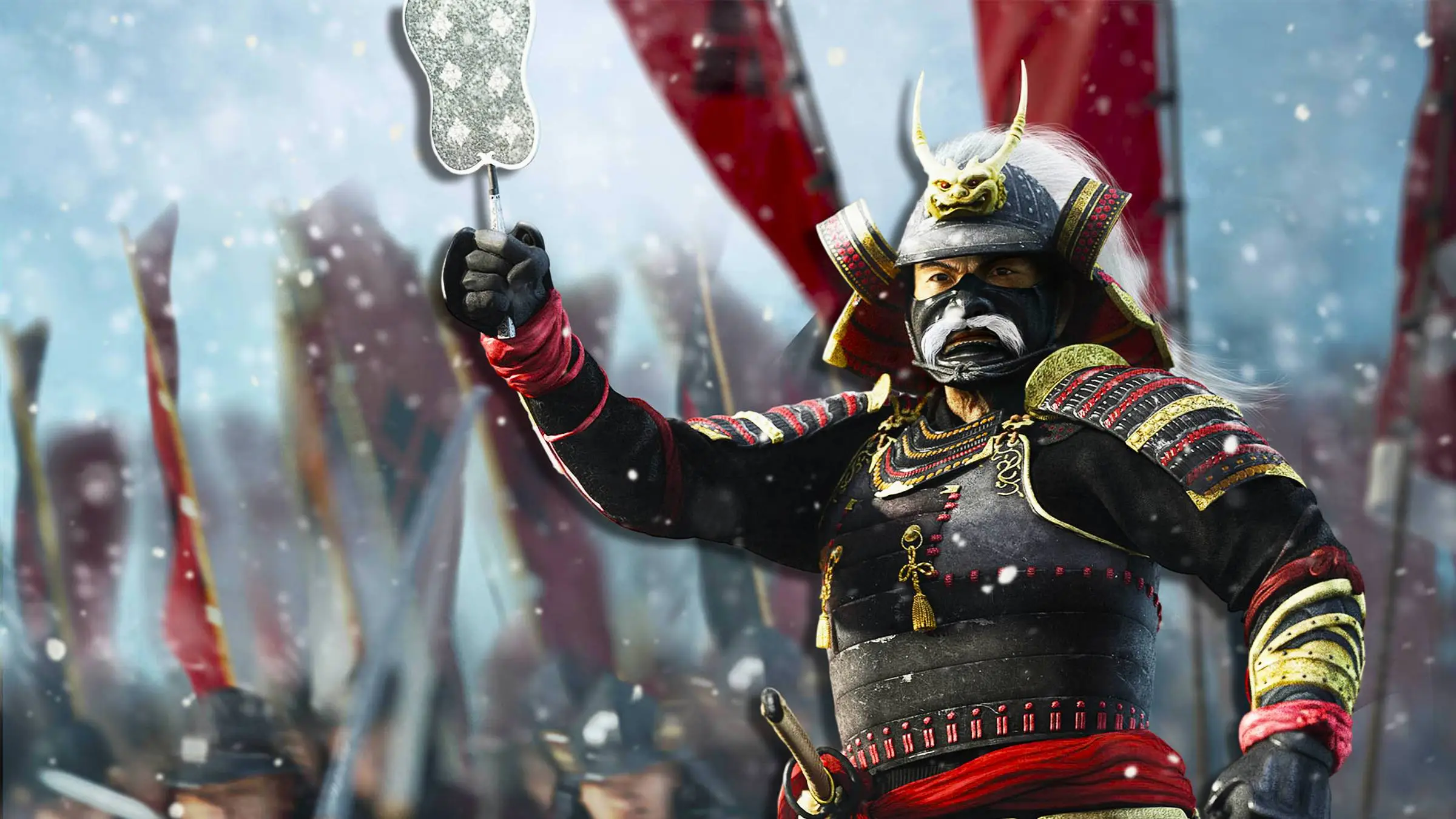
I secretly love strategy games, and I’m actually quite proud of the time I’ve spent mastering them. I’ve led countless armies in historical battles in the Total War series and built sprawling empires in Crusader Kings 2. The problem is, I don’t know anyone else who’s as into these games as I am, so I mostly keep my enthusiasm to myself. It can be a little lonely, but I enjoy it, and I happily spend time on Reddit finding other fans to share my excitement over games like Total War: Warhammer 40K.
I’m excited to share my love for one of my favorite strategy games, Total War: Shogun 2, which is celebrating its 15th anniversary in March! While I could talk about it endlessly, there’s a good reason to revisit it now. Even though the Total War series has evolved and many games have tried to copy it, Shogun 2 still excels at what it originally aimed for, solidifying its place as one of the greatest strategy games of all time.
Total War: Shogun 2 Was The Last Great Game In The Series
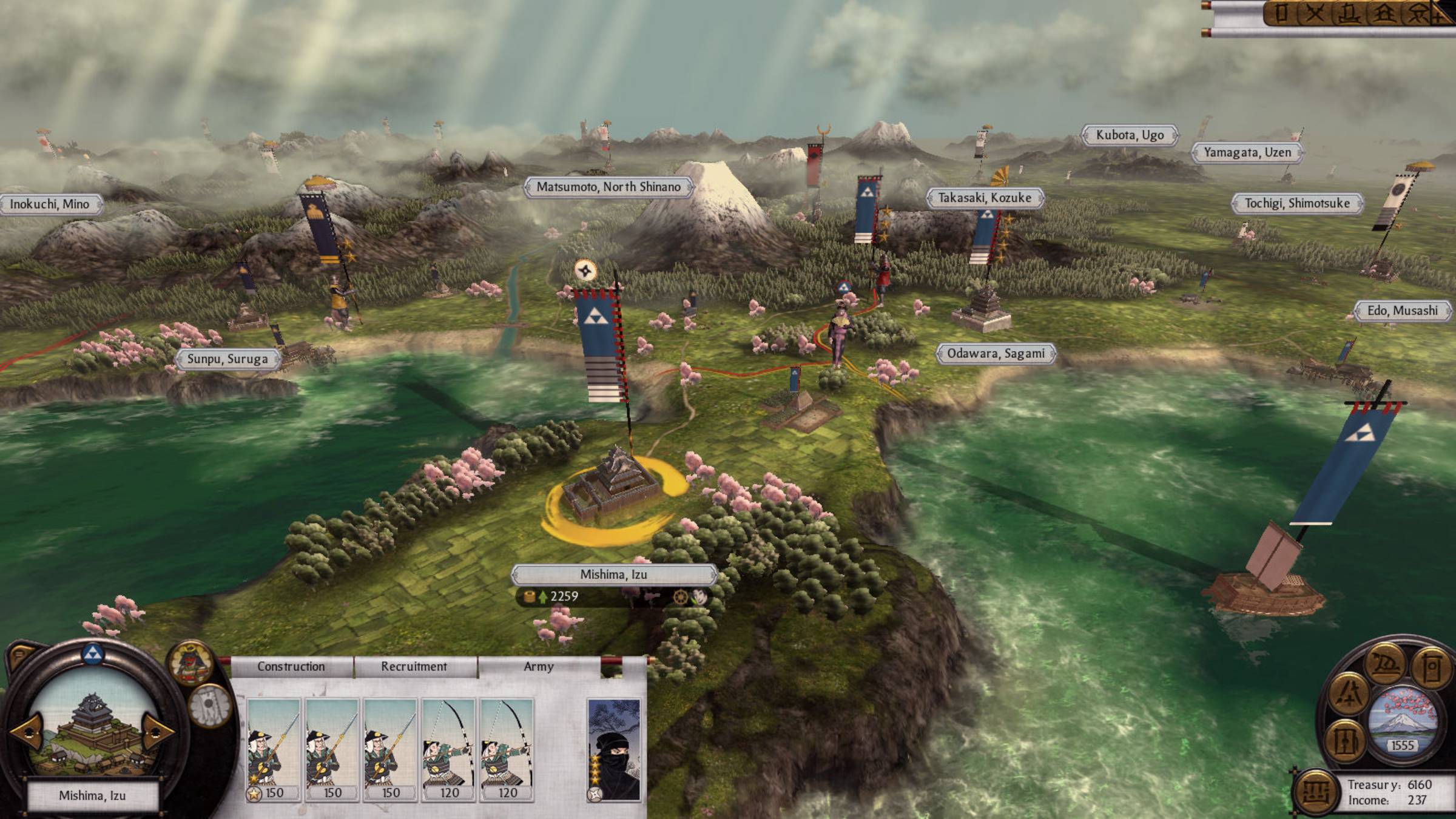
The Total War series has changed significantly over the last 15 years. Shogun 2 really represents the peak of its original style and gameplay. The following game, Rome 2, shifted the focus to powerful commanders, leading to fewer small battles and more large-scale conflicts – a trend that continued in later titles like Total War: Warhammer and Three Kingdoms. These newer games explored fantastical elements more deeply, which has proven divisive among fans.
I’ve played a lot of great Creative Assembly games, but Shogun 2 really felt like the peak of their design. It had the most sophisticated diplomacy, especially because of how it connected to individual characters – something later games haven’t quite matched. The internal conflicts between families, detailed family trees, the way characters built their legacies, and the variety of skills all made the game much more engaging. Even building up your cities was more complex and rewarding than in games like Total War: Warhammer and Three Kingdoms, which made those aspects too simple.
Total War: Shogun 2 strikes a unique balance – it’s both easy to pick up and surprisingly deep. Unlike some strategy games, it doesn’t hide important features behind extra purchases, making it welcoming to new players. However, don’t mistake accessibility for simplicity; the game offers a real challenge, with both small battles and large-scale conflicts being incredibly intense and memorable. While siege battles can be frustrating, heavily favoring the defending side, overcoming them feels genuinely rewarding. These sieges are a clear improvement over similar attempts in earlier Total War games, feeling much more polished.
I definitely look back on Shogun 2 with a lot of fondness, probably more than it deserves. It was a huge part of my childhood, and I spent countless hours playing it after school, which was a difficult time for me because I was being bullied. Like Medieval 2 and Napoleon before it, Shogun 2 gave me a feeling of being in control when I really needed it, and I’ll always appreciate that. Beyond the nostalgia, I truly believe it still stands out as one of the best grand strategy games ever made. Hopefully, Creative Assembly will create something equally amazing in the future, or even surpass it.
Total War Needs To Head In A New Direction
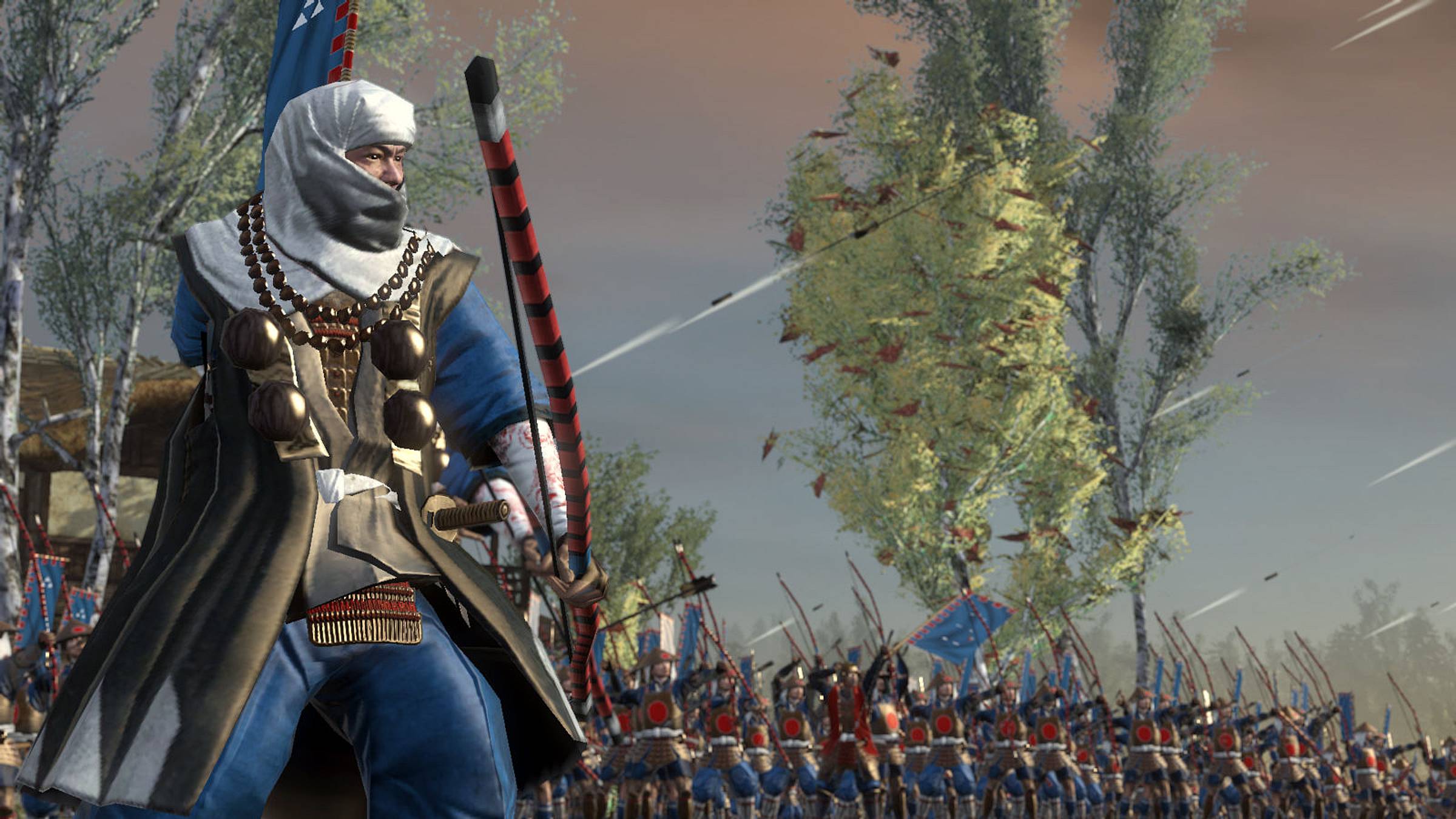
The Total War series has seemed a bit directionless lately and could really benefit from a major refresh. This isn’t about its practice of teaming up with other franchises, like Warhammer, or even the fantasy settings themselves, which I don’t think are a problem. Although I do miss seeing historical settings – few strategy games offer this kind of large-scale historical gameplay – I enjoy the Warhammer universe and the chance to play with its diverse factions in so much detail.
In my opinion, the biggest issue with recent Total War games is a lack of focus. Many of the elements that made the series so good have been watered down or removed, replaced by things like character skills, unique factions, and an endless stream of downloadable content. It feels like important aspects – diplomacy, managing your empire, building cities, even details like troop losses from weather or supply lines – don’t really have much impact anymore. While those features are still there, they seem to take a backseat to large-scale battles, fantastical creatures, and powerful commanders. Those additions are fun, but they don’t capture what I loved about Total War in the first place.
Maybe I’m looking at the past with nostalgia, but I really miss when diplomacy meant sending envoys across vast lands, when even small skirmishes felt important, and when a brave captain could become a respected member of your family for a heroic defense, no matter how small the village. Shogun 2 captured that feeling and offered a fascinating, relatively unexplored historical setting. Thankfully, it looks like we might be entering a new era for Total War games, as Creative Assembly recently announced Medieval 3, promising a return to what made the series great.
I’m optimistic that Medieval 3 will be the game many of us are hoping for, especially since my dad is helping with the historical accuracy. What’s also promising is that Creative Assembly is working on it alongside Warhammer 40K. This could allow them to offer two distinct experiences, appealing to their fans who have very different preferences. It’s unclear if Total War can regain its former popularity or even reach the heights of Shogun 2, but I’m hoping these upcoming strategy games live up to the hype and deliver an experience that surpasses a game from fifteen years ago.
What’s your favorite Total War game? Share your thoughts in the comments below and join the discussion on the ComicBook Forum!
https://comicbook.com/gaming/list/10-best-sega-genesis-games-ranked/embed/#
Read More
- What Song Is In The New Supergirl Trailer (& What It Means For The DC Movie)
- Why is Tech Jacket gender-swapped in Invincible season 4 and who voices her?
- The Super Mario Galaxy Movie: 50 Easter Eggs, References & Major Cameos Explained
- Sydney Sweeney’s The Housemaid 2 Sets Streaming Release Date
- Highly Anticipated Strategy RPG Finally Sets Release Date (And It’s Soon)
- Dune 3 Gets the Huge Update Fans Have Been Waiting For
- TV legend Carol Kirkwood reveals the reasons why she decided to retire after 28 years with BBC
- Crypto Chaos: 6 Events This Week That Could Send Bitcoin and XRP into a Tailspin!
- Palworld! More Than Just Pals ‘Special Video’, characters detailed
- We Need More Open World Games to Feature This Genre
2026-03-17 23:14