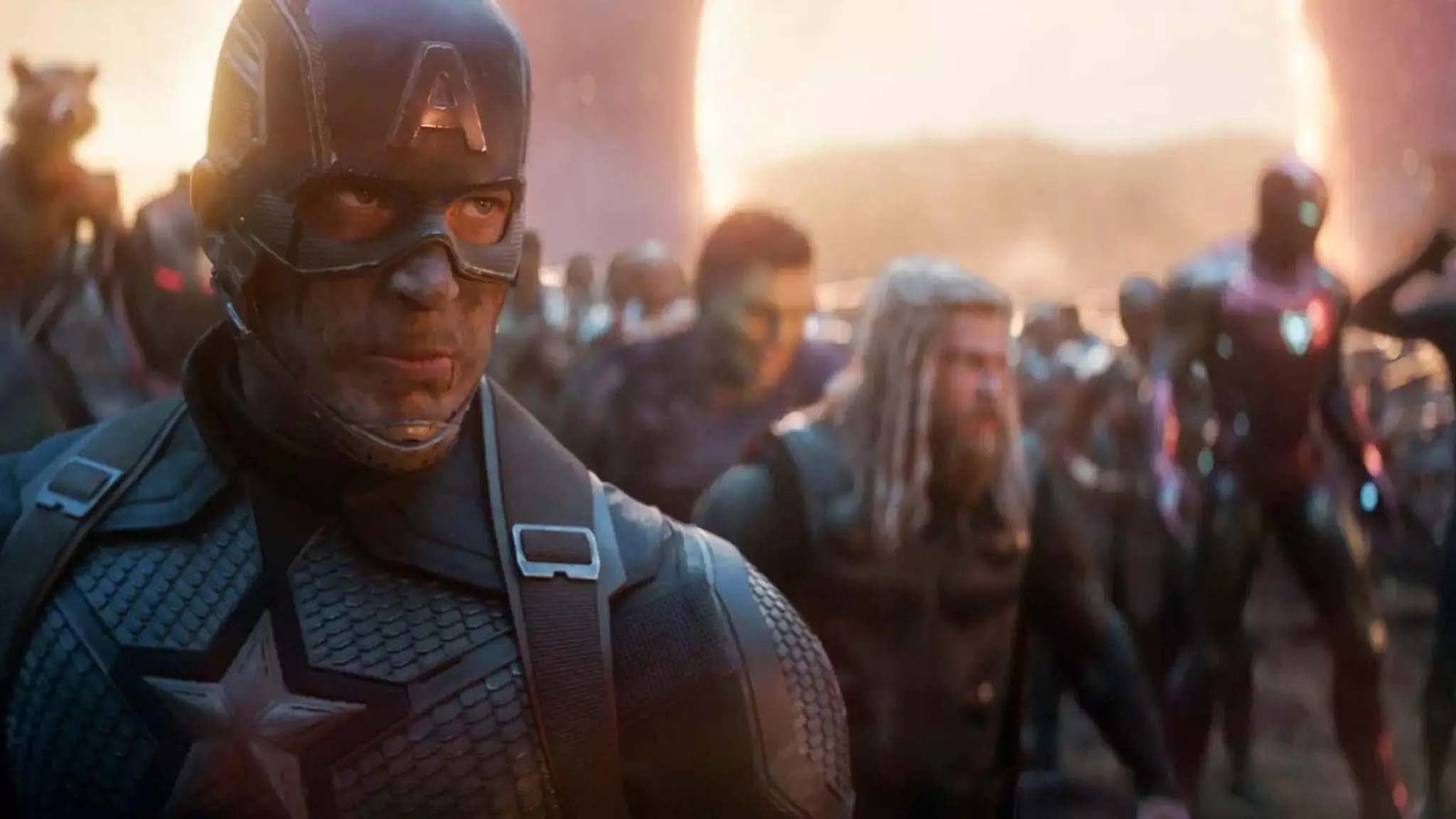
At one point, it seemed absurd to imagine Disney and Marvel operating together. The idea of Spiderman and Cars’ Lightning McQueen being corporate allies was inconceivable. Yet, over the past 16 years, this unthinkable scenario has turned into reality. Most of the Marvel Comics characters have been owned by Disney for almost two decades now. Since 2012, Walt Disney Pictures has distributed movies produced by Marvel Studios as well. Additionally, many Disney theme parks have profited from the inclusion of certain Marvel characters in costumes or thrilling rides.
Looking back, it all began with a game-changing move in 2009 when Disney decided to acquire Marvel Entertainment. At that time, the idea of seeing Marvel’s iconic superheroes under the same roof as Mickey Mouse seemed like a distant dream. But little did we know, that decision was laying the foundation for the remarkable universe we now enjoy today!
Why Was It Important For Disney To Buy Marvel?

When Robert A. Iger assumed leadership at The Walt Disney Company in October 2005, the company was experiencing significant challenges. During the early years of the new millennium, Disney was marked by a high-profile conflict between Roy E. Disney and Michael Eisner, its former CEO. During this period, Walt Disney Animation Studios produced underwhelming films, while California Adventure theme park met with widespread criticism. Meanwhile, Pixar Animation Studios (under a distribution contract with Disney) was considering its options to depart. It was clear that Disney required immediate and substantial changes to regain its former glory.
Iger’s distinctly different strategy from his predecessor became evident soon after taking office, as Disney acquired Pixar Animation Studios for over $7 billion merely three months into his tenure. However, this wasn’t the only significant acquisition made during his leadership at Disney. On August 31, 2009, it was announced that Marvel Entertainment, Inc. would be bought by Disney for approximately $4 billion. This acquisition granted instant control over characters such as Spider-Man and Iron Man, along with Marvel Comics and Studios divisions, among numerous other assets.
As a die-hard movie enthusiast, I’ve always been intrigued by the strategic shifts at Disney under Bob Iger’s leadership. One of his key objectives was to capture the elusive young male audience, which led to the transformation of Toon Disney into Disney XD – essentially a boy-centric version of the Disney Channel. Blockbusters like “Prince of Persia: The Sands of Time,” “Tron: Legacy,” and “The Sorcerer’s Apprentice” were greenlit with this specific demographic in mind. The acquisition of Marvel, in the eyes of Disney executives, signaled a shift away from praying for hits like “Prince of Persia” or shows like “Aaron Stone” to become the next “Hannah Montana” for young boys.
As a passionate movie enthusiast, I’ve always admired the iconic status and enduring appeal of Spider-Man and other Marvel characters, captivating fans of all genders, young boys included. When Iger made the monumental decision to invest $4 billion in Marvel, it was seen as an immediate solution to solidify these beloved figures’ reign. However, this acquisition didn’t come without its unique conditions. Primarily, numerous Marvel characters were tied up with different studios. Even the Marvel Studios films were bound by a distribution contract with Paramount Pictures that extended until 2013. Yet, Disney recognized the immense potential in this deal and was determined to reap the benefits over the long term.
How The Disney/Marvel Partnership Paid Off Big Time

As a fervent admirer, I can’t help but express my awe at the extraordinary success of Disney’s acquisition of Marvel. It’s safe to say that this investment has been nothing short of historic, yielding unprecedented returns for Iger and his team.
In 2012, following their 2010 deal with Paramount Pictures, Disney released its first theatrical Marvel movie, The Avengers. The film’s staggering $1.5 billion global box office earnings alone accounted for approximately 37% of what Disney had initially paid for Marvel.
Over the subsequent seven years post-The Avengers, the Marvel Cinematic Universe films distributed by Disney consistently reached new box office peaks, further underscoring the wisdom of this strategic decision.
The blockbuster movie “Avengers: Endgame” released in 2019 earned an astonishing $2.79 billion worldwide, momentarily securing the title of the highest-grossing film globally at the box office. This success was a great investment for Disney, considering they spent only $4 billion on it, whereas their acquisition of 21st Century Fox’s entertainment assets in March 2019 amounted to a hefty $71.3 billion. Moreover, Disney’s strategic marketing and distribution of Marvel movies not only made them a powerhouse but also provided valuable insights that led to the success of subsequent hits like “Star Wars: The Force Awakens” in the latter part of the 2010s.
The establishment also paved the way for a new breed of box-office sensations that all major Hollywood studios have been striving to emulate. Nowadays, we find ourselves immersed in a cinematic world shaped by the ambitions of interconnected movie universes. Each studio continues to yearn for successes similar to the Marvel Cinematic Universe (MCU) films Disney launched in the 2010s. Despite recent box-office challenges faced by titles such as The Marvels and Thunderbolts, productions like Captain America: Civil War and Black Panther continue to inspire Disney to remain fully committed to MCU projects.
The development led to the creation of new blockbusters that all American film studios have been eager to replicate ever since. The current movie landscape is one influenced heavily by the quest for interconnected cinematic universes. Studios are still hungry for hits like those from the MCU movies Disney put out in the 2010s. Even though the MCU has faced recent box-office struggles with movies such as The Marvels and Thunderbolts, powerhouses such as Captain America: Civil War and Black Panther continue to fuel Disney’s dedication to producing MCU films.
Back in August 2009, it was hard to fathom the magnitude and cultural transformation that the Disney-Marvel deal would bring about. At the time, Walt Disney Pictures had only one film (Pirates of the Caribbean: Dead Man’s Chest) that made over $400 million domestically. However, this partnership marked a significant shift for Disney, propelling them from the shadows of the Eisner era to their current status as a powerhouse in blockbuster productions. The acquisition, once deemed implausible by comic book enthusiasts, has undeniably reshaped cinema landscape, both positively and negatively.
Avengers: Endgame is now streaming on Disney+.
Read More
- What Song Is In The New Supergirl Trailer (& What It Means For The DC Movie)
- Why is Tech Jacket gender-swapped in Invincible season 4 and who voices her?
- TV legend Carol Kirkwood reveals the reasons why she decided to retire after 28 years with BBC
- Dune 3 Gets the Huge Update Fans Have Been Waiting For
- Highly Anticipated Strategy RPG Finally Sets Release Date (And It’s Soon)
- Grab These Resident Evil PSN Avatars for Free This Month
- Gold’s March Madness: Plumbing, Panic, and Polish Central Banks
- Whales, Channels, and the Inevitable Dance of Folly
- The War Film Harrison Ford Completely Disowned Finally Returns to Streaming – “A Terrible Experience”
- Steam Giving Away Two PC Games for Free for Next 72 Hours
2025-08-31 17:13