
Science fiction movies have come a long way, evolving from small, independent films into major blockbuster attractions. Currently, Ryan Gosling’s space drama, Project Hail Mary, is already a significant success, having earned over $300 million and still counting. But at the start of the 21st century, sci-fi was often seen as a lower-budget genre until a particular film skillfully blended complex, thought-provoking ideas with exciting, high-quality action sequences.
The movie wasn’t just a huge financial success; it became a major part of the culture. It launched a whole series of films and significantly influenced popular trends in areas like fashion and music, even changing how movies are made. Its impact went beyond entertainment, prompting ongoing discussions and debates. This lasting cultural influence is precisely why it’s been so challenging for the franchise to regain its original popularity.
The Matrix Hit Theaters 27 Years Ago Today (& Changed Everything)

Released in US cinemas on March 31, 1999, The Matrix quickly became a cultural phenomenon thanks to a huge amount of pre-release buzz. Its marketing campaign was incredibly effective, drawing in audiences worldwide with a sense of mystery. The filmmakers, the then-relatively unknown Wachowskis, deliberately kept the plot vague, relying on atmospheric trailers and TV spots that simply posed the question, “What Is The Matrix?” and encouraged people to see the movie to discover the answer.
The first trailer for The Matrix, shown during Super Bowl XXXIII in 1999, was just 30 seconds long, but it generated huge excitement with its impressive visual effects and action. When the movie came out in theaters two months later, it became a massive hit and redefined what a spring blockbuster could achieve.
With a budget of $63 million, The Matrix grossed $467.8 million worldwide in theaters, launching a huge franchise for Warner Bros. and the Wachowskis. This included two sequels filmed simultaneously, plus a wide range of merchandise – from music and clothing (think lots of black leather!) to video games, anime, and books. Even the film’s iconic green code became a recognizable part of popular culture. However, The Matrix‘s most lasting impact has been its exploration of complex philosophical and social questions – questions that we continue to grapple with today.
The Matrix Ushered In Hollywood’s Era of “The Big Twist” & Wire-Fu Action
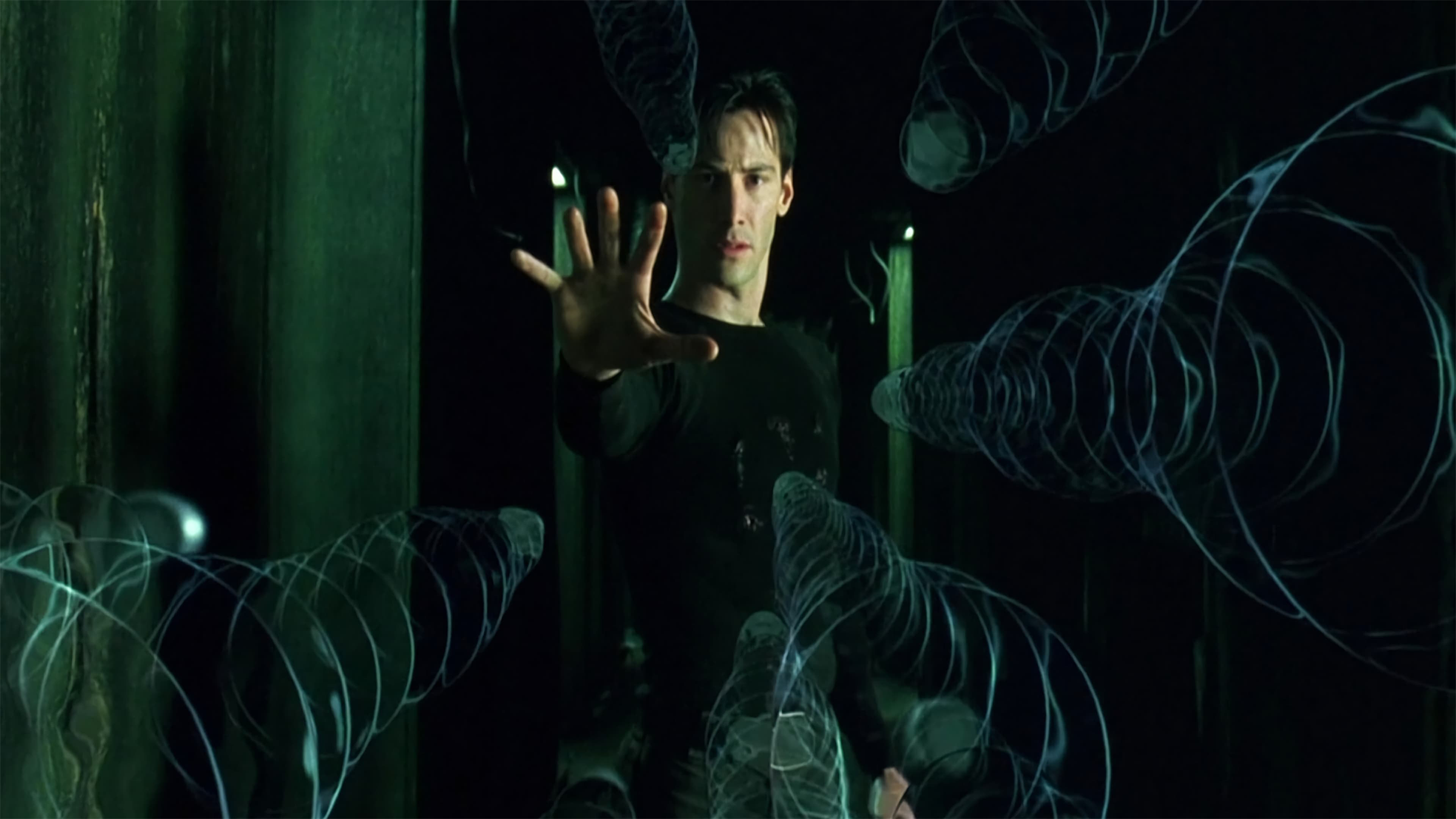
The film The Matrix follows Thomas Anderson (Keanu Reeves), a computer programmer who lives a double life as the hacker “Neo.” He’s drawn into a group of rebels led by Trinity (Carrie-Anne Moss) who are trying to understand a mysterious, powerful system called “The Matrix.” Soon, Neo meets Morpheus (Laurence Fishburne), the group’s leader, and chooses to join their fight rather than be captured by government agents like Agent Smith (Hugo Weaving) who are pursuing him. Neo then discovers a shocking truth: “The Matrix” isn’t reality, but a simulated world created to control humanity. In the real world, machines have taken over and are using humans as a power source after a devastating war left Earth in ruins. With this knowledge, Neo begins the fight to free humanity and reclaim the world.
When The Matrix came out, its plot twist was one of the most shocking in movie history. Released around the same time as M. Night Shyamalan’s The Sixth Sense, these two films together started a trend where twists became a major selling point for movies for years to come. While many films tried to copy this technique, The Matrix and The Sixth Sense are still considered the best examples. Several later films, like The Cell, The Thirteenth Floor, and Existenz, were often seen as imitations, telling twist-driven stories in artificial or digital worlds.

Released around the year 2000, The Matrix captured the public’s anxieties about the rapidly approaching digital age and the fears surrounding the Y2K bug. The filmmakers drew on then-current scientific theories about advanced technology and its potential impact on society. The film proved remarkably prescient, anticipating a world where people have online identities and spend significant time in virtual spaces – a concept that now feels like a commentary on internet and screen addiction. Beyond that, the idea of a population being unknowingly controlled and exploited sparked years of discussion about the direction of society.
Beyond all of this, the Wachowskis made a groundbreaking decision to hire top martial arts choreographers and stunt performers from Hong Kong. This opened the door for Eastern martial arts films to gain widespread recognition in Hollywood. The technique known as “wire fu” became a popular trend in many blockbuster movies during the 2000s, including The Matrix Reloaded and The Matrix Revolutions, which took the action sequences even further than the first film.
The Matrix‘s Brilliance Is Exactly Why It’s Been So Hard to Reboot
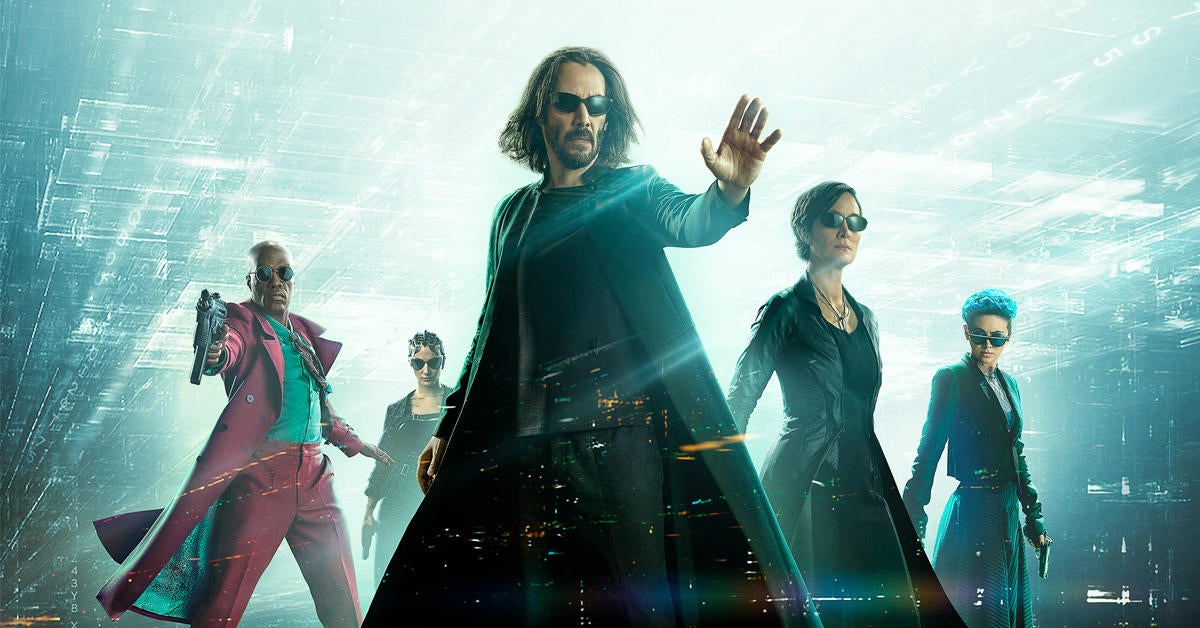
Despite its groundbreaking initial success, the continued expansion of The Matrix universe came with a trade-off. While The Matrix Reloaded and The Matrix Revolutions (both released in 2003) earned over $1.16 billion and generated significant merchandise sales, the sequels weren’t as well-received by critics or audiences. Other projects, like the Enter the Matrix video game and the Animatrix anime, gained dedicated cult followings, as did the Matrix Online online game, which built a loyal community from 2005 to 2009.
By the 2010s, The Matrix’s cultural impact had diminished, as superhero movies from Marvel and DC became dominant. The Wachowskis, the filmmakers behind The Matrix, also underwent significant personal changes, publicly transitioning and becoming known as Lana and Lilly. While their 2008 film Speed Racer is now a beloved cult classic, it was initially seen as a departure from their previous work. Their subsequent films, Cloud Atlas (2012) and Jupiter Ascending (2015), unfortunately didn’t perform well financially, failing to earn back their large production costs of over $100 million each.
The Wachowskis found success with their film adaptation of V for Vendetta. They also created the groundbreaking LGBTQ+ superhero series Sense8 with writer J. Michael Straczynski for Netflix. The show ran for two seasons, from 2015 to 2017, and was another major achievement for the Wachowskis.

Throughout the 2010s, the Wachowskis were focused on new film projects and their series Sense8, which meant they didn’t need to revisit The Matrix. They also mentioned in interviews that it was becoming difficult to find fresh ideas for the franchise, considering how connected the world of The Matrix is to digital technology. As the decade ended, Lana Wachowski returned to the series, but the studio later took control of future installments.
You can stream The Matrix on HBO Max. Discss the film with us on the ComicBook Forum!
Read More
- Pluribus Star Rhea Seehorn Weighs In On That First Kiss
- Kelly Osbourne Slams “Disgusting” Comments on Her Appearance
- Looks Like SEGA Is Reheating PS5, PS4 Fan Favourite Sonic Frontiers in Definitive Edition
- Arknights: Endfield – Everything You Need to Know Before You Jump In
- Dune 3 Gets the Huge Update Fans Have Been Waiting For
- ’90s Cartoon Reboot & TMNT Connection!
- ‘Marty Supreme’ Ending, Explained
- Gold Rate Forecast
- Hideo Kojima Says He Was Never Told About The Matrix Creators Wanting Him to Make a Game
- Goat 2 Release Date Estimate, News & Updates
2026-03-31 16:15