
As the main character of Pathologic 3 breaks down, he reflects, ‘One Daniil Dankovsky in a mirror, now a thousand pieces.’ This perfectly captures his fractured mental state and the game’s time-bending story. It raises a central question: are all these fragmented versions of himself truly the same person, and can they remain so even as they continue to splinter?
Among the many mysteries in Pathologic 3, this one might not be the first thing you notice, especially when the deadly plague begins. Like the previous games, Ice-Pick Lodge drops you into the strange town of Gorkhon, a place that feels both living and threatening. Surviving there feels less like a straightforward struggle and more like watching—and shaping—a play. The game is initially welcoming, but subtly draws you into its complex world, constantly keeping you uncertain as each new event adds another layer to this grim and fascinating landscape.
One interesting change from Pathologic 2 is that the game world is divided into distinct districts you need to travel between. While the loading screens are fast, they do appear somewhat frequently.
Dankovsky is very familiar with death and finds it strangely captivating. As the head of Thanatica in the capital city, he’s always searching for ways to overcome it. When he hears about a man named Simon Kain who apparently did just that – cheated death – Dankovsky travels to the town to investigate. Initially, things appear harmless – children playfully stealing his tools, adults arguing with a local herbalist over a corpse. But the situation quickly escalates, and you soon find yourself being questioned in an interrogation room.
The town is ruined, and you’re to blame. Investigating what happened reveals crucial information – it seems Dankovsky disappointed a lot of people – but ultimately hits a wall. That changes when a strange group called the Shadows – people in black suits and masks – explain to Daniil that time is broken, and he can go back to earlier days to try and change things. Looks like you’ll need to smash some legs and mirrors to pay for these time jumps, Dankovsky.
You can revisit past days to experience what happened before, and even try to save people who might have helped you. A special Mind Map helps you keep track of clues and events, and highlights important characters – and what happens to them if you don’t reach them in time. What’s really interesting about Pathologic 3 is that it keeps adding new mysteries, even when you’re exploring familiar territory.
When you return to town for the first time, you’ll meet the enigmatic Eva Yan in the bizarre settlement of Stillwater. There, you’ll craft remedies for your Prototype – a device that protects against the spreading sickness. From there, you can travel to Town Hall, a relatively safe trip compared to the frantic events of Day 5, where you had to build bonfires while battling the plague. Or, you can brave the riots in the southern part of town to rescue an important character. This follows a desperate run through an infected area where you’re pursued by Shabnak, a physical manifestation of the plague, but it’s worth it to find a flower that could help you understand the infection. A new feature is that the town is divided into distinct areas, requiring careful route planning, though the frequent loading screens, even if brief, can be a little disruptive.
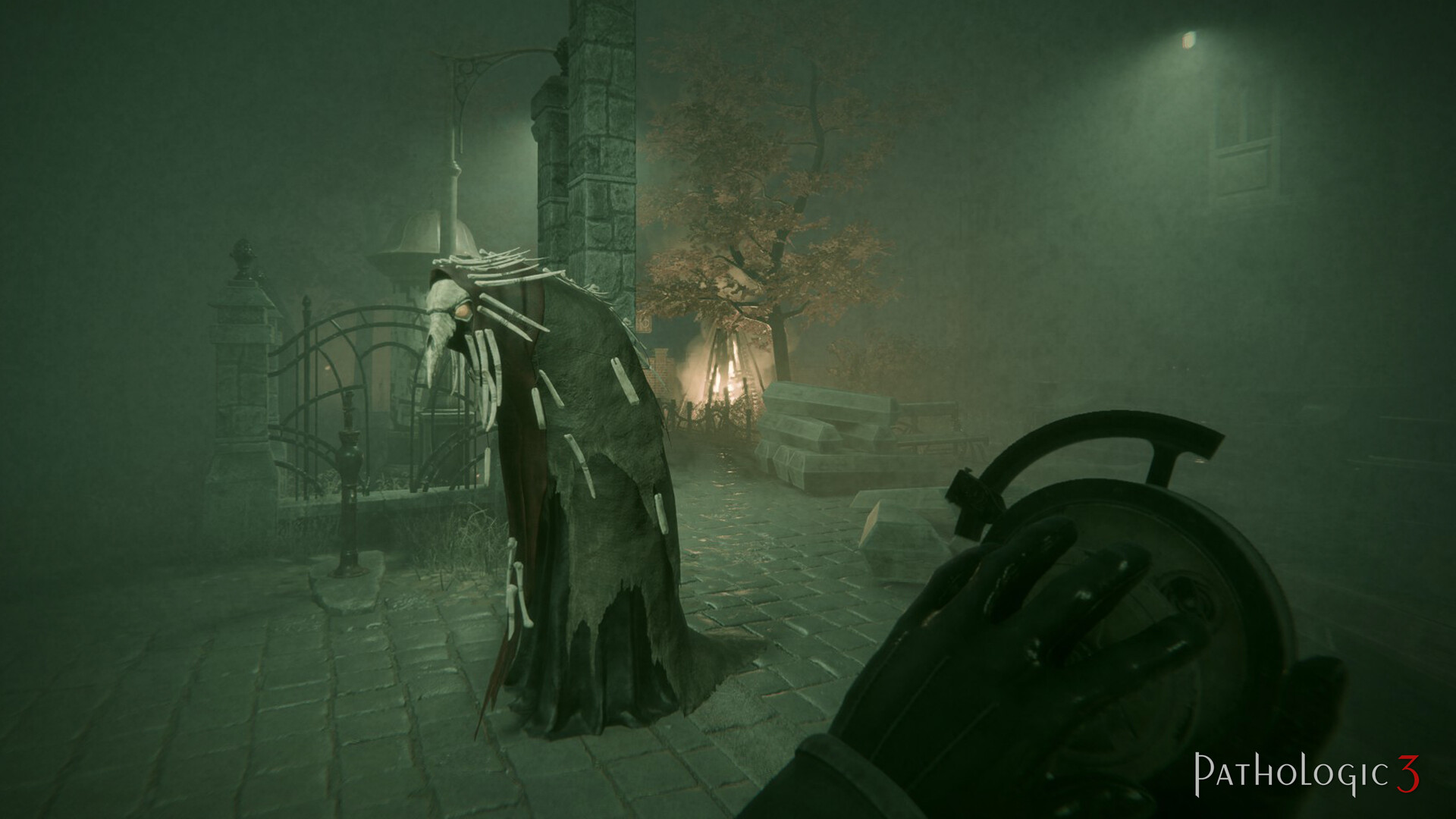
The game features a truly amazing cast of characters, ranging from charmingly simple to playfully deceitful. What makes them so engaging is that it’s often hard to figure out their true intentions, and the conversations you have with them are wonderfully written to begin with.
Pathologic 3 is complex, and intentionally obscures as much as it reveals. The game relies heavily on dialogue, but the limited voice acting can make conversations feel more significant than they initially seem. This is actually a strength of the writing, as every character has hidden depths, and you also need to manage Daniil’s fluctuating mental state – ranging from apathy to mania. Even seemingly normal actions, like admitting failure, can negatively impact his condition, potentially leading to a self-inflicted gunshot wound if he falls into despair. Conversely, becoming overly excited or agitated can overwhelm him and cause him to give up, though it might offer a temporary speed boost, which is useful when evading the dangerous Shabnak.
Finding the right balance between these two aspects is crucial, much like understanding someone’s character to find a solution, and I value that. It requires a delicate approach, or even something unexpected, even when trying to be kind, just to avoid becoming overwhelmed. There are plenty of things that can help, from coffee to stronger medications, but be aware that they can have drawbacks. Each day, you have to gather supplies again, but I didn’t find it too difficult, as I focused on exploring carefully for items and trading with the children for walnuts.
The game features a truly impressive range of characters, from charming and innocent to sly and deceitful. It’s often hard to know who to trust, which makes interacting with them all the more engaging, especially with such well-written conversations. While combat exists, the tension and threat it creates are more important than simply defeating enemies. Sometimes, it’s even smarter to intimidate people, particularly when you’re running low on ammunition. However, be mindful of how many people you kill, as excessive violence can make Daniil lose his will to live.
Playing Pathologic often involves learning through experimentation. You might withstand several attacks from the Shabnak, but the damage adds up, especially with the plague increasing your apathy. However, killing just two people can be fatal. The game’s time-loop mechanic also affects saving, and while it works, it can be frustrating to return to the beginning after making progress in one area, only to fail in another. But that’s part of the design – the game teaches you that rushing in with guns blazing isn’t the answer.
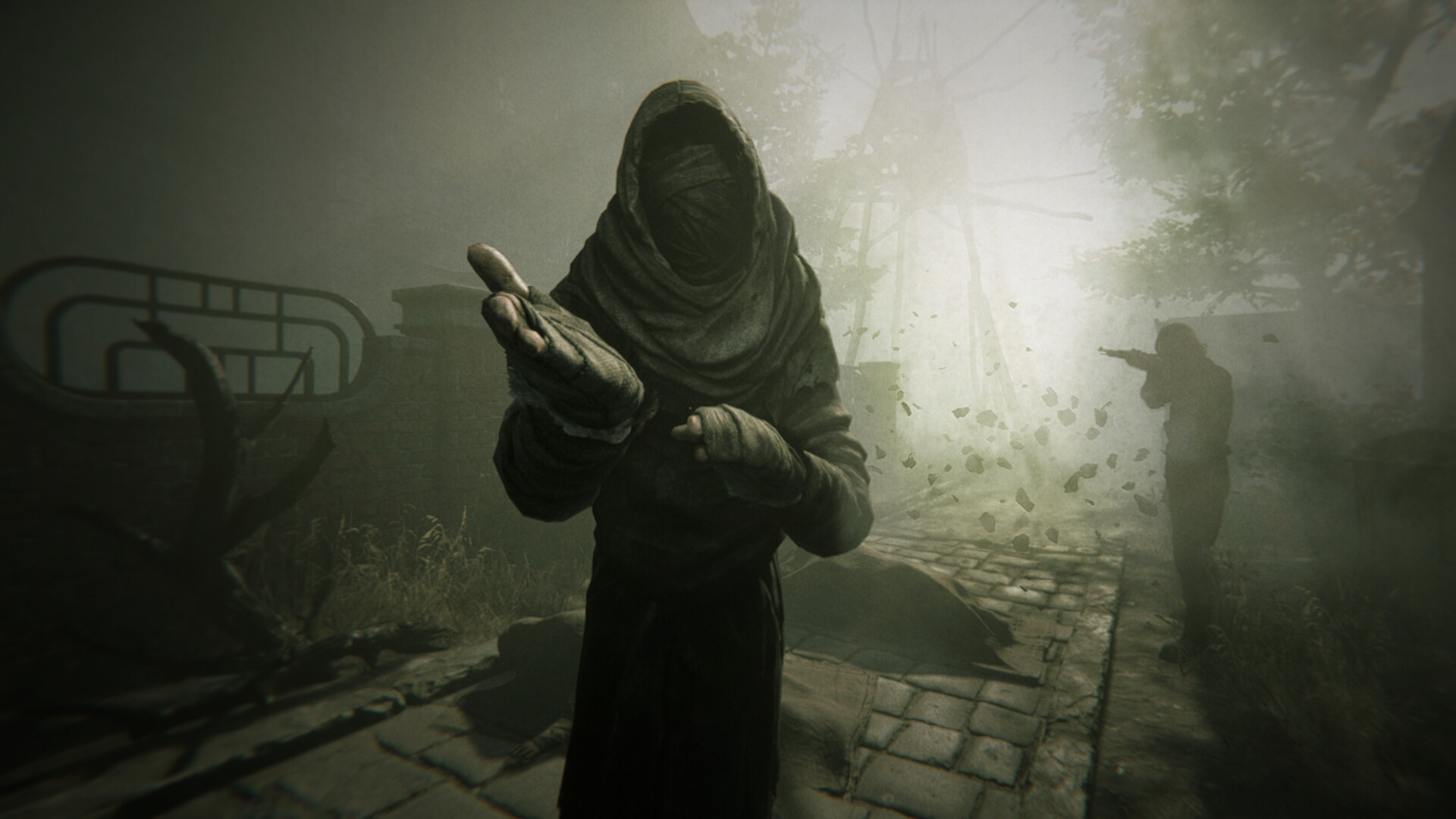
Though the game uses elements of survival horror, it really focuses on the characters’ minds and feelings. Trying to both rescue the town and solve the central mystery – which has plenty of surprising moments – can be both confusing and incredibly engaging.
Some parts of the game feel unnecessarily difficult. For example, I once got stuck in a small area with no way to jump over a waist-high hedge, effectively halting my progress. The limited-use prototype item also feels strange occasionally. After completing a task to stop a plague and then dealing with the Shabnak enemy, trying to use the prototype again immediately doesn’t work, even though it still counts as a use. This is frustrating, especially since both of these threats can keep attacking you repeatedly as long as you stay in the area.
Despite a few minor issues, like occasionally awkward facial expressions, Pathologic 3 is a strong sequel and a great starting point for new players. It blends survival horror with a deep psychological story, and the experience of trying to save the town while uncovering its secrets is both unsettling and captivating. Be prepared for a challenging game that requires patience, and remember that every character and life matters, no matter how complicated things get.
This game was reviewed on PC.
Read More
- What Song Is In The New Supergirl Trailer (& What It Means For The DC Movie)
- Eurogamer Gives ARC Raiders 2/5 Over AI Voices, Dropping Metacritic Score from 94 to 84
- Gold Rate Forecast
- Spider-Man 4 Rumor Roundup Reveals Sadie Sink’s Role With Power Change & More
- The OG Resident Evil 1, 2 and 3 Are Now Available on Steam With a Heavy Discount (and DRM)
- 10 Best Connie Episodes of King of the Hill
- Kylo Ren’s Darkest Moment: A Shocking Echo of Anakin’s Infamous Past
- The Monsterverse’s Shocking New Time Travel Story – Monarch: Legacy Of Monsters Season 2, Episode 6 Explained
- Tainted Grail: The Fall of Avalon – Merlin’s Tomb DLC Adds a New End-Game Dungeon for Free
- How to Get the Bloodfeather Set in Enshrouded
2026-01-12 15:12