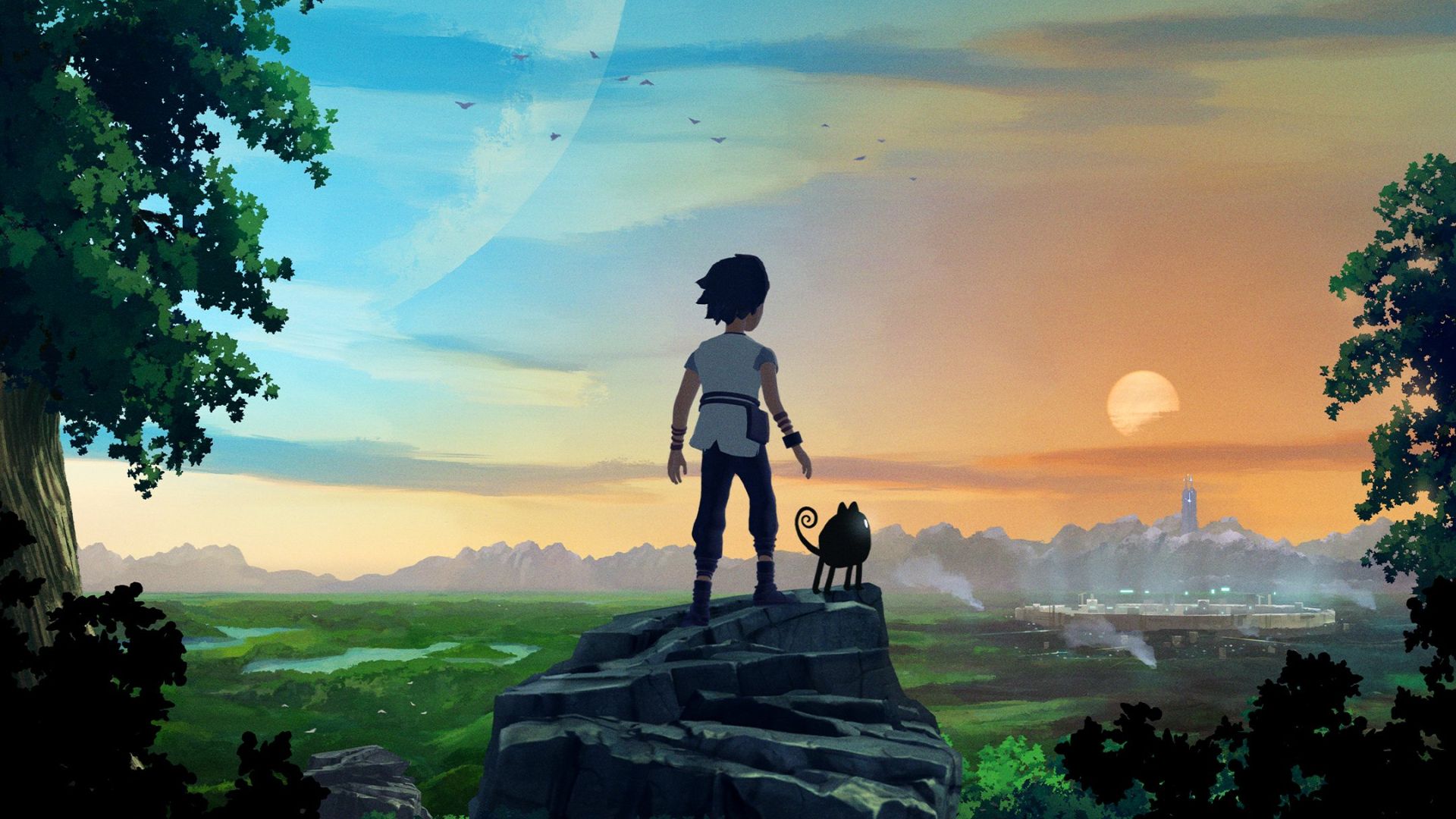
From the very beginning of Planet of Lana, I was totally hooked. You’re dropped onto this beautiful, strange world with no explanation – just thrown into the story with Lana and her sister, Elo. I immediately felt the danger from these creepy machines, and the way the game starts, with you sneaking around the village, trying not to get caught, was so intense! It’s amazing because you don’t know what happened to anyone else, and there are no subtitles, so you have to figure out what Lana and Elo are saying for yourself. It really pulls you in!
So, I just played Planet of Lana 2: Children of the Leaf, and it’s a really different experience from the first game. It starts with Lana filling me in on everything that happened before – apparently the planet actually has a name! Then, it jumps forward two years. Instead of a frantic run for your life, this one is more about exploring and figuring things out as Lana revisits familiar, broken-down areas. It’s a great way to get back into the platforming and puzzles, especially once you get control of Mui again. But it also throws in a lot more story moments with no text, letting the visuals do the talking, and really dives deeper into what the characters are discovering.
I often think about this when considering the game as a whole. I didn’t anticipate a huge change from the original, but rather some meaningful improvements to how it looks and plays. Planet of Lana 2 doesn’t quite deliver that kind of transformation, but it does offer several enhancements, including more clever puzzles that are both smooth and challenging, and a beautiful, hand-drawn art style. Ultimately, that’s enough to make it worthwhile.
Lana has improved a lot over the last two years, and this is especially noticeable in the game’s platforming. While she occasionally struggles with tricky jumps and risks failing, the levels themselves are now more complex and creative, making good use of switching between Lana and Mui.
Two years have passed, and Lana is continuing her quest to understand both humans and the Machines. Although things are calmer as she travels through the village, it’s clear how much the world has evolved, with Machines now commonly used for everyday tasks. Lana has become more confident and capable since the first game, and she’s starting to feel like Elo, who still wants to protect her, underestimates her abilities. Lana believes she can handle things on her own.
When a child falls ill because of a strange material left by the Dijinghala, the village becomes even more worried. Elo joins the village guard to confront them, while Lana and Mui are sent on a seemingly simple mission: gathering ingredients for medicine. But their search quickly becomes an adventure, taking them through diverse environments like snowy mountains with heavily guarded bases and beautiful, tropical beaches perfect for swimming. And as you’d expect from a Planet of Lana game, the situation will only get more intense.
I actually enjoy how the story follows several characters at the same time. The first game focused mainly on Lana and Mui, but this one gives us quick glimpses of what other important characters are doing. The beginning has a lot of cutscenes that interrupt the gameplay a bit, but after the initial setup, the game flows pretty smoothly.
The world remains a dangerous place, especially with the emergence of the Dijinghala – a group of humans digging for unknown resources on the planet. Luckily, Lana has improved significantly over the last two years, and her movement reflects that, though tricky jumps can still be a challenge. The game’s levels are now more complex and feature creative sequences that make good use of switching between Lana and Mui.
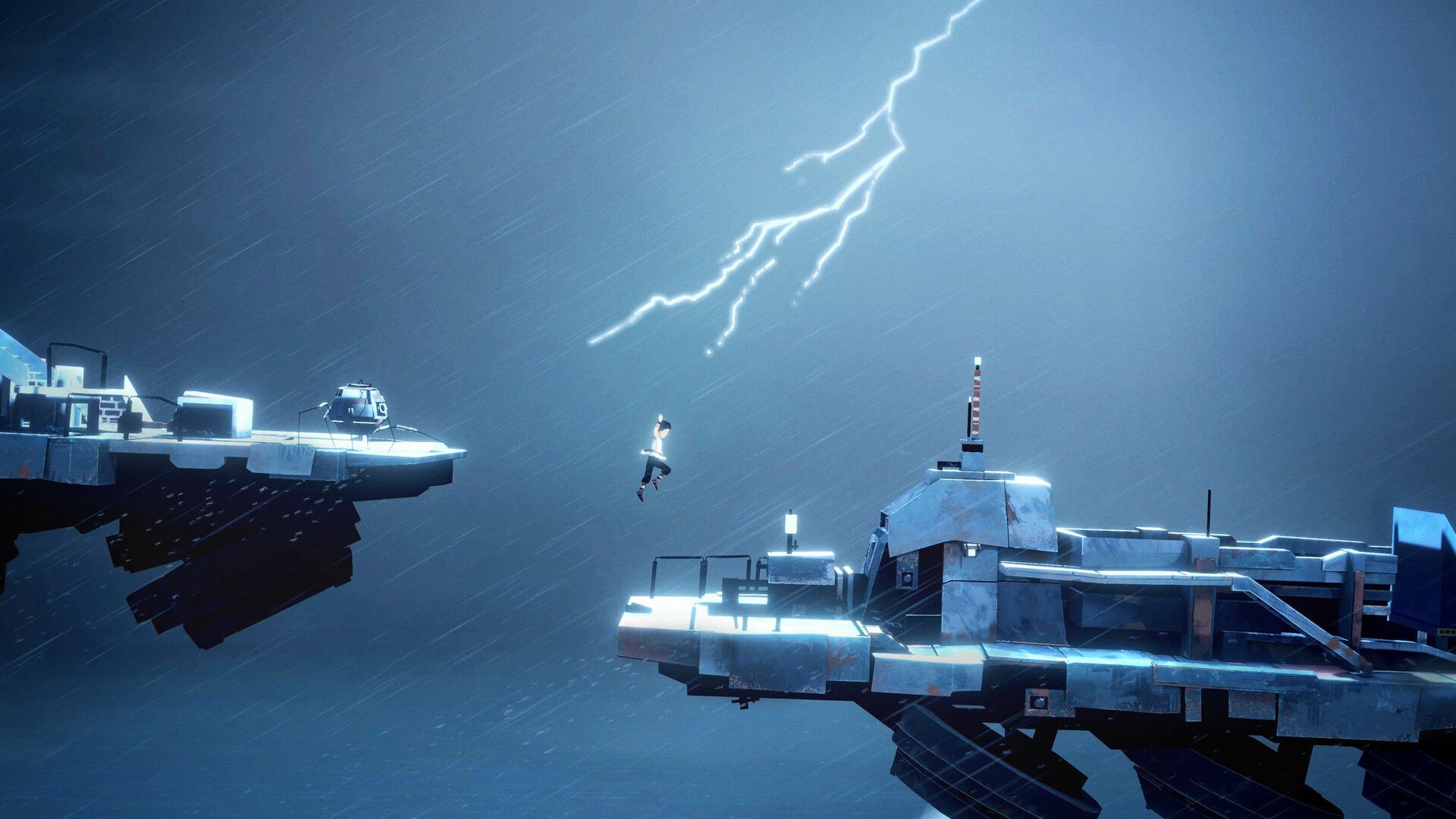
The game’s rhythm sometimes slows down because there are so many puzzles. This was also an issue in the first game, and while Planet of Lana 2 improves on it, it still happens occasionally.
As you explore the Dijinghala mountains, you’ll find a nest of creatures that Mui can command. You can use their silk-like threads to create temporary bridges, burn through webs, or even make platforms disappear briefly. This ability becomes useful later when facing a mining robot drawn to glowing ore. A clever puzzle involves luring the robot with the ore, having a creature place threads leading to a specific spot, and then protecting those threads from a security turret so the robot reaches its destination.
Eventually, you’ll need to shoot something to trigger the puzzle’s solution. It’s not the most difficult puzzle to figure out – this is true for many puzzles in Children of the Leaf – but it does change up how the game plays compared to the last one. Some puzzles focus more on how you solve them, not just putting the parts together, which makes succeeding feel really rewarding when everything works as planned.
Beyond activating switches, avoiding security turrets, and hiding from enemies, you’ll also spend a lot of time swimming with Lana. When you’re not controlling drones to lift objects to new areas, you’ll navigate challenging platforming sections, like a frantic escape from a cave filling with poison gas while trying to board a massive, moving drill. You can also neutralize dangerous materials by having Mui sit on them.
The game’s pace sometimes slows down because there are so many puzzles. This was also an issue with the first game, and while Planet of Lana 2 improves on it, it still happens occasionally. Some of the puzzles feel a little forced, especially because they’re more complicated, which can pull you out of the immersive experience.
While it didn’t grab me as quickly as the first game, this is a really well-made puzzle-platformer that kept me eager to see what came next. I was always motivated to keep playing, and a little worried about keeping my characters, Lana and Mui, safe!
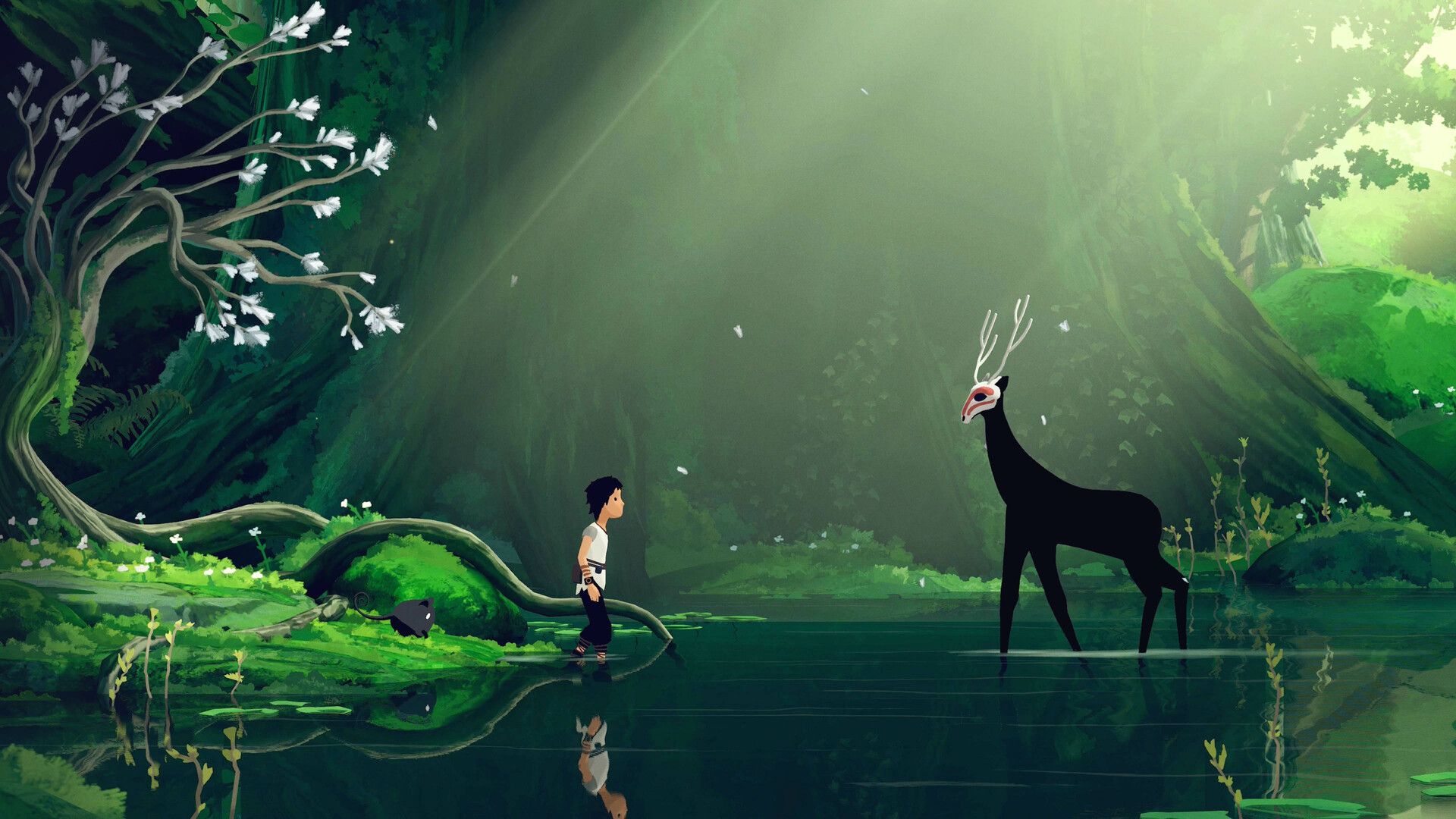
The game’s beautiful atmosphere, careful attention to detail, and stunning presentation truly immerse you in its world. Even if you’ve played many visually impressive story-driven platformers recently, Planet of Lana 2 still feels unique. The vibrant colors shine whether you’re exploring the coastline or the darker, more mysterious underwater environments and caves. The music, composed by Takeshi Furukawa, is as captivating and emotionally resonant as ever, complemented by excellent sound design and voice acting. Though the characters speak a fictional language, their voices effectively communicate their feelings and intentions. Seeing Lana, initially full of energy, become saddened by her friend’s illness demonstrates how impactful even small details can be.
Honestly, booting up Planet of Lana 2 felt really familiar – like, really familiar. Some people will probably love that because the first game was already a fantastic, movie-like platformer, and it’s cool to see the sequel bigger and with more things to do. But I also felt like it didn’t really change things up. It’s still pretty much the same game, and while the story is told in a unique way and looks amazing, it’s missing that one big thing – that special hook – to make it truly stand out.
I generally enjoyed Children of the Leaf, and I really appreciate all its strengths. While it didn’t grab me as quickly as the first game, it’s a solid puzzle-platformer that kept me engaged and eager to see what came next – and hoping my characters stayed safe!
This game was reviewed on the PC.
Read More
- Gold Rate Forecast
- Looks Like SEGA Is Reheating PS5, PS4 Fan Favourite Sonic Frontiers in Definitive Edition
- Pluribus Star Rhea Seehorn Weighs In On That First Kiss
- Arknights: Endfield – Everything You Need to Know Before You Jump In
- Dune 3 Gets the Huge Update Fans Have Been Waiting For
- 5 Weakest Akatsuki Members in Naruto, Ranked
- Kelly Osbourne Slams “Disgusting” Comments on Her Appearance
- 10 Steamiest Erotic Thriller Movies of the 21st Century
- Action Comics #1096 is Fun Jumping-On Point for Superman Fans (Review)
- 22 actors who were almost James Bond – and why they missed out on playing 007
2026-03-06 21:42