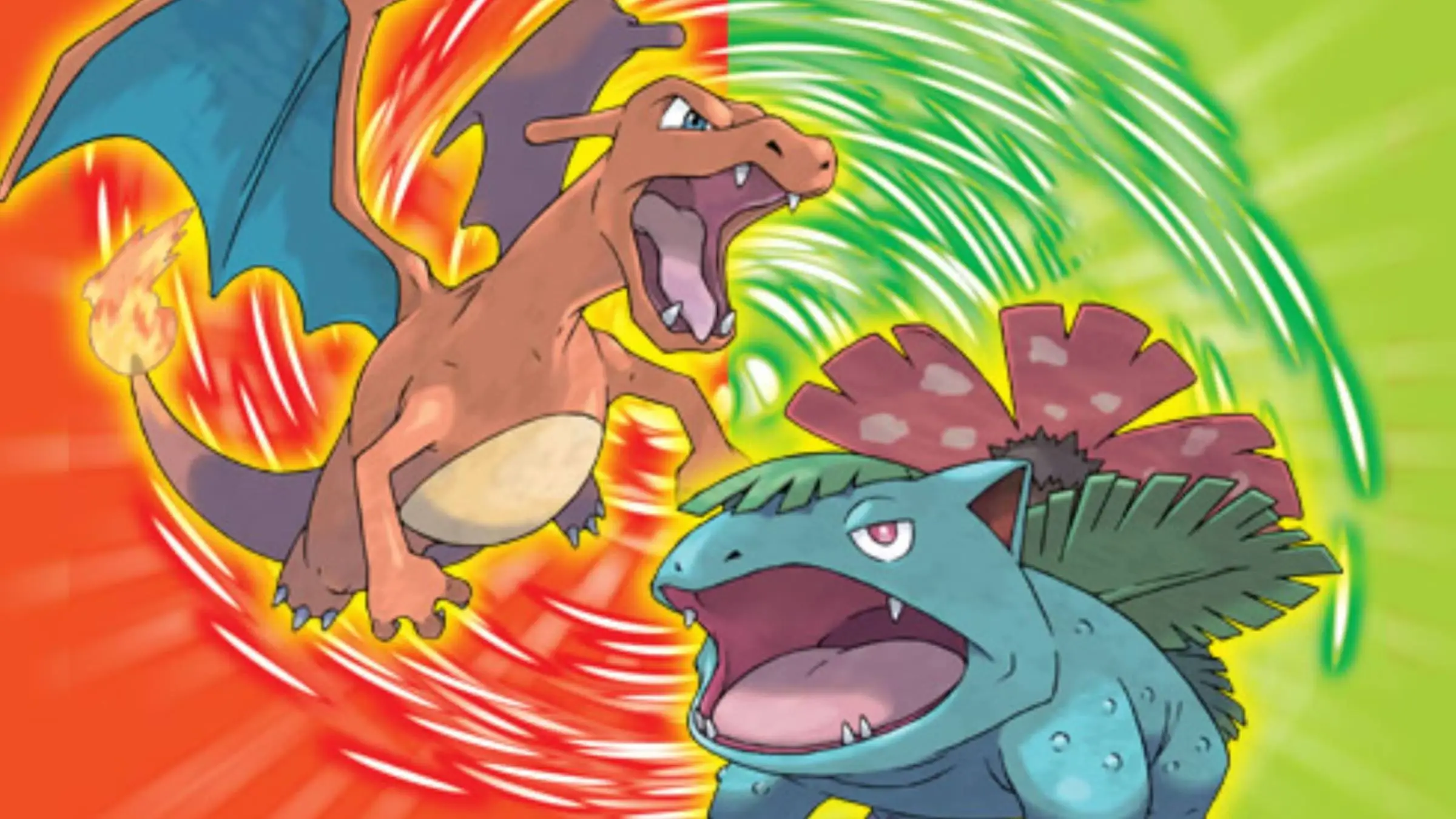
I was initially doubtful when The Pokemon Company and Game Freak announced the return of Pokemon FireRed and Pokemon LeafGreen on the Nintendo Switch. Despite being a longtime Pokemon fan who’d hoped for older games on the Switch, $20 felt like a lot to pay for a basic re-release. However, I decided to try them anyway, and quickly remembered what made me love Pokemon in the first place.
It wasn’t just fond memories that made me appreciate Pokemon FireRed and LeafGreen again, but also how the games actually play. They don’t hold your hand, and you really feel like you’ve earned your progress, unlike newer games like Pokemon Scarlet and Violet, which often make things too easy and limit exploration. I didn’t think these older titles would remind me why I loved the series, but they did – almost entirely on their own. And they also highlighted exactly what’s been missing in recent Pokemon games.
Why Pokemon FireRed and LeafGreen Are Still Beloved
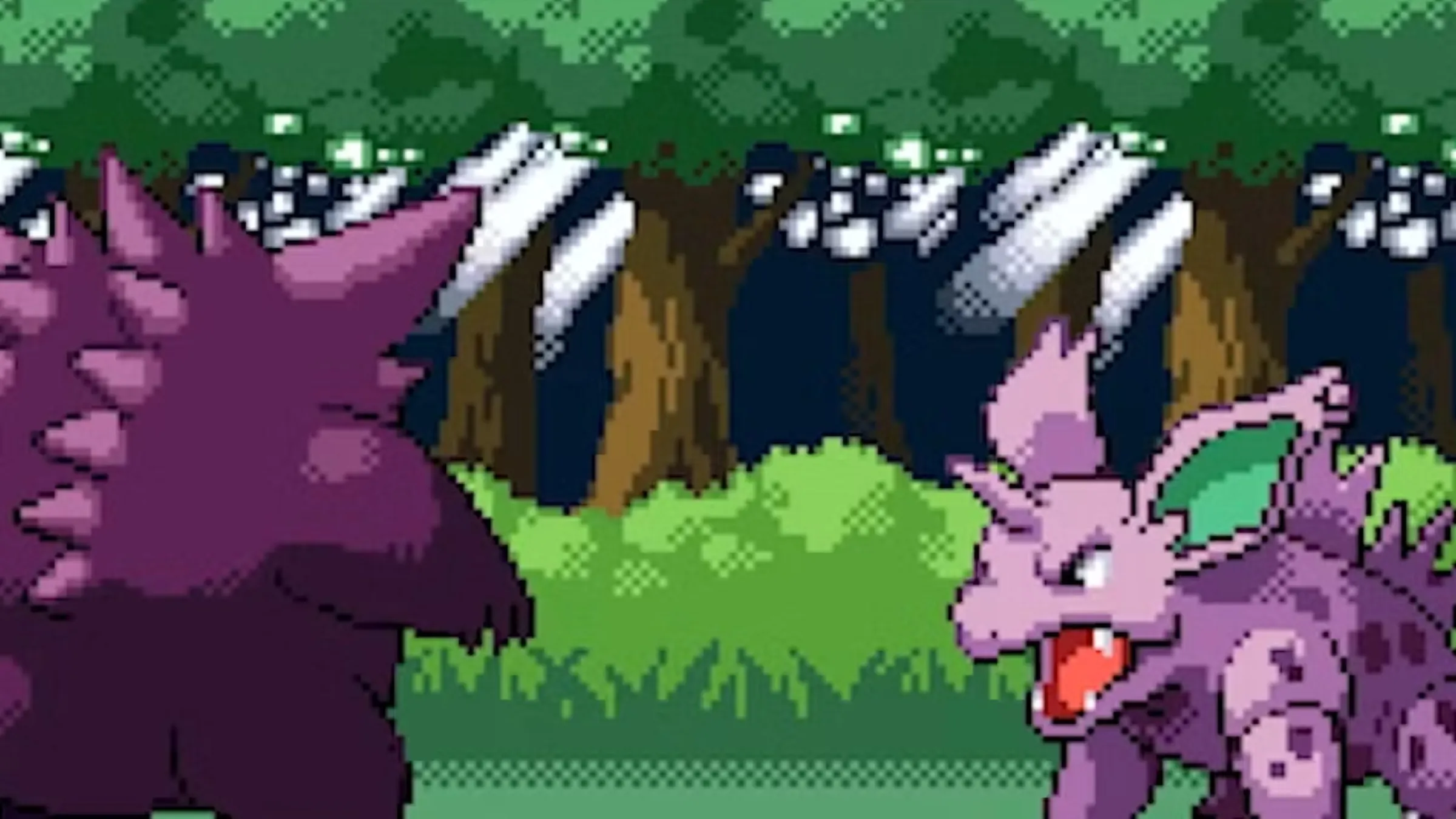
One reason Pokemon FireRed and LeafGreen remain popular is their straightforward and well-designed gameplay. As updated versions of the original Pokemon Red and Blue, they improve on the classic formula while staying true to what made it special. The gameplay is focused and easy to understand: you explore the world, battle other trainers, catch Pokemon, and make your team stronger. These Game Boy Advance games avoid adding complicated features, delivering the pure, essential Pokemon experience.
One of the game’s best features is its ability to let you explore at your own pace. It gives you a general goal, but rarely forces you onto a specific path. You’re free to train your Pokémon, discover hidden areas, or try out different strategies whenever you like, without constant interruptions. This freedom makes your journey feel personal and unique – like it’s truly your own adventure, not just something that’s happening to you.
Difficulty is important in these games – they’re challenging without being overly frustrating. Success requires some thought and preparation. Battles can be tough if you don’t plan ahead, and facing opponents demands you understand how different Pokémon types interact, which varies based on your initial choice. This creates a good level of engagement because the games trust you to learn and figure things out, instead of holding your hand every step of the way.
The Problem With Modern Pokemon Games

Recent Pokémon games, like Scarlet and Violet, have tried new things, such as large, open worlds and more complex stories. While these changes are a step forward, they sometimes come at a cost. A major problem is that the games have become significantly easier. Features like automatically shared experience points and simpler gameplay mechanics mean players don’t need to think strategically as much. What’s frustrating is that these easier elements are always present, even when you’re nearing the end of the game.
Many games, even those promising freedom, still feel restrictive. Players might have choices about how they progress, but not if or when. Important story moments are often locked until you complete certain tasks, and the feeling of genuinely discovering things is reduced because the game constantly points you towards what to do next. For example, even the large open worlds in Pokemon Scarlet and Violet were designed with a specific path in mind, limiting true exploration.
The game’s flow is constantly interrupted by unavoidable sections, breaking your sense of being truly present. Too many cutscenes, tutorials, and pre-planned events drag down the pace. While these moments used to be short and infrequent, they now happen so often that they pull you out of the game. This makes it harder to connect with the world and feel like you’re actually in the adventure. Instead of feeling like the hero, you feel like you’re just being guided through the story.
Why Pokemon Needs a Modern 2D Revival
Playing Pokemon FireRed and LeafGreen again highlighted something important: the series could really benefit from going back to its 2D style, even if just for one game. A new 2D Pokemon title could blend the best parts of the older games with modern graphics and features. This approach would allow for more focused game design and make the experience of playing through the game feel more connected and satisfying.
The charm of older Pokémon games, like FireRed and LeafGreen, always drew me in, and I enjoyed replaying them. However, after playing Scarlet and Violet, I felt tired of the series. I disliked the uninspired open world and constant, often unnecessary, tutorials. It was refreshing to play a Pokémon game where I could simply progress without endless cutscenes, even if it meant going back to an older title. Now, I’m genuinely excited about Pokémon Winds and Waves.
Pokémon FireRed and LeafGreen aren’t just excellent updated versions of the original games; they showcase the core strengths of the Pokémon series and are vital to the overall experience. If future Pokémon games can learn from that successful design, the series will improve significantly. I’m hoping Game Freak will draw inspiration from these older titles when creating Pokémon Winds and Waves, but I also want to see Nintendo continue adding classic games to the Switch.
What do you think? Leave a comment below and join the conversation now in the ComicBook Forum!
Read More
- What Song Is In The New Supergirl Trailer (& What It Means For The DC Movie)
- Grab These Resident Evil PSN Avatars for Free This Month
- Gold’s March Madness: Plumbing, Panic, and Polish Central Banks
- Whales, Channels, and the Inevitable Dance of Folly
- The War Film Harrison Ford Completely Disowned Finally Returns to Streaming – “A Terrible Experience”
- Steam Giving Away Two PC Games for Free for Next 72 Hours
- Darwin’s Paradox! drops Switch version for Switch 2, delayed to 2026
- Robinhood’s Tokenized Stock Fiasco: A Tale of Tokens and Tussles
- Demon Slayer Star Reacts to Infinity Castle Movie Return for Surprising Role
- Starfield PS5 Won’t Play Off Physical Disc without a Download
2026-04-05 01:40