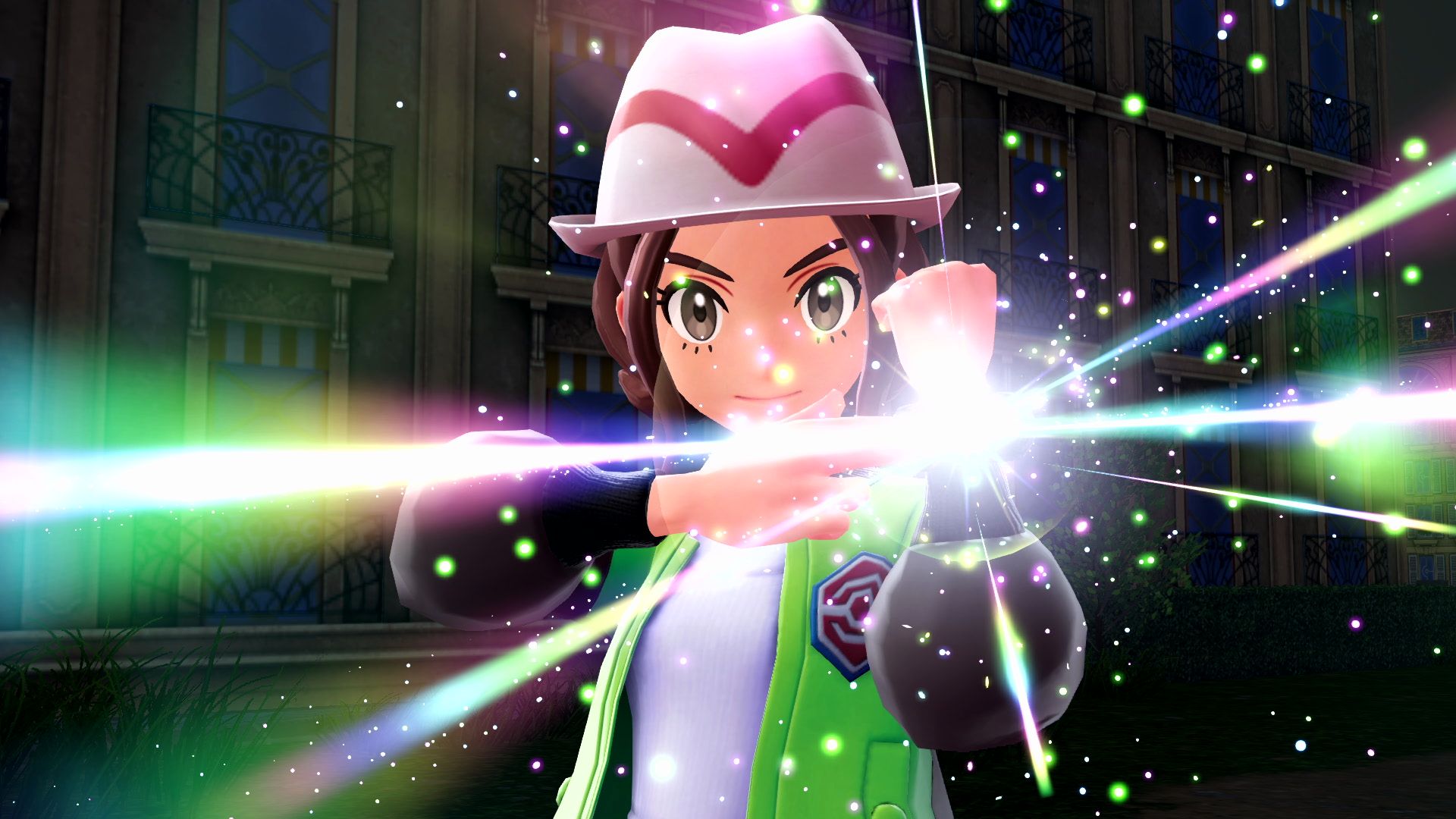
The Pokemon series has faced some challenges on the Nintendo Switch, with several games falling short in terms of content, features, and overall quality. However, Pokemon Legends: Arceus, released in 2022, was a standout success. This open-world action RPG completely reimagined the classic Pokemon formula, and the results were fantastic. It quickly became a favorite among fans and proved that the series was still capable of delivering exceptional games.
Game Freak deserves praise for not simply repeating the formula that made *Legends Arceus* successful. They could have easily created a similar game set in a new location with new areas, creatures, and improved features, but they chose not to take the easy path.
Choosing to have the entire game take place within Lumiose City is a key difference between this game and the previous one.
Honestly, people really loved the idea behind *Legends Arceus*, so I was hoping *Legends ZA* would build on that! But it feels like Game Freak sees this *Legends* series as a place to just try out totally new things. Almost nothing from the first game actually made it into this one, which is… interesting. This game really does its own thing, and if you’re trying to compare it to *Arceus*, the best way to do that is by pointing out all the ways it’s different!
The game’s approach starts with the big picture and then focuses on the finer points. For example, *Legends Arceus* was a prequel to the entire *Pokémon* series, specifically taking place hundreds of years before *Diamond and Pearl* in a wild, undeveloped Sinnoh region where Pokémon weren’t understood or trained. In contrast, *Pokémon Legends ZA* is set after the events of *Pokémon X and Y* (released in 2013) and instead of a vast wilderness, it’s entirely contained within a single city.
Choosing to place the entire game within Lumiose City is a major departure for this *Pokemon* title, and for the series as a whole. Traditionally, *Pokemon* games have centered around traveling across a wide region, emphasizing exploration, adventure, and discovery. Confining the experience to a single, busy city feels like a significant change from that core concept.
Interestingly, *Legends ZA* handles this potential problem quite well. Lumiose City is expansive, and the game evokes the feeling of childhood exploration – wandering through back alleys, under bridges, and climbing onto rooftops. There’s a lot to find in Lumiose, with buildings and rooftops connecting in surprising ways that often lead to unexpected discoveries.

“It’s all very delightful – there is a childlike sense of wonder and amusement to it all.”
Exploring Lumiose City is enjoyable, though it’s a different kind of fun than the rest of the game. Since the entire area is one city, you won’t find diverse environments like volcanoes or tundras. However, Lumiose is full of interesting little areas and hidden paths that lead to unexpected discoveries. It really captures the feeling of exploring your own town as a child – everything seems exciting when you’re discovering it for the first time, and that’s exactly what Lumiose achieves.
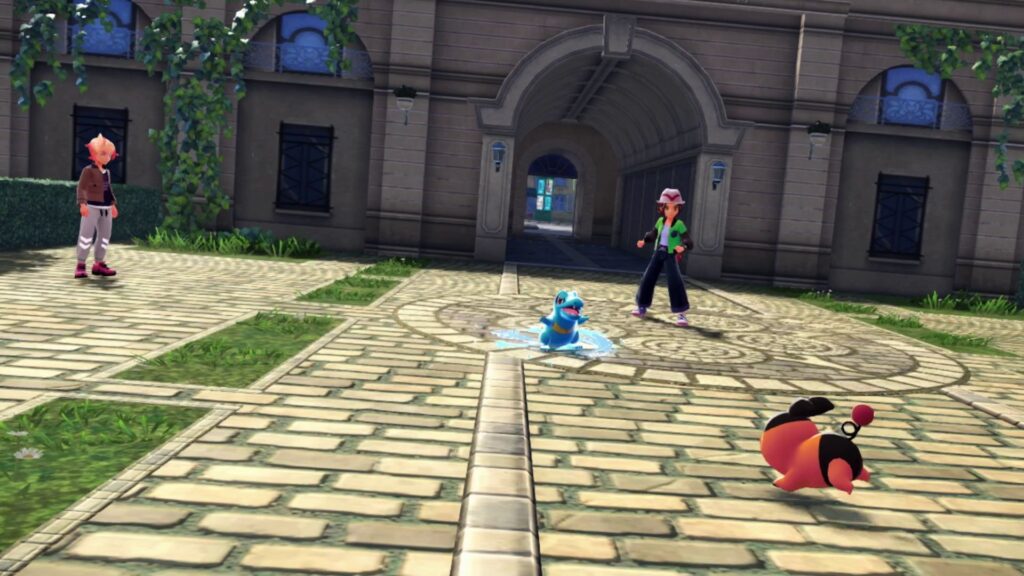
The game cleverly incorporates Pokémon into everyday city life. You’ll find Pokémon in unexpected places – Trubbish near trash cans, Vanillite around ice cream stands, and birds like Pidgey and Fletchling perched on wires and rooftops. Even bug Pokémon, such as Spinarak, blend into the urban environment by hiding in trees.
The game is genuinely charming, filled with a playful and imaginative spirit. *Legends ZA* doesn’t just deliver on this feeling through gameplay; it’s evident in every detail of the world. You’ll see Pokémon actively participating in daily life – Machoke assisting with building, and Scyther even helping out at hair salons! This is exactly what *Pokémon* fans have been hoping for – a game that truly brings the world to life and shows how Pokémon and people coexist. And *Legends ZA* delivers on that promise better than any previous installment in the series.
As a Pokémon fan, I was a little worried when I heard the new game would be mostly set in one city. That just doesn’t seem right for a Pokémon game – we need variety! But the story actually explains it pretty well. Apparently, something weird is happening and tons of wild Pokémon are suddenly moving into Lumiose City. So, the city’s trying to manage the chaos by creating special “Wild Zones” to keep the Pokémon contained. It’s a clever way to explain why we’re seeing so much wildlife in an urban setting, and it sounds really interesting!
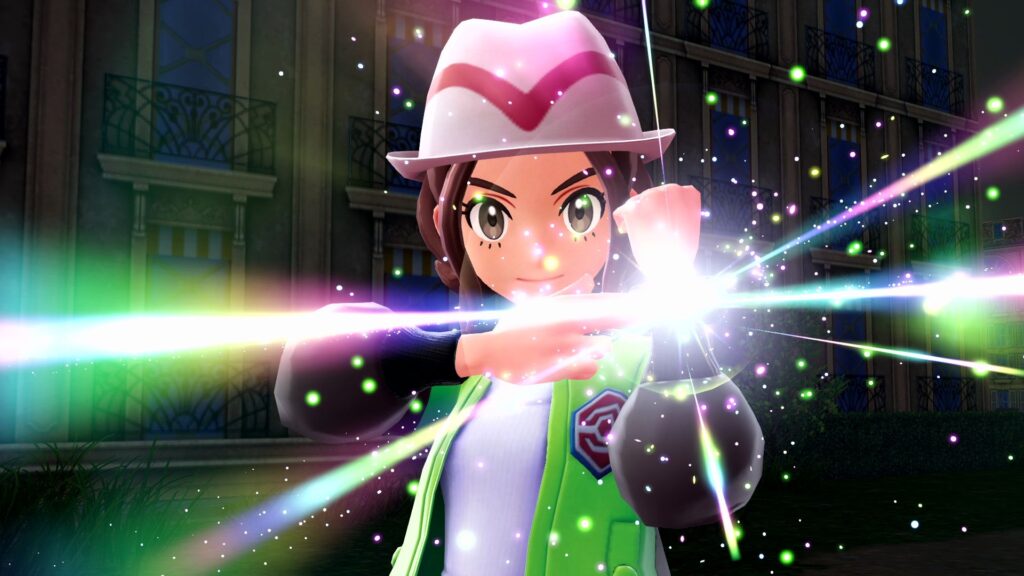
ZA introduces a major change to the series: it’s the first game to move away from traditional turn-based battles. Instead, it features a fast-paced, real-time combat system modeled after the *Pokémon* anime.
The game features “Wild Zones” that feel similar to the open areas in *Legends Arceus*, where you could explore and catch Pokémon. While smaller and less diverse than those areas, the Wild Zones let you sneak up on Pokémon as they roam, then catch or battle them. Different zones are home to different Pokémon species. The basic gameplay – spotting Pokémon, aiming and throwing Poké Balls, staying hidden, and battling when needed – is just as enjoyable as it was in *Legends Arceus*.
Okay, so ZA really elevates the core Pokémon loop – the hunt, the catch, the collect. They’ve made tons of little tweaks to the interface, which are nice, but the big thing is you can actually *try* to catch a Pokémon even after it’s been knocked out! No other main series game lets you do that, and honestly, it’s brilliant. This game really nails that feeling of excitement when you’re trying to fill out your Pokédex, stumble upon a rare Pokémon, or learn a new move. ZA keeps that part of the experience as addictive as ever.
Pokémon battles in ZA are a significant departure from previous games. For the first time, the series moves away from traditional turn-based combat, embracing a real-time action system inspired by the Pokémon anime. Instead of taking turns, players can use attacks whenever they’re ready, though each attack has a cooldown period. This means battles focus on managing cooldowns and positioning, creating a completely new Pokémon battle experience.
This new version is much faster-paced and more unpredictable than previous games, creating a really dynamic gameplay experience. Exploring feels more exciting – and chaotic! – because wild Pokémon can jump into battles at any moment, attacking you immediately. This adds a real edge to the game and brings back a level of challenge that’s been missing from recent titles.
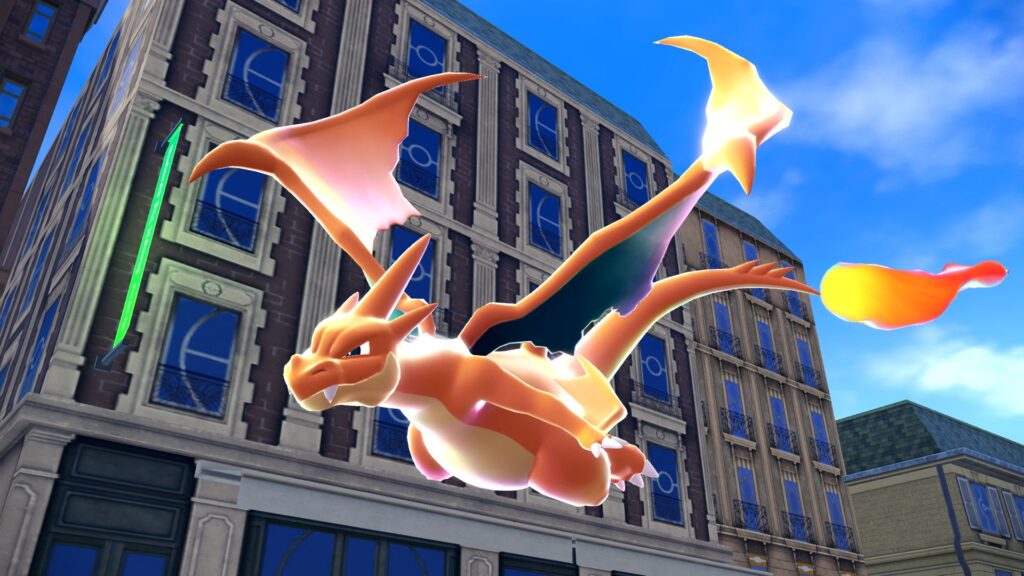
ZA gets its name from the ZA Royale, a tournament held in Lumiose City after the main events. Trainers begin at Rank Z and battle to climb the ranks to Rank A.
The new battle system is a major focus of this game, and for good reason – it’s fundamental to the entire experience. Beyond that, the game offers robust multiplayer features, including ranked and competitive battles. This is a significant step for Game Freak, as they haven’t previously included such extensive multiplayer support in *Pokémon* games with unique battle mechanics.
I’ve found that this game’s combat system simplifies things compared to previous installments, and the changes don’t really add enough in return. While the fights are fast-paced and visually exciting – similar to the anime – they just don’t feel as strategically interesting or immersive as the traditional turn-based battles.
The multiplayer battles felt completely random, and victories didn’t feel deserved—more like lucky accidents. I’ve played turn-based battle systems for a long time, so any changes take getting used to, but currently, I don’t see this battle system being as engaging or lasting as the combat in the main series games. Honestly, I enjoyed the battle system in *Legends Arceus* more, and I already thought that game’s combat was weaker than the core series titles.
Battles are a core part of the game. The game’s name comes from the ZA Royale, a tournament held in Lumiose City after the main events. Trainers begin at Rank Z and battle to climb the ranks to Rank A. These battles happen in temporary arenas, filled with competitive trainers all trying to improve their standing.
The battles happen in real time, letting us change how trainers are encountered. You can use stealth and awareness alongside the classic elemental type strengths and weaknesses, creating fresh ways to start a fight. The battles themselves are fast-paced, exciting, and a bit messy – though I personally still prefer the more strategic, turn-based battles.
I’ve found that boss battles can be really captivating when they demand you master your character’s abilities, timing, and movement. However, these challenging encounters are uncommon and generally reserved for specifically designed boss fights that require using everything the game has to offer. Unfortunately, most regular battles feel less engaging than before.
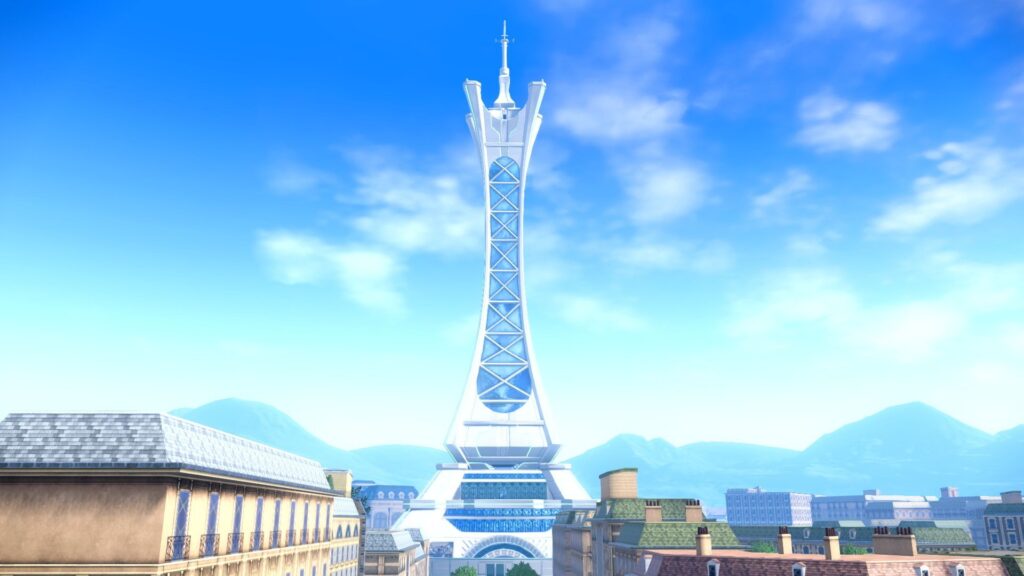
Visually, I think this game is a step back. The poorly designed cities really pulled me out of the experience, more so than in *Pokémon: Arceus*.
One major issue with *Pokemon Legends ZA*, like many recent games in the series, is its disappointing visual quality, and the criticism it’s receiving is justified. The game simply doesn’t look good. Both the art style and the technical execution feel unfinished and messy. For example, buildings in Lumiose City are essentially flat walls with pictures of windows and balconies added on. The environments use very simple shapes and often mix detailed areas with basic ones, creating a strange and distracting effect that pulls you out of the game.
It’s strange that Game Freak chose to build an entire game around a single city, considering their struggles with creating realistic 3D urban environments. It’s particularly disappointing because the city itself is actually well-designed and interesting, but the outdated graphics consistently detract from the experience.
I also found the graphics lacking in *Legends Arceus* and *Scarlet and Violet*, and here’s how *Legends ZA* stacks up visually. I previously criticized *Arceus* for its poor performance, low-quality textures, and generally unappealing art style. *Legends ZA* performs much better – it runs smoothly on both the Switch and the new Switch 2, and actually hits a consistent 60 frames per second at 4K resolution on the Switch 2. While the graphics themselves aren’t always beautiful, it’s a welcome change to play a *Pokemon* game that runs well and looks crisp.
From a visual standpoint, I think this game looks worse than *Arceus*. The towns and cities pulled me *out* of the experience, which didn’t happen in *Arceus*. That game took place in large, natural areas – those are easier to make look good, even with simpler graphics. We all have a strong idea of what cities should look like, so when they don’t match up, it’s much more noticeable and distracting than if the natural environments were less detailed.
It’s weird, but the game *does* have some graphical improvements, just… not where it really counts. Like, the inside areas actually look amazing – seriously, the best interiors I’ve ever seen in a Pokémon game. But honestly, you spend almost the whole time running around *outside*, so it doesn’t make a huge difference. The character models are also really well done; they put a lot of detail into both the people and the Pokémon, and surprisingly, it doesn’t seem to slow the game down, which has been a problem in past games.
Compared to *Arceus*, the graphics are a bit of a mixed bag. However, they’re a clear improvement over *Scarlet and Violet*. That game felt genuinely unfinished – not just because of poor image quality or performance issues, but also because the assets and technology seemed like early, unpolished versions. That’s not a problem here. This game looks and runs well, and while the graphics aren’t beautiful, they’re at least consistent in style. This unified look actually works in several areas, and sometimes the game looks surprisingly good.
“Legends ZA is not as good as Arceus was. It is, however, still a very good outing for the series.”
However, there’s one consistent weakness in this series that really holds it back: the complete lack of voice acting. Adding voices would be a huge improvement, especially considering the game’s appeal to younger players, some of whom may struggle with reading. It would also create a more consistent experience with the existing anime, movies, and other related content.
I’ve noticed something really strange in the recent games. They’re putting in these awesome, movie-like cutscenes to tell the story, which I love, but then they don’t *voice act* them! The characters have all these lip movements, like they’re supposed to be talking, but it’s just… silent. It’s so obvious they planned for voice acting, and it just feels incomplete. Honestly, even just having some grunts or yells, like in other Nintendo games, would be a huge improvement. But right now, there’s absolutely nothing, and it’s just… off-putting. It doesn’t help the story, and actually makes those cutscenes feel worse instead of better.
It’s disappointing, because the story and writing itself are actually quite good! *Legends ZA*, similar to *Arceus*, breaks away from the typical structure of other games in the series, allowing it to delve into intriguing themes and character development that the main games usually avoid. The writing is genuinely smart, with some surprisingly funny and clever dialogue – it’s just a shame the experience feels a bit empty without voice acting.
The soundtrack is consistently excellent. The music is strong, the arrangements are memorable and energetic, and it transitions smoothly from one piece to the next. Any issues stem mostly from the game’s repetitive structure, rather than from flaws in the music itself.
Game Freak should be commended for taking a risk. They could have easily stuck with what had always pleased fans, which would have been the safer option. Instead, they decided to try something completely different and challenging. While not every new idea in this game lands perfectly, it’s incredibly valuable that they continue to innovate and experiment.
The game still offers a really engaging and enjoyable core experience, and Lumiose City is a surprisingly detailed and fun place to explore. While it has both strengths and weaknesses, it unfortunately doesn’t quite reach the same high level as the previous game, which was exceptional in almost every way.
The game takes some risks, but they really work. The unified setting is the most fully developed Game Freak has ever created, the story is well-written, exploring the world is captivating, and the core gameplay is as enjoyable as always. While the battle system wasn’t a perfect fit for me, many players who’ve been hoping for a real-time Pokémon game will likely find it exciting.
This game was reviewed on the Nintendo Switch 2.
Read More
- The Super Mario Galaxy Movie: 50 Easter Eggs, References & Major Cameos Explained
- All 13 Smash Bros. Characters in the Super Mario Galaxy Movie
- Highly Anticipated Strategy RPG Finally Sets Release Date (And It’s Soon)
- Dune 3 Gets the Huge Update Fans Have Been Waiting For
- Sydney Sweeney’s The Housemaid 2 Sets Streaming Release Date
- TV legend Carol Kirkwood reveals the reasons why she decided to retire after 28 years with BBC
- Welcome to Demon School! Iruma-kun season 4 release schedule: When are new episodes on Crunchyroll?
- Why is Tech Jacket gender-swapped in Invincible season 4 and who voices her?
- Marathon is Taking Aim at Bubble Shields, Knives, Snipers and More in Upcoming Balance Patches
- Darwin’s Paradox! drops Switch version for Switch 2, delayed to 2026
2025-10-20 17:47