
Players used to expect new games to be playable, even if not perfect. Now, it’s common to accept that big releases will have performance problems like lag, stuttering, and crashes. It’s strange that a tech-forward industry seems okay with releasing unfinished games.
It’s frustrating that many new games launch with performance issues. Players often spend a lot of money and time excited to play on day one, only to encounter frustrating problems like choppy gameplay and crashes. This isn’t a rare occurrence; it’s become a common problem across all types of games and platforms. Even highly anticipated, top-quality games sometimes launch with bugs, forcing players to wait for fixes and dampening initial excitement. Releasing games that don’t run well damages both players’ confidence and the developers’ reputation.
Why Performance Problems Plague Modern Game Launches
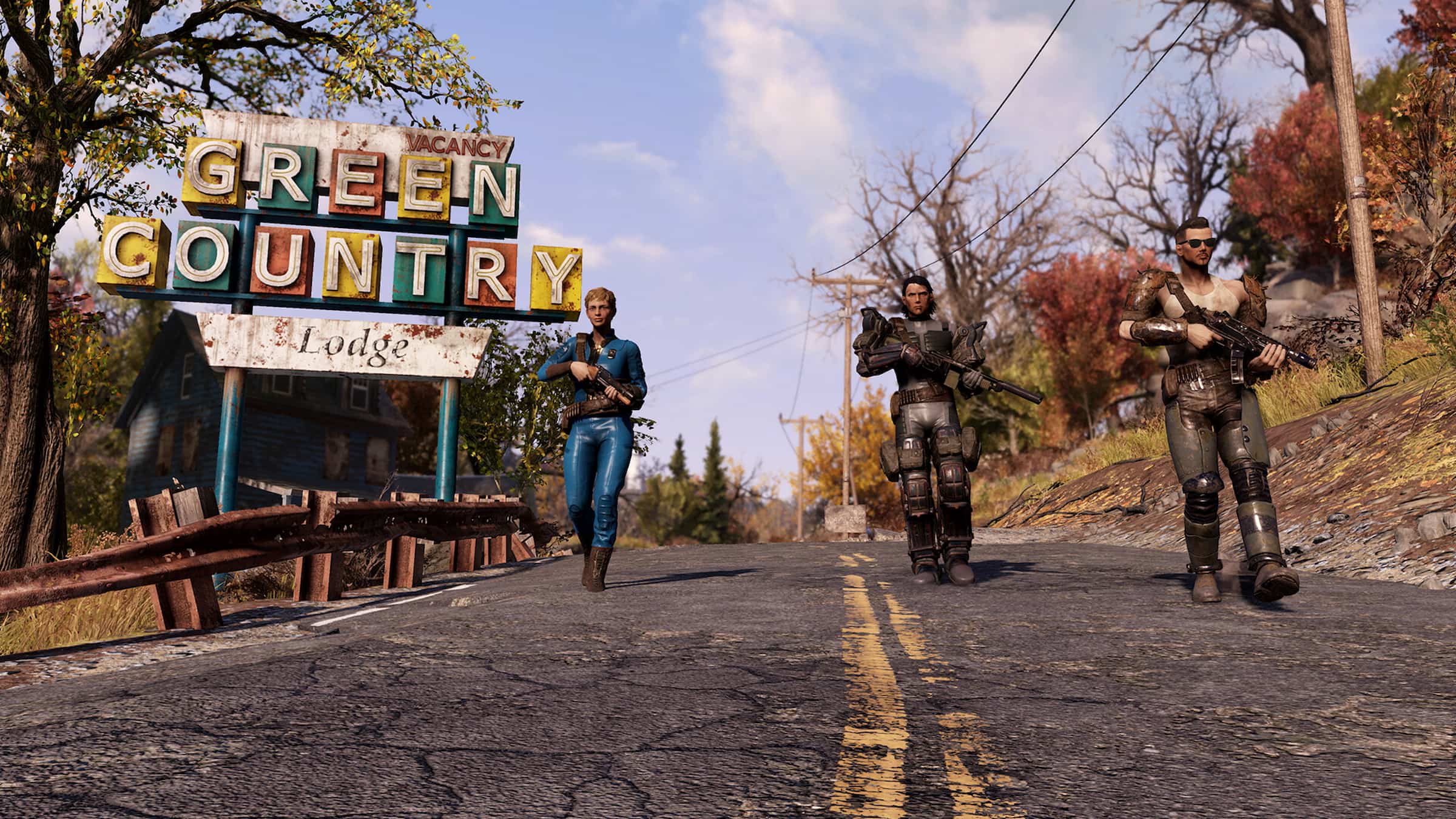
It’s become common to see games released with performance issues, and there are several key reasons why. Often, developers are under intense pressure to launch games by specific dates, driven by marketing plans, investor demands, and pre-orders. This means getting the game out on time becomes more important than ensuring it runs smoothly. Consequently, games are frequently released with known problems, and players are left to fix them through updates after launch – effectively turning them into unpaid beta testers, which isn’t how things should work.
Modern games are incredibly complex, which creates a lot of problems. Features like vast open worlds, huge online communities, realistic graphics, and smart AI all demand a lot from computers and the people making the games. It’s really hard to make everything run smoothly with so many different elements working together, and often, optimization – making the game run as efficiently as possible – gets rushed or skipped entirely. This means even minor glitches or slowdowns can be very noticeable and ruin the experience for players, especially because games are meant to be immersive.
Poor game performance is made worse by the huge variety of computer hardware players use. Consoles offer a standard setup, but even they often need immediate updates to fix issues discovered when players actually start using them. On PCs, the problem is much bigger. With so many different combinations of graphics cards, processors, memory, and drivers, it’s incredibly difficult to ensure the game runs smoothly without a lot of careful optimization.
Too often, game developers prioritize impressive graphics and advanced features, hoping players will overlook any technical problems. This has damaged player trust and created a cycle where new games are often unreliable and unpredictable.
The Industry Must Fix Optimization Before It’s Too Late

To truly solve performance issues in games, we need to make optimization a primary focus, not an afterthought. It shouldn’t be something developers try to fit in at the last minute. Instead, it needs to be built into the development process from the start, with teams specifically dedicated to it and enough time for comprehensive testing on all devices. Releasing a game that struggles to run even on recommended systems damages the reputation of both developers and the gaming industry. Players deserve a better experience, and consistently tolerating poor performance sets a low standard for quality.
Next, be open and honest with your players. When they understand the difficulties you’re facing and see that you’re clearly communicating about fixes, they’re much more likely to be understanding. Sharing glimpses of smooth gameplay, performance data, and clear plans for updates can really help regain their trust.

It’s common for companies to generate pre-orders with a lot of excitement and advertising, but often real performance issues don’t surface until after the game is released – or right before. This wait-and-see approach doesn’t help players when they need it most and reinforces the idea that bad performance is just something we have to accept.
Ultimately, improving technology is key to fixing these issues. While it might cost more initially to invest in tools that boost performance, it’s much cheaper than losing players or dealing with negative reactions to a buggy game. The gaming industry needs to stop accepting poor performance as inevitable. Players should be having fun, not acting as testers, and unless developers actively address these problems, we’ll keep seeing the same frustrations in new games. The time to prioritize performance is now – it needs to be a real focus, not just something to check off on a list.
What do you think? Leave a comment below and join the conversation now in the ComicBook Forum!
Read More
- What Song Is In The New Supergirl Trailer (& What It Means For The DC Movie)
- Highly Anticipated Strategy RPG Finally Sets Release Date (And It’s Soon)
- Dune 3 Gets the Huge Update Fans Have Been Waiting For
- Why is Tech Jacket gender-swapped in Invincible season 4 and who voices her?
- TV legend Carol Kirkwood reveals the reasons why she decided to retire after 28 years with BBC
- The Most Iconic Kids Show of All Time Just Brought Brand New Episodes to Netflix
- The Quantum Observer: How Reality Takes Shape
- Unforgotten legend Nicola Walker stars in first look at all-new “outrageously witty” comedy drama series
- Who Wants to Be a Millionaire? confirms contestant wins full £1 million prize pot on Jeremy Clarkson quiz
- Jaleco Sports: Bases Loaded II announced for PS5, Switch; now available
2026-02-03 00:45