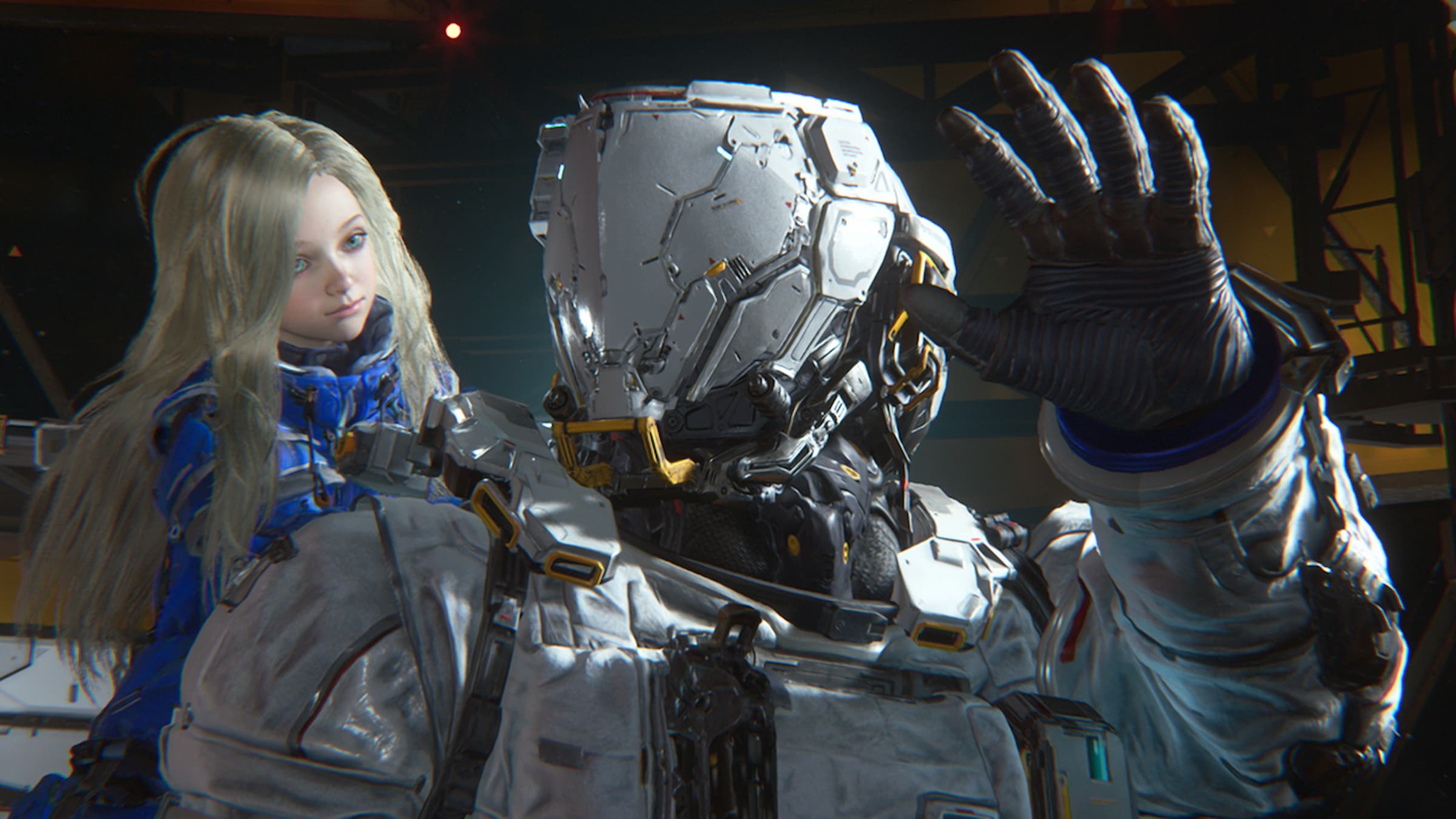
Capcom’s Pragmata has faced several delays since it was first announced in 2020. However, it’s now scheduled to release on April 17th, and the launch is just a month away! As a brand new game from such a well-respected developer, I’m really looking forward to playing as Hugh and protecting Diana in this new adventure. And my excitement isn’t just because it’s a new Capcom game.
A few years ago, games like The Last of Us, God of War, and Telltale’s The Walking Dead became popular for a similar reason – they all featured an older, paternal character guiding a younger child. The relationship between the characters in the upcoming game Pragmata reminds many of this trend. Hopefully, Pragmata will not only evoke the same emotions as those beloved games but also bring back one of the most enjoyable styles in gaming history.
Pragamata Looks to Be a True Dad Simulator
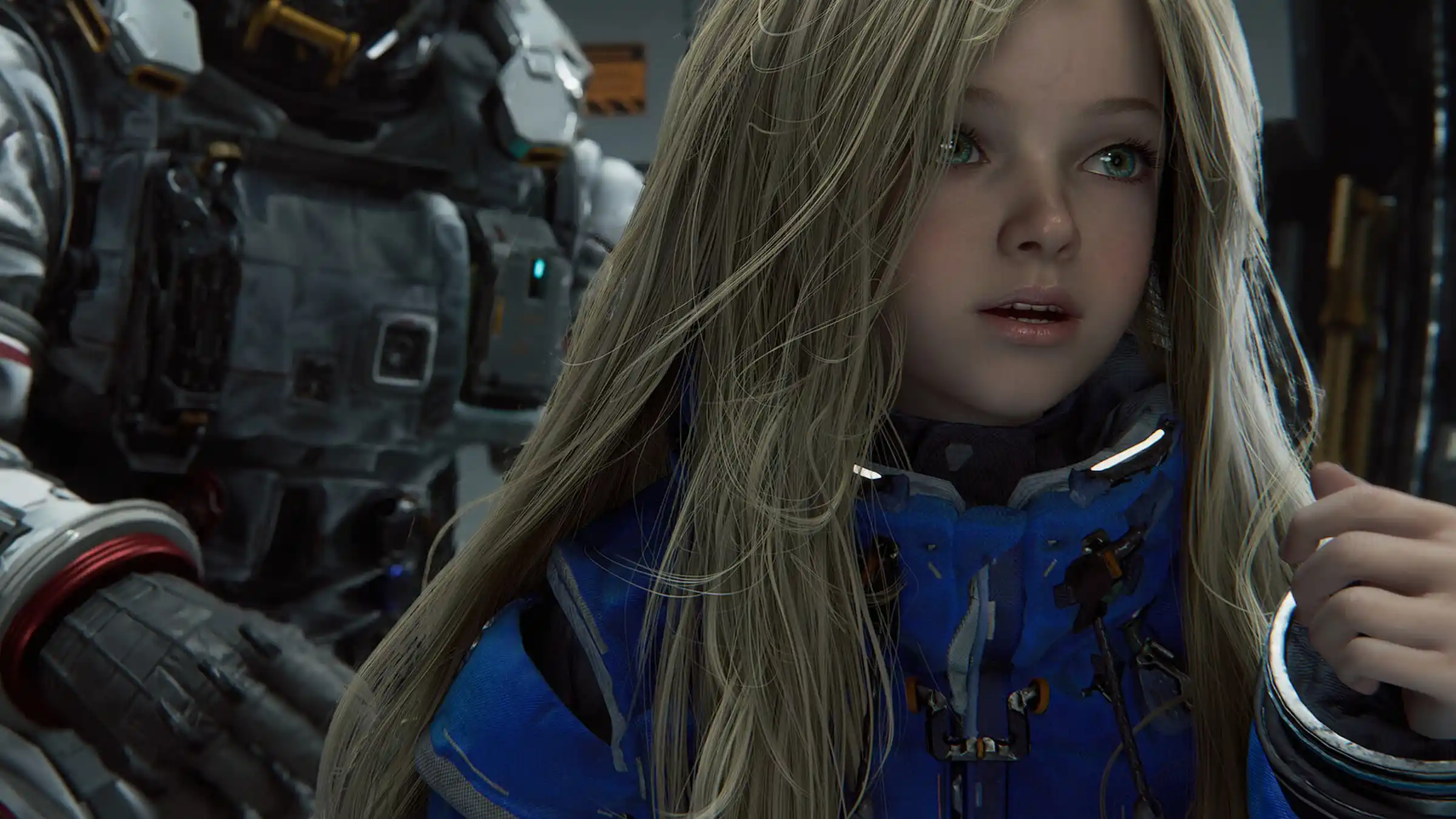
The upcoming game Pragmata is still keeping many details secret, but the central story focuses on Hugh’s mission to protect and lead Diana through a dangerous world. Initially, their interactions feel a bit awkward, but a genuine connection develops between them, and we can expect that relationship to deepen as the story unfolds. The game isn’t simply about staying alive; it’s about building trust, taking responsibility for each other, and forming a strong connection. Both Hugh and Diana will be essential to their survival, and I’m excited to play as both characters and see how their bond evolves.
Becoming responsible for a character in a game really draws me in, and even more so since becoming a father. It completely changes my approach to playing – I’m much more cautious, aware of my surroundings, and really feel the impact of my choices. It’s a level of immersion that’s difficult to achieve with typical game mechanics. I first experienced this strongly in the reboot of God of War, and I anticipate feeling it even more intensely during the stressful survival sections of Pragmata.
Honestly, what really got me with this game isn’t just how I feel about the characters, but how their connection drives everything. The more you play, the more you realize their relationship is the game. We’ve seen this work amazingly well in other titles – some of the best games ever, actually – and it’s so cool to see it done again here. What’s even better is how Capcom cleverly connected the gameplay itself to their story, really making you feel how important Hugh and Diana are to each other.
This Style Once Defined Gaming Narratives
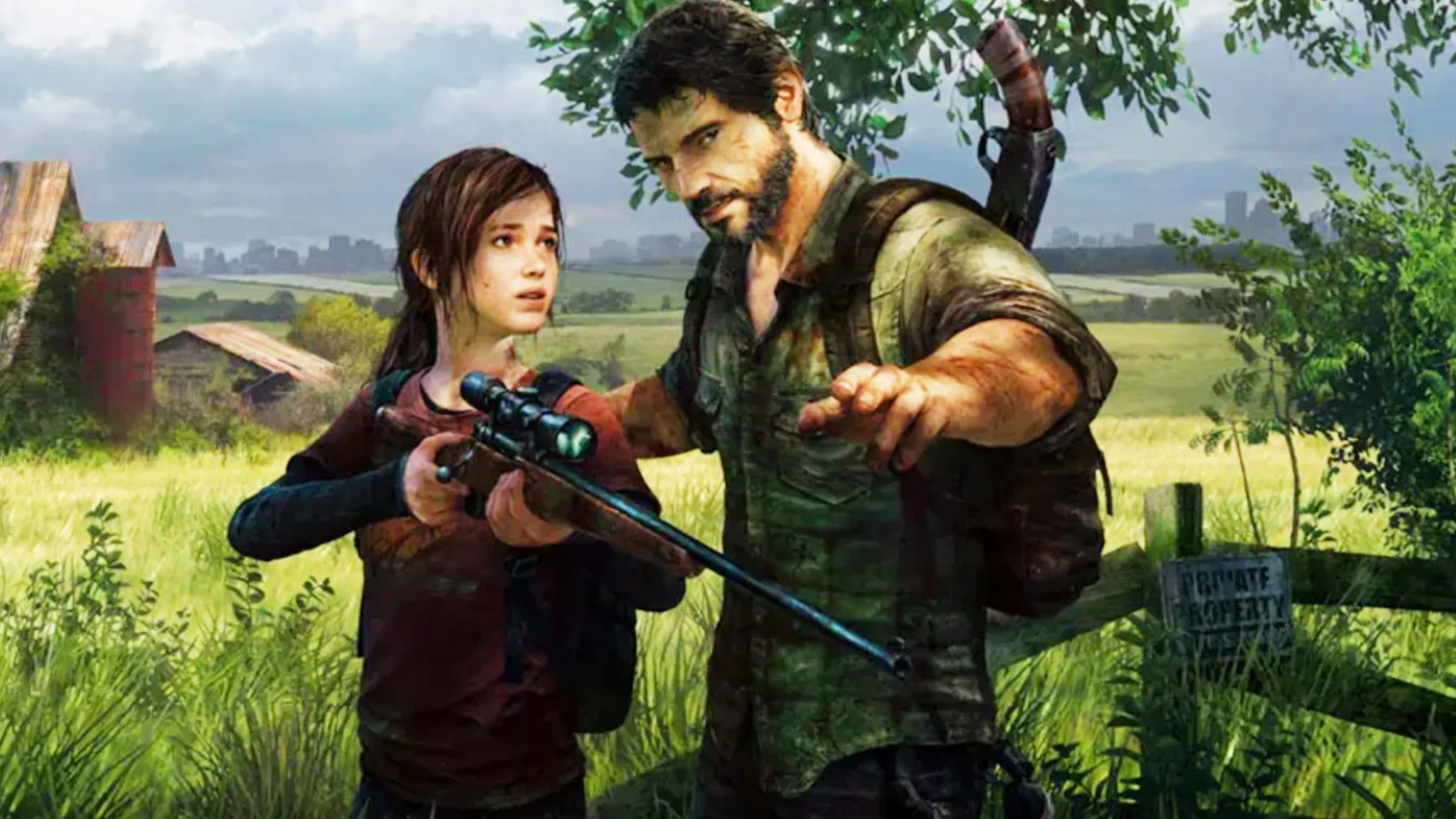
Character-focused stories used to be common in games, and The Last of Us remains the most well-known example. It raised the bar for storytelling by blending exciting action with heartfelt, personal experiences, proving how impactful games can be when they prioritize relationships. The game’s portrayal of Joel as a reluctant father figure was particularly engaging, and Naughty Dog surprised players by letting them control Ellie when Joel was hurt.
A prime example of excellent storytelling is the reimagining of God of War. The game focuses on Kratos’s journey as he learns to be a father to his son, Atreus. Throughout their adventure, Kratos confronts his own inner demons while building a relationship with Atreus. The story gives as much weight to character development and emotional growth as it does to the action, and it’s likely we’ll see Atreus as the main character in a future game, exploring the long-term impact of Kratos’s parenting.
Games like The Walking Dead demonstrated the power of strong character relationships, specifically the bond between Lee and Clementine, even amidst a devastated world. The game prioritized storytelling and meaningful character interactions, making its protagonists unforgettable. A Plague Tale and others proved how popular this approach became; players were drawn in not just by the gameplay, but by the desire to witness how these relationships would develop. This focus on narrative and character connection helped these games truly stand out.
Pragamata Could Bring Back One of Gaming’s Legacy Styles
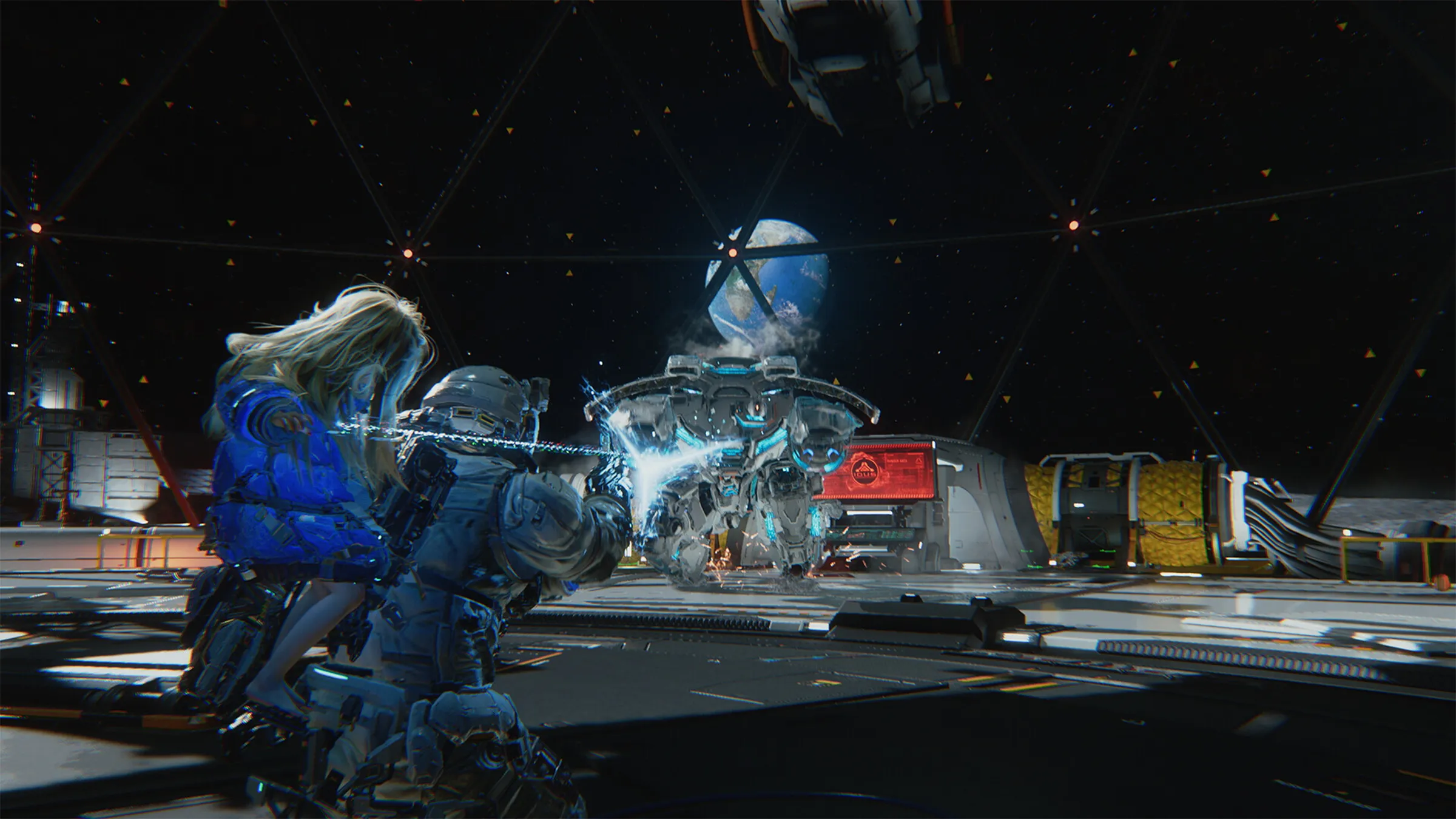
This style is effective because of its simplicity. It makes players emotionally invested in other characters, giving weight to everything that happens in the game. Even though a companion character like Atreus isn’t in real danger, their well-being feels important. This turns ordinary gameplay into a more personal and captivating experience, as you’re always considering and looking out for another character alongside yourself.
I’m really excited about Pragmata! I think it could be exactly what we need to bring those character-driven stories back into gaming. What I love most is when a game focuses on the connection between characters, and it looks like Pragmata is doing just that with Hugh and Diana. It’s not just about the gameplay for me; I want to feel something for the characters, and seeing them build a relationship throughout the game is awesome. I’m hoping Pragmata isn’t just a great game itself, but also helps bring this kind of storytelling back into the spotlight for everyone!
If Pragmata does well, it will prove that this type of game design still resonates with players. Many recent, highly acclaimed games have used this approach successfully, so there’s good reason to be optimistic. It would be refreshing to see Pragmata focus on character-driven stories, especially when so many games today are focused on ongoing live services. Pragmata could revive a style of storytelling that truly connects with players and demonstrate why it’s worth bringing back.
What do you think? Leave a comment below and join the conversation now in the ComicBook Forum!
Read More
- The Super Mario Galaxy Movie: 50 Easter Eggs, References & Major Cameos Explained
- 10 Best Free Games on Steam in 2026, Ranked
- All 13 Smash Bros. Characters in the Super Mario Galaxy Movie
- Sydney Sweeney’s The Housemaid 2 Sets Streaming Release Date
- Why is Tech Jacket gender-swapped in Invincible season 4 and who voices her?
- Welcome to Demon School! Iruma-kun season 4 release schedule: When are new episodes on Crunchyroll?
- WTH?! Twitter Drops Fake Daredevil: Born Again Season 2 Spoilers as Character Return Confirmed
- Highly Anticipated Strategy RPG Finally Sets Release Date (And It’s Soon)
- Dune 3 Gets the Huge Update Fans Have Been Waiting For
- Fleetwood Mac’s Lindsey Buckingham Attacked With Unknown Substance
2026-04-08 21:13