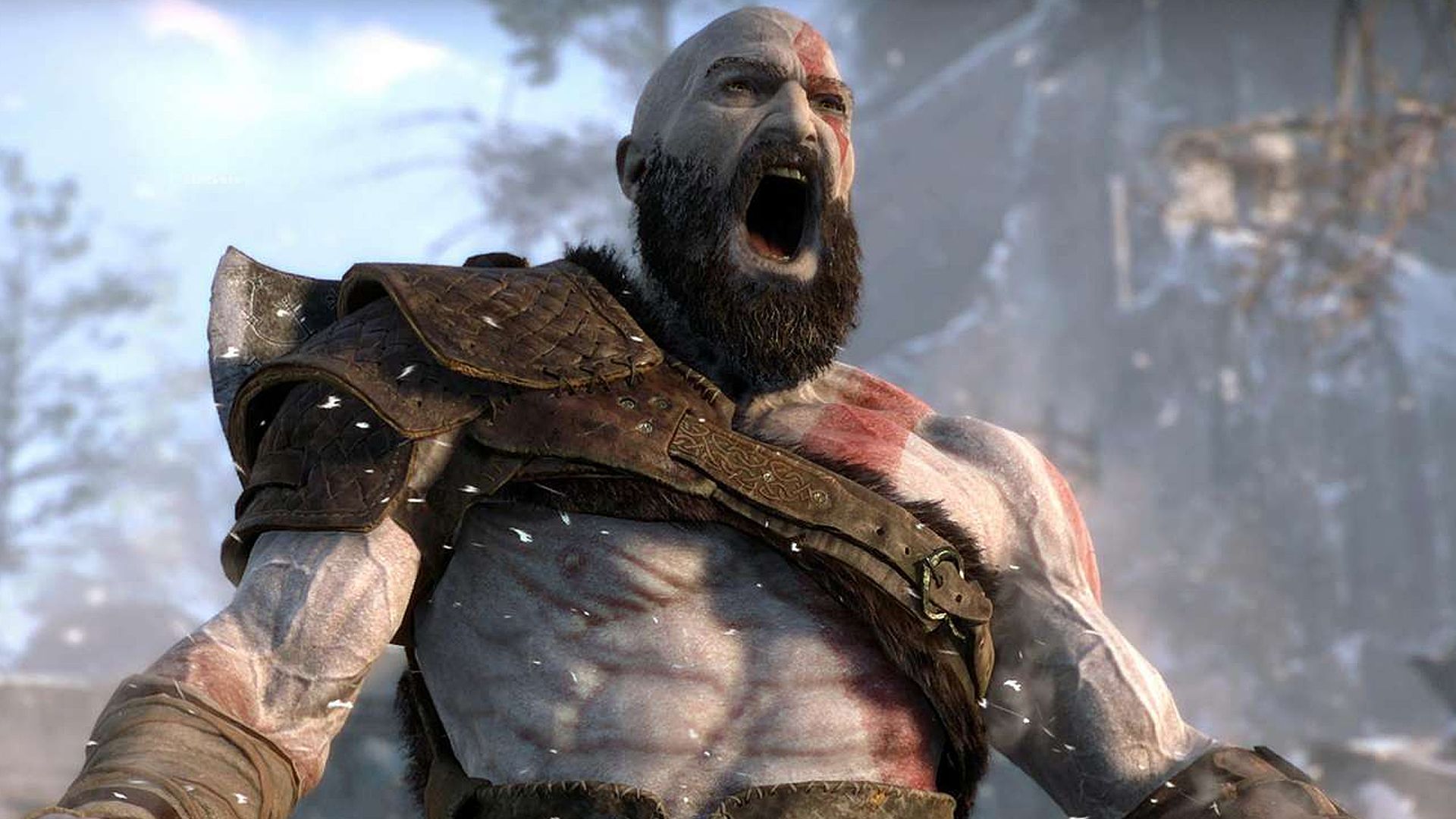
Amazon Prime Video is creating a live-action TV series based on the popular God of War video game franchise. The series won’t cover the story of the first three God of War games, which were set in Ancient Greece. Instead, it will focus on the more recent games – God of War (2018) and God of War: Ragnarök – which are based on Norse mythology. These newer games have a stronger focus on storytelling, making them a good fit for a TV adaptation.
Ryan Hurst, known for his roles as Opie in Sons of Anarchy and Beta in The Walking Dead, is set to play Kratos in the upcoming God of War adaptation. Fans are thrilled with the casting, as Hurst physically fits the role and is familiar with the world – he previously voiced Thor in Ragnarök. But a successful adaptation depends on more than just the actor. To satisfy both longtime fans and new viewers, the show needs a compelling Kratos character, and that means staying true to one of his key personality traits from the video games.
Kratos Underwent a Dramatic Change After God of War III
Throughout the God of War games set in Norse mythology, Kratos wasn’t a talkative character. Unlike heroes like Half-Life‘s Gordon Freeman or Portal‘s Chell, he only spoke when he absolutely had to, and he got straight to the point. A good example of this is in Ragnarök when Odin tried to propose an alliance with a long speech, and Kratos simply replied with one word: “No.”
Kratos’s tendency to be short and to-the-point stemmed partly from his Spartan upbringing – Spartans were famous for speaking briefly. However, it also showed how much he’d changed. Earlier in his life, Kratos was far from reserved. He was consumed by anger and frequently shouted threats at those who stood against him, especially the gods.
More recently, Kratos has been portrayed as a character who spends a lot of time reflecting on his past. A key focus of the 2018 game was his regret over the pain he inflicted while seeking revenge. He became a man of few words, which made his dialogue even more powerful when he did speak, highlighting his thoughtful and restrained nature.
Kratos didn’t simply stop being angry; he went to the opposite extreme, becoming distant and unemotional. This created problems in his relationship with his son, Atreus, and he often just called him “Boy” instead of using his name. Kratos had to learn to deal with his feelings in a healthy way, so Atreus wouldn’t repeat his past mistakes.
While Kratos’s quiet nature is a key part of who he is, the creators of the Prime Video series might be inclined to give him more lines. TV and movies rely heavily on dialogue, and it could feel like a missed opportunity to not fully utilize the actor’s skills. However, changing Kratos to be more talkative would actually weaken his character. We’ve seen with other video game adaptations that removing this essential trait can be a mistake.
The God of War Series Must Avoid the Pitfalls of Halo
As a long-time Halo fan, I have to admit the Paramount+ live-action series really missed the mark with a lot of us. A big part of the problem, for me, was what they did with Master Chief. For years, the mystery around his face – only ever seeing hints, like a quick look at his eyes in that awesome secret ending of Halo 4 – was a huge part of his appeal. Revealing his face so readily just didn’t feel right.
Master Chief, unlike other characters, wasn’t inherently against showing his face. The game developers chose to keep his helmet on for story-related reasons. As a genetically engineered super-soldier trained from a young age for combat, Master Chief prioritized completing the mission above everything else.
In the games, Master Chief’s obscured face made him feel less like a person and more like a tool. The new live-action series removed the mask, likely because creators worried viewers wouldn’t connect with him without seeing his expressions. However, the success of The Mandalorian proved that audiences can connect with masked characters just fine.
Even though Kratos won’t be speaking much, the actor can still deliver a powerful performance. Plus, because the story starts with the Norse games, Kratos is rarely on his own, which means there will still be plenty of opportunities for other characters to have conversations and drive the narrative.
Throughout the games, Kratos is usually seen with his son, Atreus, and the magically-preserved head of Mimir, whose presence prevents the scenes from feeling empty. The failure of Halo to maintain a core character trait while trying to reach a wider audience shows that changing Kratos’ personality would be a mistake, and preserving it is crucial for the success of the new series.
Found an error? Send it so it can be corrected.
Read More
- Gold Rate Forecast
- Dune 3 Gets the Huge Update Fans Have Been Waiting For
- Looks Like SEGA Is Reheating PS5, PS4 Fan Favourite Sonic Frontiers in Definitive Edition
- Pluribus Star Rhea Seehorn Weighs In On That First Kiss
- Kelly Osbourne Slams “Disgusting” Comments on Her Appearance
- Arknights: Endfield – Everything You Need to Know Before You Jump In
- 10 Steamiest Erotic Thriller Movies of the 21st Century
- 22 actors who were almost James Bond – and why they missed out on playing 007
- Action Comics #1096 is Fun Jumping-On Point for Superman Fans (Review)
- Guardians of the Globe Members We Want to See in Invincible Season 4
2026-01-26 00:37