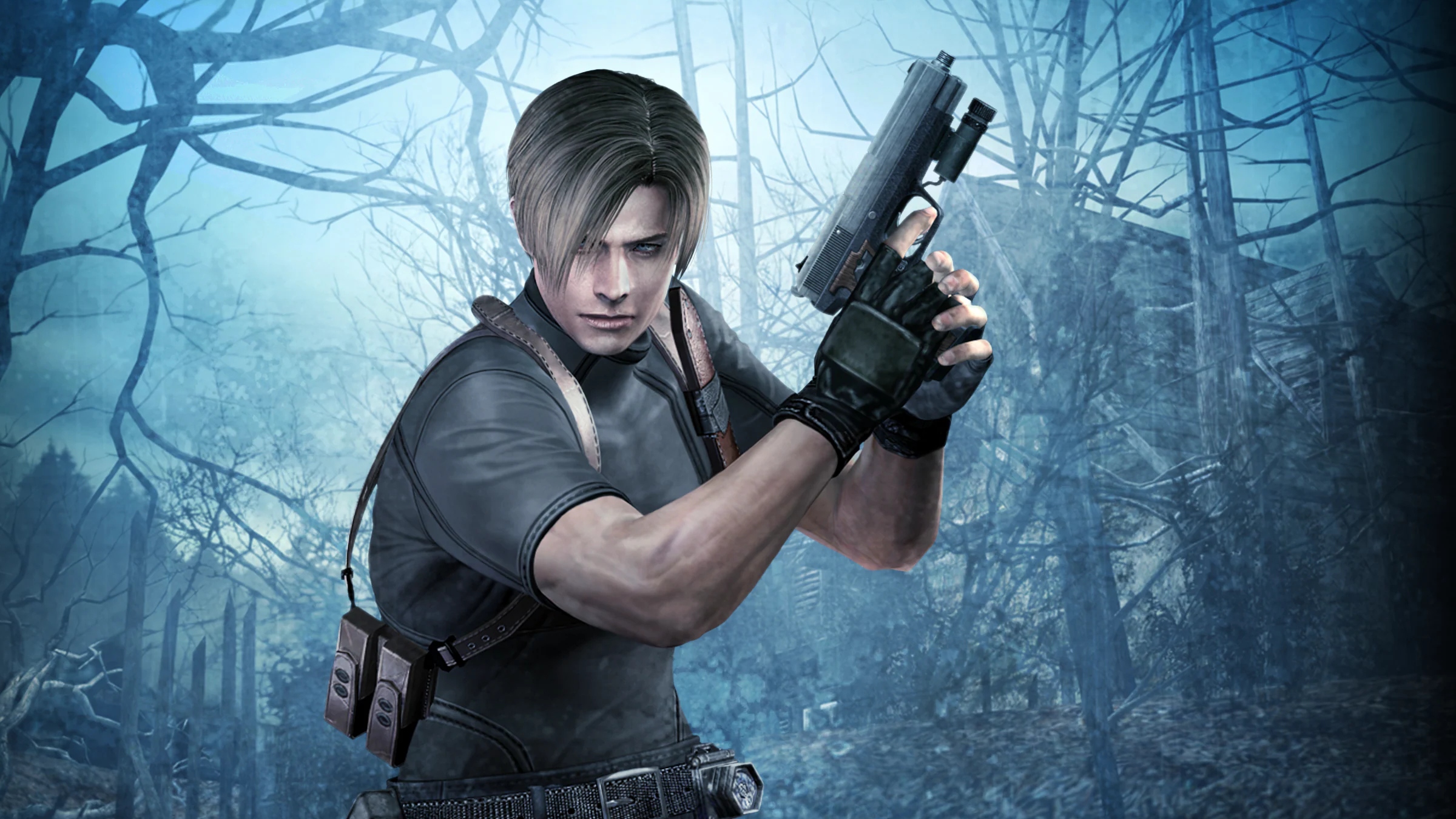
Sequels rarely manage to completely revitalize a series, particularly when it’s the thirteenth installment. After years of spin-off titles – nine in total – that many felt weakened the core experience, Resident Evil 4 arrived on January 11, 2005, as a fresh start for the main series. The game was a bold reinvention, shifting towards more action while still maintaining the horror and embracing the series’ inherent strangeness. It was a long development process, but the result was a thrilling and unique experience.
The success of Resident Evil 4 significantly changed the direction of the Resident Evil series, inspiring many new ideas. But its influence went far beyond just the franchise; it revolutionized gameplay and became one of the most important games of the 21st century. Now, over twenty years later, it’s clear just how much of an impact Resident Evil 4 had on the world of gaming.
Leon Kennedy Went From Drab To Amazing

Leon Kennedy first appeared in Resident Evil 2, but he really came into his own with Resident Evil 4. Initially, he was presented as a new police officer, designed to be someone players could easily relate to, alongside Claire Redfield, as they faced the challenges created by the Umbrella Corporation. While he functioned well as a typical survival horror hero, he lacked significant depth. He was an accessible character to play as, but didn’t have a strong personality beyond that.
Initially, Leon S. Kennedy was simply a playable character. However, Resident Evil 4 gave him a new backstory: he’d become an undercover agent. His experiences transformed him into a calm, confident, and somewhat sarcastic hero, making him much more than just a game avatar. Leon’s dry wit and incredible abilities perfectly matched the intentionally cheesy, B-movie style of Resident Evil 4. He’s kept this personality ever since, and it’s influenced the rest of the Resident Evil series, with other characters also becoming more dramatic and skilled to match the increasingly over-the-top action and environments.
How Resident Evil Changed After RE4

As a long-time fan, I remember the Resident Evil series starting incredibly strong. The first three games on PlayStation were amazing, truly defining the survival horror genre. But things started to feel…stale after that. They released a lot of spin-offs – Code Veronica, Gaiden, Outbreak, Survivor – and while interesting, they didn’t quite capture the magic. Even the main series felt like it was running out of steam, despite attempts to freshen things up with remakes (like the 2002 version of the first game) or new characters like Rebecca and Billy in Resident Evil 0. Everything just felt a little repetitive. Then Resident Evil 4 came along and completely shook things up! It took everything we knew and loved, evolved it, and even leaned into a bit of over-the-top action, which honestly, was exactly what the series needed to feel new and exciting again.
Following Resident Evil 4, the games became increasingly over-the-top with wilder plots, exaggerated villains, and more bombastic heroes. Before Resident Evil 4, Chris Redfield wasn’t performing incredible feats of strength or leading covert groups, but the new, action-packed style became a trend throughout the series. Even Resident Evil 7: Biohazard, which aimed for a much scarier experience, still included action and world-building elements that echoed the over-the-top tone of Resident Evil 4. This influence is directly visible in Resident Evil 8, which successfully balanced terrifying visuals with a playful, almost silly, action style. This combination made the characters and story more enjoyable than previous installments. The series continues to use this blend of tones, and it all started with Leon Kennedy’s mission to rescue the President’s daughter.
Video Games Were Different After RE4
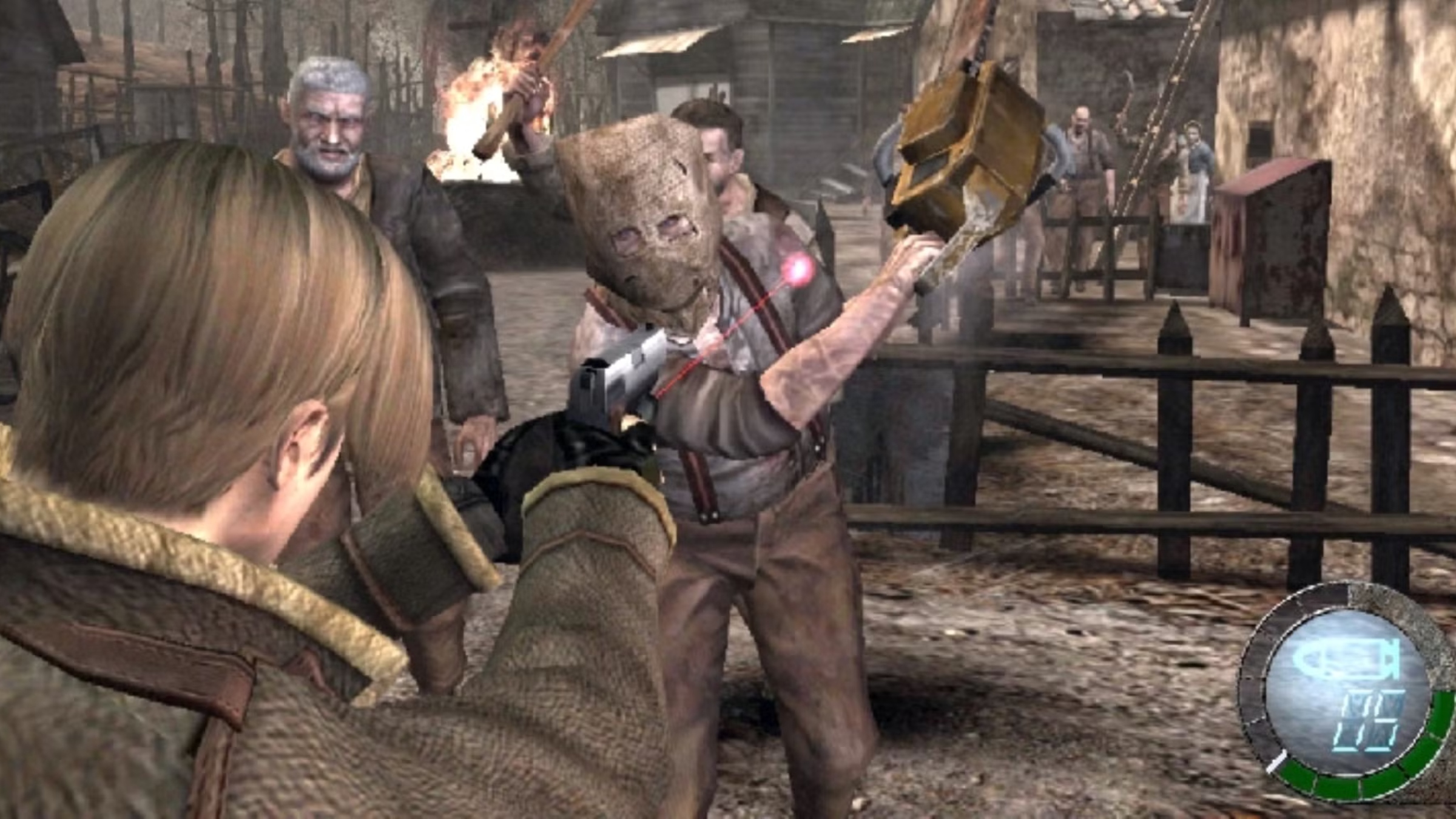
The release of Resident Evil 4 was a game-changer for the industry, significantly impacting both horror and action games. Its innovative “precision aim” mechanic, which heightened tension and difficulty, was widely copied by many franchises, both established ones like Fallout and Grand Theft Auto, and newer ones like Mass Effect and The Last of Us. This led to a surge in third-person action games, influencing popular series such as Assassin’s Creed and the Batman: Arkham games.
The impact of Resident Evil 4 was especially noticeable in survival-horror games, which tried to capture its blend of intense moments and player control. Games like Alan Wake, Alone in the Dark, and BioShock, even competitors like Silent Hill, all drew inspiration from how Resident Evil 4 redefined the genre with more action. Even games with very different styles, such as the fast-paced combat of God of War or the cover-based shooting in Gears of War, borrowed ideas from Leon’s adventure. Resident Evil 4 is a landmark title that didn’t just change its own series, but significantly influenced game development and broadened the appeal of the medium as a whole.
Read More
- What Song Is In The New Supergirl Trailer (& What It Means For The DC Movie)
- Man vs. Baby’s AI-Enhanced Baby Is Still Partly Human, Confirms Netflix Director
- Two Nintendo Switch Games Permanently Delisted From the eShop
- Spider-Man 4 Rumor Roundup Reveals Sadie Sink’s Role With Power Change & More
- The Most Iconic Kids Show of All Time Just Brought Brand New Episodes to Netflix
- Marathon is Taking Aim at Bubble Shields, Knives, Snipers and More in Upcoming Balance Patches
- The Quantum Observer: How Reality Takes Shape
- Demon Slayer Star Reacts to Infinity Castle Movie Return for Surprising Role
- Harry Potter Season 2 Gets a Positive Update as Delayed Release Confirmed
- Crypto Treasures Rise from the Ashes: DATs Flip the Script in 2026
2026-01-11 23:15