The Resident Evil series is a major force in gaming, and the first game from 1996 is often considered the one that created the modern survival horror genre. While games like Resident Evil Village and the remake of Resident Evil 2 are famous for perfecting that style, the series also includes many less well-known games that tried different approaches.
Some games tried to be too ambitious, attempting ideas that players and technology weren’t quite ready for. A good example is Resident Evil: Outbreak, released in 2003 for the PlayStation 2. It’s quite different from typical Resident Evil games, and it really deserves more recognition.
With so many excellent Resident Evil games being released and remade recently, it’s natural to wonder how the older titles would fare today. This article takes a look at Resident Evil Outbreak, not through rose-tinted glasses, but by comparing it to modern games to see what it did well and where it falls short.
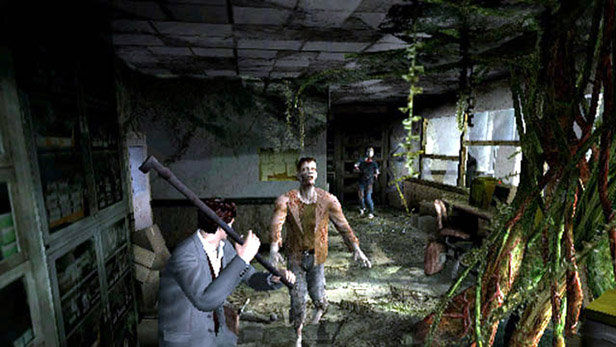
Resident Evil Outbreak has a rather different way in how it goes about telling the story. Even in the year 2026, the game’s titular narrative restraint feels purposeful rather than lacking in spirit. Unlike most games in the franchise which overtly rely on exposition-heavy storytelling, Resident Evil Outbreak uses subtle cues and snippets to tell its story. The story is scattered across overheard radio chatter, abandoned notes, and environmental clues, which lends a strong sense of character to Raccoon City. Each scenario represents a snapshot of the outbreak from the perspective of ordinary people trying to survive as the city collapses around them, rather than portraying a single protagonist as a knight in shining armor. This narrative approach also lends the narrative a documentary-like quality, grounding the game in horror.
Outbreak doesn’t hold your hand; it trusts you to figure out the story through exploration, much like the Dark Souls series. The game excels at environmental storytelling – each area reveals what happened through its design and the objects within it. You learn the truth not through cutscenes or explanations, but by observing the remnants of a disaster. In an industry often focused on simplifying narratives, Outbreak’s subtle approach feels unique and perfectly suited for a survival horror game.
The game’s core philosophy deeply influences its survival horror experience. ‘Outbreak’ centers around limitations – you’ll constantly face scarce resources, incomplete information, and a ticking clock. You aren’t meant to feel powerful, and the game makes that clear. It’s not about becoming a combat expert or finding the best gear; it’s about being careful, holding back, and making tough choices when it counts. Each new area could be a haven or a trap, and every shot fired is one you might regret. The ever-present danger of infection constantly reminds you that survival is fleeting, making even victories feel incredibly stressful.
As a big fan, what I love about Outbreak is how it never lets you relax. Later games let you get stronger and stronger, but Outbreak keeps the pressure on the whole time. It’s not that the zombies get tougher, it’s that you never feel like you’re above the danger. They’re slow, yeah, but they just keep coming, and one little slip-up can quickly spiral into a total panic – you’ll waste ammo, burn through supplies, and suddenly you’re fighting a losing battle against infection. It’s brilliant!
One of the smartest things about Resident Evil Outbreak is how it structures the game around separate, self-contained crises. Instead of one long story, you experience a series of unique scenarios, each with different challenges and goals. One scenario might focus on fighting off hordes in close quarters, while another might involve escaping a dangerous environment or protecting other survivors. You don’t carry items or strategies from one scenario to the next, forcing you to constantly adapt and rethink your approach. Just when you start to feel confident, the game throws a new curveball, demanding you adjust all over again. This constant uncertainty is what makes Outbreak so engaging and keeps the feeling of survival fresh and dynamic.
Like the original Resident Evil games, Outbreak uses somewhat stiff ‘tank controls.’ This might feel awkward at first, but it actually enhances the game’s tense atmosphere. Moving and turning aren’t instant, which makes you feel vulnerable and encourages careful planning. You can’t rely on quick reflexes or a wide view of your surroundings; instead, you need to think ahead to survive.
Understanding how these controls work means changing how you think about the game. It’s not about what the technology can’t do, but about deliberately creating a sense of tension. The set camera angles hide threats, making you move slowly and carefully instead of rushing in. Spaces like hallways and rooms feel smaller and more confining. What might feel awkward in other games actually builds fear here, and the unusual controls almost become a way for Resident Evil Outbreak to communicate danger to you.
In Outbreak, you don’t get stronger through typical upgrades like better stats or weapons. Instead, you improve by learning the game’s levels, understanding how enemies act, solving puzzles, and managing your supplies effectively. This design choice enhances the scary, survival-horror atmosphere and makes each scenario feel connected. It also fits the game’s story, which focuses on regular people trying to survive, not powerful heroes.
Fighting isn’t something to be enjoyed; it’s a last resort. It’s not about feeling powerful, but about doing what’s necessary. Weapons aren’t always dependable, bullets are hard to come by, and health supplies are valuable. You need to be careful about choosing your battles, knowing when to avoid a fight, find cover, or accept some injuries to keep moving forward.

One of the most impressive things about Outbreak is its cooperative gameplay. It stands out because it deliberately restricts communication, forcing players to carefully observe and react to what’s happening. This creates a strong sense of shared risk that’s rare in today’s co-op games. When the team succeeds, it feels like a true group effort, and when they fail, it’s a shared experience. A player’s sacrifice to help the others feels genuinely impactful, leading to unique and memorable stories. Even now, this design choice is daring, as many co-op games focus on being easy to pick up rather than creating a tense atmosphere.
The game’s combination of a subtle story, focus on surviving, precise controls, and slow but steady character development creates a surprisingly powerful atmosphere. While Outbreak clearly shows its age visually, there’s still a certain appeal beneath the somewhat blurry PlayStation 2 graphics. The pre-rendered backgrounds allow for detailed and atmospheric environments filled with decay and hopelessness, though they don’t quite match the quality of modern games.
The sound design is particularly effective – you’ll hear distant, haunting moans, creepy creaking doors, and sudden, startling crashes. Music is used subtly, and often replaced by silence, which actually increases the tension. This creates a truly oppressive atmosphere, making even safe moments feel temporary and vulnerable.
Looking back at Resident Evil Outbreak today, it’s clear this wasn’t a failed idea – it was actually quite innovative for its time. Even now, few survival horror games emphasize vulnerability, teamwork, and careful play as much as Outbreak did. It reminds us that horror is often scariest when it limits what the player can do, rather than making them powerful.
While it wasn’t fully appreciated when it came out in 2003, its impact on modern co-op horror is undeniable. It’s not a flawless game – the old-fashioned controls and challenging survival mechanics might frustrate some players. However, those who persevere will discover a truly strong and memorable experience. Rated today, it would easily score an 8 out of 10.
Please be aware that the opinions shared in this article are solely those of the author and don’t reflect the official stance of GamingBolt.
Read More
- What Song Is In The New Supergirl Trailer (& What It Means For The DC Movie)
- Eurogamer Gives ARC Raiders 2/5 Over AI Voices, Dropping Metacritic Score from 94 to 84
- Dragon Ball: Sparking! Zero Is Still Stupidly Popular, Reels in 1 Million Monthly Players
- Dune 3 Gets the Huge Update Fans Have Been Waiting For
- 5 Best Superman-Centric Crossover Events
- MOUSE: P.I. For Hire Loops in Caravan Palace for A Catchy New Track Ahead of April 16 Release
- Jujutsu Kaisen Is Returning With a Special Release After Sequel’s Finale
- The Quantum Observer: How Reality Takes Shape
- The Simpsons Makes Major Change to Patty and Selma After 36 Years (And Includes a Big Makeover)
- 49 Years Ago Today, Movie History Was Changed by a Film You’ve Never Even Seen
2026-01-12 14:46