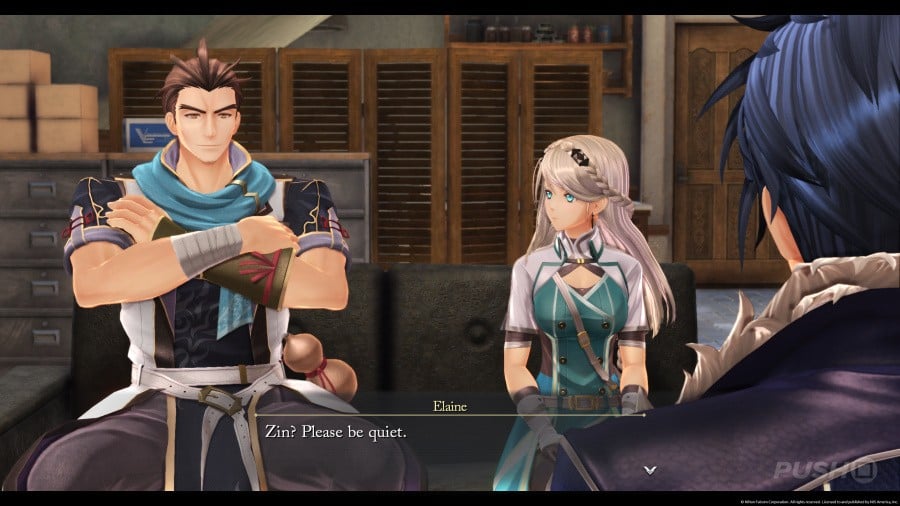
Before you start Trails beyond the Horizon, it’s essential that you’ve finished Trails through Daybreak and Trails through Daybreak 2 first.
Even for a series known for its complex stories, Trails through Daybreak 2 is exceptionally dense. The game assumes you know a lot about what happened in previous titles, so even if you’ve played the earlier games, it’s a good idea to watch a story summary before starting to avoid confusion.
The massive scope of the series’ story – now covering 13 games – is both a huge draw and potentially overwhelming. However, this is what sets games like Horizon apart; it’s rare to find a game with such a deeply connected story built over more than twenty years.
It’s almost comical how dedicated Falcom is to the Trails series, but you have to admire their commitment. This newest game is really aimed at longtime fans – it’s incredibly complex and assumes you already know the world and characters. It’s definitely not a good starting point for newcomers.
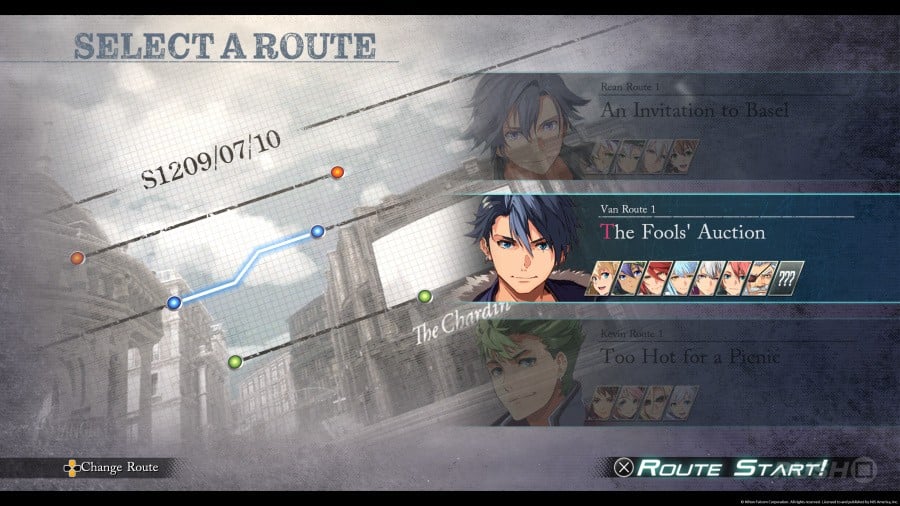
Trails Beyond the Horizon brings together storylines that have been developing over many years of games, offering around 80 hours of gameplay with three different sets of characters to follow.
Horizon is the third installment in the Daybreak series, continuing the story of Van Arkride and his team as they explore mysterious events unfolding in the large city of Edith, located in Calvard.
However, Horizon also features many characters from previous Trails games, especially the Cold Steel series. Bringing back these familiar heroes helps connect Horizon’s intense story to the larger, overarching plot of the series, offering a unique and multi-faceted narrative.
The release begins a bit slowly. The first part feels like the weakest, as it spends too much time bringing back a lot of familiar characters. It often feels like Van and his friends can’t even move without another old character showing up.
Once you get past the slow start, Horizon’s story becomes incredibly engaging. It’s one of Falcom’s best at building suspense – nearly every chapter ends with a major cliffhanger, leaving you eager to find out what happens next.
As a fan, I have to say the Japanese developers really knocked it out of the park with how well they wove all the storylines in Horizon together. Okay, some of the plot points weren’t totally surprising, especially if you’ve played the Trails series before, but Horizon definitely doesn’t hold back on big reveals and important discoveries. It kept me hooked!
This isn’t just about this particular game; it applies to the whole series.
The detailed world-building that makes the Trails series so strong is even more impressive in this installment, finally offering answers to long-standing fan questions. This makes it a particularly exciting game, as previous entries have sometimes been criticized for not moving the overall story forward enough.
Don’t expect a completely conclusive ending, though. While the events in Horizon feel like a major turning point for the story, the game makes it clear that there’s still much more to come, leaving several questions unanswered for future installments. You can see the finish line, but it’s still quite a ways off.
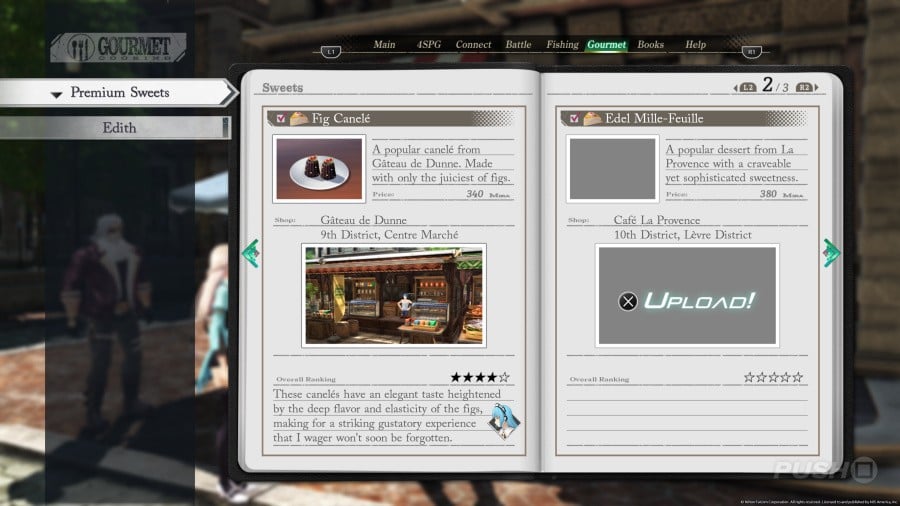
Let’s talk about how Horizon actually plays. Honestly, the gameplay isn’t drastically different from the first game, Daybreak. You’ll still progress through a story divided into chapters, completing main and side quests, exploring the world, and facing increasingly challenging fights.
The Marchen Garten is back, now called the Grim Garten, and it’s been updated to tie in more closely with the main story. It’s still a flexible, optional area meant to be explored throughout the game, and it serves the same purpose as before: a place to experiment with different character teams, improve your characters’ levels, and find valuable gear.
Although it can be a bit repetitive, Grim Garten offers a welcome break with its action-packed gameplay, providing a contrast to the lengthy conversations found elsewhere in the game.
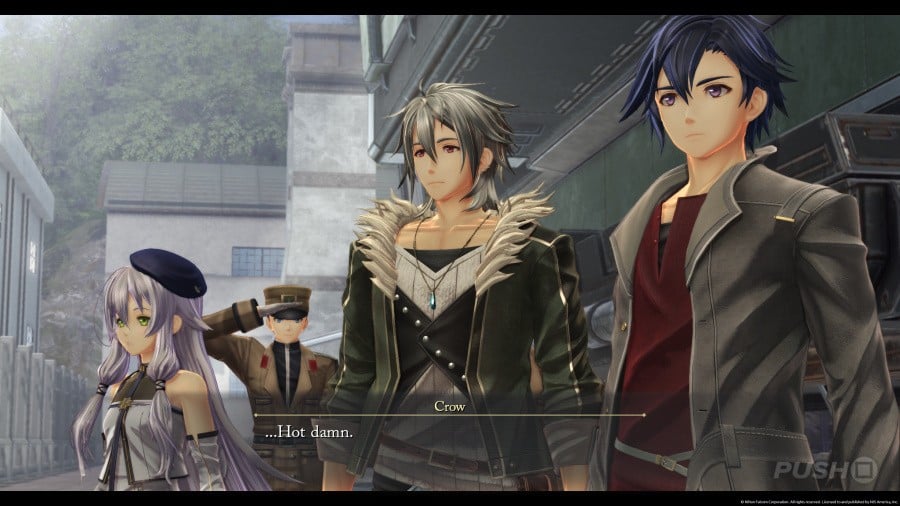
Sometimes, Horizon focuses too much on character details and lengthy explanations, overshadowing the actual gameplay. However, the engaging world of the Garten consistently pulls you back into the game’s rewarding RPG features.
Similar to Daybreak 2, this game lets you collect and build a large team of characters. You can create characters that are simple and straightforward, or highly specialized, with tons of different magical abilities and passive skills to unlock and customize them with.
This game, like most in the Trails series, features compelling systems that truly benefit players who invest time and effort.
When we describe Horizon as dense, we’re referring to both the world itself and how it plays. Players familiar with Daybreak will easily adapt, but the new combat features add even more strategic possibilities.
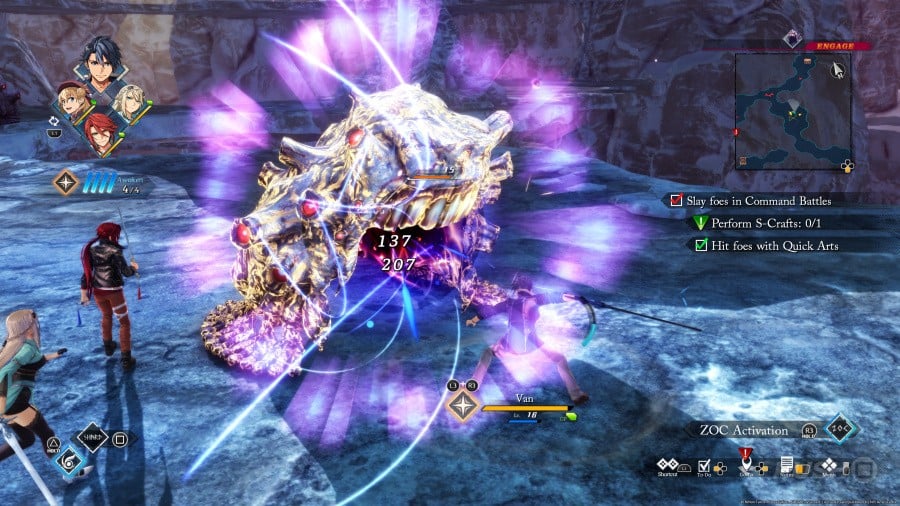
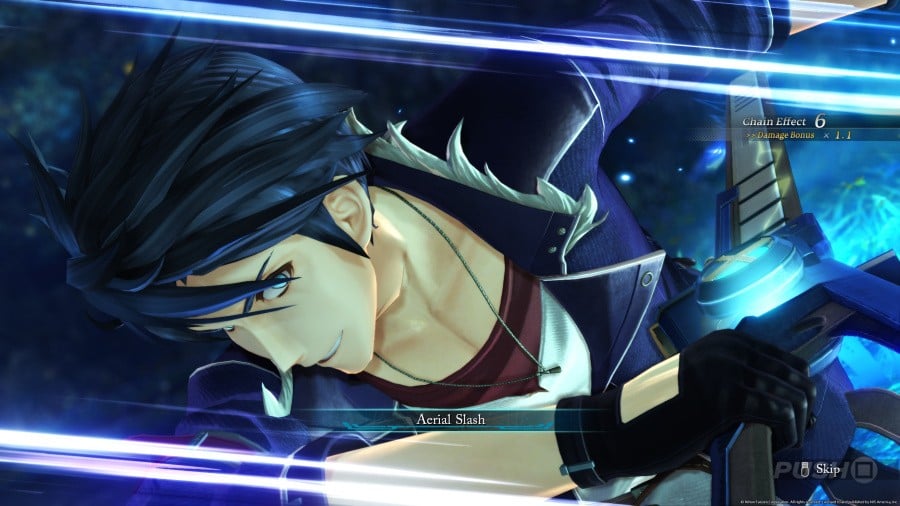
Now, ‘S-Boosts’ – which you earn in battles – can be used to give your whole party helpful buffs, similar to the Brave Orders from previous games. Alternatively, you can use your S-Boosts to power up powerful new team attacks.
Overall, the game now focuses even more on managing your resources, particularly during challenging fights. While the core combat hasn’t changed dramatically, Horizon offers new tactical options that should appeal to players who enjoyed the first game.
Despite everything, we still favor the simpler, yet polished combat system from Trails in the Sky 1st Chapter. While Horizon’s complexity can be an advantage once you learn it, it sometimes feels overly complicated.
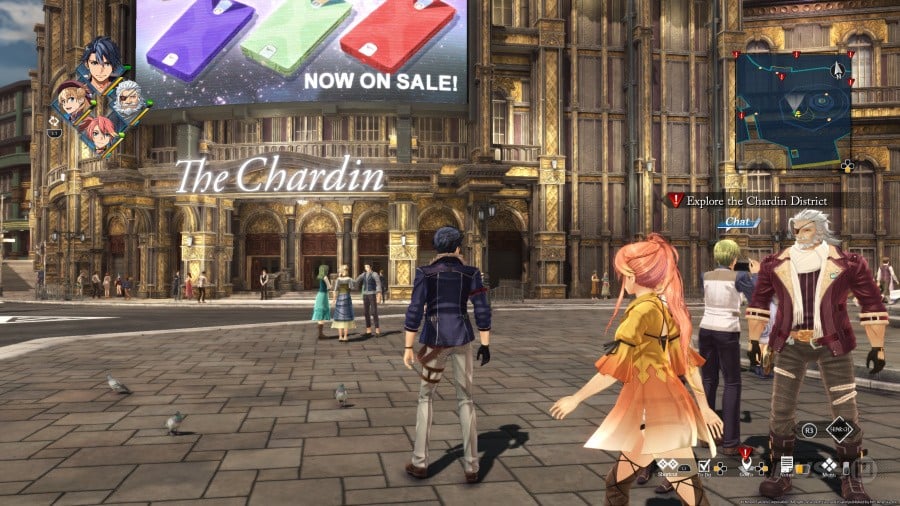
We also have to admit, we really enjoyed how polished the original game, 1st Chapter, looked. While it’s not really Falcom’s fault – Horizon came out in Japan in 2024, a year before the remake – it just doesn’t compare to the visual quality of the updated engine.
The game’s environments still appear somewhat unpolished, and the characters aren’t always visually appealing. However, Horizon now features a lot of new combat and cutscene animations that are as good as those in the first game. We’re hoping the sequel will finally give the world of Calvard the visual upgrade it deserves.
Read More
- What Song Is In The New Supergirl Trailer (& What It Means For The DC Movie)
- Gold Rate Forecast
- One of Hulu’s Best New Shows Lands on Disney+ Ahead of Season 2
- Eurogamer Gives ARC Raiders 2/5 Over AI Voices, Dropping Metacritic Score from 94 to 84
- Guardians of the Globe Members We Want to See in Invincible Season 4
- Demon Slayer Star Reacts to Infinity Castle Movie Return for Surprising Role
- Beyond Space and Time: Reconciling Relativity with Quantum Interference
- Reanimal – Everything You Need to Know Before You Pick it Up
- Lies of P Has Sold More Than 4 Million Copies
- Steve Rogers’ Return Means the MCU Can Finally Solve Avengers: Endgame’s Last Mystery
2026-01-08 17:08