
I remember when this project first came about – it was a really fascinating move by Sam Raimi. He saw Takashi Shimizu’s incredible Japanese horror film, Ju-On: The Grudge, and instead of just distributing it, he actually brought Shimizu on board to remake it for American audiences. Plus, Raimi put his own production company, Ghost House Pictures, behind it, giving it some serious backing. The result, of course, was simply titled The Grudge.
The film proved to be a financial success for Raimi, earning $187 million despite only costing $10 million to make. However, it received overwhelmingly negative reviews. Currently, it holds a 41% rating on Rotten Tomatoes, significantly less than the original’s 80%. Even renowned critic Roger Ebert was baffled by what he saw as a waste of resources. Despite the criticism, some wonder if the film was unfairly judged.
‘The Grudge’ Is a Near-Clone of the Original
It’s unusual for a director to remake one of their own films, but sometimes the urge is too strong to resist. John Ford, for example, remade Judge Priest as The Sun Shines Bright, and Alfred Hitchcock revisited The Man Who Knew Too Much two decades after the first version. While those directors made changes, Takashi decided to stay mostly true to the original.
It’s hard to call this a remake – it feels more like a copy. Usually, when American films are based on foreign movies, they’re moved to an American setting. But here, the director keeps the story in Tokyo and simply adds some American characters. The film also keeps a complicated, non-linear timeline, making viewers work to understand what happened when.
The movie centers around Karen Davis, a social work student who begins caring for an elderly, unresponsive woman named Emma after the previous caretaker vanishes. Soon after starting the job, Karen uncovers unsettling secrets, like a young boy hidden away in a closet. As she digs deeper, she experiences frightening supernatural occurrences, including seeing ghostly figures. Things take a dark turn when her patient, Emma, unexpectedly dies, leaving Karen to unravel the mystery behind everything that’s happening.
Roger Ebert Awarded ‘The Grudge’ One Star Out of Four

Sony Pictures Releasing
I was really surprised by Roger Ebert’s strong reaction to The Grudge, especially since he hadn’t even reviewed the original Japanese film! He basically said the movie was predictable, following that classic horror movie trope where someone always hears a scary noise and has to check it out, which inevitably leads to them becoming, well, a victim. It felt like he was frustrated with how formulaic it was – you know, characters making those unbelievably bad decisions to investigate strange sounds and ending up in trouble.
Ebert also disliked the film’s dialogue and its lack of cultural exploration. He thought it was a mistake to have all the characters speak English, arguing that using Japanese with subtitles would have felt more genuine. He was frustrated that the film didn’t showcase any significant Japanese settings, with most of the action taking place inside a house that he didn’t find particularly frightening.
The Chicago Sun-Times critic wasn’t finished. He questioned the characters’ choices, asking why they would continue to enter a house with a known haunted past—hadn’t everyone heard the stories? He also disliked the way the story jumped around in time, calling it confusing rather than artistic. While these points offer food for thought, Roger Ebert’s criticisms shouldn’t define how people remember The Grudge.
Roger Ebert Was Wrong About a Few Things
Sony Pictures Releasing
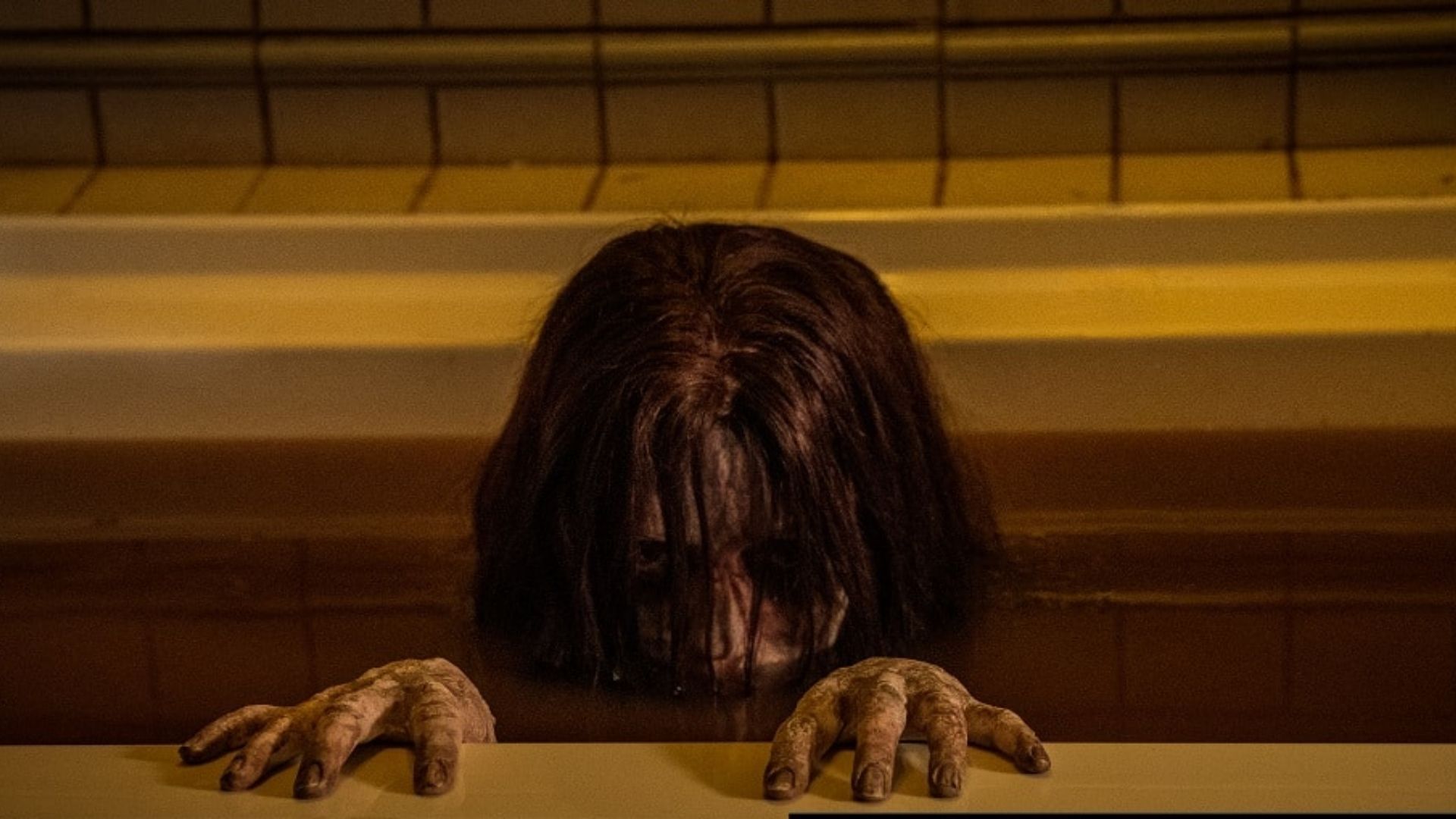
Okay, let me tell you, The Grudge gets a bad rap. It really does. Critics, even the legendary Roger Ebert, weren’t kind, but I think they missed the point. This movie genuinely terrified me, and I’d put it right up there with the best horror films ever made. What sets it apart is the incredible build-up of tension – those long, drawn-out shots really get under your skin, something a lot of modern horror skips. And the sound design? Forget about it. Kayako’s growl is legitimately haunting. Like a lot of Sam Raimi’s work, The Grudge doesn’t try to be high art; it just wants to scare you silly, and believe me, it succeeds.
While a critic like Ebert might find the plot predictable, it follows a classic haunted house formula that audiences expect. The story needs a character to experience eerie events and then start looking into them – it’s a proven approach that keeps these movies effective.
The decision to have characters speak English is mainly a financial one. Foreign-language films typically don’t perform well financially in the American box office. Even a critically acclaimed film like Parasite only earned $20 million in North America. Therefore, filmmakers often prioritize English dialogue to appeal to a wider audience. This is why characters in Gladiator speak English instead of Latin, despite the film’s Roman setting – it’s a common practice in many Hollywood movies set in foreign countries.
It’s odd that Ebert wanted to see more of Japan in the film. It’s a ghost story, not a travelogue, and he could have simply visited if he was interested in the country. While he correctly pointed out flaws in the movie’s logic, his criticism of the non-linear storytelling felt unfair. Hollywood often uses this technique, and he hadn’t previously objected to it – he enjoyed films like Pulp Fiction and Memento, which also play with time and order.
It’s time to admit that the great Roger Ebert got this wrong.

5 Questions
Found an error? Send it info@movieweb.com so it can be corrected.
Read More
- Pluribus Star Rhea Seehorn Weighs In On That First Kiss
- Gold Rate Forecast
- Kelly Osbourne Slams “Disgusting” Comments on Her Appearance
- Looks Like SEGA Is Reheating PS5, PS4 Fan Favourite Sonic Frontiers in Definitive Edition
- Arknights: Endfield – Everything You Need to Know Before You Jump In
- Dune 3 Gets the Huge Update Fans Have Been Waiting For
- Guardians of the Globe Members We Want to See in Invincible Season 4
- Goat 2 Release Date Estimate, News & Updates
- ’90s Cartoon Reboot & TMNT Connection!
- ‘Marty Supreme’ Ending, Explained
2026-03-11 22:21