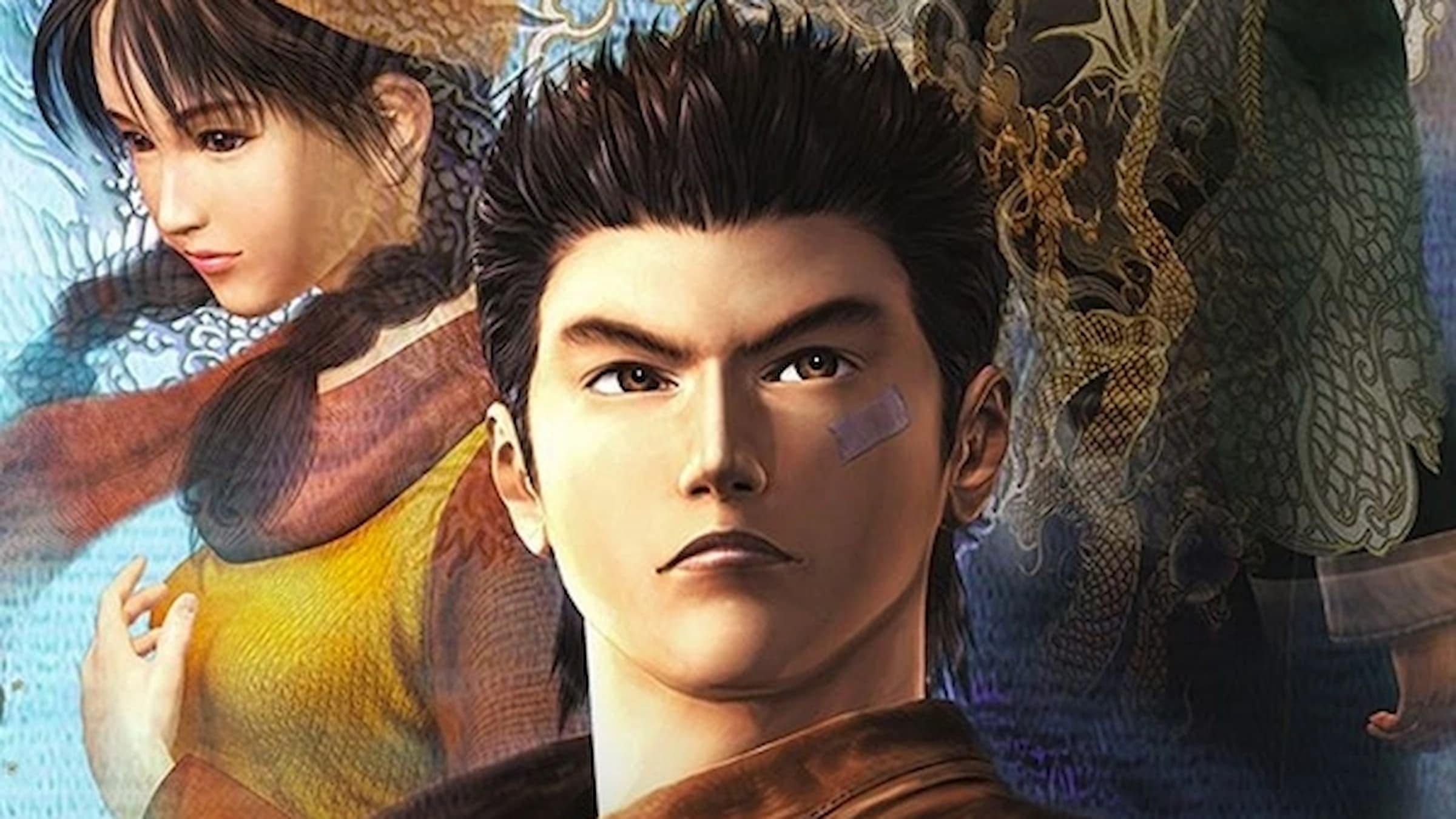
Sega, a company famous for its video games like *Sonic the Hedgehog*, almost went out of business in the late 1990s because of a huge gamble on a single game. This happened just as video games were switching from 2D to 3D, which made development difficult and the competition tougher. Players were starting to expect games with movie-like stories, large open worlds, and realistic graphics – all of which were expensive to create. Twenty-five years ago, Sega made the most costly game ever at that time, hoping it would keep them as a leading company in the gaming world, but unfortunately, it didn’t succeed.
Sega hoped *Shenmue* would be a game-changer. With a huge budget and led by renowned director Yu Suzuki – famous for creating *Virtua Fighter* – the game aimed to revolutionize the video game experience. It was a sprawling, cinematic, and ambitious project, blending RPG elements, life simulation, and interactive storytelling, all intended to ensure the success of the Sega Dreamcast. However, this massive gamble almost bankrupted the company.
Shenmue, the Most Expensive Game of Its Time
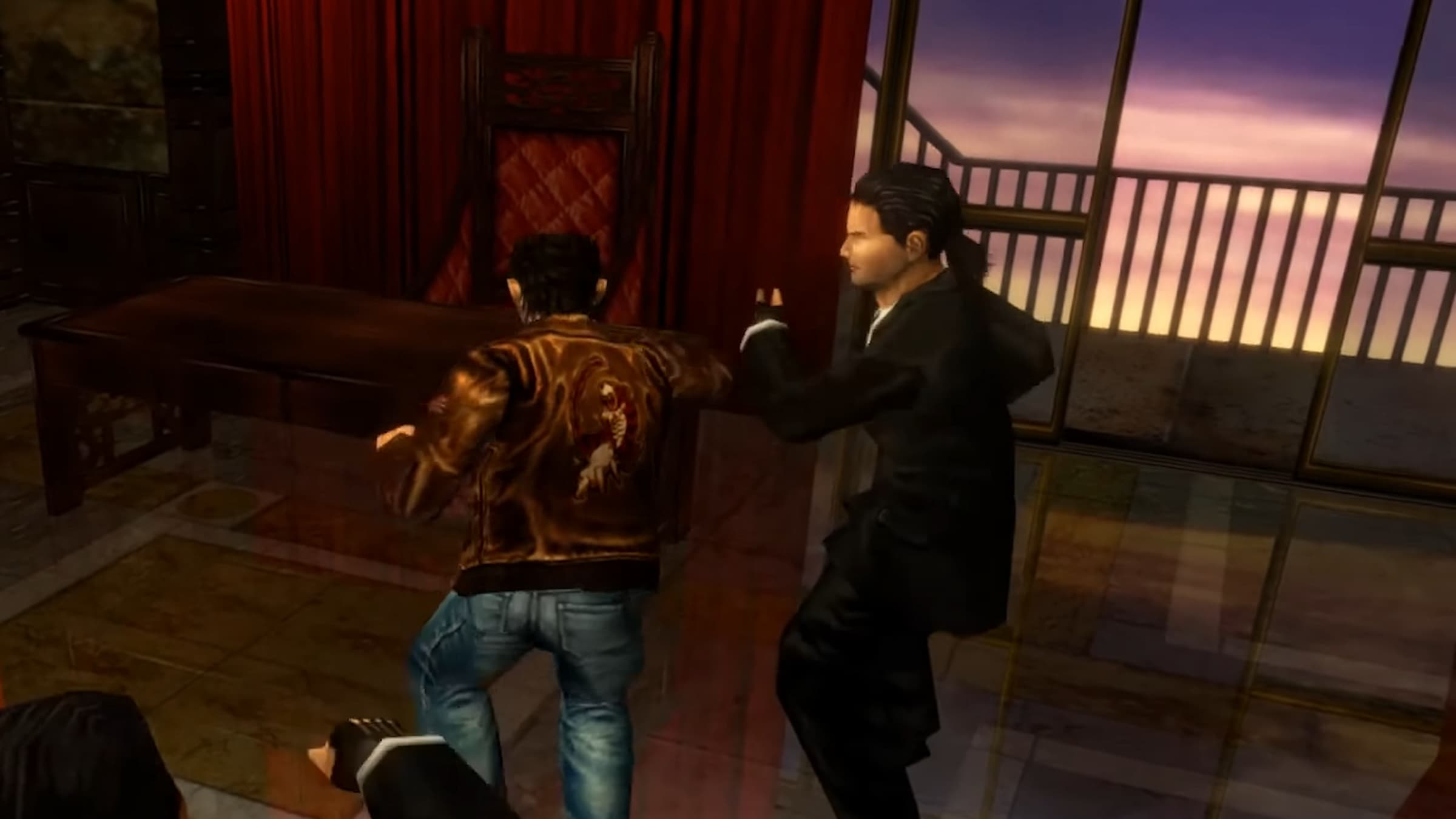
Released in 1999, *Shenmue* was the most expensive video game ever made, costing between $47 and $70 million—the equivalent of over $100 million today. This was more than many major Hollywood movies cost to produce at the time, demonstrating Sega’s huge ambition to create something truly new and immersive, not just a game.
Yu Suzuki aimed to build a truly immersive world in his game. The city of Yokosuka felt real, filled with carefully crafted details. Non-player characters weren’t just props – they had names, followed schedules, and went about their daily lives. The game world also changed with the time of day, with shops opening and closing, and offered fun side activities like arcade games and feeding cats. Interestingly, the ability to pick up almost any object in the game would later be popularized by *The Elder Scrolls V: Skyrim*.
Creating *Shenmue* was a hugely expensive undertaking for Sega. The necessary technology didn’t exist yet, forcing them to develop entirely new game engines, motion capture technology, and voice acting processes. The game also featured a massive script with over 500,000 lines of dialogue, requiring an unprecedented amount of animation and recording. This enormous scale stretched the Dreamcast – and Sega itself – to its breaking point.
A Game Ahead of Its Time — and a Console Behind It
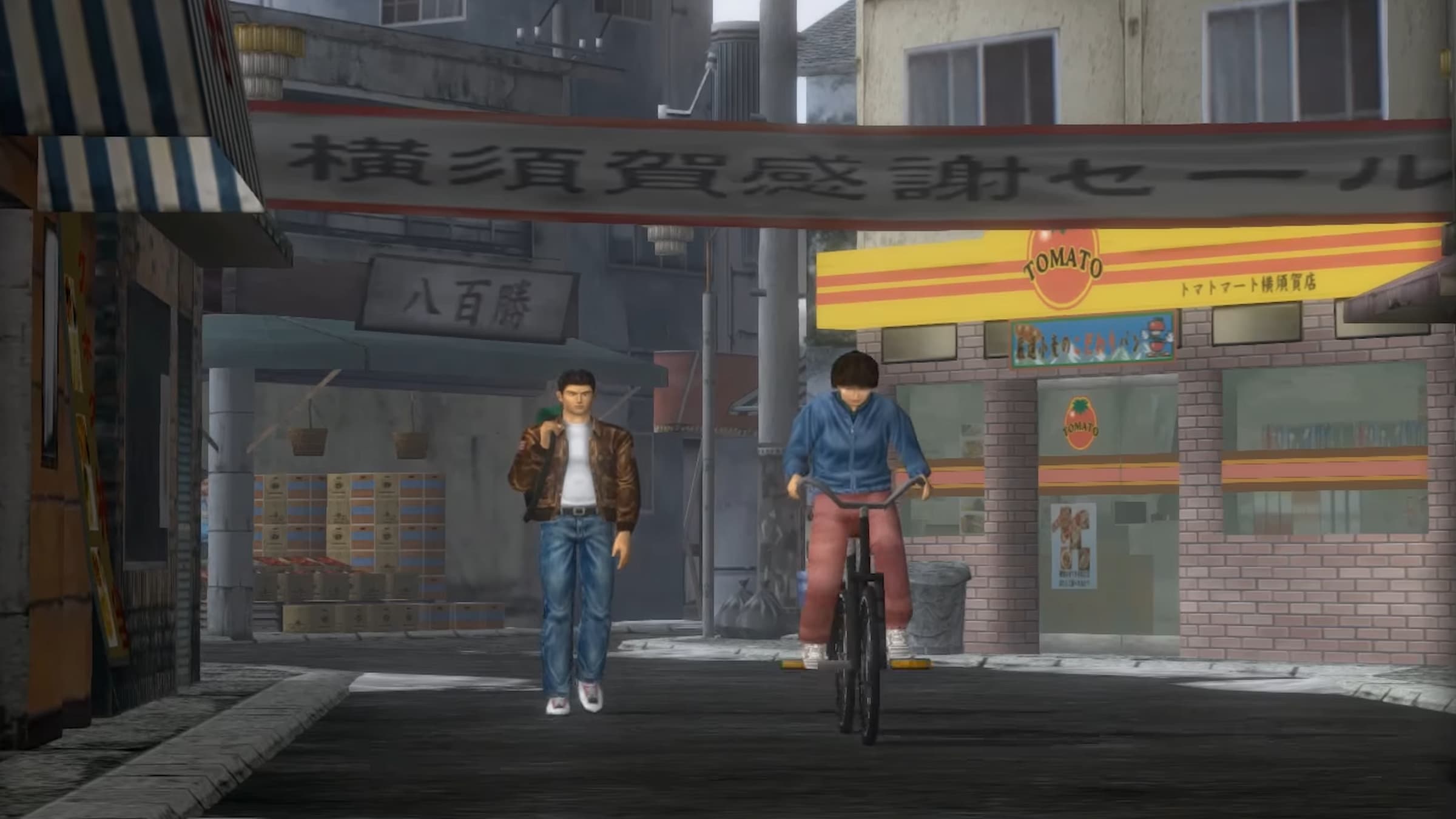
When *Shenmue* was released, Sega’s investment in both time and resources truly delivered. Both players and critics were amazed by its unique qualities. The game offered an unprecedented level of immersion and intimacy, setting it apart from everything else on the market. Players connected with Ryo Hazuki, the game’s protagonist, and were drawn into his compelling journey for revenge, which was full of both surprising twists and touching scenes. The game’s realistic portrayal of everyday life in 1980s Japan – from exploring the town to chatting with local shopkeepers – was particularly charming.
Sega designed a game that encouraged players to be patient and pay attention to details. This was a different approach than many other games at the time, which focused on fast action. Instead, it emphasized storytelling and immersive environments, making it surprisingly innovative. However, despite these strengths, some issues eventually led to the game’s decreasing popularity.
The Dreamcast’s biggest weakness was its hardware. The game *Shenmue*, while impressive, really highlighted just how limited the console was, especially when compared to the upcoming PlayStation 2. Additionally, gamers weren’t fully prepared for *Shenmue*’s slower, more cinematic style. Even games like *Final Fantasy VII*, which also used cinematic storytelling, kept a faster pace that proved more popular with players.
Ultimately, the game’s release timing led to its failure, and almost bankrupted Sega. While *Shenmue* sold around 1.2 million copies – a decent number for such a specialized game – it was only half of what Sega needed to break even, given the high production costs. This failure effectively ended the Dreamcast’s lifespan and led Sega to stop making consoles, focusing instead on developing games for other platforms.
The Legacy of a Shenmue’s Failure
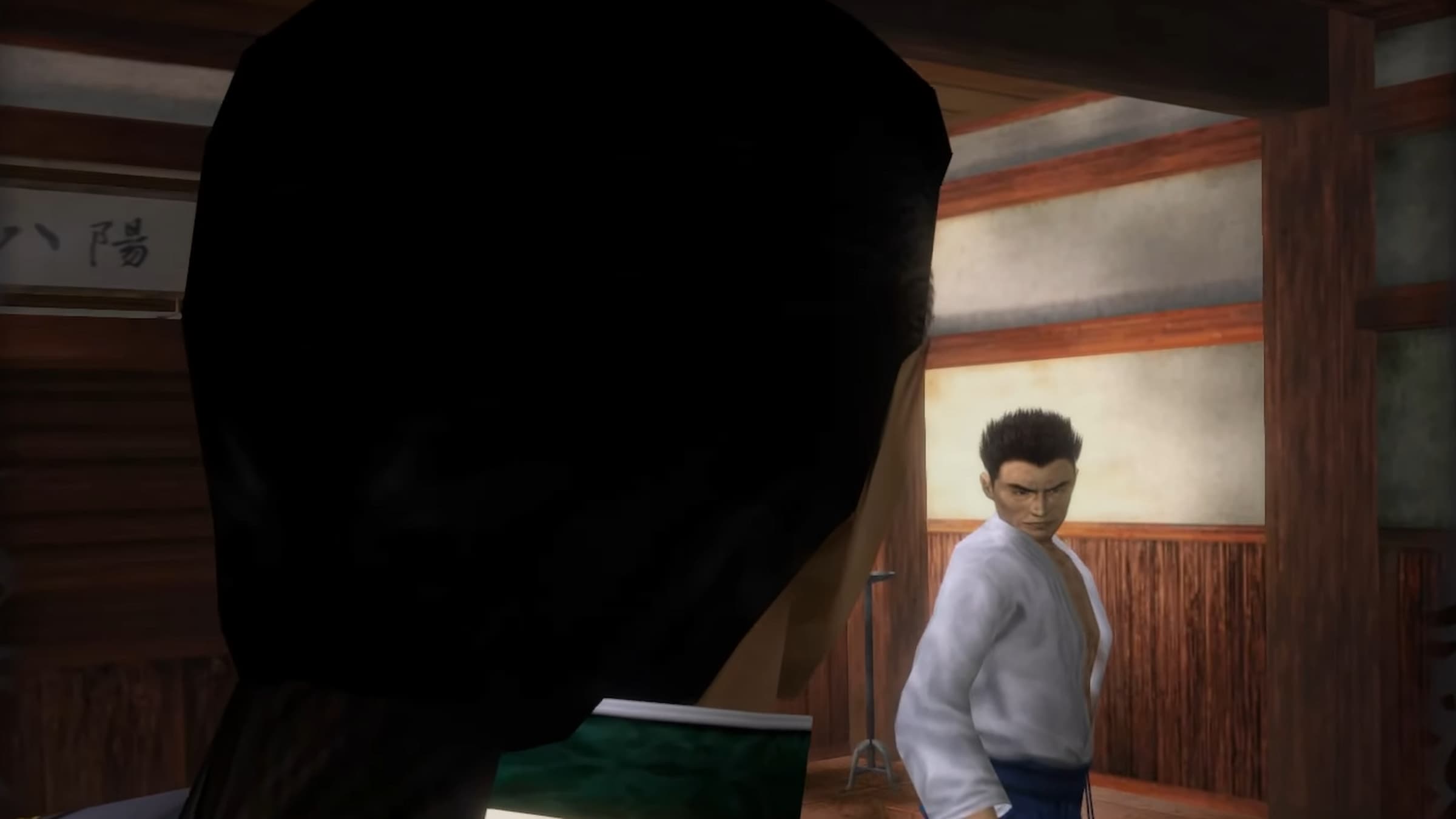
Although *Shenmue* wasn’t a commercial success, it was incredibly innovative and left a lasting mark on the gaming industry. It pioneered the idea of a living, breathing game world with detailed characters and environments, and its impact is still felt today. Games like *Yakuza*, *Persona 5*, *Grand Theft Auto V*, and *Red Dead Redemption 2* all owe a debt to *Shenmue*, particularly in how they create immersive open worlds.
Shenmue gained a dedicated fanbase and eventually led to two sequels, with the creator, Yu Suzuki, wanting to make even more games in the series. It wasn’t just a simple revenge story; it felt deeply personal and explored the realities of everyday life. The game was known for its slow pace, thoughtful design, and the beauty found in ordinary moments – these details were at the heart of what made it so beloved by players.
Sega’s biggest problem was pinning too much hope on *Shenmue*, particularly for the Dreamcast. If they had released it on the PlayStation 2 – which had more powerful hardware – both the game series and the company might be in a better position now. Alternatively, if Sega had scaled back the first game a bit, they could have fully brought Yu Suzuki’s vision to life on a future console.
Looking back over 25 years, *Shenmue* represents both the incredible possibilities and the risks of striving for something truly ambitious. Sega put all its resources into the game, a gamble that almost led to the company’s downfall. While *Shenmue* clearly had financial flaws, it’s important to recognize how different gaming would be today without such a bold move. In that sense, Sega’s risk ultimately proved worthwhile.
What do you think? Leave a comment below and join the conversation now in the ComicBook Forum!
Read More
- Gold Rate Forecast
- Guardians of the Globe Members We Want to See in Invincible Season 4
- One of Hulu’s Best New Shows Lands on Disney+ Ahead of Season 2
- Kelly Osbourne Slams “Disgusting” Comments on Her Appearance
- Dune 3 Gets the Huge Update Fans Have Been Waiting For
- ’90s Cartoon Reboot & TMNT Connection!
- Hideo Kojima Says He Was Never Told About The Matrix Creators Wanting Him to Make a Game
- Miss Super Sentai After Cancellation? Watch These 5 Anime to Fill the Void
- Homura Hime coming to Switch 2 in 2026
- Dolly Parton’s Husband Carl Dean’s Will Revealed After His Death
2025-10-09 18:14