
For over twenty years, Sony and Microsoft have been fierce rivals in the gaming console market. They’re constantly trying to outperform each other with great deals for players, appealing subscription services, and exclusive games you can only find on their consoles. This intense competition is generally good for gamers, as we benefit from the innovation and value. However, it also means choosing a side – sticking with one company’s system, accepting their rules, and playing with others on that same platform.
We’d largely accepted the limitations of playing games only with people on the same system, but cross-play has changed everything. Now, you can enjoy multiplayer games with friends regardless of what console they own. Recent games like *Senua’s Saga: Hellblade 2* and *Forza Horizon* are even appearing on both Xbox and PlayStation. This has led many fans to ask if it’s time for Xbox to share its biggest exclusive games and create a gaming world where platform doesn’t matter.
The simple answer – and the one most gamers would want to hear – is yes, it would be fantastic to have just one console, like the Xbox Series X or PlayStation 5, that could play all games. However, the reality is much more complicated. Understanding why requires looking at how these companies actually operate.
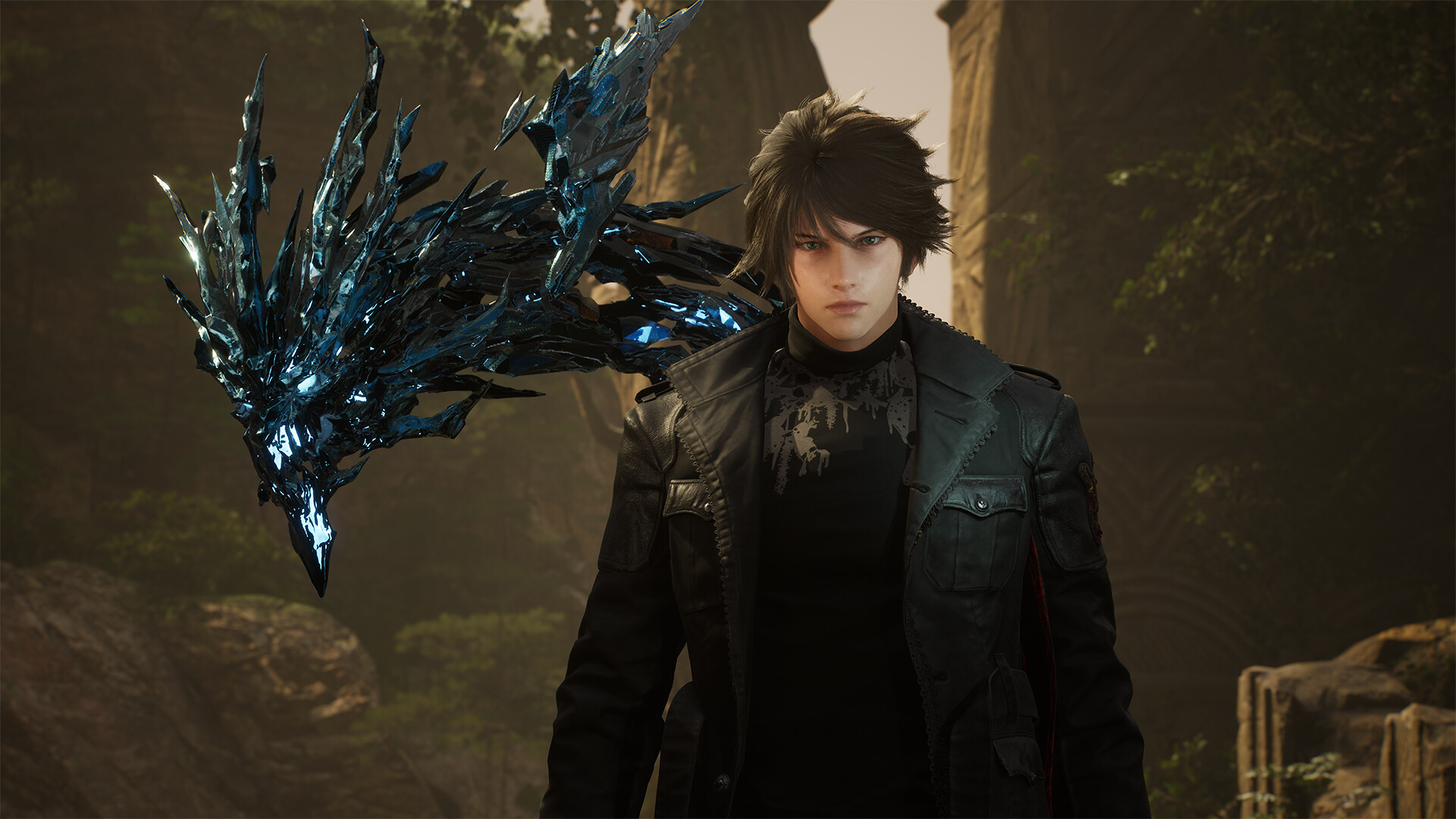
Think about a company like Microsoft creating a gaming console powerful enough to run cutting-edge games for the next 5 to 7 years, and selling it for just $500. Consoles like these are often sold at a loss, with the manufacturer making up the difference through profits from accessories, games, and exclusive subscription services. Therefore, it’s crucial for a company like Xbox to offer compelling games and services that keep customers engaged and invested in their platform – but recently, that’s been proving difficult.
Microsoft’s strategy worked well for most of the Xbox One’s lifespan, but it hasn’t paid off as expected with the current Xbox generation. Despite investments in Xbox Game Pass and acquiring companies like ZeniMax and Activision, they haven’t produced enough strong exclusive games. As a result, Sony is gaining more market share while Xbox struggles to compete. It’s becoming clear that Xbox is losing ground, and releasing games on multiple platforms appears to be a way to shift focus from making both hardware and games to just creating games.
It’s not uncommon for gaming companies to shift strategies when a console fails. Sega experienced this when the Dreamcast didn’t succeed, and they adopted similar measures to stay afloat. Although the outcome wasn’t perfect, Sega survived and continues to thrive by releasing popular franchises like Sonic on other platforms, ensuring the company remains relevant and its best games are still enjoyed.
Given its current position, it doesn’t really make good business sense for Sony to start releasing its games on Xbox. Sony is currently the leader in the gaming market, and its major game releases are consistently well-received by both critics and players, which keeps the company doing well. While Xbox offers its own games through Game Pass on day one, Sony can continue to sell its exclusive titles, like *God of War: Ragnarok* and *Horizon: Forbidden West*, at a higher price, and people are willing to pay it.
It might seem clear why Sony wouldn’t share its major exclusive games with other platforms, but there’s a good argument against that idea. Sony has already begun releasing popular titles like *God of War*, *Horizon*, and *Uncharted* on PC. This would have seemed impossible before, but it’s now happening, largely because the cost of making high-end games keeps increasing.
The increasing size of open-world games and the push for realistic graphics are dramatically raising development costs for major game companies like Sony and Microsoft. Today’s open-world titles can easily exceed $200 million to create, while even story-driven games are now costing over $100 million. When you factor in huge marketing expenses, it’s becoming much harder to make a significant profit, even if a game sells 20 million copies – a feat only truly achievable with exceptional, must-have titles, given that most console user bases are around 100 million players.
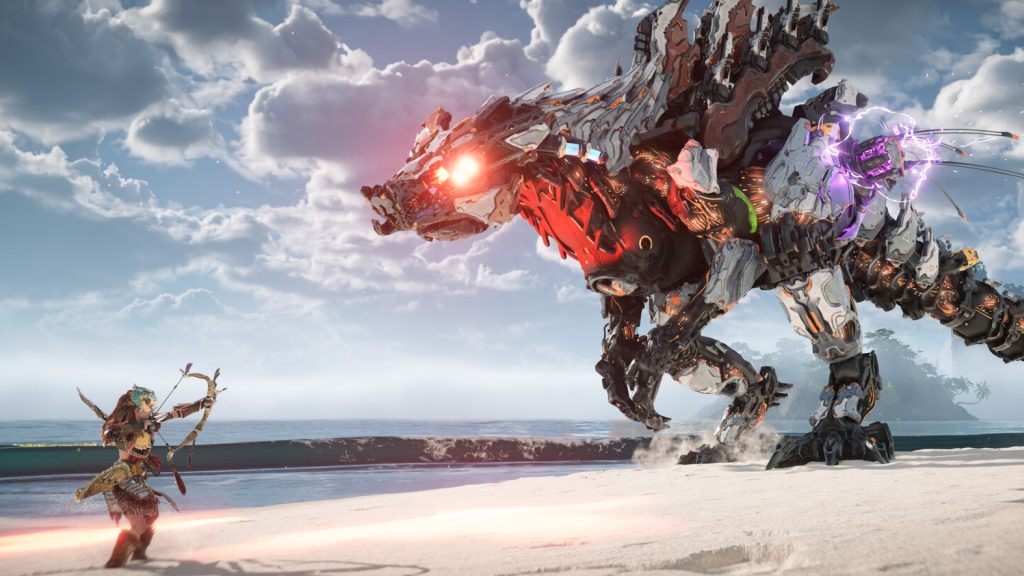
Sony is missing out on potential sales by keeping games exclusive to PlayStation, which is why we’re seeing more games released on PC as well. While Sony attempted to offset costs by raising prices to $70 – a move that caused considerable online discussion – this doesn’t seem to be enough to ensure long-term financial stability with their current approach.
Unlike Sony, Nintendo has consistently maintained its business model by carefully managing production costs for its own games, typically keeping them under $20-$30 million. This approach allows Nintendo to be firm about keeping its games exclusive to its platforms, which is especially important now that a single unsuccessful, expensive game could potentially close a studio.
Sony’s recent investment in Nixxess Software strongly suggested they would begin releasing their games on PC, and the PC versions of popular titles like *Spider-Man* and *Uncharted* confirm this is now a regular strategy. A logical next move for Sony to boost sales would be to bring their games to Xbox, but while it doesn’t seem likely in the next few years, it’s not impossible.
Given the current trends, we might soon see games like Horizon or Uncharted become available on Xbox. Developing games for both Xbox and PlayStation isn’t as difficult as it used to be, because the internal technology of both consoles is now very similar. Unlike the Xbox 360 and PlayStation 3, which used different core technologies, both current-generation consoles have been using the same x86 architecture for the past two generations. This makes it much easier to bring games to both platforms, as demonstrated by recent releases like Senua’s Saga and Forza Horizon 5.

This leaves us with a difficult decision regarding whether Sony should release its top games on Xbox. There are strong arguments both for and against it. While it might become more probable in the future, it’s not likely to happen right now.
As a PlayStation fan, I’ve been thinking about what Sony could do to adapt to the changing gaming landscape. It seems likely they’d follow a similar approach to how they release games on PC – a timed exclusive strategy. Basically, a new first-party PlayStation 5 game would stay exclusive for a couple of years, and *then* eventually come to Xbox or PC, maybe at the same time or a little later. This would let Sony keep people invested in the PlayStation ecosystem *and* still benefit from the bigger audience on other platforms – a win-win! Honestly, I’d love to see the whole industry move towards a future where games aren’t locked to just one system, and I think we’ll have a much better idea of where things are headed in the next few months and years.
Just so you know, the opinions in this article are the author’s own and don’t reflect the official stance of GamingBolt.
Read More
- The Super Mario Galaxy Movie: 50 Easter Eggs, References & Major Cameos Explained
- Sydney Sweeney’s The Housemaid 2 Sets Streaming Release Date
- 10 Best Free Games on Steam in 2026, Ranked
- Welcome to Demon School! Iruma-kun season 4 release schedule: When are new episodes on Crunchyroll?
- All 13 Smash Bros. Characters in the Super Mario Galaxy Movie
- Forza Horizon 6 ‘Prologue’ gameplay
- WTH?! Twitter Drops Fake Daredevil: Born Again Season 2 Spoilers as Character Return Confirmed
- Dune 3 Gets the Huge Update Fans Have Been Waiting For
- Highly Anticipated Strategy RPG Finally Sets Release Date (And It’s Soon)
- Why is Tech Jacket gender-swapped in Invincible season 4 and who voices her?
2025-09-18 17:45