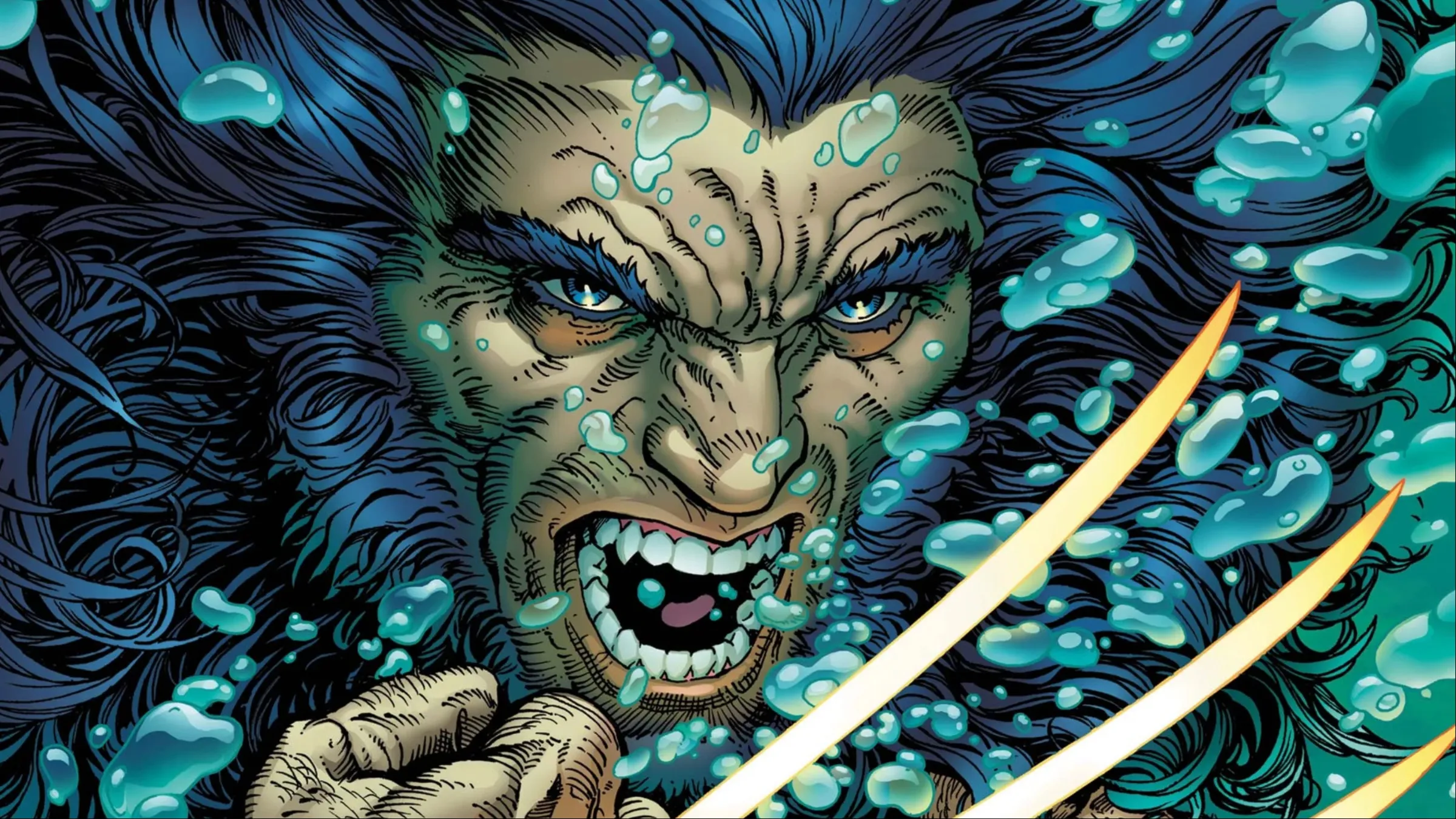
The 2010s were a period of significant shifts for Marvel Comics. In an attempt to attract new readers, the publisher began replacing many of its most famous characters with new iterations, hoping to offer fresh entry points into the Marvel Universe. However, this strategy wasn’t well-received. While some interesting stories and characters emerged, there was also a lot of disappointing content. Almost every major hero was either replaced or reimagined between 2012 and 2020, even those previously considered immortal, like Wolverine. He famously died in 2014’s Death of Wolverine, and was succeeded by his daughter, Laura, while an alternate version, Old Man Logan, was brought to the present to cater to fans who still wanted to read about Logan.
Wolverine is known as the best at what he does, so fans really missed him when he was gone. They eagerly awaited his return, which finally came in 2018 with the Return of Wolverine series (though most issues weren’t released until 2019 due to delays). However, the series didn’t make much of an impact, and for good reason—it wasn’t a very good comic. Considering Wolverine is one of Marvel’s most beloved characters, it’s surprising that his return was handled with such a disappointing story.
Return of Wolverine Was a Huge Mistake

To see why Return of Wolverine fell flat, you have to look back at Death of Wolverine. That story offered a very straightforward, almost surface-level, take on killing off Wolverine, essentially revisiting key moments from his life. It touched on his origins as a super-soldier, took him to places like Madripoor and Japan, and ultimately focused on the consequences of the Weapon X program. While all these elements have been used effectively in great Wolverine stories before, Death of Wolverine presented them in a predictable way, making for a decent but unremarkable comic. It was written by Charles Soule and featured beautiful art by Steve McNiven, and that combination, in a way, contributed to the problem.
Charles Soule was gaining recognition at DC Comics when Marvel signed him to an exclusive contract. He immediately began writing Wolverine, delivering a solid, if unremarkable, story (creator Len Wein later shared that Marvel had initially hoped Grant Morrison would write the character, which many believe would have been exceptional). Soule followed this with The Logan Legacy and Wolverines, neither of which were particularly well-received. He later launched Hunt for Wolverine #1, which spawned four separate miniseries – Weapon Lost, Claws of a Killer, Dead Ends, and The Adamantium Agenda – with Soule writing Weapon Lost. Unfortunately, none of these stories are considered particularly strong.
The artwork in Return of Wolverine is truly stunning, thanks to the talents of McNiven and Declan Shalvey. McNiven’s work on the first and last issues clearly pays homage to Barry Windsor-Smith’s style from Weapon X, and it looks incredible. Shalvey’s dynamic and detailed style perfectly complements the middle chapters. This is a book best enjoyed by simply flipping through the pages and appreciating the visuals. Unfortunately, the story itself is where the book falls short.
In Soule’s story, a shadowy group called Soteira brings Wolverine back to life, wipes his memory, and tries to manipulate him into building an undead army led by their leader, Persephone, who has mutant powers. While the story relied on familiar Wolverine themes, it presented them in a predictable and uninspired way. The only unique element was the introduction of ‘hot claws’ – the ability to superheat his claws, which triggered a furious rage but disabled his healing ability. This addition felt strange, considering his claws were already capable of cutting through any material.
The storyline ‘Return of Wolverine’ disregarded years of established character development, bringing the character back in a disappointing way. Despite being a hugely popular character, it felt like the publisher prioritized sales from loyal fans over a well-crafted story. The story received immediate criticism, and subsequent writers have largely ignored it. Only ‘Wolverine and the Infinite Watch’ briefly acknowledged the plot, but by the time he appeared in ‘Uncanny X-Men’ (Vol. 5), the entire story arc had been effectively erased from continuity.
Wolverine Fans Deserved Better
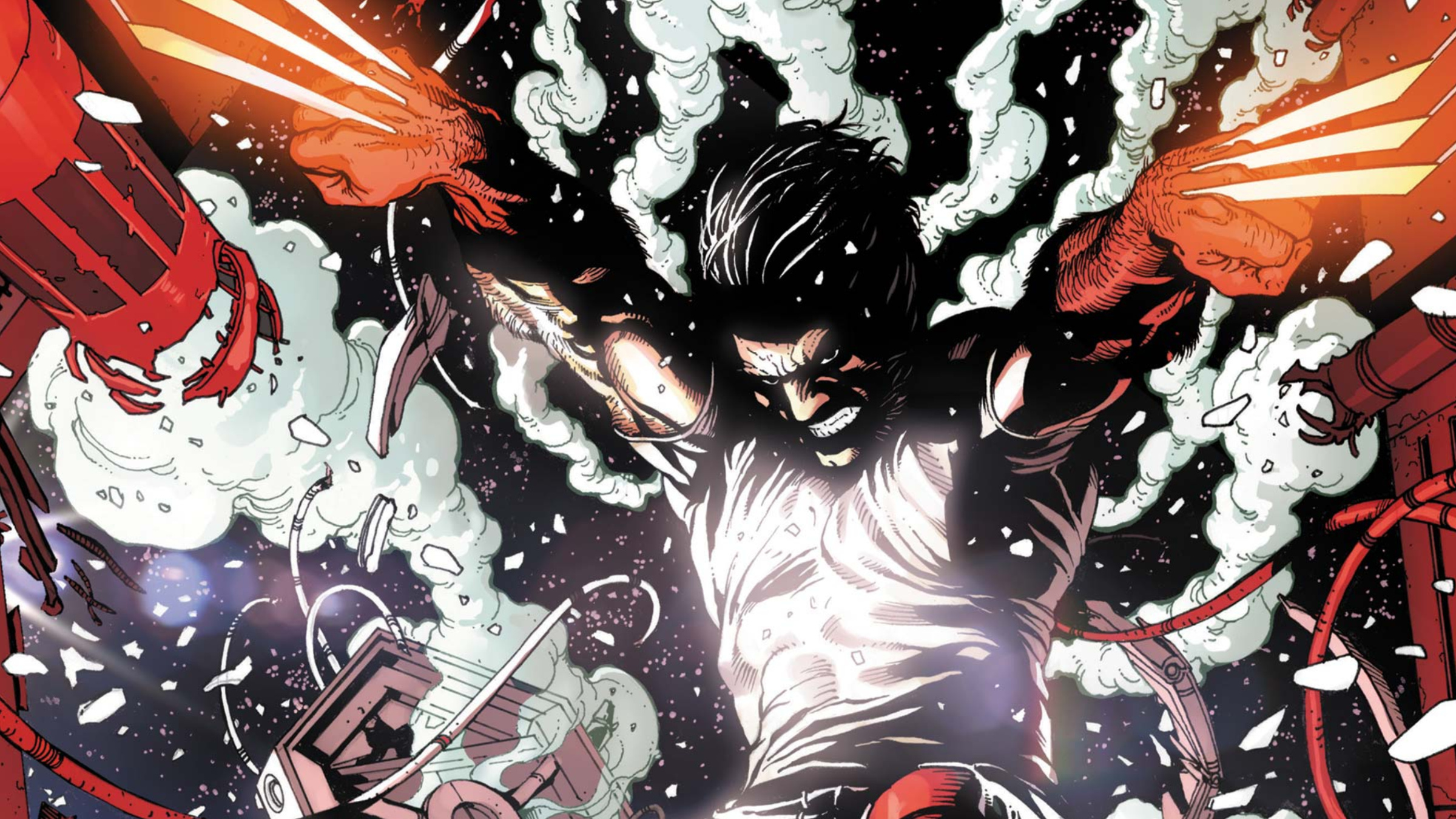
Popular heroes often experience temporary deaths in comics, and Wolverine is no exception – fans have seen him ‘die’ and return multiple times over the decades. Despite being promoted as huge events, these deaths haven’t had much lasting impact. It feels like Wolverine was killed off primarily to weaken the X-Men and promote the Inhumans. Marvel likely didn’t want their most popular character overshadowing the Inhumans and potentially hindering that storyline’s success.
As a huge Wolverine fan, I was really disappointed with Return of Wolverine. He’s such a popular character, and his return should have been incredible. While the writer, Charles Soule, has improved, he’s better known for his Star Wars work than for superheroes. Ultimately, the story didn’t capture what fans loved about Wolverine after all these years. It felt like the publisher was just trying to capitalize on his return, and the result was a book that didn’t resonate with anyone, even when it first came out.
Most iconic superheroes have experienced death as part of their stories – think Superman, Captain America, and Spider-Man – and these moments, while sad, often lead to satisfying returns. Wolverine is as popular as those heroes, but his recent return felt disappointing. Marvel had a chance to create something truly special, but unfortunately, the story didn’t resonate with fans and felt like a missed opportunity.
https://comicbook.com/comics/list/wolverines-10-coolest-partners/embed/#
Read More
- What Song Is In The New Supergirl Trailer (& What It Means For The DC Movie)
- Highly Anticipated Strategy RPG Finally Sets Release Date (And It’s Soon)
- Dune 3 Gets the Huge Update Fans Have Been Waiting For
- TV legend Carol Kirkwood reveals the reasons why she decided to retire after 28 years with BBC
- Crimson Desert is a “Cynical Amalgamation of Borrowed Mechanics,” Says Larian’s Publishing Director
- 49 Years Ago Today, Movie History Was Changed by a Film You’ve Never Even Seen
- Jaleco Sports: Bases Loaded II announced for PS5, Switch; now available
- Digimon Is Getting a New RPG in 2026 (And You Probably Missed It)
- Kanye West’s Wife Bianca Censori Details New Marriage Milestone
- Beyond the Horizon: Unveiling the Holographic Universe
2025-10-30 21:42