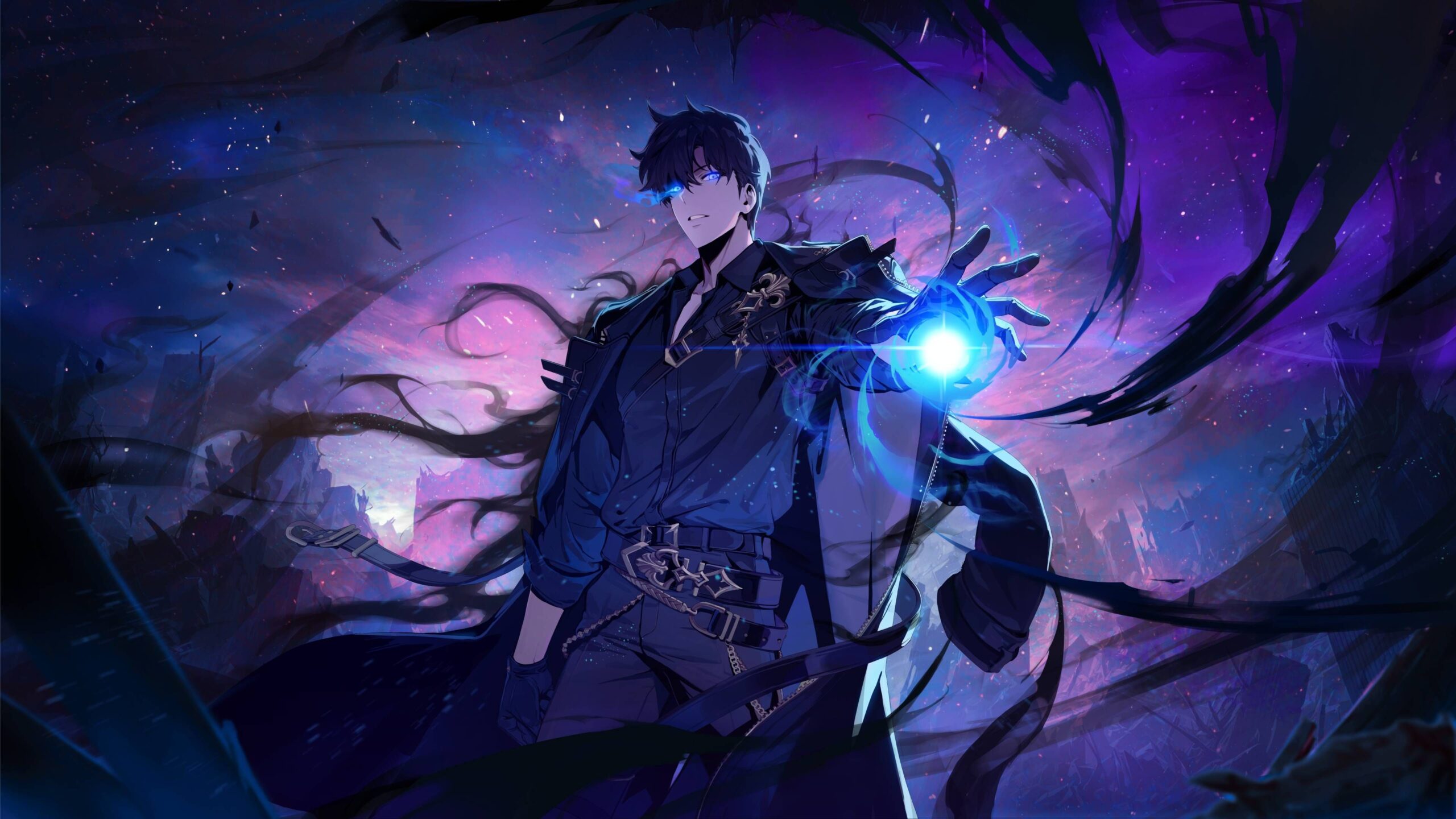
I’ve been checking out the Steam reviews for Solo Leveling: Arise Overdrive, and even though it’s ‘Mostly Positive,’ a lot of us are saying the same thing: it has so much potential! We’re really hoping they add an offline mode – it feels a bit unfinished being always online. Plus, the weapon upgrades could use some work, and it would be awesome to have party chat. Honestly, we’re wishing for more freedom to explore, and a smoother experience with less lag. It’d also be great to connect with the characters in a more natural way, you know, beyond just the story.
Unfortunately, it’s lacking in many areas and isn’t very impressive overall.
Okay, so Netmarble Neo – the folks behind that Game of Thrones mobile game (which wasn’t great, trust me) – are saying this new Solo Leveling game is totally different from Solo Leveling: Arise. And they’re right, technically. Arise was free-to-play but super aggressive with its microtransactions – honestly, it made even the gacha games from HoYoverse seem generous! This one? It costs 40 bucks upfront. Which, for what you actually get, feels pretty steep. But here’s the weird part: underneath it all, it’s basically the same game. Same fighting style, same visual hiccups, same characters, and even that *Destinylike central hub. It’s just… a paid version of a lot of the same stuff.
There are a few changes, like one fight now being shown as a cutscene, which is a bit funny. However, if you didn’t enjoy Arise, you likely won’t enjoy this game either. And if you’re looking for an anime-style action game, you’ll probably find things to dislike about Overdrive, just like I did.
Sometimes, you’ll switch to controlling your companions directly, leaving Jinwoo out of the action, and the gameplay becomes noticeably awkward. These sections are unavoidable, though thankfully they don’t happen too often. After finishing a number of simple, repetitive side quests, you’ll finally be able to continue with the main story.
In the world of Solo Leveling, powerful Hunters protect humanity from monsters emerging through mysterious Gates. Sung Jinwoo is considered the weakest Hunter, and finds himself in a dangerous situation when a mission goes wrong. Though not his fault, he’s left for dead, but unexpectedly receives a second chance thanks to a powerful System that begins to enhance his abilities.
Okay, so I’m totally hooked on this series, but I keep asking myself, ‘Who is this guy?’ and ‘What’s his deal?’ Seriously, how did he get those abs so fast?! I’ve read the whole manhwa it’s based on, and I’m trying not to spoil anything, but the anime, Arise Overdrive, does a pretty good job of following the story. They even use panels straight from the manhwa sometimes to keep things moving, which is… interesting!
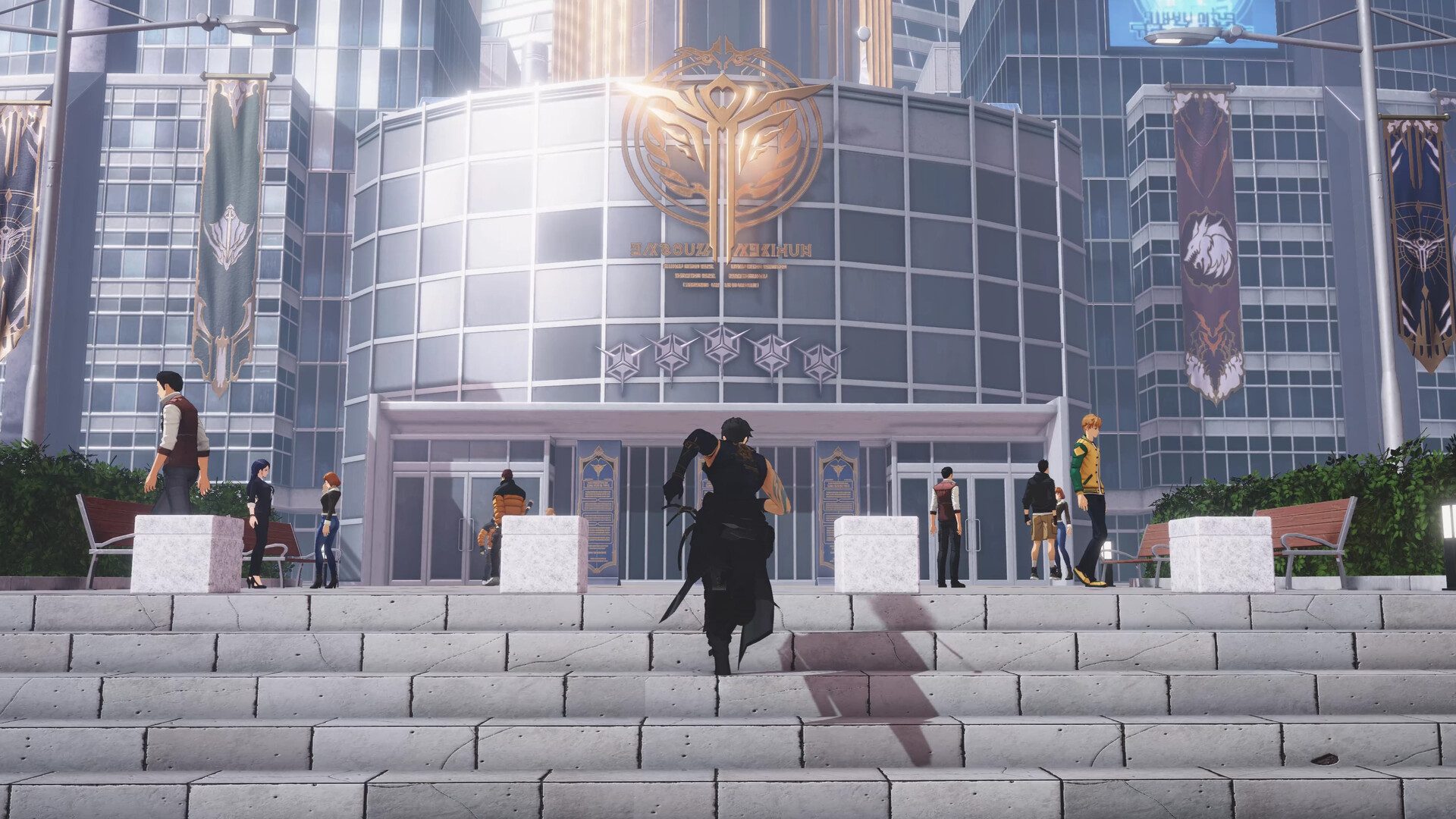
The story’s rhythm feels off after the initial reveal. Suddenly, you’re customizing Jinwoo’s abilities and he’s joining the Hunter’s Association. This unlocks a base of operations where you can accept missions, interact with generic NPCs, craft equipment, and manage teams to complete those missions.
It seems you’ve forgotten something from the story, but that’s understandable. You’re not really experiencing a vast world; instead, you’re just completing small, disconnected tasks that barely feel like proper missions. Other games have tried this approach before, but when Arise first came out, most others were already moving beyond it. It felt outdated over a year ago, and unfortunately, it’s still the same today.
The game features various missions. Some are smaller outposts with enemies and a boss to defeat, while others are larger dungeon incursions with – you guessed it – enemies and a boss. You’ll get rewards the first time you complete a mission, and you can increase the difficulty for better loot, though that’s challenging if you’re under-leveled. Most missions can be played solo with the help of companions who offer support, and sometimes even fight with you, or you can team up with other players in co-op.
Sometimes, you’ll directly control your companions while Jinwoo isn’t present, and the gameplay becomes awkward. These sections are unavoidable, but thankfully they don’t happen too often. After completing a number of simple, repetitive side quests, you’ll be able to continue with the main story.
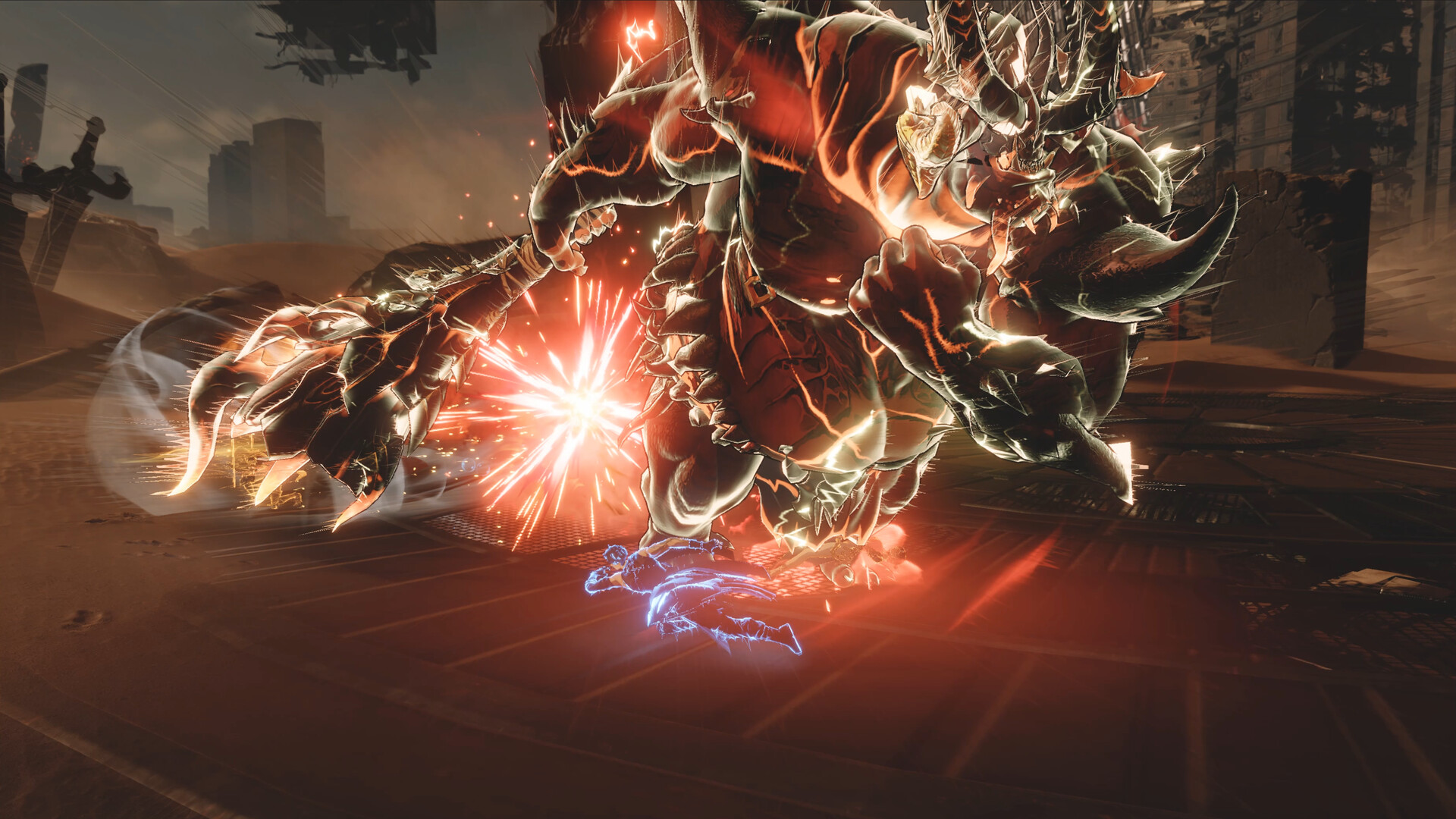
Okay, so the combat is really unique. What I quickly figured out – and it’s something you’ll be doing constantly – is that you basically chain abilities together. You activate the ability tied to the weapon you’re holding, then immediately use the weapon’s own special attack, and then quickly switch to your other weapon to repeat the process. It sounds simple, but it becomes super ingrained in how you play!
Despite some criticisms, Solo Leveling is well-paced and visually impressive, with exciting fights that look fantastic. However, translating this to a game proved difficult for Netmarble Neo, who unfortunately resorted to unnecessarily extending levels, hurting both the story’s believability and the player’s enjoyment.
The game relies heavily on repeating the same enemy encounters and mini-bosses across similar, narrow levels. Story missions often string these stages together, meaning you might face the same boss repeatedly. In one particularly frustrating instance, I had to defeat the same goblin mage five times in a row – even a seasoned pro like Booker T. would probably give up at that point!
Dying during that section means starting over from the beginning, though you do keep any levels you’ve earned. However, repeating the same challenges, whether you’re playing on Normal or Hard, can be incredibly frustrating and repetitive.
You’ve likely noticed the combat system and are starting to form an opinion, but like most things in this game, it’s more complicated than it appears.
If you can accept that Jinwoo uses a variety of weapons – guns, swords, spears, bows, and crossbows – you’ll find the combat feels really good. Dodging is quick and reliable, and while the timing for parrying is forgiving, it works well. Many of the attacks look great, with cool animations and special effects, including one that’s clearly inspired by a famous move. You can also gather enemies and then create a powerful explosion. The elemental effects are visually impressive, and seeing effects like burning or freezing combine with another status ailment felt particularly satisfying.
The combat system is initially quite repetitive. You’ll quickly find yourself using a specific sequence: activate abilities linked to your equipped weapon, then use the weapon’s special ability, and immediately switch to your other weapon to repeat the process. This cycle continues endlessly, often until you’re desperate for a change of pace – which usually comes in the form of a quick-time event or a powerful ultimate attack.
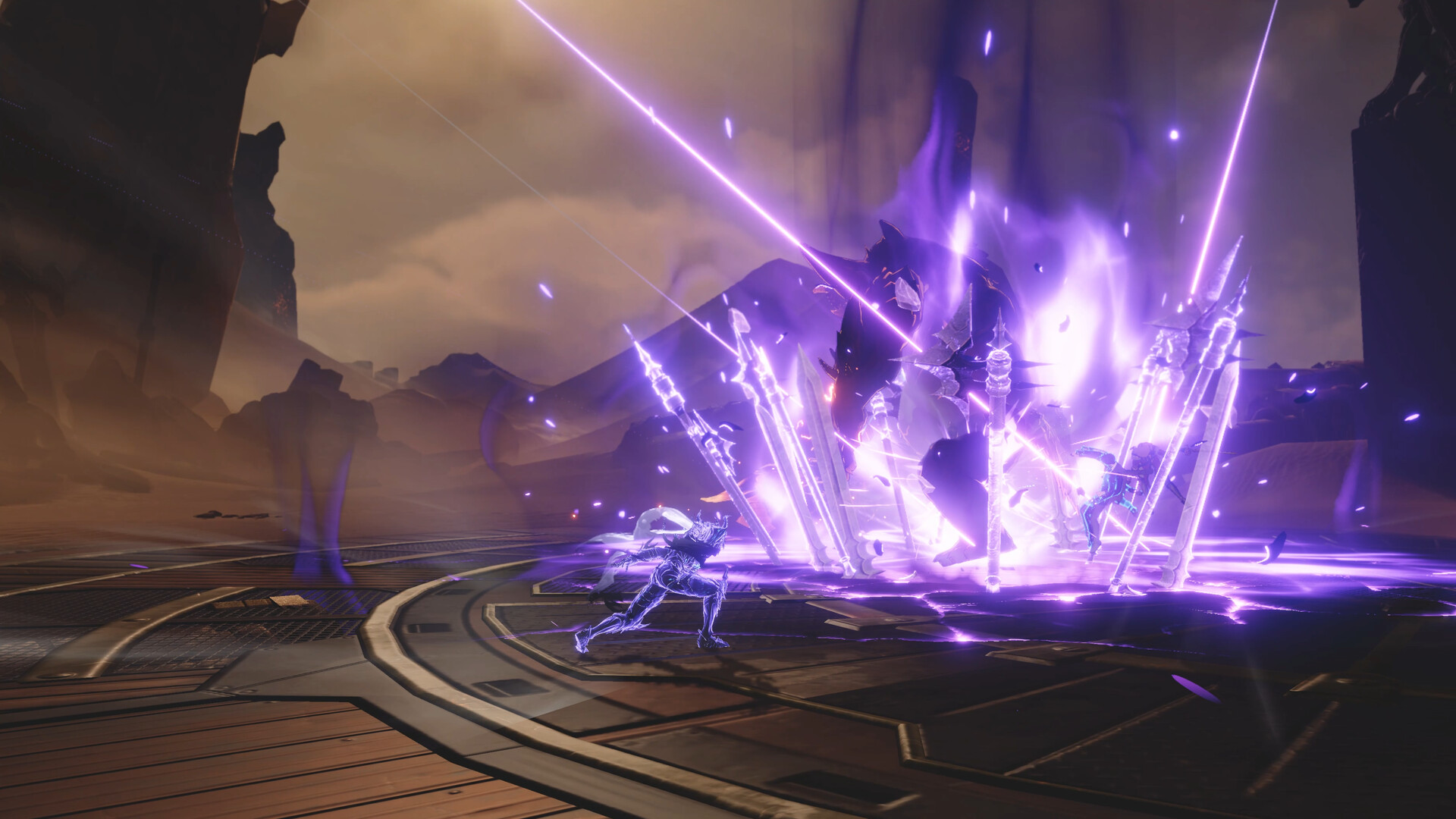
Even with powerful abilities and a cool appearance, I barely do any damage to enemies just one level above me, even when attacking from behind. Luckily, most of my attacks cause damage over time, which lasts a long time and can build up for even more effect.
Most boss battles, whether major or minor, follow a similar frustrating pattern. While briefly stunning enemies with a powerful kick is a cool mechanic, repeatedly pressing a button to activate it feels awkward. Beyond that, many bosses reappear too often and have excessive health, leading to repetitive combat where you just endlessly attack and switch between skills.
Even with powerful abilities and a cool appearance, I barely make a dent against enemies just one level higher. Luckily, most of my attacks cause damage over time, which lasts a long time and can build up for even more effect.
If this sounds repetitive, that’s because it is. The game’s weapon crafting is heavily inspired by Monster Hunter. Each weapon has several variations, and once you create a base weapon, you can upgrade it to be even more powerful. You’ll often need to fight the same enemies repeatedly to get the necessary parts, but unfortunately, the chances of those enemies dropping what you need are even lower than in Monster Hunter.
Crafting isn’t really worthwhile until you’re well into the game. The items you get from missions aren’t great, and follow the typical Destiny pattern – better items are rare, but usually have slightly better stats than what you already have. This means you’ll likely just swap out gear constantly. You’ll probably end up replaying missions or doing repetitive side quests just to level up. Not exactly exciting.
Beyond these major issues, Arise Overdrive is filled with frustrating details. It requires a lot of grinding to improve your companions and their gear, but resources are scarce. The constant loading screens when talking to NPCs to earn in-game currency are annoying, and the menus feel slow and clunky due to input lag and poor design. Visually, the game suffers from a short draw distance, making anything far away blurry, and the frame rate drops significantly in areas with trees or other foliage. To top it off, there are bizarre glitches, like Jinwoo’s character model partially disappearing during his ultimate ability.
Even if you like the action or seeing moments come to life, Solo Leveling: Arise Overdrive feels too repetitive, lacks heart, and relies too much on tedious grinding to be truly enjoyable. You’re better off revisiting the original manhwa or anime instead of spending your time on this game.
The camera was really unstable during the Shadow Trial mage fights, making it hard to stay focused and avoid getting knocked around. The targeting system itself is also problematic, especially when trying to escape area-of-effect attacks. I also received a ridiculous number of the same weapon – a halberd – as a quest reward. It would have been much better to get a variety of different weapons and gear. The scrolling felt awkward, like it was designed for a touchscreen instead of a mouse wheel. The cutscenes sometimes looked quite poor, though it’s debatable if that’s worse than the stuttering during real-time scenes. On a positive note, the game does allow you to pause during combat, which is a feature I didn’t realize I’d value until playing much later games.
The biggest problem with this game is how it drains all the excitement from Solo Leveling. While we could point out familiar tropes, the original series always made me eager to see what challenges Jinwoo would overcome next. But with Arise Overdrive, I actually dread starting each new mission. Knowing the story almost ruins the experience, because I know a mission won’t truly end until a specific boss is defeated, and the game seems to intentionally delay that fight as much as possible.
Honestly, what really bugs me is how much the game changes things from the original story, and not in a good way. Take the build-up to the Igris fight – it just feels like running through a bunch of enemies instead of a real, challenging struggle. And it’s weird because the game keeps telling you Jinwoo can’t heal and potions are useless, but then they totally work! They made scavenging for better gear pointless too – it feels like you’re just going through the motions for a cutscene, not actually improving your chances. The worst part? They take away control during some of the coolest moments and just show you what happens like it’s the manhwa – it feels so disconnected!
Even if you like the action or seeing moments come to life, Solo Leveling: Arise Overdrive feels too repetitive and lacks heart, making it a chore to play. You’d be better off revisiting the original manhwa or anime. It’s hardly worth playing even if it were free, and definitely not worth the $40 price tag – you can find much better games for that money.
This game was reviewed on PC.
Read More
- What Song Is In The New Supergirl Trailer (& What It Means For The DC Movie)
- TV legend Carol Kirkwood reveals the reasons why she decided to retire after 28 years with BBC
- Highly Anticipated Strategy RPG Finally Sets Release Date (And It’s Soon)
- Dune 3 Gets the Huge Update Fans Have Been Waiting For
- Way of the Hunter 2 adds PS5, Xbox Series versions
- The Most Surreal Moments From the O.J. Simpson Murder Trial
- Grab These Resident Evil PSN Avatars for Free This Month
- Gold’s March Madness: Plumbing, Panic, and Polish Central Banks
- Whales, Channels, and the Inevitable Dance of Folly
- The War Film Harrison Ford Completely Disowned Finally Returns to Streaming – “A Terrible Experience”
2025-12-01 21:44