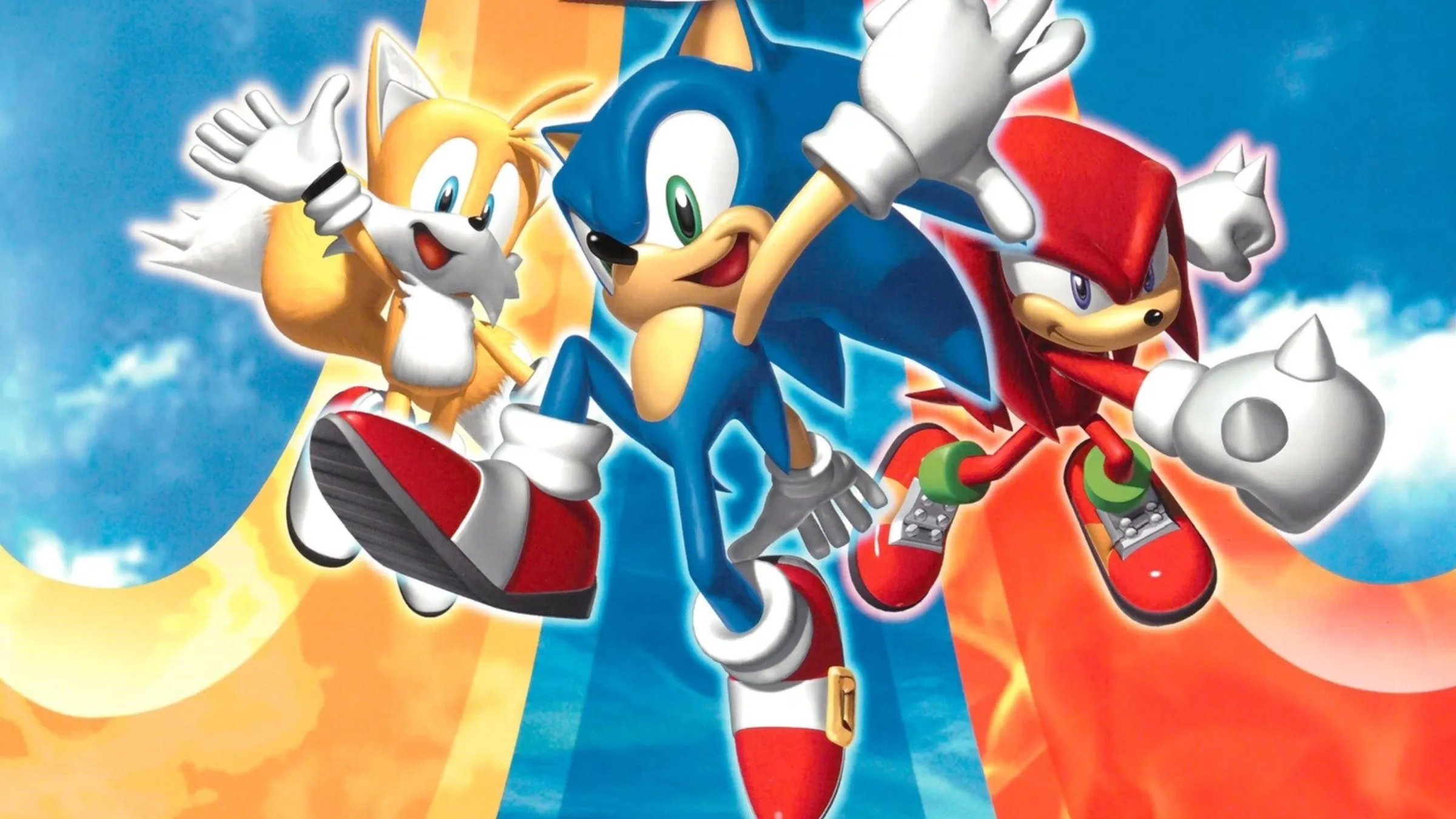
The Sonic the Hedgehog series has had a remarkably up-and-down history. It started as a competitor to Mario, helping Sega become a major player in the gaming world. While the series thrived with classic 2D games, it struggled when it tried to move beyond that traditional style. Since then, there have been both excellent Sonic games and some poorly received ones, threatening the character’s long-term reputation.
A good example of this contrast is Sonic Heroes, released for the GameCube 22 years ago. The game built upon the strengths of earlier titles and benefited from Sega no longer focusing solely on making its own consoles, allowing players on all three major consoles of the sixth generation to experience Sonic’s speed. However, a significant development issue led to overworked staff, subpar versions of the game on different platforms, and gameplay that, while commercially successful, didn’t receive the critical acclaim it might have with a smoother production process.
Sonic Heroes Was A Wildly Ambitious Entry In The Series
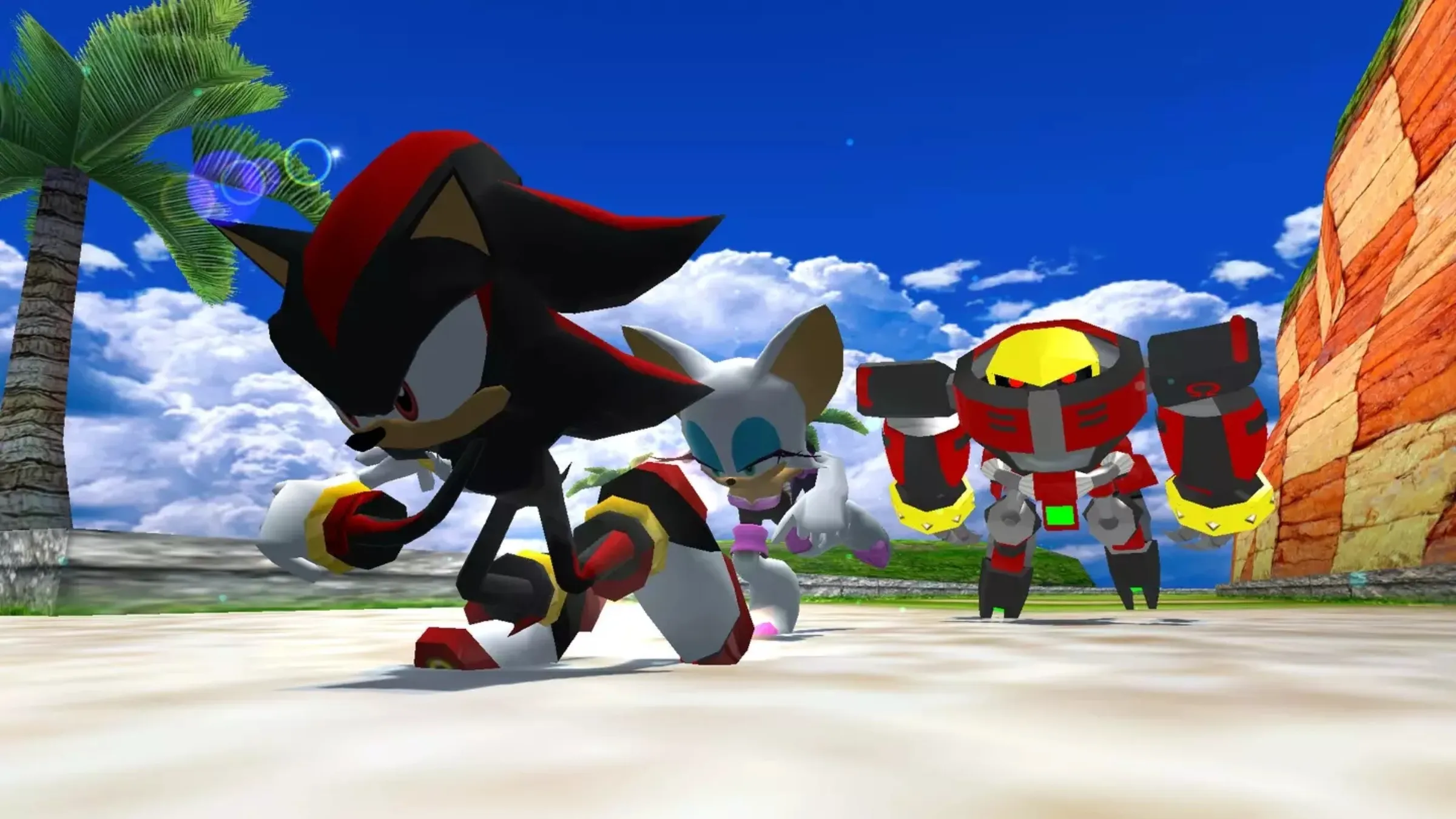
Sonic Heroes had a strong concept, but a poor release strategy hurt the game. The main idea was to let players control three characters at a time through four different campaigns (Team Sonic, Team Dark, Team Rose, and Team Chaotix). Although the levels were generally the same, each team offered a unique experience with varying difficulty and objectives. The story was designed to unfold fully only if players completed all four campaigns, as they were interconnected and built upon each other.
Compared to the complicated stories in later Sonic Adventure games, Sonic Heroes had a simple plot: Sonic and his friends battling Dr. Eggman, culminating in a big fight with a more powerful Metal Sonic. The game was designed to recapture the fast-paced, direct gameplay of the original Sonic games on the Sega Genesis. This was a good idea because it kept the focus on fun gameplay and prevented the story from becoming overwhelming.
Sega used this game to showcase characters beyond just Sonic, even reviving fan favorites like Espio, Vector, and Charmy. Switching between three playable characters added variety to the gameplay, as certain paths and areas were only accessible depending on who was leading. The game was a commercial success, selling over 3.4 million copies worldwide by March 2007, though reviews were mixed, and for understandable reasons.
Why Sonic Heroes’ Big Multiplatform Push Hurt It
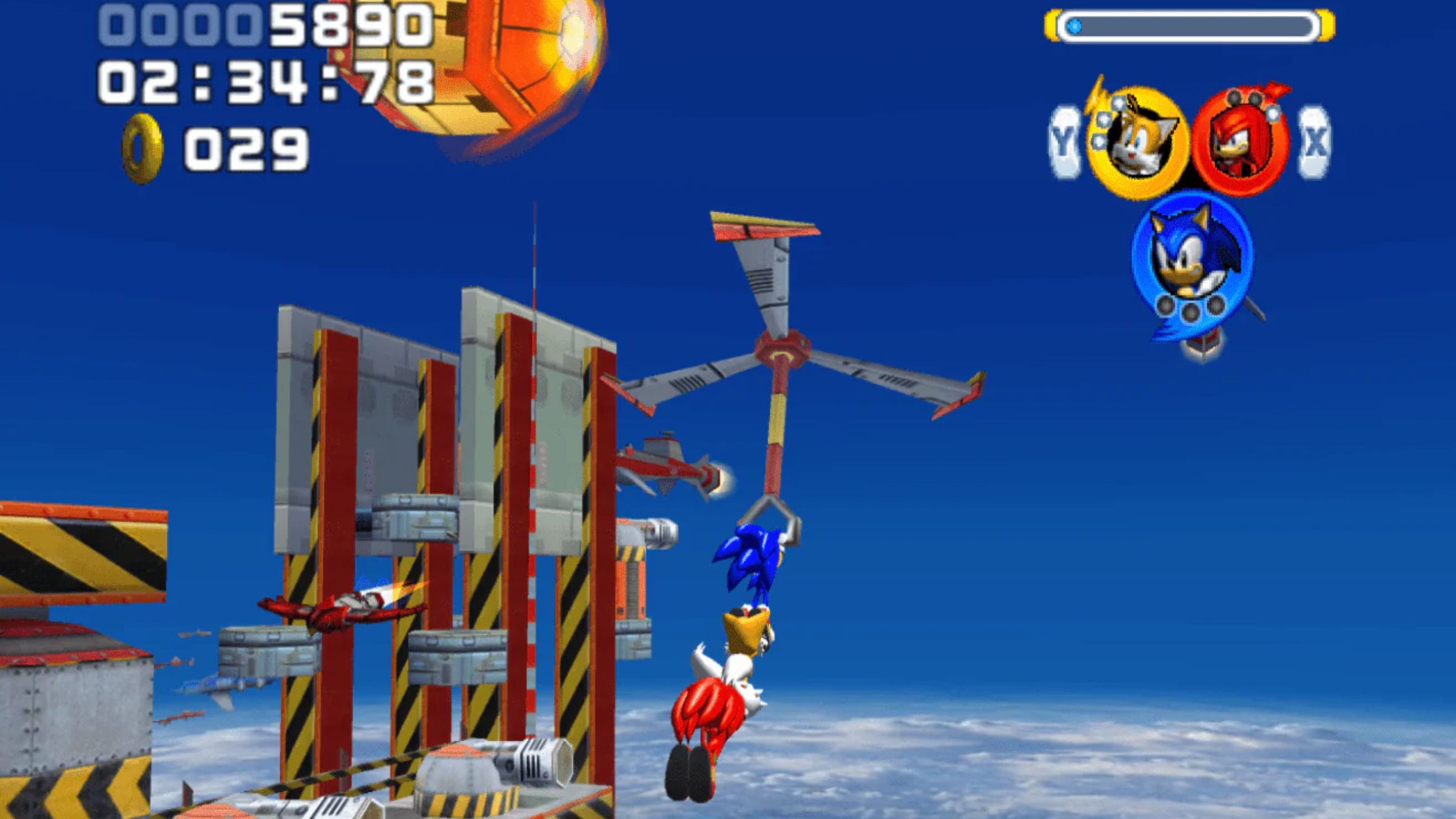
Creating Sonic Heroes was a difficult process for Sonic Team USA. Strict deadlines created a chain reaction of problems that hurt the game’s development. Although the team had worked on previous Sonic games like the Adventure titles, trying to make a faster-paced action game was made harder by the limited time and the decision to release it on several consoles. Sonic Heroes was the first game in the series designed for multiple platforms, launching initially on GameCube before being released on PlayStation 2 and Xbox during the competitive sixth generation of consoles.
As a big fan, I always felt like something was a little off with the PlayStation 2 version of the game, and learning about the development process explains why! The team knew the GameCube inside and out, but the PS2 and Xbox were a real struggle. Apparently, even though the content was the same across all versions, the PS2 couldn’t handle the game running at a smooth frame rate without crashing. Plus, they were on a super tight schedule, which meant they didn’t have time to polish the gameplay as much as they wanted. I remember the camera being really wonky and the controls feeling clunky – teammates often messed up because of the bad AI and awkward layout. It got so bad that the Game Director, Takashi Iizuka, actually had to design a lot of the levels himself, and he ended up losing 22 pounds from the stress of it all! It’s crazy to think about the effort they put in, even with all those hurdles.
The game was rushed to release, partly to coincide with a McDonald’s promotion and the premiere of the Sonic X anime. This meant testers could only focus on bugs that completely stopped the game from working. Other, less severe glitches and errors were accepted to meet the deadline. Reviews at the time showed this – while people liked the bright graphics and fast action, many criticized the PlayStation 2 version for issues like objects appearing incorrectly, general glitches, and a poor frame rate.
Looking back, Sonic Heroes really shows how much pressure and tight deadlines can hurt a game’s development. The game had a lot going for it – it aimed to blend updated graphics and gameplay with the classic Sonic speed and energy that fans had been missing. But the developers didn’t get enough extra help, and rushing to finish on time resulted in a game that, while promising, ultimately fell short of its potential and contained several flaws. Sonic Heroes had the ingredients to be a standout title in the series, but unfortunately didn’t quite live up to expectations.
Read More
- What Song Is In The New Supergirl Trailer (& What It Means For The DC Movie)
- Gold Rate Forecast
- Eurogamer Gives ARC Raiders 2/5 Over AI Voices, Dropping Metacritic Score from 94 to 84
- Crimson Desert – 15 Things I Wish I Knew Before Diving In
- How to Get the Bloodfeather Set in Enshrouded
- Han Solo’s Most Confusing Line in The Empire Strikes Back Isn’t “I Know”
- Steve Rogers’ Return Means the MCU Can Finally Solve Avengers: Endgame’s Last Mystery
- This One Stranger Things Theory Explains a 9-Year-Old Season 1 Mystery, Sets Up the Finale, & is the Key to Future Spinoffs
- 7 Classic TV Shows With Criminally Low Rotten Tomatoes Scores
- Homura Hime coming to Switch 2 in 2026
2026-01-06 01:45