
When Mr. Spock first appeared in Star Trek: The Original Series in 1966, viewers had no idea they were meeting a character who would become a television icon. Known for his pointed ears, raised eyebrows, and calm, logical personality – so much so that we now use the term ‘Spock-like’ to describe someone – Leonard Nimoy’s Vulcan has been a fan favorite for almost 60 years. However, it’s surprising to learn how different Spock’s appearance almost was!
Spock’s distinct look – including his pointed ears and unusual haircut – immediately marked him as an alien, though he remained relatable to audiences. Interestingly, this careful balance between alien and human qualities came about because of a late change in the show’s design. Had it not been made, Star Trek might have failed before it even began. Originally, Spock was intended to have red skin, not green.
The Conundrum: Making Spock Obviously Alien
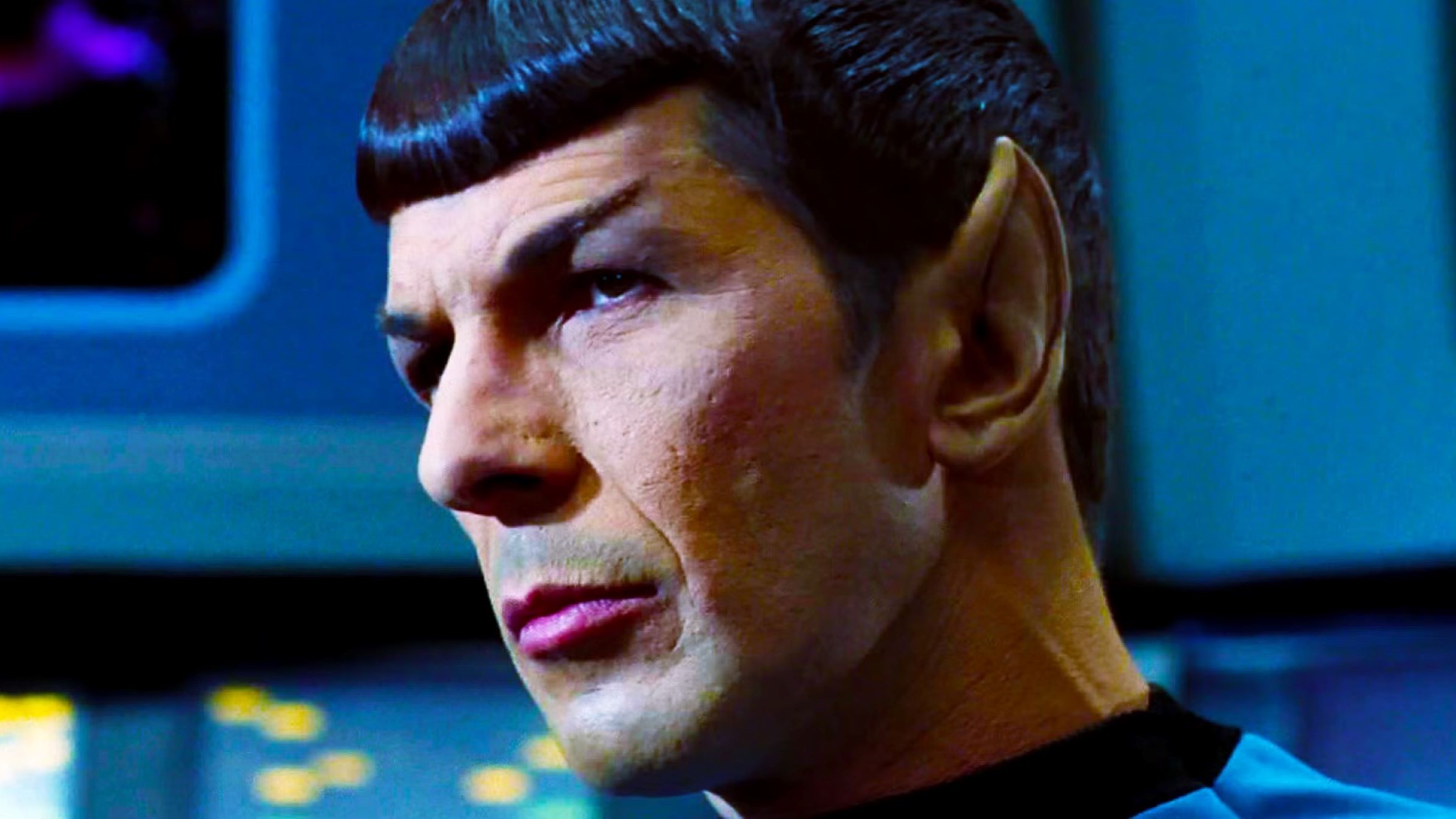
You heard right – Spock, famously called the ‘green-blooded hobgoblin’ by Dr. McCoy, almost had red blood! In the early, uncertain days of Star Trek, when the show’s success was on the line, Gene Roddenberry and his team faced a key challenge: how to show viewers that Vulcans were alien without spending a lot of money. There weren’t many science fiction shows to draw inspiration from back then, so they needed a simple, effective visual cue.
Creating realistic prosthetics every week wasn’t possible with the show’s limited budget. Gene Roddenberry also wanted Spock, a crucial character representing the show’s ‘alien’ perspective, to be visually distinct. As the ship’s Vulcan, Spock was meant to connect the audience (and the human characters) to the various alien species they met. He symbolized a future where different species lived together peacefully, highlighting the potential for positive relationships with other worlds.
At first, creating Spock’s look seemed easy. Early designs showed him with red skin, combined with his pointed ears and arched eyebrows – a really eye-catching combination. The idea was to use a strong color to immediately signal to viewers that he wasn’t human, without needing complicated costumes or masks. They hadn’t yet fully developed the elaborate Klingon designs at that time.
The idea itself was sound, and initial tests looked promising. Leonard Nimoy achieved the perfect blend of alien, intriguing, and dignified – though some early designs made him resemble a playful sprite. The problem was, no one anticipated how the red makeup would appear on television.
Star Trek’s Issue With Black and White TV

By the mid-1960s, while more and more American families were getting color TVs, most people still watched in black and white. Surprisingly, the creators of Star Trek didn’t seem to consider this when designing Spock’s appearance. Early tests with Leonard Nimoy wearing red makeup were quite shocking.
The red makeup looked good on color cameras, but it had a strange effect on black-and-white televisions. Instead of just making Leonard Nimoy look otherworldly, the makeup made his face appear completely dark, erasing his natural features and turning it into a blank mask. This hid his famous subtle expressions, and combined with his pointed ears and eyebrows, created a disturbing look. He didn’t just seem like an alien; he appeared almost demonic.
In the 1960s, Americans became increasingly fascinated with and worried about the occult and Satanism – a trend that would later fuel the “Satanic Panic” of the 1980s. NBC executives feared that some viewers, particularly parents unsure if Star Trek was appropriate for their children, might see a particular character as representing satanic imagery. Given the network was already hesitant about Star Trek’s new style and unusual stories, they didn’t want to take that chance. The show was already pushing boundaries, and they wanted to avoid potentially alienating audiences with what they considered ‘demonic imagery’ right from the start.
The Design Pivot That Saved A Franchise

Fortunately, the team moved away from the initial idea of making Spock red. They chose a much more subtle approach, resulting in the slight greenish tint we see in the final version—just enough to hint at his non-human nature without being excessive. Later, the show established that Vulcans have copper-based blood, which explains their slightly different skin tone. This design perfectly met Roddenberry’s goal: Spock appeared visibly alien, yet remained intriguing, relatable, and wasn’t distracting to viewers.
More importantly, the subtle makeup let Leonard Nimoy’s acting really shine through, rather than Spock’s appearance dominating the character. By avoiding an overly dramatic look, Nimoy could express Spock’s unique personality through his body language, how he spoke, and his overall mannerisms. His controlled behaviour, precise speech, and intense stare were far more effective at showing Spock’s inner turmoil and complicated past than any elaborate prosthetics could have been.
Why a Red Spock Would Have Broken Star Trek
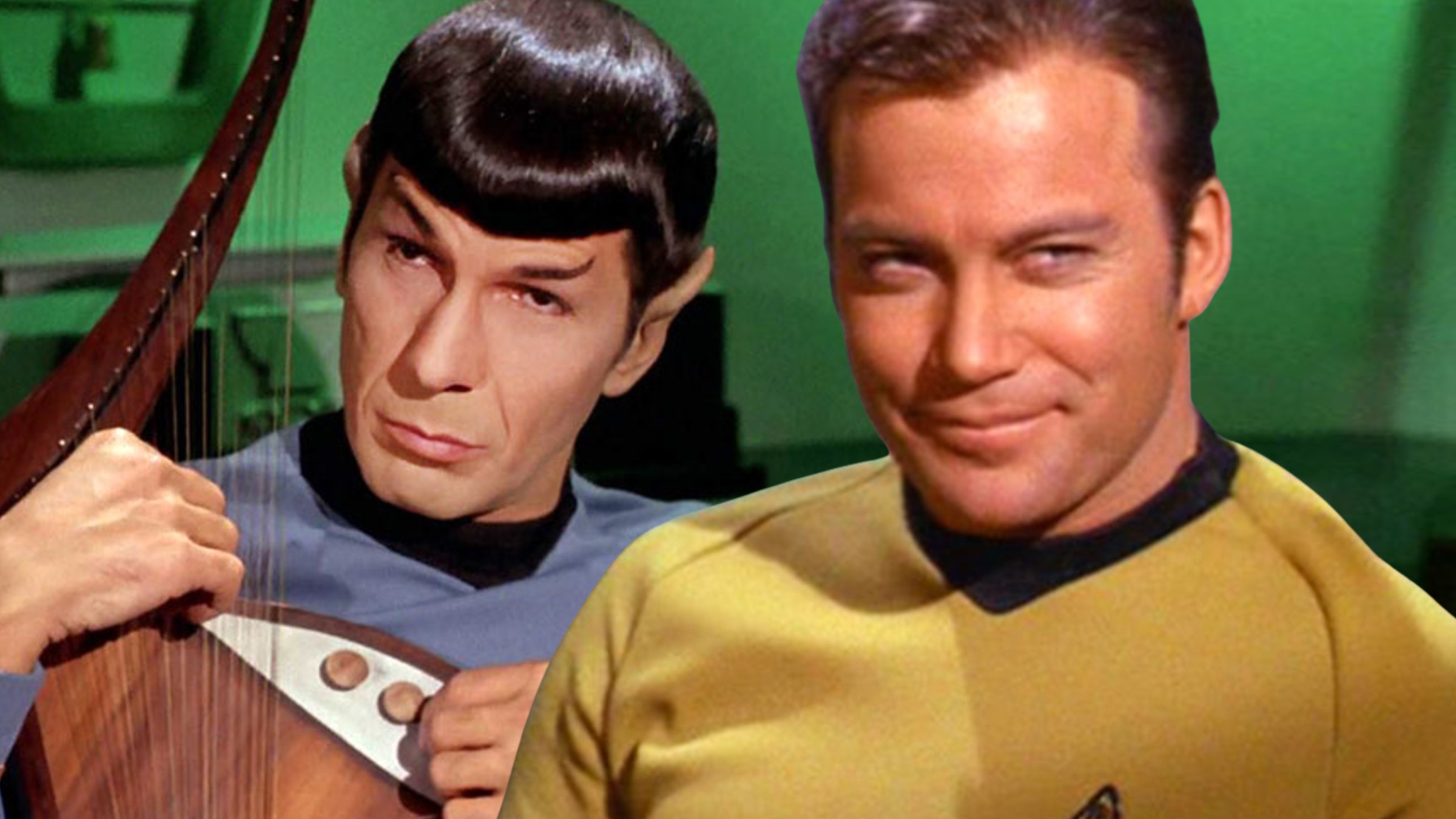
What seemed like a simple, practical decision early on actually had a huge impact on the future of Star Trek. Though the show is incredibly successful now, The Original Series initially struggled to find an audience, facing low ratings and network doubts. It was even moved to Friday nights – a timeslot where few people watched – and eventually cancelled due to a lack of confidence from the network. While reruns in the 1970s boosted its popularity, leading to spin-offs and making Star Trek a cultural icon, the show’s enduring appeal is largely due to Leonard Nimoy’s captivating portrayal of Spock and the memorable bond between Kirk and Spock. A Spock who appeared frightening instead of endearing could have easily changed the show’s fate.
Think about Spock if he hadn’t had all the small, expressive changes in his face – those little details Nimoy added that made him so lovable and human. Picture those classic scenes with Kirk, but without the clear warmth, connection, and unspoken understanding between them. A Spock who seemed unsettling or distant would have been difficult to connect with, and it wouldn’t have had the same impact. It could even have made the show feel cheesy, supporting the idea at the time that science fiction TV was just for kids and full of ridiculous creatures.
Spock quickly became a groundbreaking character: an alien who, surprisingly, seemed more deeply human than many people. He wasn’t just a logical figure; he was also dignified and emotionally complex. Audiences weren’t focused on his unusual appearance, but rather on the inner struggles he faced as someone with both human and Vulcan heritage.
If the first ideas for Spock had stuck, he might have been seen as just a strange, short-lived character from an old 1960s sci-fi show. But instead, he became the heart of Star Trek, ensuring the show’s lasting popularity, captivating fans for generations, and proving that science fiction could tell meaningful stories.
The early, scrapped version of Spock with the red uniform is now seen as an interesting footnote in TV history – and that’s a valuable thing. It shows how easily promising ideas can fail when they’re first developed. While it’s natural to want to make a big impression with new characters, Star Trek demonstrates that success isn’t always about being flashy.
Roddenberry and his team created a truly enduring character in Spock by prioritizing strong performance over flashy appearances. Spock’s appeal wasn’t about his looks; it was about how much audiences connected with him.
What do you think? Leave a comment below and join the conversation now in the ComicBook Forum!
Read More
- Gold Rate Forecast
- Dune 3 Gets the Huge Update Fans Have Been Waiting For
- Looks Like SEGA Is Reheating PS5, PS4 Fan Favourite Sonic Frontiers in Definitive Edition
- Pluribus Star Rhea Seehorn Weighs In On That First Kiss
- Arknights: Endfield – Everything You Need to Know Before You Jump In
- Jack Osbourne Shares Heartbreaking Tribute to Late Dad Ozzy Osbourne
- Disney Promotes Thomas Mazloum To Lead Parks and Experiences Division As Josh D’Amaro Prepares To Become CEO
- 22 actors who were almost James Bond – and why they missed out on playing 007
- 5 Weakest Akatsuki Members in Naruto, Ranked
- Every Upcoming Transformers Movie: Release Dates, Details, & Everything We Know
2026-01-01 01:42