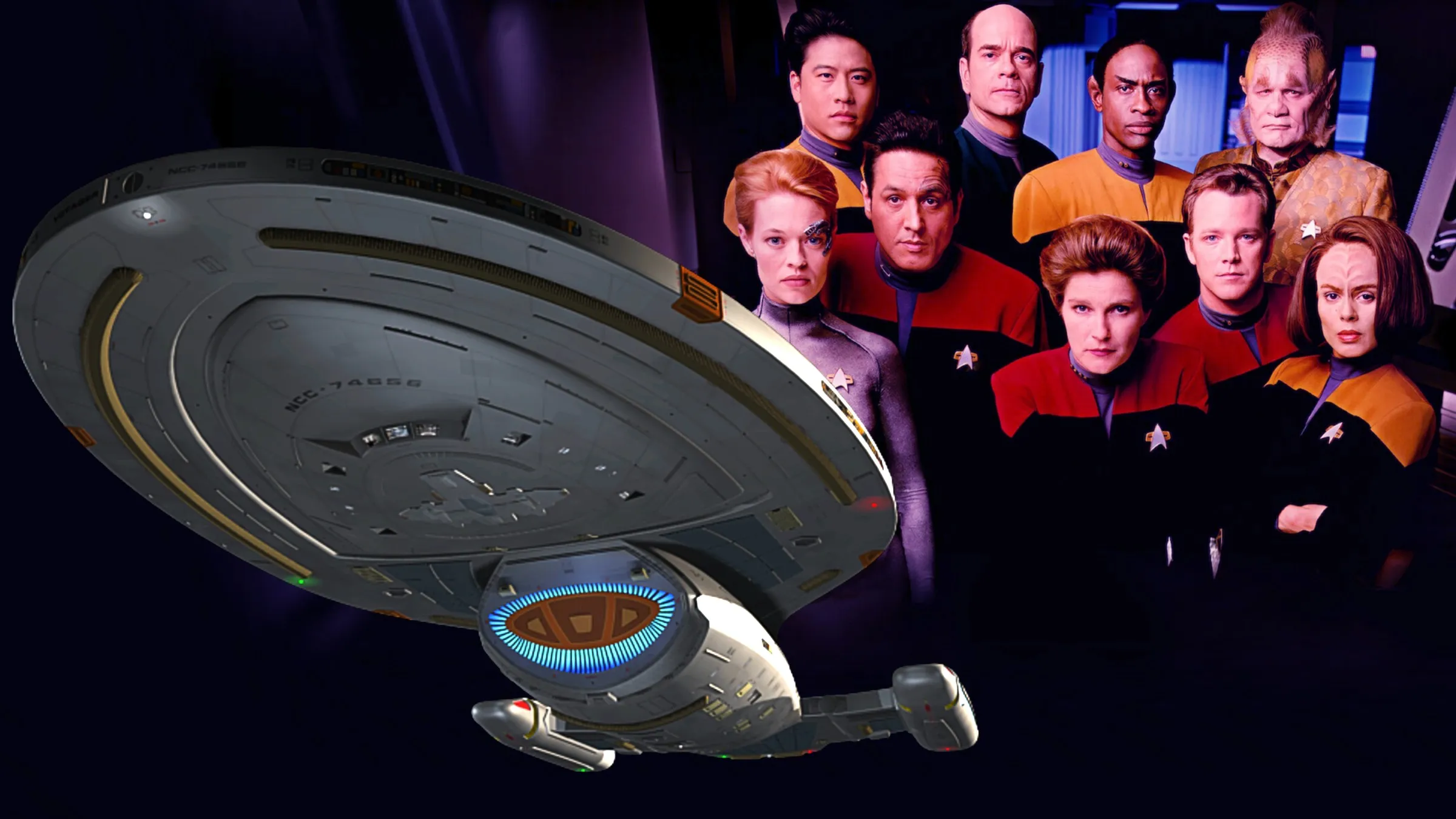
The saying goes that time heals all wounds, but Star Trek recently challenged that idea by unexpectedly turning a beloved Voyager character into a villain. While opinions on Star Trek characters have shifted over the years – like the reassessment of Wesley Crusher and a growing fondness for Neelix, or the increased appreciation for the Enterprise cast after its cancellation – this is different. Star Trek didn’t just let perceptions change naturally; it provided a story-based explanation for why those perceptions shifted.
I just finished the latest Starfleet Academy episode, and wow, it really got to me. Seeing Robert Picardo’s Doctor forced to confront his past when SAM was deactivated was powerful. He stepped up as a father figure for her, and honestly, that’s what brought her back. It was amazing to see him finally get a name that meant something – ‘Dad’! It felt like the culmination of his centuries-long journey to understand what it truly means to be human. Okay, maybe getting a holographic daughter isn’t the typical path to that realization, but he was searching for emotional connection, not a purely logical, Data-like understanding. And while it was a happy ending for him, the episode also dropped a huge bombshell about the trauma he’s carried for 800 years, all stemming from something a Voyager crew member did.
Star Trek Just Made B’Elanna Torres A Villain (By Accident)
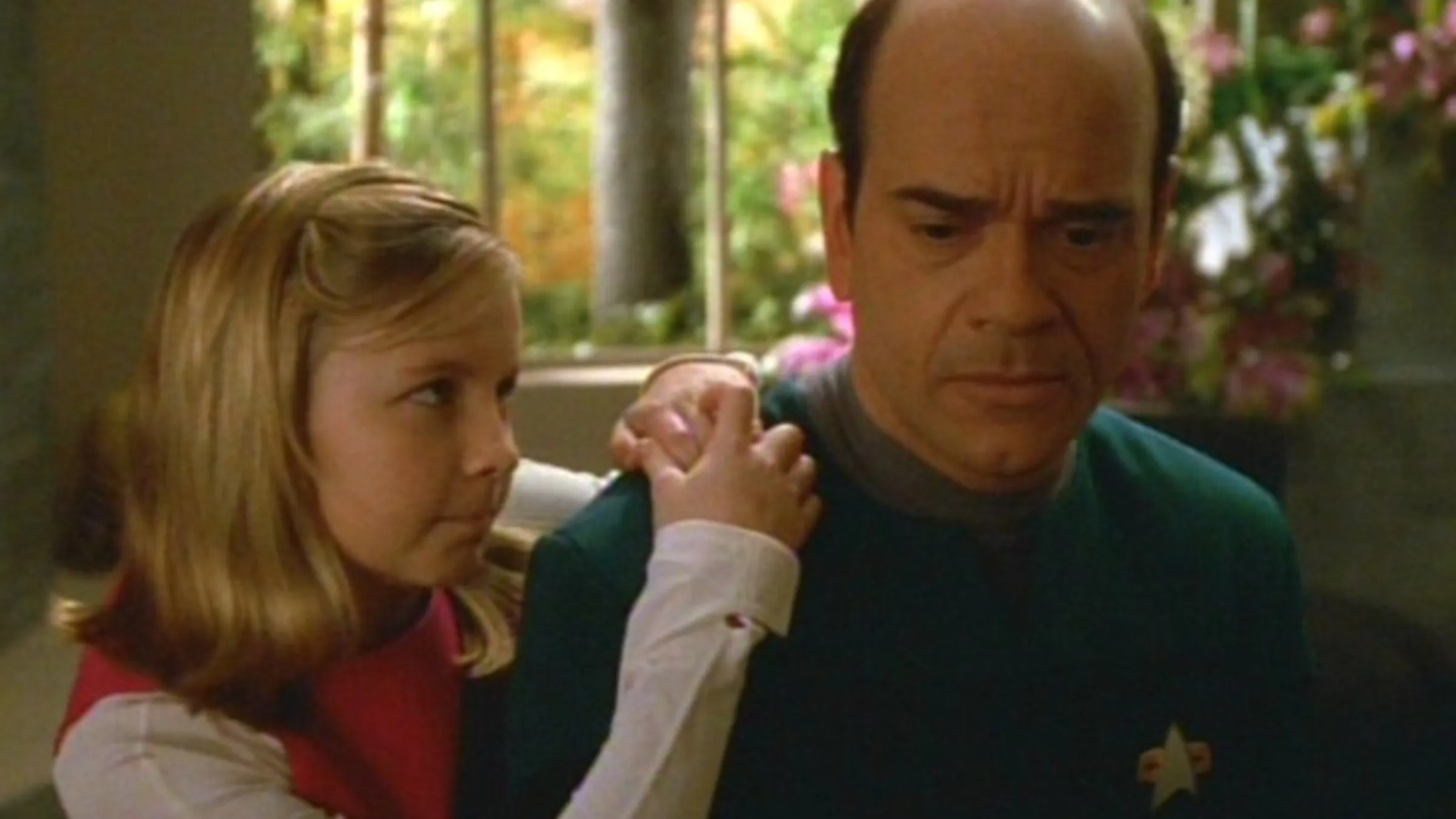
The Starfleet Academy episode, “The Life of the Stars,” continued a story arc from the Voyager episode “Real Life,” where The Doctor created a holographic family for himself. It’s revealed that The Doctor has been struggling with the emotional fallout from losing that family for the past 800 years. He admits he’s avoided forming close connections, like the one with SAM, because she reminded him of his holographic daughter, Belle. He explains that maintaining emotional distance is how he copes with his long lifespan and the pain of his past, stating that not loving anyone is the only way he can endure his immortality.
When you think about what really happens in the episode, it becomes clear that B’Elanna Torres unintentionally acts as the villain in The Doctor’s story. She’s upset by how idyllic The Doctor’s holographic family is and tries to “help” by adding realism to the program. This needlessly disrupts his family, all to prove that life isn’t a perfect fantasy. However, The Doctor’s holographic family is meant to be an escape, and it’s harmless. Torres’ changes lead to a rebellious son, an unhappy wife, and a daughter who tragically dies from a brain injury during a game. She justifies her actions by saying, “No one has a family like this – it’s unrealistic! You won’t learn anything from living with these… perfect people.”
Torres subjected The Doctor to deeply traumatic experiences during a training exercise, ultimately forcing him to end the program after simulating the death of his daughter. This wasn’t a simple learning experience – as Tom Paris pointed out, ignoring difficult family issues to focus only on the positive isn’t realistic or healthy. Instead, the trauma lingered for nearly a thousand years, severely impacting The Doctor’s ability to connect with others. Torres justified the harsh training believing it would be effective, but she failed to anticipate The Doctor’s emotional immaturity and how he would react. This oversight, in my opinion, is inexcusable, as it condemned her crewmate to lasting, horrific trauma.
What do you think? Leave a comment below and join the conversation now in the ComicBook Forum!
Read More
- Gold Rate Forecast
- Dune 3 Gets the Huge Update Fans Have Been Waiting For
- Jack Osbourne Shares Heartbreaking Tribute to Late Dad Ozzy Osbourne
- Antiferromagnetic Oscillators: Unlocking Stable Spin Dynamics
- 22 actors who were almost James Bond – and why they missed out on playing 007
- Disney Promotes Thomas Mazloum To Lead Parks and Experiences Division As Josh D’Amaro Prepares To Become CEO
- Hazbin Hotel Secretly Suggests Vox Helped Create One of the Most Infamous Cults in History
- Arknights: Endfield – Everything You Need to Know Before You Jump In
- Dungeon Stalkers to end service on June 9
- Action Comics #1096 is Fun Jumping-On Point for Superman Fans (Review)
2026-03-04 17:21