
Early Access was originally intended to be beneficial for both game developers and players. Developers get funding and valuable feedback to refine their games, while players get a sneak peek and a chance to influence the development process. However, with so many games now launching in Early Access, many players are becoming disillusioned, and it’s easy to understand why.
These days, ‘Early Access’ covers a lot of different scenarios for games. Some, like Fields of Mistria, are quite polished when they first launch, with developers planning to add more features later. Others feel more like unfinished demos, full of bugs and missing content. This makes buying into Early Access a gamble for players. However, a bigger concern is that many Early Access games are never actually completed. A recent update to Steam tries to address this by pushing developers to be more open about their plans. It’s unclear, though, if that will be enough to regain players’ trust.
Abandoned Early Access Games Have Left Gamers Wary of Buying in Too Soon
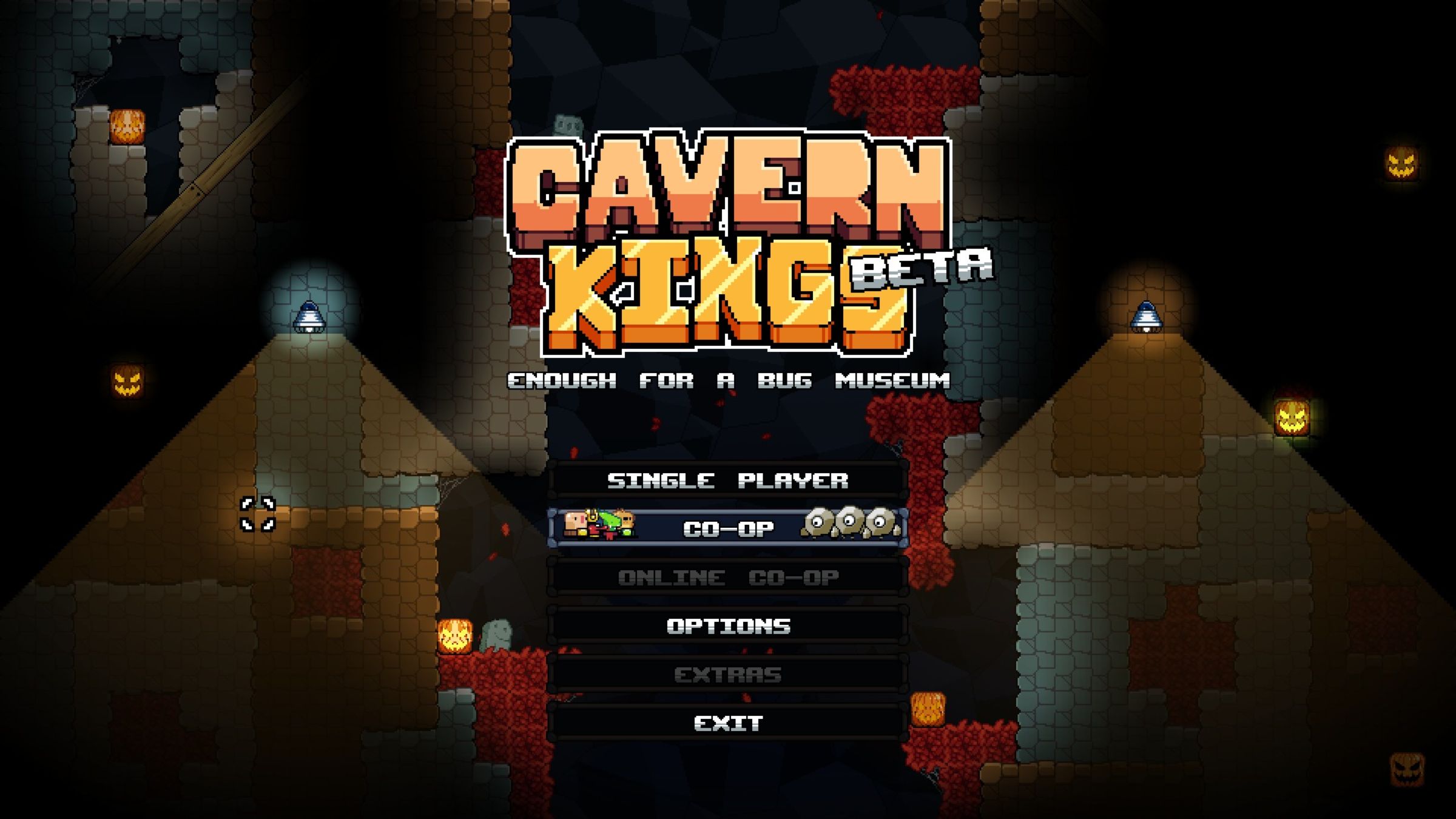
Steam has been making Early Access games more transparent for players. Last year, it started flagging games that haven’t been updated in over a year, warning buyers they might be abandoned. Now, Steam is taking it a step further by asking developers to share an expected release date for the full version of their Early Access games. This target date will be prominently displayed on the game’s store page, helping players make informed decisions.
Steam is trying to give players a clearer idea of what to expect from games labeled as “Early Access.” However, these changes might not be enough to regain the trust of players who’ve had bad experiences in the past. While it’s helpful to be warned when a game has been completely abandoned, it’s still difficult to predict whether a new Early Access game will ever be fully released. Several games, like Godus and World of Diving, have remained unfinished in Early Access for years with no major updates. Others, such as The War Z and Fractured Veil, were even removed from Steam because the developers stopped working on them or the projects were shut down.
Early Access games are usually cheaper than the finished versions, but they still cost money. Players are spending both time and money on games that aren’t complete, and it can feel disappointing when a game they’ve supported stops receiving updates. Providing an estimated completion date could help, but there are problems with that idea. Developers aren’t obligated to share a timeline, so those who don’t have a clear plan might continue to avoid setting one. Plus, even if a release date is announced, there’s no guarantee the game will actually be finished by then.
Steam is taking steps to improve how Early Access games are presented, which is good news. Features like flagging inactive games and pushing developers to share realistic release timelines are helpful. However, players who’ve had games they bought early left unfinished might not be fully satisfied. Early Access has become a complicated part of PC gaming, and fixing the issues could be difficult.
Early Access Games Can Be Great, But They Can Also Be a Risk
I’ve tried a lot of games still in development – what’s known as ‘Early Access’ – and they’re all over the map in terms of quality. Developers release unfinished games for lots of reasons. Often, it’s about money – selling early access helps fund development. It also gives new developers a chance to get valuable feedback from players and improve the game before the official launch. However, it’s not always clear what players get out of buying an unfinished game.
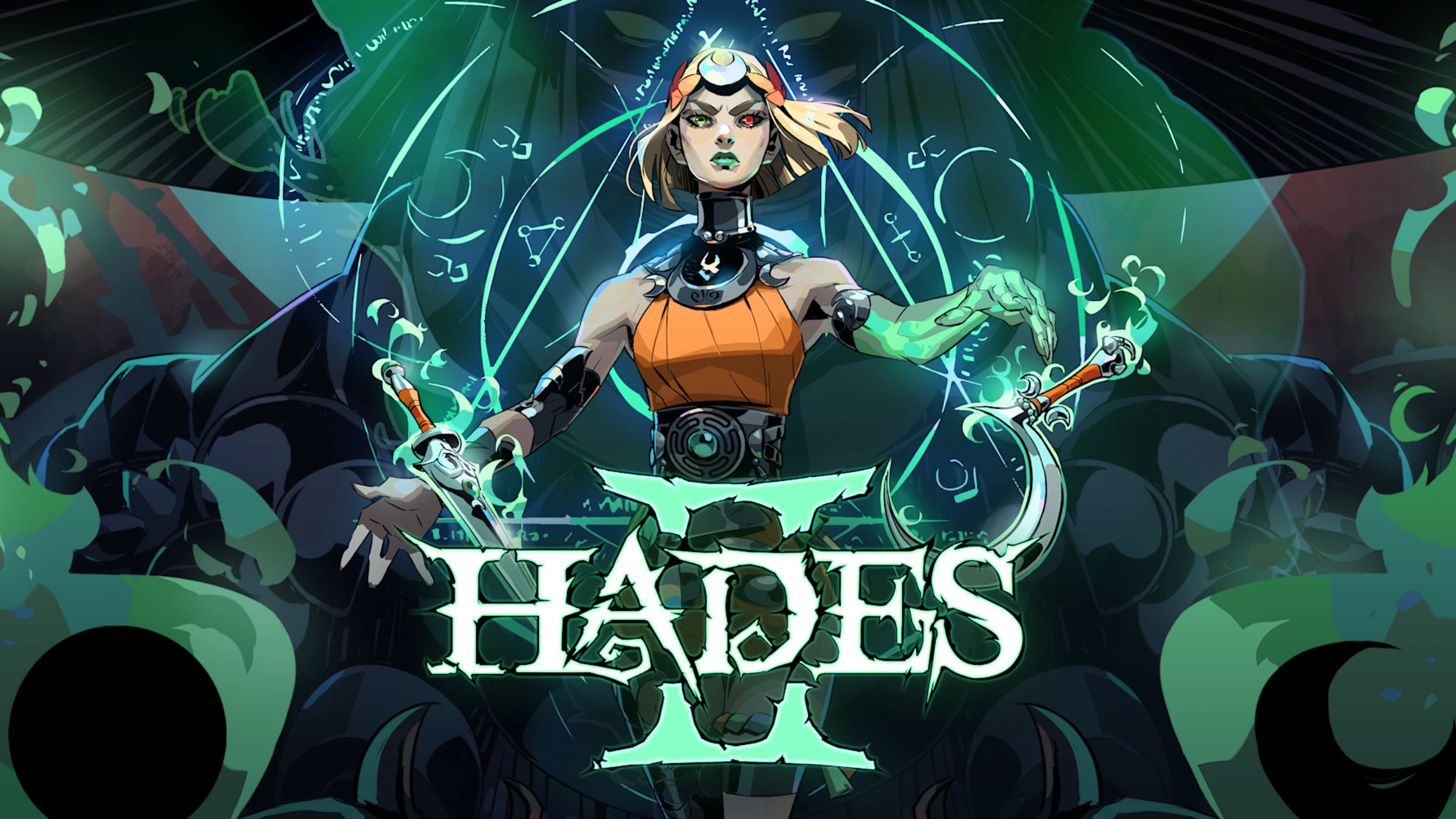
Trying a game through Early Access can be fun, letting you play it before it’s fully finished. However, many of us, including myself, often don’t return to the game once the final version is released. This means you could miss out on the best experience a game has to offer, feeling like you’ve already played it all. Some games, like Hades 2, significantly improve from the Early Access version to the full release. That’s why a lot of players choose to wait for the complete game before starting to play.
Even players who choose to try games in Early Access understand it’s a gamble. You’re essentially paying for a game that’s still being made, and there’s no promise it will ever be finished. Often, developers have a general idea of how long it will take to complete the game, but player feedback can change those plans. This is true even if the developer initially gives a more specific release timeframe.
Whether or not to play a game in Early Access is a personal choice for each gamer. Developers who are upfront about their plans make it less likely the game will be cancelled before it’s fully released. However, there are still no guarantees. It will be interesting to see how many developers use the new feature to announce a planned release date, and if that affects players’ decisions to purchase the game.
Do you like trying games while they’re still being developed (Early Access), or do you prefer to wait until they’re fully finished? Share your thoughts in the comments below and join the discussion on the ComicBook Forum!
Read More
- Trails in the Sky 2nd Chapter launches September 17
- Paradox codes (April 2026): Full list of codes and how to redeem them
- HBO Max Just Added the Final Episodes of a Modern Adult Swim Classic
- Pragmata Shows Off Even More Gorgeous RTX Path Tracing Ahead of Launch
- Crimson Desert’s Momentum Continues With 10 Incredible New Changes
- PRAGMATA ‘Eight’ trailer
- How Could We Forget About SOL Shogunate, the PS5 Action RPG About Samurai on the Moon?
- Hulu Just Added One of the Most Quotable Movies Ever Made (But It’s Sequel Is Impossible To Stream)
- Solo Leveling’s New Character Gets a New Story Amid Season 3 Delay
- Dragon Quest Smash/Grow launches April 21
2026-02-11 00:42