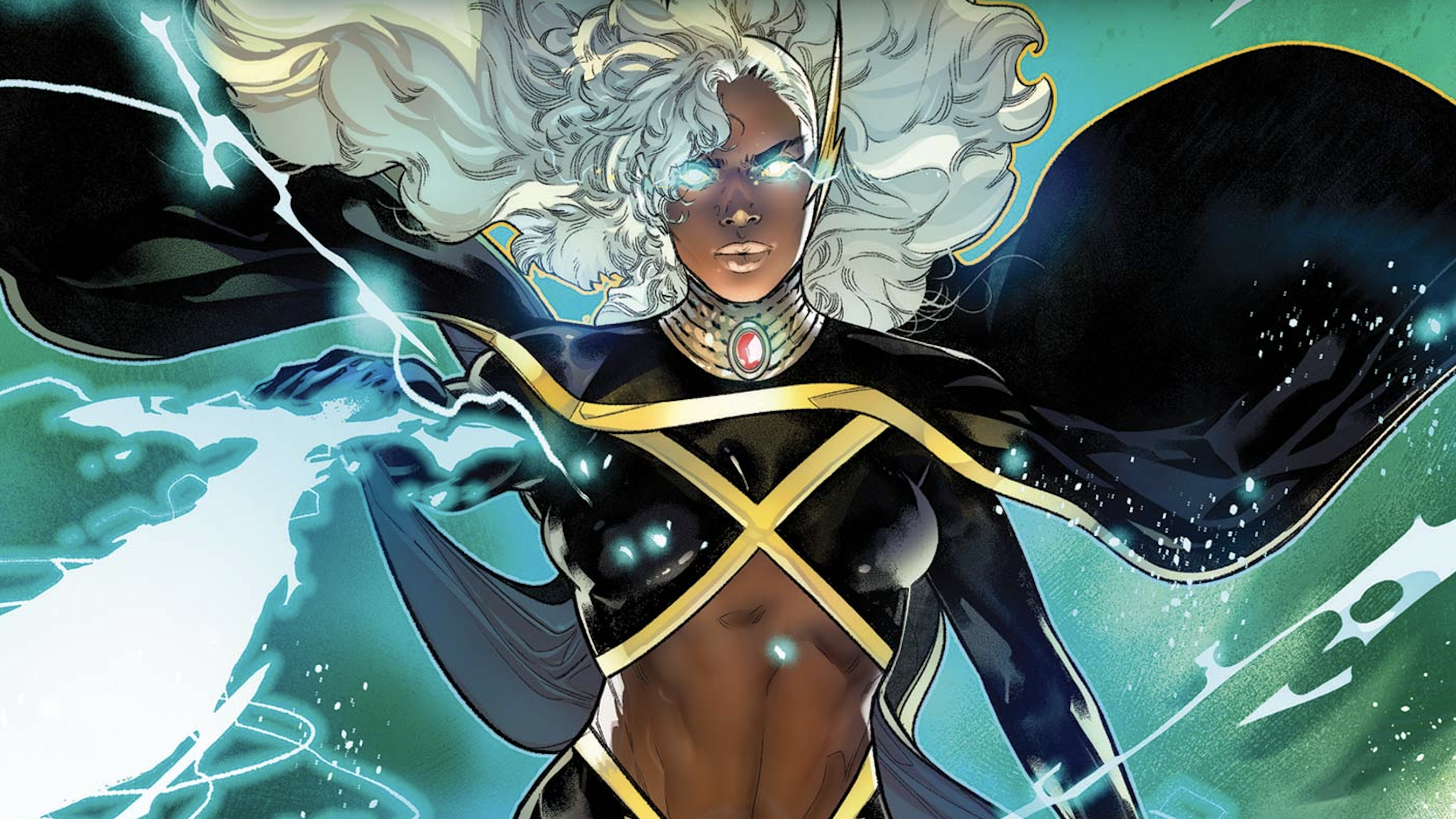
Storm, created in 1975, has always been a fan-favorite X-Man due to her strong personality, ability to lead, and incredible powers. While Storm’s own comics are doing well, the X-Men series as a whole has been facing challenges, with recent storylines like “Age of Revelation” and “From the Ashes” receiving lukewarm reactions. But in Storm: Earth’s Mightiest Mutant #2, Storm addresses the core problem with current X-Men stories and reminds readers of the original hope that inspired the team.
Storm has long been a central and incredibly powerful mutant, and her influence has only increased over time. This is evident in her roles as regent of Mars and, later, as a goddess and Avatar of Life. Despite achieving such extraordinary status, one of her most memorable recent moments is surprisingly down-to-earth. In a world often defined by conflict between humans and mutants, Storm serves as a reminder of the X-Men’s original ideals.
Storm Opens Her Doors to Everyone in Need, Not Just Mutants
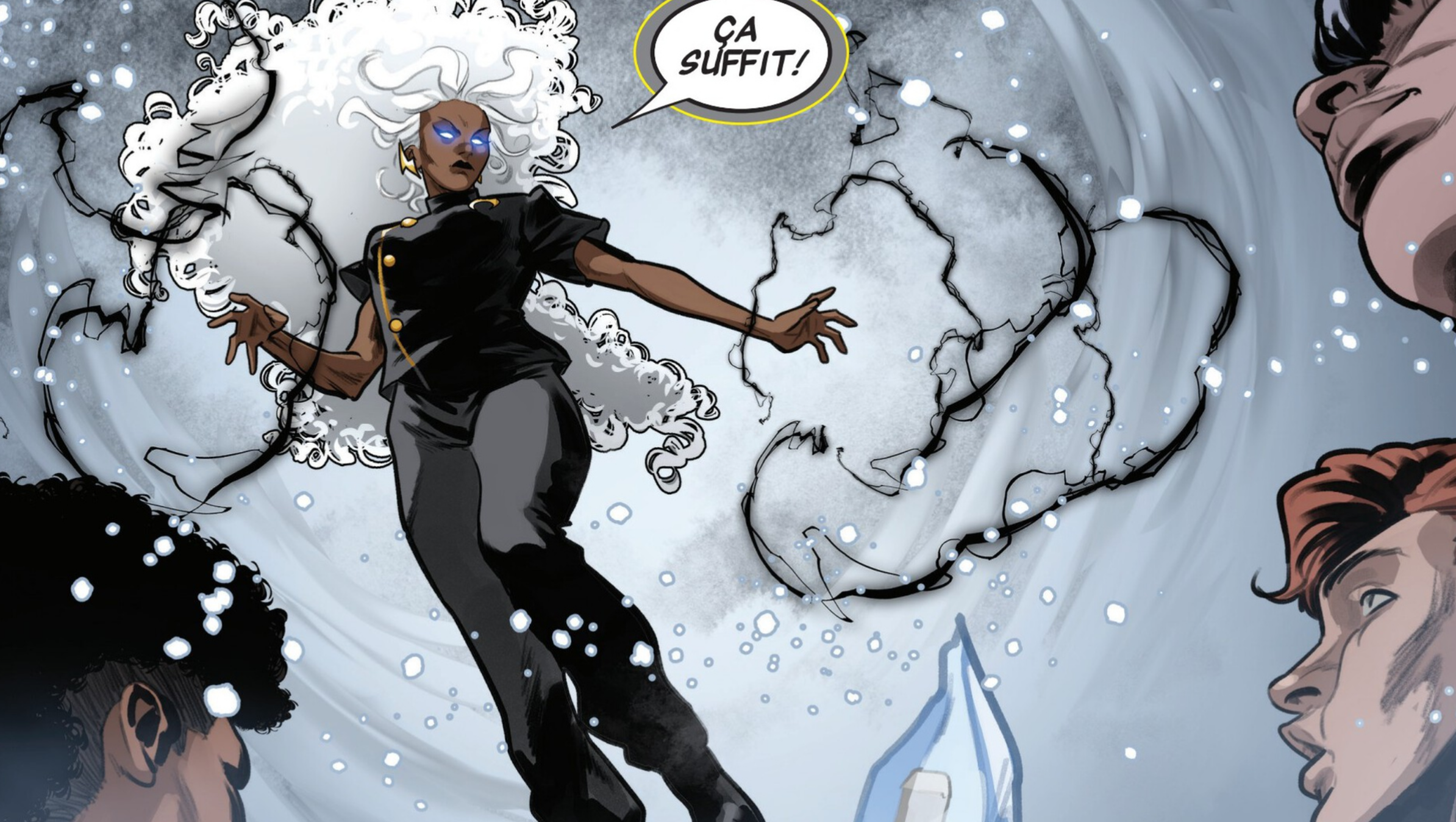
Storm has created a safe haven called the Storm Sanctuary, a floating paradise built using her power over the weather. It was intended to provide security and a new beginning for mutants and refugees, especially after the fall of their nation, Krakoa. However, peace is quickly threatened when demons attack France, and the Sanctuary arrives to help. While life inside the Sanctuary is peaceful and comfortable, chaos and rioting are erupting among those outside its walls.
A troubling situation is unfolding at the Storm Sanctuary, echoing past mutant isolationism. Many mutants are denying entry to human refugees, with one even attacking a human trying to get in, claiming the Sanctuary is exclusively for mutants. This mutant also criticized human-first rescue efforts during the recent demon attack. The refugee rightly argued that humans suffered just as much, if not more, lacking the powers to protect themselves and experiencing significant loss of life. They pointed out the stark contrast between mutants finding safety and humans facing starvation. The situation almost escalated when the refugee retaliated with a sledgehammer.
When Storm arrives, she immediately ends the conflict. Instead of turning away the human refugees, she offers them shelter, food, and safety in the Sanctuary – a move that aligns with her long-standing compassion. Storm is known for using her powers to revitalize famine-stricken lands, so her kindness isn’t unexpected. Later, the mutant responsible for the attack questions Storm’s decision to deviate from Krakoa’s mutant-only rules. Storm explains that while Krakoa offered mutants a chance to thrive, it didn’t address the underlying human fear and prejudice. Ultimately, she believes they have a responsibility to help all those in need, regardless of their background.
During the time when the X-Men controlled Krakoa, they likely would have turned away these refugees for simply arriving without a mutant to support them. After years of mutants seeing themselves as better than humans, Storm demonstrates true heroism and what it means to be an X-Man by showing respect for all people. While Krakoa brought success to mutants, it also led to isolation and prejudice against humans. By offering aid to these civilians, Storm revives the original hope Professor X had when he founded the X-Men.
Storm Restores the X-Men’s Dream of Coexistence
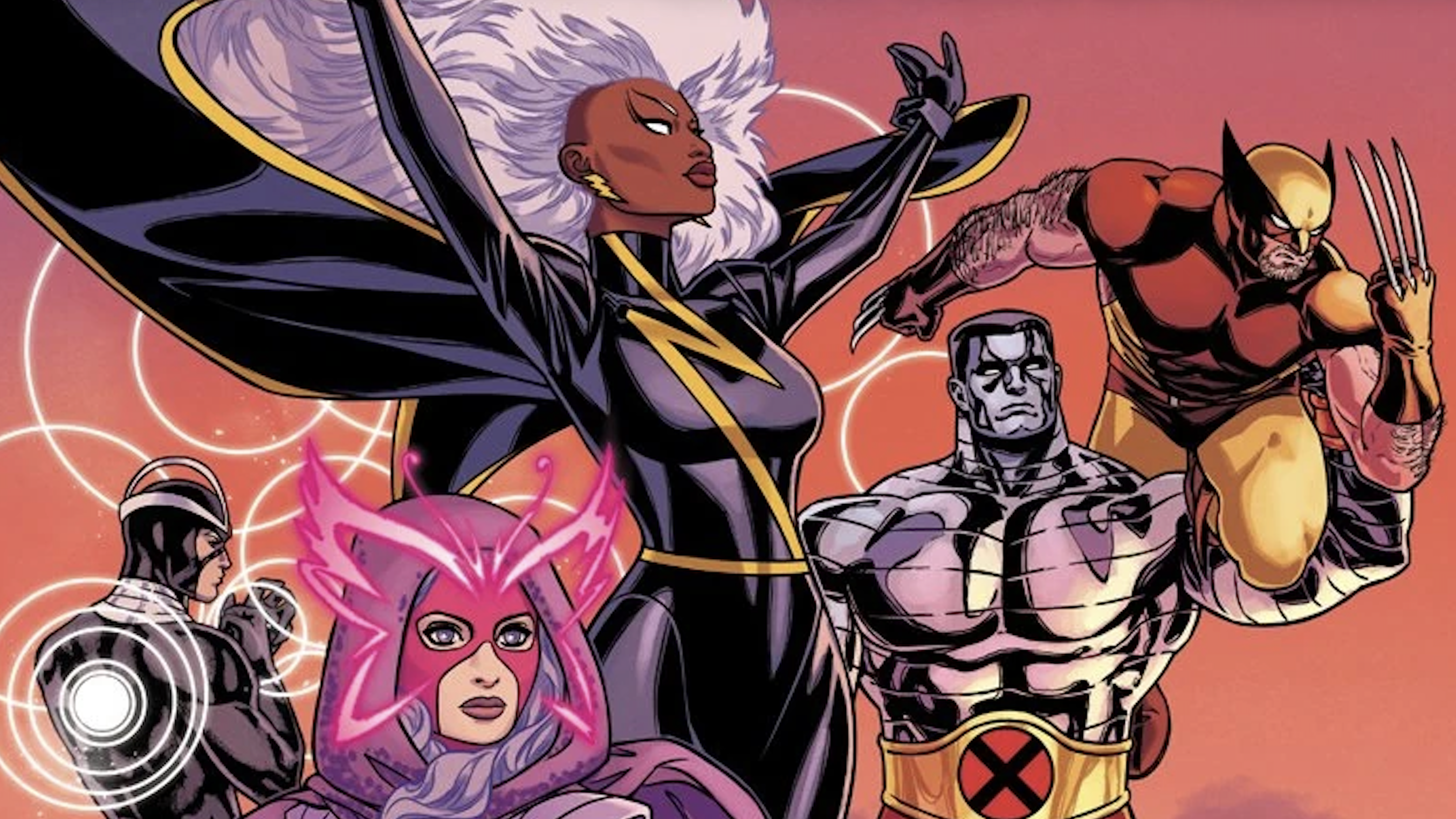
When the X-Men first appeared, Professor X created the team to champion mutant rights and encourage peaceful relations between mutants and humans. He truly believed, though imperfectly, that both groups could live together harmoniously. This belief directly clashed with villains like Magneto, who felt mutants were superior and coexistence was impossible, leading to a long-standing conflict. Many X-Men stories revolved around stopping villains from dominating or destroying humanity. The X-Men also consistently advocated for acceptance, hoping to be seen as equals rather than feared. However, over time, the original hopeful vision behind the team faded away.
When the X-Men created the mutant nation of Krakoa and invited all mutants to join them, many saw it as a sign of defeat. After centuries of being hunted and oppressed, mutants chose to separate themselves from humanity. While having their own country isn’t inherently negative, the way Krakoa was run showed a clear disregard for humans, whom they seemed to consider lesser. Not only are humans largely forbidden from entering Krakoa, but the X-Men aggressively asserted their independence, even resorting to bullying and using their power to manipulate other nations. They also hoarded valuable advancements, like a potential cure for death, instead of sharing them with the world. And unless a problem directly threatened mutantkind, the X-Men were reluctant to intervene.
The Krakoa era always aimed to explore what happens when a group facing discrimination decides to create a nation of their own. As Storm pointed out, even becoming powerful and separate didn’t stop humans from fearing and disliking mutants. After Krakoa’s fall, the X-Men returned to focusing solely on mutant problems, largely ignoring human concerns. Now, humans are either disregarded or seen as a danger. Besides Storm’s efforts, there’s little attempt to build peace or communication. The X-Men seem more interested in protecting themselves with defenses like the Factory and the new X-Mansion, rather than finding common ground.
The events at the Storm Sanctuary and Storm’s reaction to them demonstrate that simply separating groups isn’t a sustainable or effective way to overcome prejudice and distrust. Krakoa and the X-Men’s recent choices actually reinforce segregation and worsen the animosity between humans and mutants, leading the X-Men to view humanity as hostile. When Storm encountered the French refugees preparing to fight, she recognized their desperation and suffering – not inherent bigotry – and understood they needed assistance. She calmed the situation not by taking sides or minimizing the humans’ struggles, but by offering help and showing empathy.
At a low point for the X-Men and even Professor X, Storm demonstrates that the hope for peaceful coexistence isn’t lost. While Professor X’s original vision might have seemed idealistic, Storm proves that mutual respect between mutants and humans is essential and achievable. The X-Men need to refocus on their original purpose: helping all people, mutant and human, to show they’re heroes, not threats. True progress in relations between humans and mutants will only come through understanding, compassion, and working together.
What do you think? Leave a Comment below and join the conversation in the ComicBook Forum!
https://comicbook.com/comics/list/10-most-powerful-female-marvel-superheroes-of-all-time/embed/#
Read More
- What Song Is In The New Supergirl Trailer (& What It Means For The DC Movie)
- Why is Tech Jacket gender-swapped in Invincible season 4 and who voices her?
- TV legend Carol Kirkwood reveals the reasons why she decided to retire after 28 years with BBC
- Dune 3 Gets the Huge Update Fans Have Been Waiting For
- Highly Anticipated Strategy RPG Finally Sets Release Date (And It’s Soon)
- How Blake Lively & Ryan Reynolds’ Kids Pranked Her on April Fool’s Day
- Kanye West’s Wife Bianca Censori Details New Marriage Milestone
- 49 Years Ago Today, Movie History Was Changed by a Film You’ve Never Even Seen
- Butcher’s Transformation Into A “Ruthless Killer” In The Boys Season 5 Explained By Karl Urban
- Starfield PS5 Won’t Play Off Physical Disc without a Download
2026-03-15 17:14