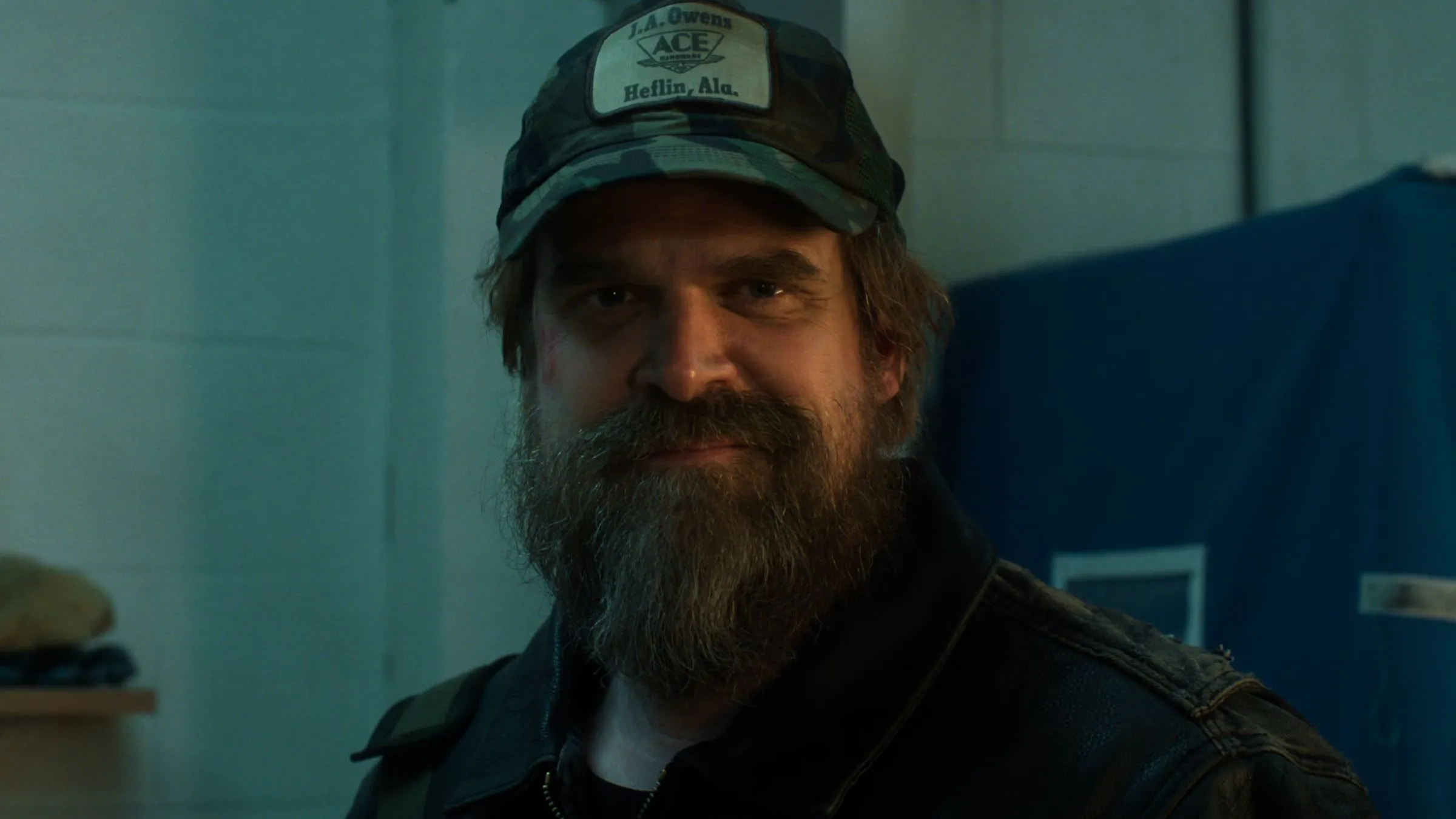
Wrapping up Stranger Things was always going to be a challenge, and everyone understood that. For almost ten years, the show held a special place in popular culture, becoming much more than just a Netflix success. It became a touchstone for nostalgia, memorable characters, and a type of horror that appealed to a broad audience. Finales always come with high expectations, and any decision the creators made risked feeling either overblown or too cautious. However, the final episode showed that the Duffer Brothers prioritized a meaningful and well-structured conclusion, focusing on both the characters’ journeys and the show’s own evolution.
Those who’ve been watching Stranger Things from the start will recognize that the show has always been carefully constructed with multiple layers – a main storyline, underlying emotional themes, and subtle details that only make sense when you look back. The finale continues this tradition (though it’s not perfect). Rather than a big, shocking twist or a predictable farewell, the final episode focuses on smaller, more meaningful moments. This is where the reference to Montauk comes in – it’s a detail some viewers might have missed, but it’s important for those who know how the show began.
Stranger Things Referenced Its Original Concept in the Series Finale
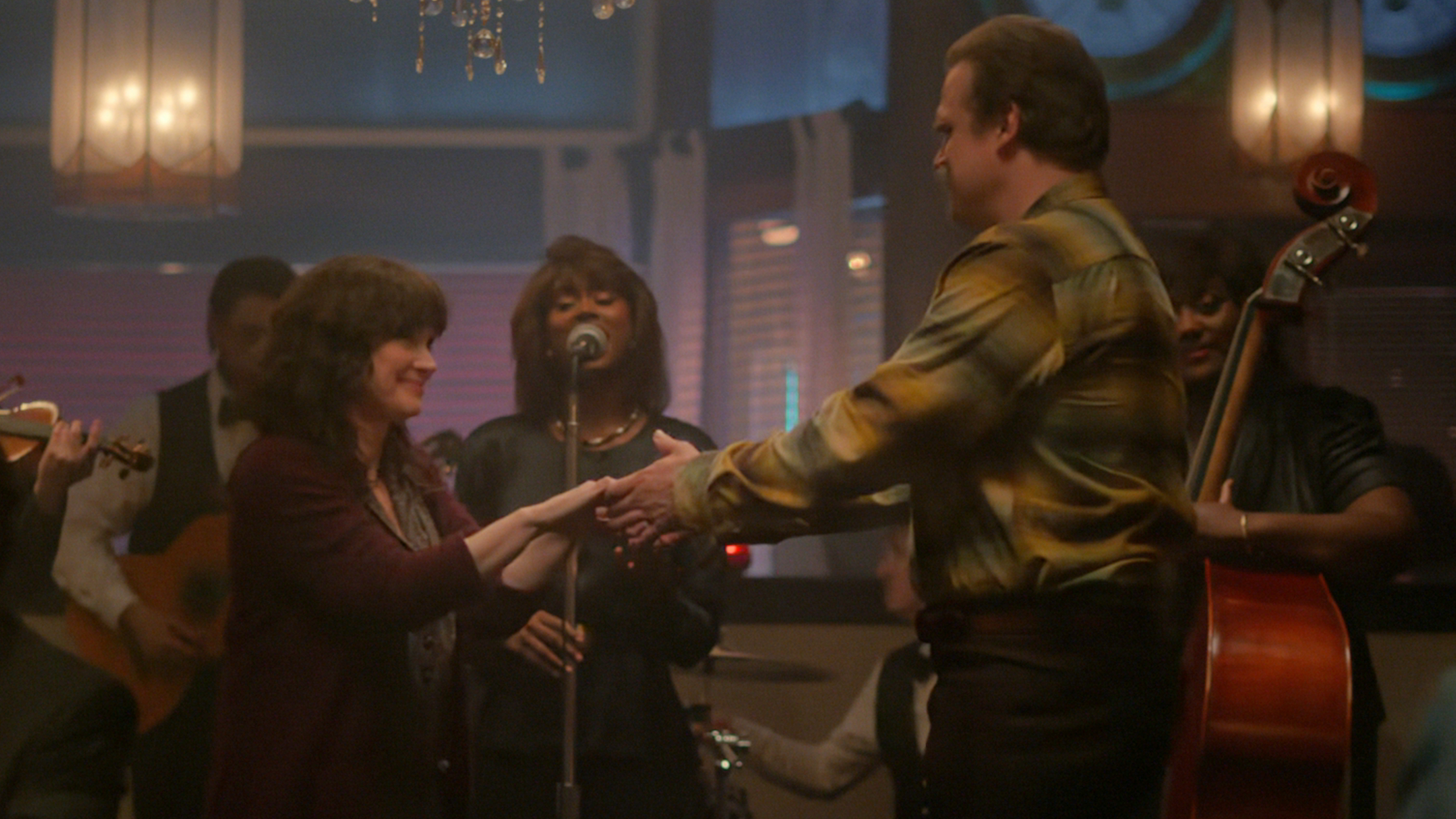
In the final scene of the series, Hopper and Joyce are on a date, talking about what’s next for them. They discuss their engagement and the possibility of a fresh start after everything they’ve faced. Hopper reveals he’s been offered the job of police chief in Montauk, New York – a position that would come with a better salary and a chance to leave Hawkins behind. While it might seem like a minor detail, the choice of Montauk is actually quite significant.
The show Stranger Things actually started as a project called Montauk, set in the Long Island town of the same name. The creators were inspired by real-life conspiracy theories about secret government experiments that allegedly took place there. Mentioning Montauk in the final episode was a subtle nod to the show’s original concept, a kind of inside joke for fans. It’s a clever detail because it feels naturally connected to the plot. Montauk represents both a fresh start for Hopper and a glimpse into an alternate version of the show – a reminder of the different direction the story could have taken.
This decision further highlights what’s always made Stranger Things unique: it skillfully uses nostalgia without being defined by it. The finale doesn’t just rely on rehashed ’80s tropes or imagery; it looks at its own history and development. This creates a deeper, more subtle form of nostalgia – scenes work even if you don’t recognize the references, but those who do will appreciate the added layer.
Connecting this moment to Hopper’s story makes it even more powerful. Throughout the series, he’s been defined by grief and an inability to move forward. His journey has always been about trying to envision a better future. Ending his story with him genuinely considering change, in a location that clearly means a lot to the show’s creators, cleverly links his personal growth with the show’s overall themes. It feels intentional, like a purposeful way to bring both his story and the series itself to a satisfying conclusion, not just a random addition.
The Reference to Stranger Things‘ Original Concept May Be a Hidden Spin-Off Hint
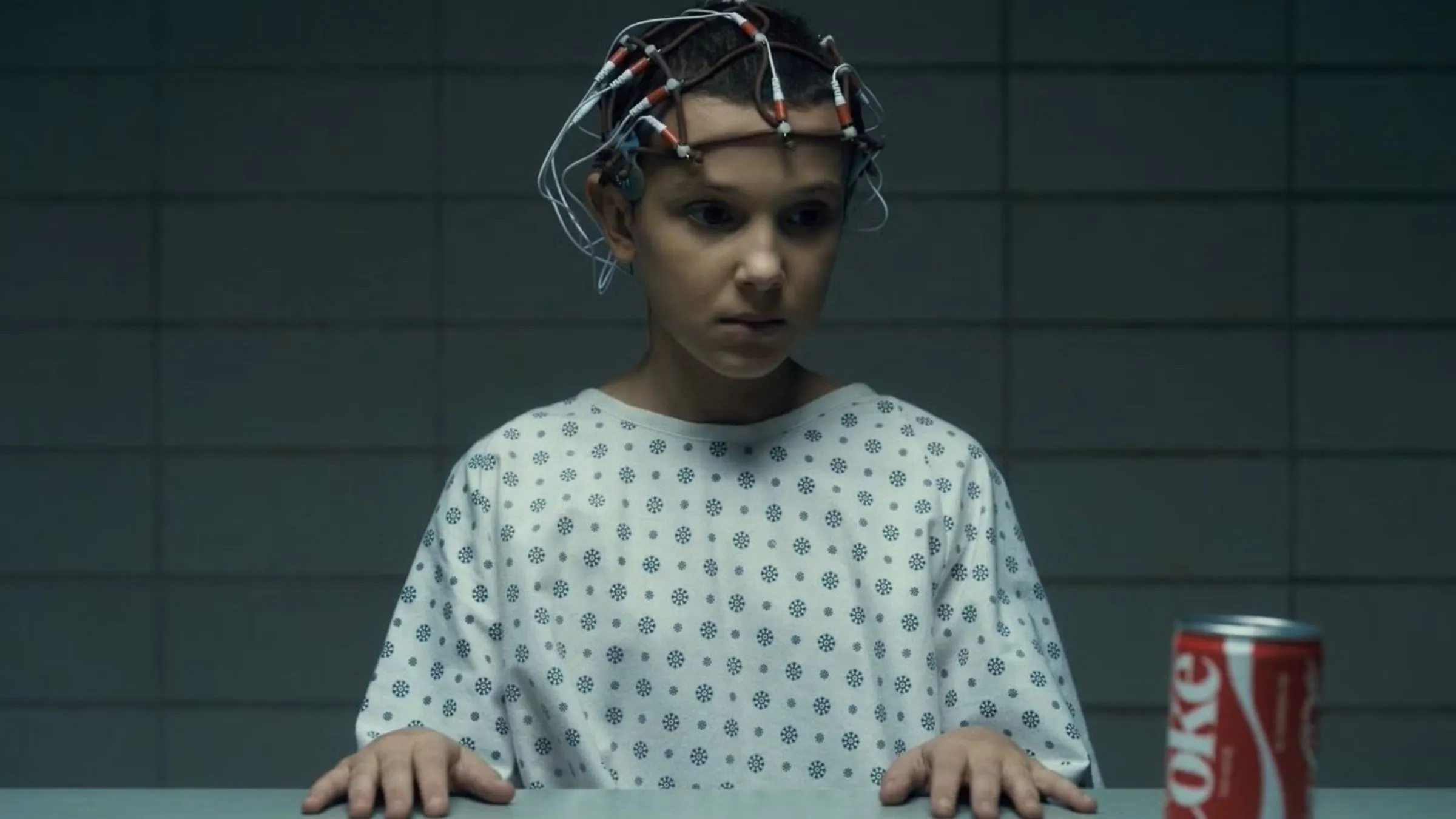
Considering the Duffer Brothers have hinted that Stranger Things won’t truly end with the current season, it’s not surprising that fans have already started guessing what the planned spin-off series could be about.
The creators of the show recently told The National that the series finale includes a subtle clue about their next project. Ross Duffer said there’s a small scene designed to hint at what the spin-off will be, and they’re curious to see if viewers will notice it. Matt Duffer later explained to Screen Rant that the spin-off will be a completely separate story, set in a new location with a new cast of characters. He emphasized that it will be a standalone project. Given this, and a line spoken by Hopper, it’s unlikely he’ll appear in the spin-off, though it’s possible the character was just used to introduce the idea of exploring Montauk in a different era. Only time will tell.
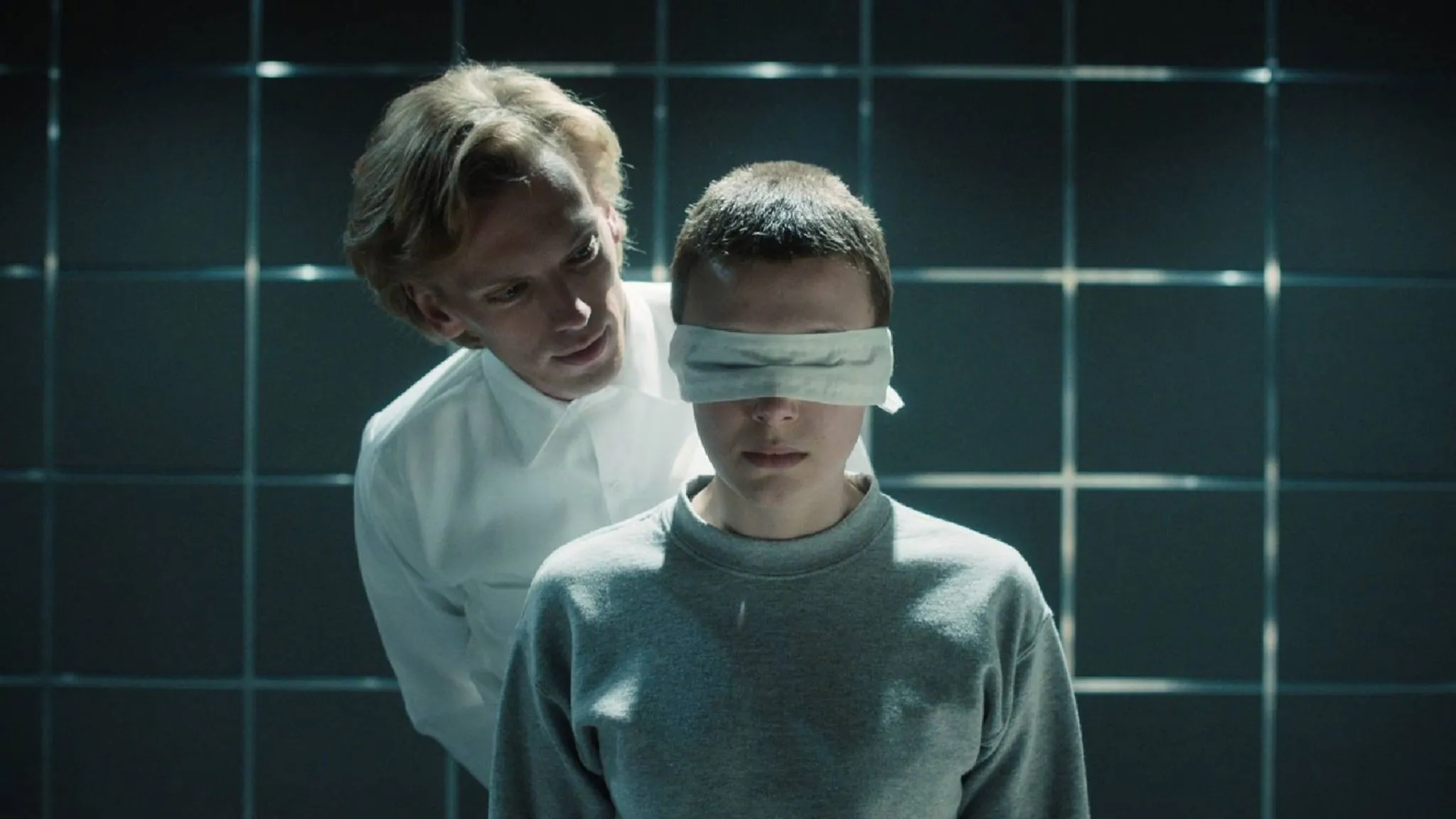
A spin-off set in that location would be a logical next step, both because of the show’s established background and because it would let the creators delve into the same kind of mysterious, science-based horror that fueled the original series – all without forcing the main story of Hawkins to continue unnecessarily. This offers a way to build on the existing world without repeating old ground. Given that Stranger Things was initially conceived as this type of spin-off, the creators may have finally had the time and clarity over the last decade to tell that story in a more sophisticated and engaging manner.
The series concludes by leaving a few questions unanswered, but it confidently reaffirms its origins and hints at potential future stories. This isn’t about needlessly prolonging the show, but recognizing that strong concepts deserve to be revisited when the time is right. While it’s unclear if the story will return to Montauk as part of a larger franchise, the final episode subtly suggests the creators wanted to end Stranger Things with an eye toward the future, while still honoring what made the show successful in the first place.
What do you think? Leave a comment below and join the conversation now in the ComicBook Forum!
https://comicbook.com/tv-shows/list/stranger-things-season-5-sets-up-4-spinoffs/embed/#
Read More
- Pluribus Star Rhea Seehorn Weighs In On That First Kiss
- Gold Rate Forecast
- Kelly Osbourne Slams “Disgusting” Comments on Her Appearance
- Looks Like SEGA Is Reheating PS5, PS4 Fan Favourite Sonic Frontiers in Definitive Edition
- Arknights: Endfield – Everything You Need to Know Before You Jump In
- Dune 3 Gets the Huge Update Fans Have Been Waiting For
- ’90s Cartoon Reboot & TMNT Connection!
- Guardians of the Globe Members We Want to See in Invincible Season 4
- Hideo Kojima Says He Was Never Told About The Matrix Creators Wanting Him to Make a Game
- Goat 2 Release Date Estimate, News & Updates
2026-01-04 16:10