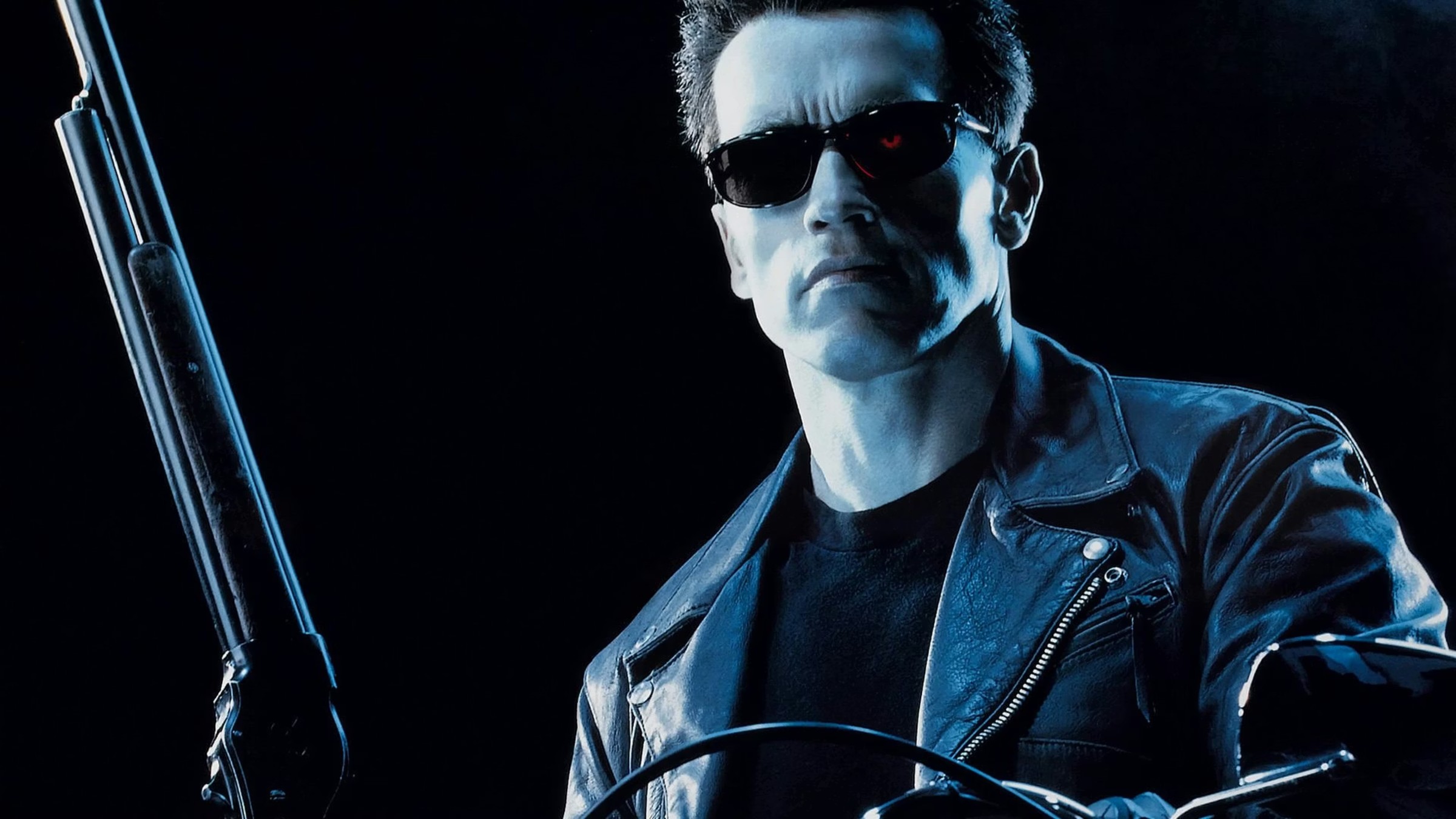
Terminator 2: Judgement Day isn’t just one of the greatest movie sequels ever made, it’s a landmark science fiction film. James Cameron‘s 1991 film completely surprised audiences by subverting expectations from the original 1984 movie, reimagining Arnold Schwarzenegger’s character and taking the story in unexpected directions – a move that has made it incredibly difficult for subsequent sequels to live up to its standard (though many have tried). With its sleek, expertly crafted action and innovative character development, Terminator 2 raised the bar not only for the Terminator series but for all movie sequels, and few have managed to match its quality since.
Terminator 2: Judgment Day relies heavily on classic science fiction ideas that are central to the genre and the film’s very structure. The killer cyborg itself, the war between humans and machines, and the use of time travel are all major sci-fi themes. Considering all that, it’s understandable if you don’t focus on how realistic the movie is. However, there’s one scene that turned out to be disturbingly accurate – and it’s a chilling thought.
Terminator 2’s Nuclear Blast Dream Was the Most Accurate Part of the Sci-fi Sequel
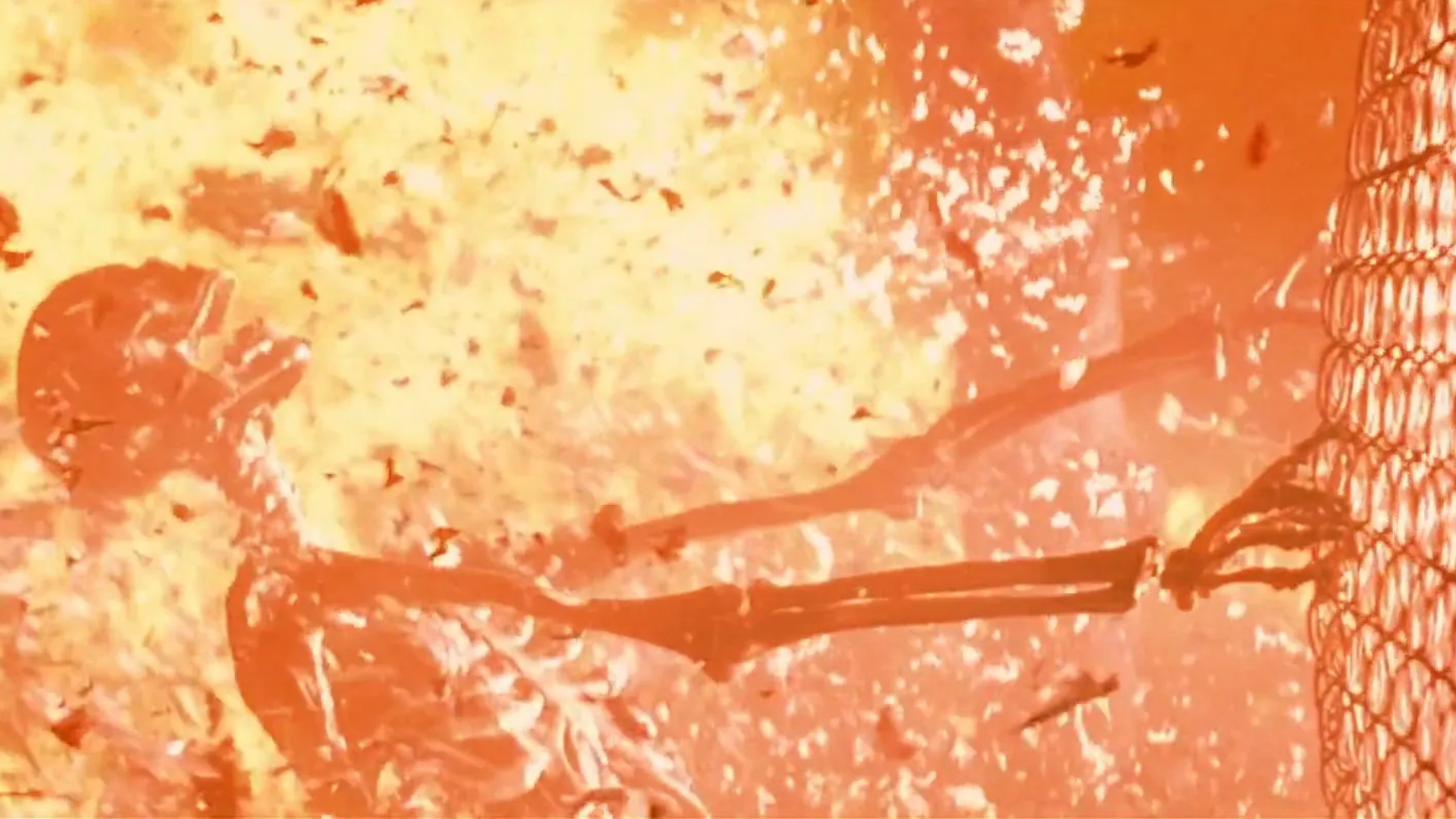
In a recent hour-long interview with Vanity Fair, director James Cameron discussed his entire film career, including Terminator 2: Judgment Day. He spent a significant amount of time talking about the sequel, particularly his work with the characters of Sarah and John Connor. He explained that he was aware Linda Hamilton had strong ideas for her character and that he needed to support young actor Edward Furlong throughout filming. Cameron also detailed one of the film’s most frightening scenes – Sarah Connor’s nightmare about a nuclear explosion over Los Angeles – and revealed just how realistic it actually is.
I spent a considerable amount of time researching the effects of nuclear weapons – what would happen if one detonated over a city, and what that experience would be like, even for a short time. The depiction in my work is very accurate, so much so that I received a letter praising it from experts at Sandia National Laboratories – a leading nuclear research center originally part of Los Alamos. They specifically said I had portrayed the effects exactly right.
Someone described what happens in the film as complete incineration, followed by the blast wave scattering the remains – a rather dramatic summary, to say the least. It’s a stark reminder of the times we lived in when the film was written in 1990. Back then, the world had just passed its highest point for nuclear weapons, with around 70,000 to 80,000 warheads capable of causing the devastation shown on screen. Today, the number is down to about 12,000, but unfortunately, the global political climate is even more unstable. That makes the film’s message just as important and relevant now as it was then.
That was a great point, James! It really struck me – it makes me think about Terminator 2: Judgement Day in a whole new light. Knowing that the most intense scene isn’t just Hollywood magic, but actually reflects real possibilities… it’s honestly a little unsettling, but fascinating too. It feels less like a movie and more like a glimpse into what could happen.
https://comicbook.com/movies/news/all-6-terminator-movies-ranked-worst-to-best/embed/#
Read More
- What Song Is In The New Supergirl Trailer (& What It Means For The DC Movie)
- Gold Rate Forecast
- Eurogamer Gives ARC Raiders 2/5 Over AI Voices, Dropping Metacritic Score from 94 to 84
- Robinhood’s Tokenized Stock Fiasco: A Tale of Tokens and Tussles
- How Whitney Leavitt Made Ticket Sale History in Broadway Debut
- Darwin’s Paradox! drops Switch version for Switch 2, delayed to 2026
- Miss Super Sentai After Cancellation? Watch These 5 Anime to Fill the Void
- Two Nintendo Switch Games Permanently Delisted From the eShop
- Harry Potter Season 2 Gets a Positive Update as Delayed Release Confirmed
- Jinger Duggar Explains Why Jeremy Vuolo Upgraded Her Wedding Band
2025-11-20 21:11