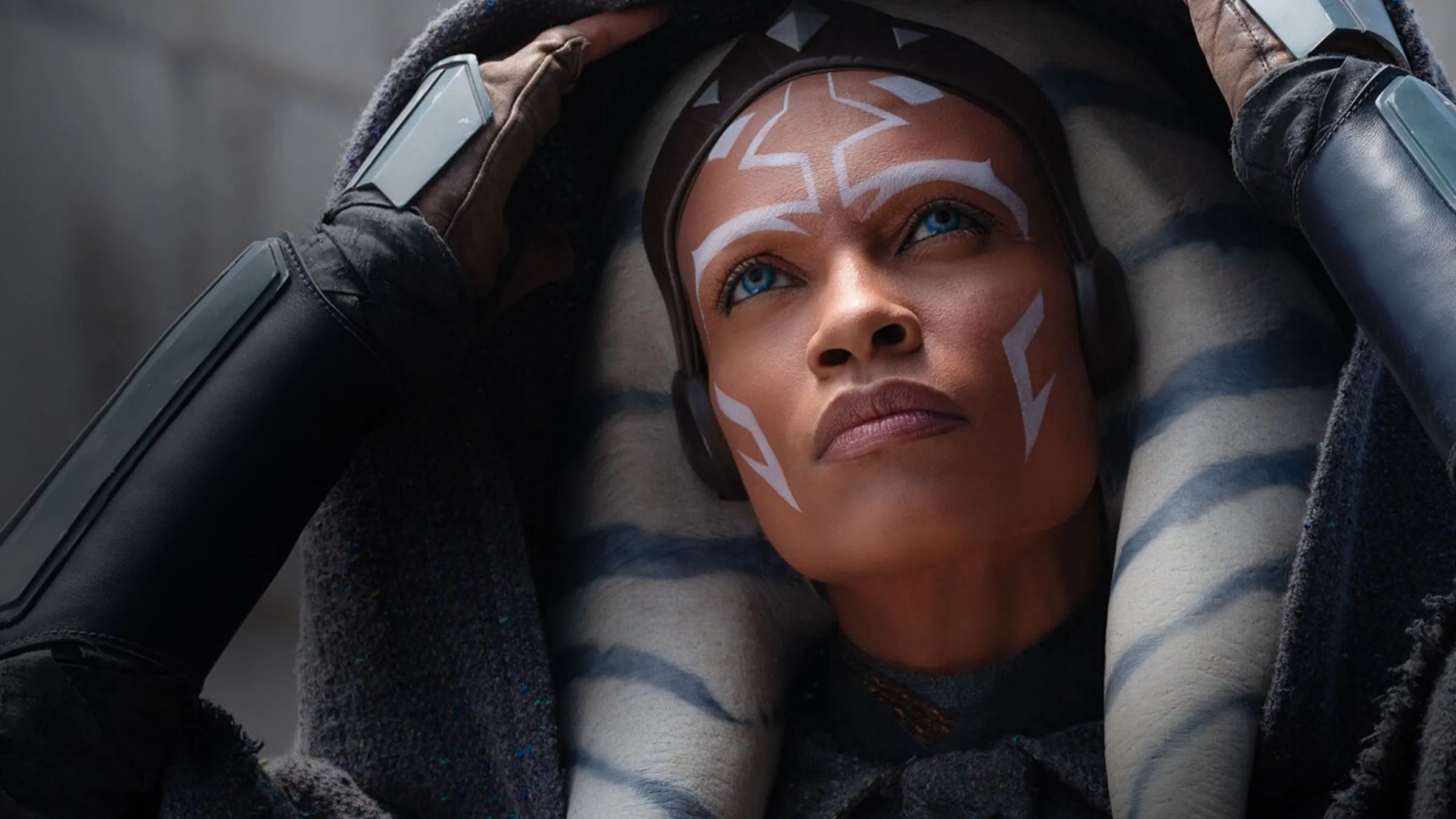
Ahsoka Tano is an important character in the Star Wars universe. She began as the apprentice, or Padawan, of Anakin Skywalker during the Clone Wars. Her stories focus on her journey from a new Jedi learner to a powerful, independent Force user who doesn’t follow the Jedi Order. Because of her connections to key characters and events, stories about Ahsoka help connect different periods in Star Wars history, from the final days of the Republic through the rise of the Empire and into the future.
Ahsoka is important to the Star Wars story because she offers a unique, long-term viewpoint spanning different time periods, despite not being a main character in the original films. Through her, we see how the Jedi are remembered and how their traditions continue even after the Jedi Order fell, existing outside of its old rules and structure.
10. Ahsoka’s Introduction in The Clone Wars (2008 Film)

When Ahsoka first appeared in the 2008 animated film, fans had a hard time with her. Many didn’t think a young, outspoken Padawan fit well with Anakin Skywalker. However, that very attitude ultimately became key to her incredible growth as a character. Her initial mission on Christophsis showed both her strengths and weaknesses—traits that would shape her entire story.
The film represented a turning point for the way Star Wars stories were told. By focusing on Ahsoka, it shifted the focus to themes of guidance, personal development, and the difficult choices made during the Clone Wars. This established the style for future series and introduced a central character who questioned traditional Jedi beliefs in a way not seen since Qui-Gon Jinn.
9. The Battle of Ryloth Arc (The Clone Wars, Season 1)
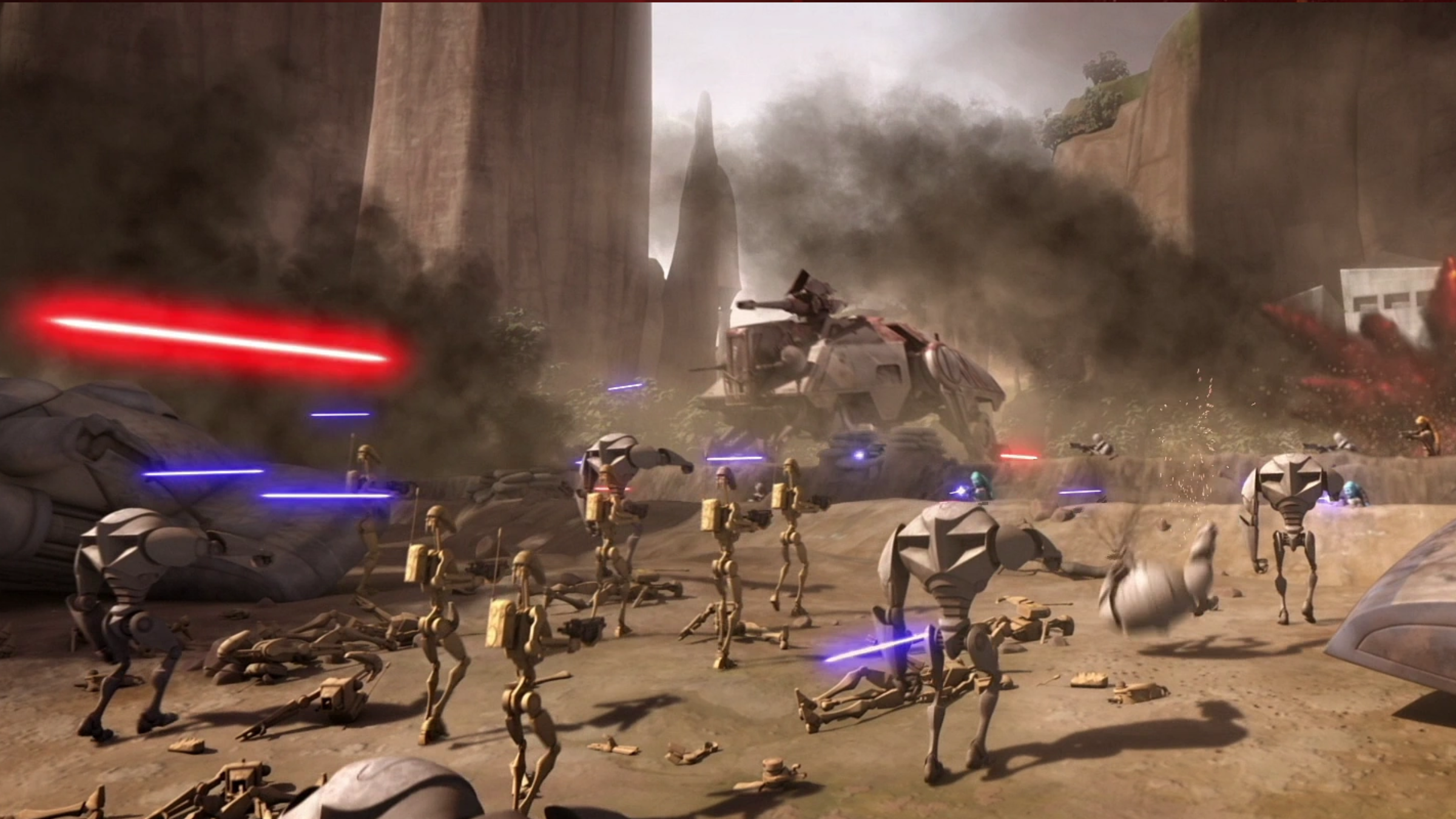
The battle to free Ryloth marks the first time Ahsoka Tano experiences a failure as a commander. When she disobeys orders, many clone troopers are killed, and she’s forced to deal with the resulting guilt and the burden of her decisions. This difficult lesson – learning humility through facing consequences – profoundly influences how she leads for the rest of the Clone Wars.
This storyline highlights how Ahsoka connects with clones and ordinary people in a way the Jedi Council doesn’t, showing a more personal approach. By prioritizing understanding and learning from her mistakes, Ahsoka starts to forge her own path, distinct from the usual Jedi ways. This emotional intelligence continues to guide her even after she leaves the Jedi Order.
8. The Mortis Trilogy (The Clone Wars, Season 3)
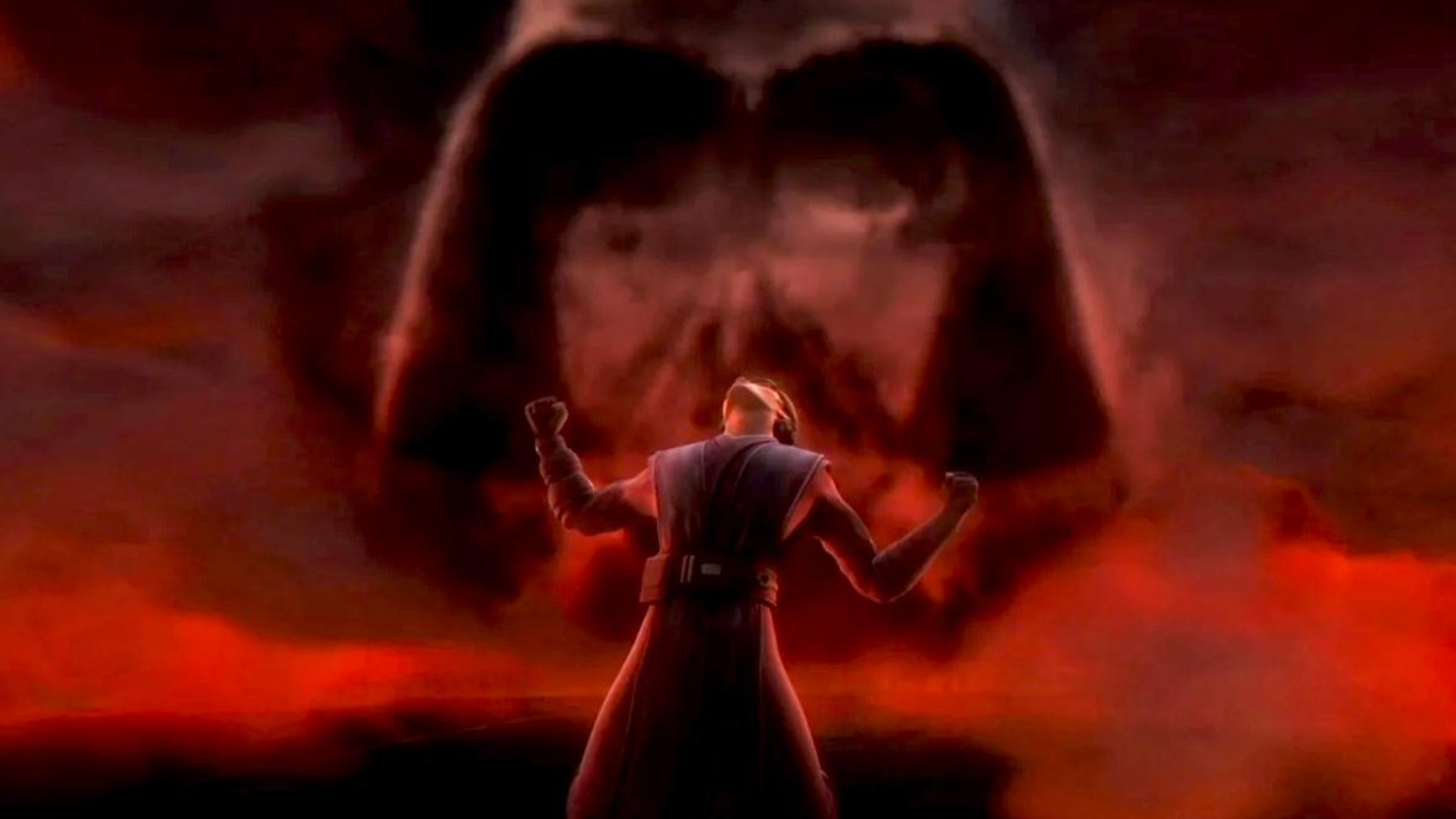
Ahsoka’s journey to Mortis is a pivotal moment in the larger story of Star Wars. The beings she encounters – the Daughter, the Son, and the Father – embody fundamental forces of the universe, and her temporary fall to the dark side and subsequent return suggest a significant future beyond the Clone Wars. Mortis forces Ahsoka to confront the deepest mysteries of the Force, and she endures an ordeal that would overwhelm almost any Jedi.
Mortis is crucial to Ahsoka’s journey because it hints at her destiny. The Daughter’s power continuing through Ahsoka suggests she’ll survive even after death, a theme that’s echoed when she returns as a mysterious, white-robed figure. This experience changes Ahsoka from a warrior into someone who seems to foresee and influence the Force’s overall balance.
7. The Citadel Arc (The Clone Wars, Season 3)
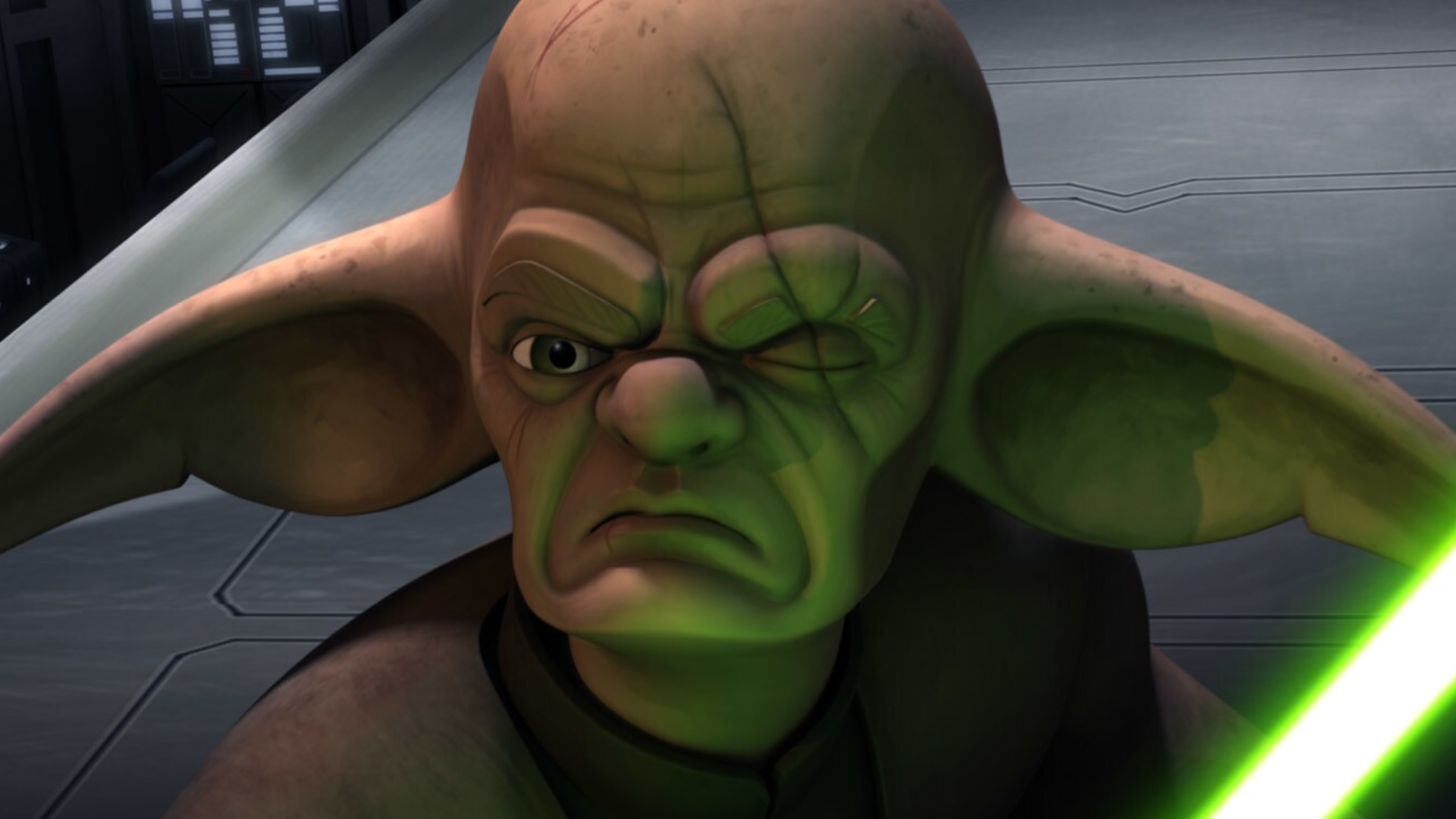
While stranded behind enemy lines, Ahsoka attempts to liberate her former Master, Even Piell, and other prisoners held at the Citadel. This mission highlights her growth as a leader and demonstrates her increasingly clever strategic thinking. The story powerfully illustrates the harsh realities and moral compromises of war, showing that even Jedi Masters can fall and that clear-cut right and wrong become difficult to define.
This story is important because it demonstrates Ahsoka operating as a capable leader alongside experienced veterans, not as someone being mentored. She’s shown to be trustworthy, makes quick decisions, and isn’t afraid to challenge plans if people’s lives are at risk. The events at The Citadel prove she’s grown beyond being a trainee and is now a respected equal in battle—a key step in her journey away from the Jedi Order’s strict rules.
6. The Onderon Rebellion (The Clone Wars, Season 5)
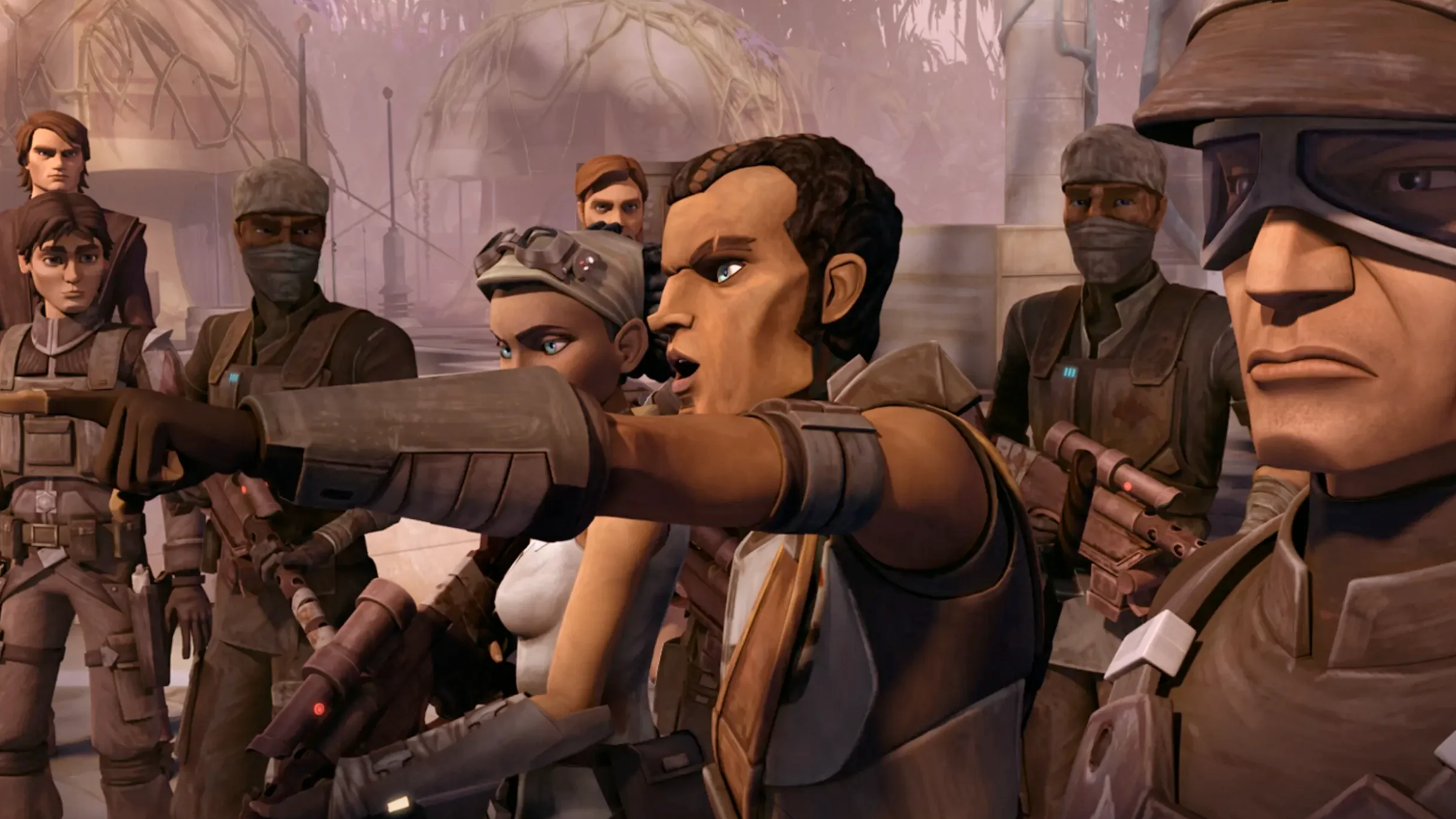
Ahsoka’s time training rebels on Onderon was an important step leading up to the larger Rebellion against the Empire. Through her relationships with people like Lux Bonteri and Saw Gerrera, she learned about the complicated political realities that the Jedi Council didn’t fully understand. She witnessed the courage of everyday citizens fighting against oppression, well before the Rebel Alliance was officially established.
This experience completely changes how Ahsoka sees the world. She realizes that strict beliefs don’t matter much to people who are suffering. Feeling empathy for those who are oppressed makes her question the Jedi’s traditional methods, and it leads her toward the path of rebellion even before she becomes an official member.
5. The Jedi Temple Bombing and Ahsoka’s Trial (The Clone Wars, Season 5)

Wrongfully accused of treason and murder, Ahsoka is forced to go on the run, pursued by the Jedi Order she dedicated her life to. This betrayal marks a critical moment for her, shattering her faith in the Jedi Council. Their decision to sacrifice her for political gain reveals the deep flaws and corruption within the Order.
By proving her innocence and choosing not to rejoin the Jedi Order, Ahsoka asserts her own strong moral compass. Her departure is a powerfully emotional moment in the Star Wars saga. She represents the moral center the Jedi had lost, and leaving allows her to grow and find her own path, making it a sad but essential step in her personal journey.
4. Siege of Mandalore (The Clone Wars, Final Arc)
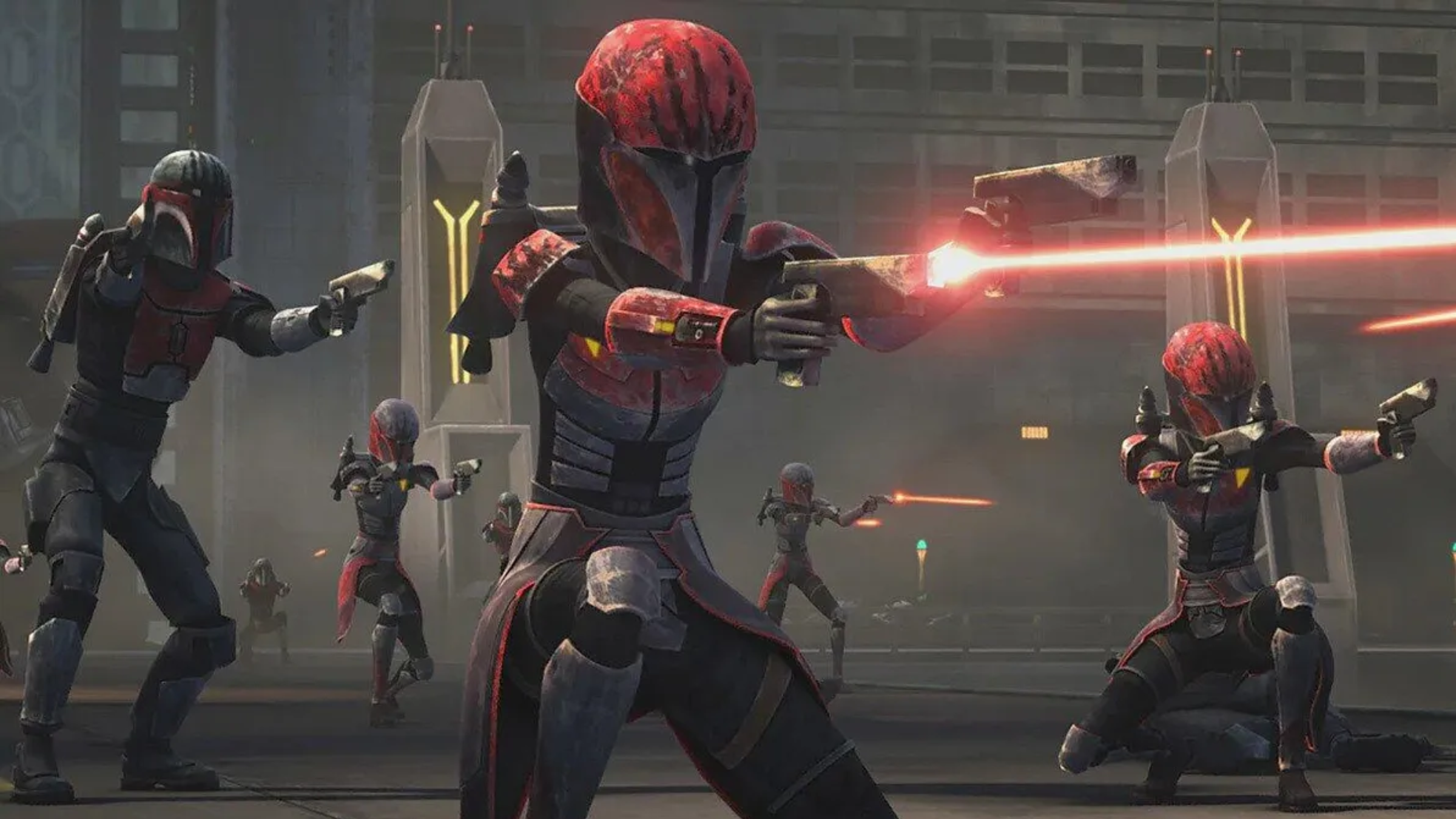
The Siege of Mandalore marks the powerful climax of Ahsoka’s story. As the Republic falls apart, she bravely and skillfully leads clone troopers into battle against Darth Maul. Their duel is one of the best in the entire saga, combining intense action, thought-provoking themes, and stunning visuals to create a truly unforgettable moment.
Surviving Order 66 marked a complete change for her, turning her from a soldier into someone focused solely on survival. The quiet moment of her burying her fallen clone troopers, alongside her lightsabers, conveyed more emotion than any grand Jedi declaration. It was a final goodbye to her life as a warrior and a chilling sign of the difficult times to come.
3. Ahsoka vs. Darth Vader (Star Wars Rebels, “Twilight of the Apprentice”)
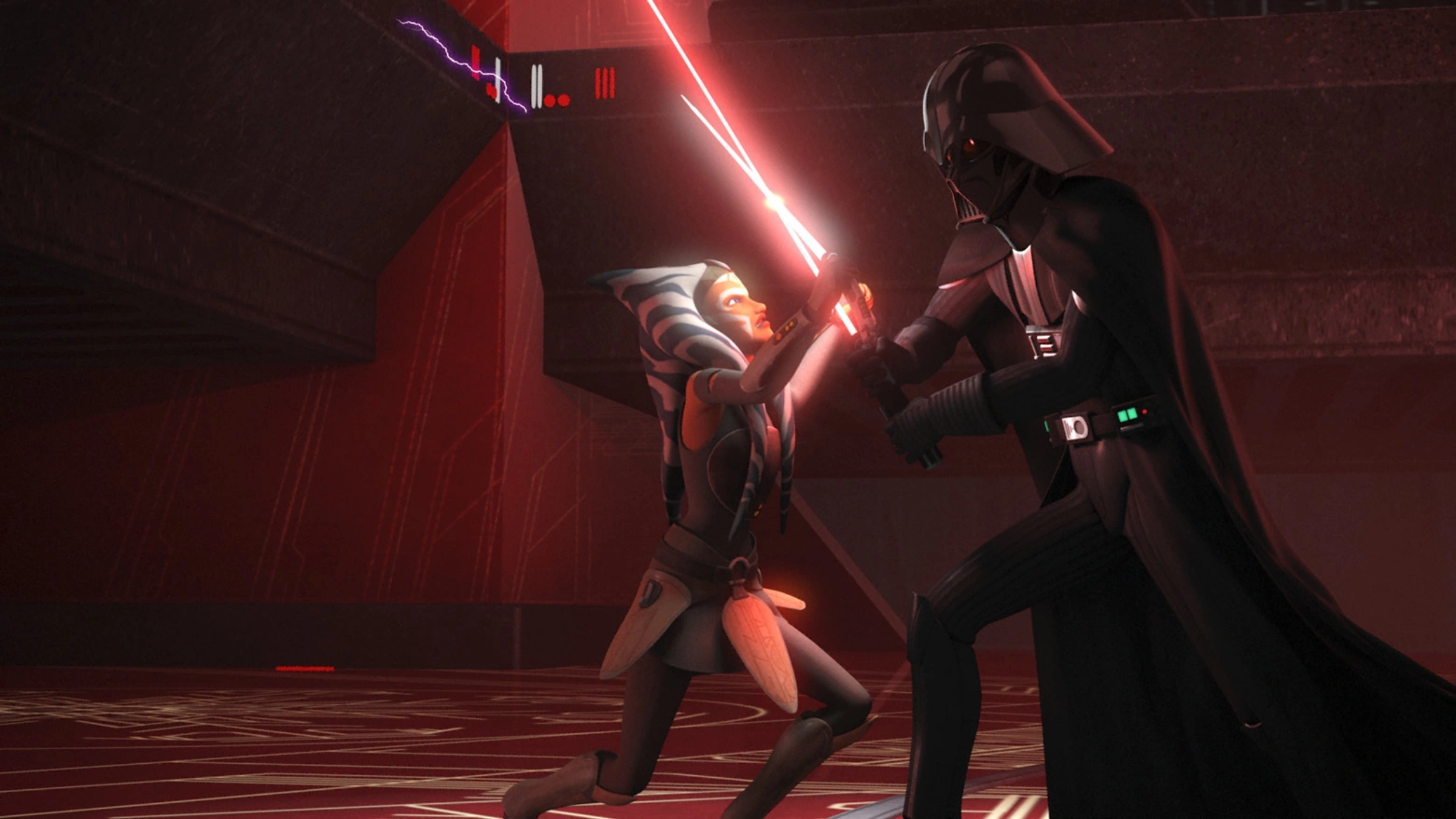
The fight between Ahsoka and Darth Vader is deeply heartbreaking. As they clash in the remains of a Sith temple, Ahsoka fights with determination but without anger. Seeing Anakin Skywalker beneath Vader’s mask is the first thing to truly shake her since she left the Jedi Order.
Watching Ahsoka and Vader fight wasn’t about who would win, but about them finally seeing each other. It really hit me how much Ahsoka still cares for Anakin, refusing to give up on him even now. But Vader… he just couldn’t accept her forgiveness, and that’s what truly broke my heart. It felt like the most deeply personal fight I’ve ever seen in a Star Wars animated series – a beautiful, tragic clash between love and everything that’s gone wrong.
2. Ahsoka’s Journey in The Mandalorian and The Book of Boba Fett

Ahsoka’s first live-action appearance shows her as a seasoned traveler who keeps people at a distance. Her relationship with Grogu reminds her of the hurt she still feels about Anakin Skywalker’s turn to the dark side. By choosing not to train Grogu, she reveals the difficult lessons she’s learned from her past – the pain that comes with forming attachments and the damage that can result from failed mentorships.
Ahsoka’s connections with Din Djarin and Luke Skywalker place her at the heart of the story following the fall of the Empire. She’s different from most Jedi because she’s learned from her mistakes and acts with understanding, not just rules. During this time, she embodies the kind of Jedi the order could have become – protectors motivated by empathy instead of strict adherence to tradition.
1. Ahsoka (2023)
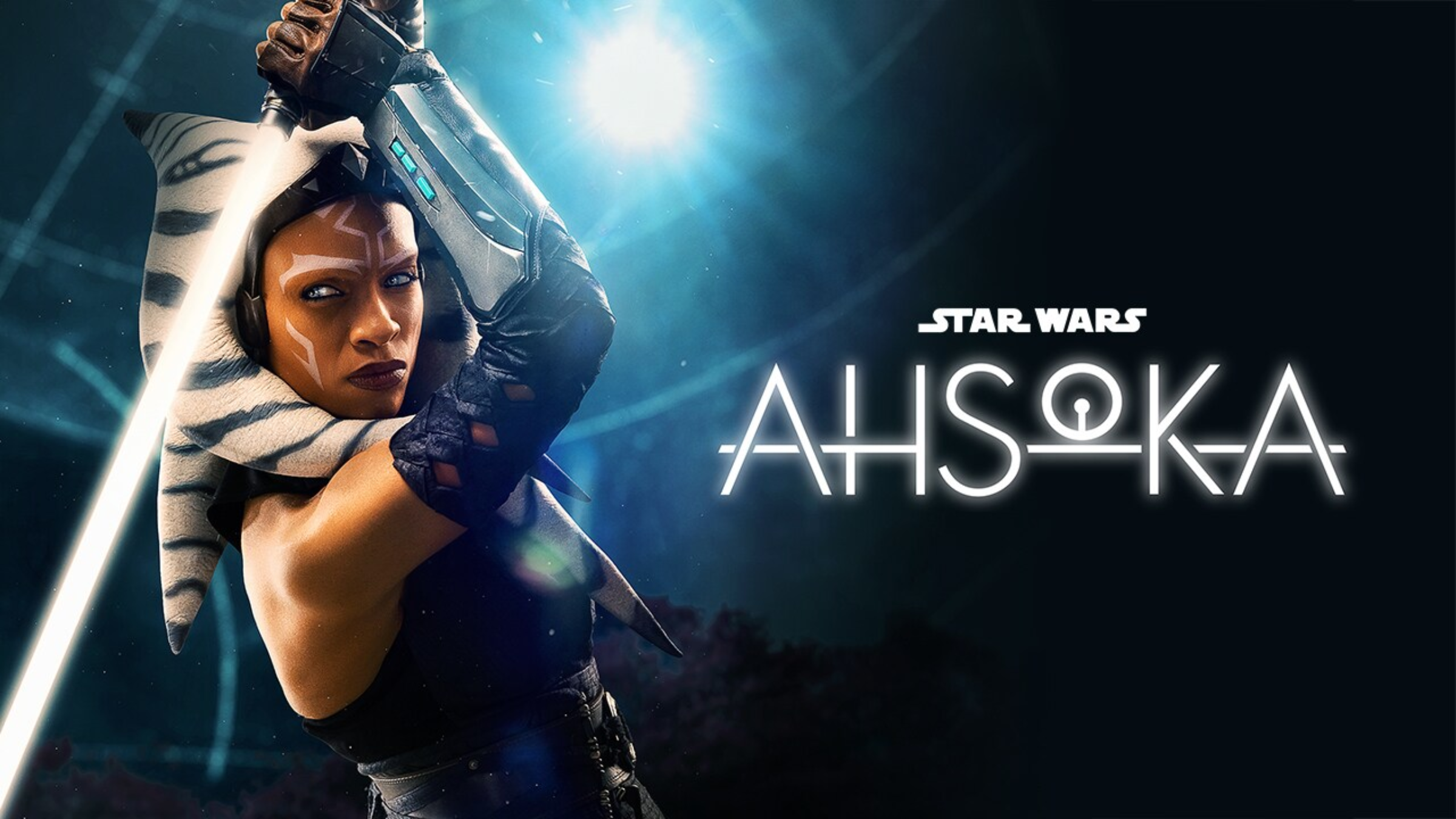
The live-action Ahsoka series is the culmination of her story, bringing together elements from The Clone Wars and Rebels into a thoughtful tale of heritage and finding oneself. As she confronts old friends, teachers, and new students, Ahsoka explores what it truly means to connect with the Force, even without being part of an established organization.
Most importantly, this story shows Ahsoka finally at peace with who she is. The advice she gives to Sabine Wren reflects both her own past mistakes and successes, building a natural and meaningful mentor-student relationship that feels genuine.
What do you think? Leave a comment below and join the conversation now in the ComicBook Forum!
https://comicbook.com/tv-shows/news/star-wars-most-powerful-tv-characters/embed/#
Read More
- The Super Mario Galaxy Movie: 50 Easter Eggs, References & Major Cameos Explained
- 10 Best Free Games on Steam in 2026, Ranked
- Sydney Sweeney’s The Housemaid 2 Sets Streaming Release Date
- Why is Tech Jacket gender-swapped in Invincible season 4 and who voices her?
- All 13 Smash Bros. Characters in the Super Mario Galaxy Movie
- Welcome to Demon School! Iruma-kun season 4 release schedule: When are new episodes on Crunchyroll?
- WTH?! Twitter Drops Fake Daredevil: Born Again Season 2 Spoilers as Character Return Confirmed
- Dune 3 Gets the Huge Update Fans Have Been Waiting For
- Highly Anticipated Strategy RPG Finally Sets Release Date (And It’s Soon)
- Forza Horizon 6 ‘Prologue’ gameplay
2026-02-06 02:14